
Psychology Says Parents Who Stay Close To Their Kids Well Into Adulthood Usually Do These 7 Things
 Konstantin Postumitenko | Canva
 Research from 22 countries found that the quality of the parent-child relationship is consistently linked to adult flourishing and mental health, with positive associations showing up across vastly different cultures, income levels, and religious traditions. How close you feel to your parents growing up shapes the entire arc of your adult life.
As adults, much of how we interact with the world, communicate with others, deal with problems, nurture relationships, and even view ourselves comes from childhood. Those formative years impact how we maneuver through adulthood, good and bad. No parent is perfect, but some adult children shared a few things that their parents did when they were young that helped them stay close to them well into adulthood.
Parents who stay close to their kids well into adulthood usually do these 7 things:
1. Parents who stay close to their adult kids support their dreams and goals
 Pavel Danilyuk / Pexels
"My parents are imperfect, but they did a lot of things right," one person wrote. "The biggest one that sticks out to me is that they're supportive of things my brother and I like, even when they don't understand or like them."
"They didn't really care for skateboarding, but they spent hundreds of dollars over the years for my brother to enjoy his hobby. They not only helped me get a drum set but also allowed the band to hold practice in our basement and drove us to all our shows. They wanted me to be a lawyer, but they were willing to settle for a line cook."
"It made a difference in the long run because eventually, it helped me realize that I get to make my own choices in life," they concluded. "Nothing is laid out for me. I can do whatever I enjoy, and my parents will be there for me, cheering me on."
2. Parents who stay close to their adult kids don't shelter them
 Yan Krukau / Pexels
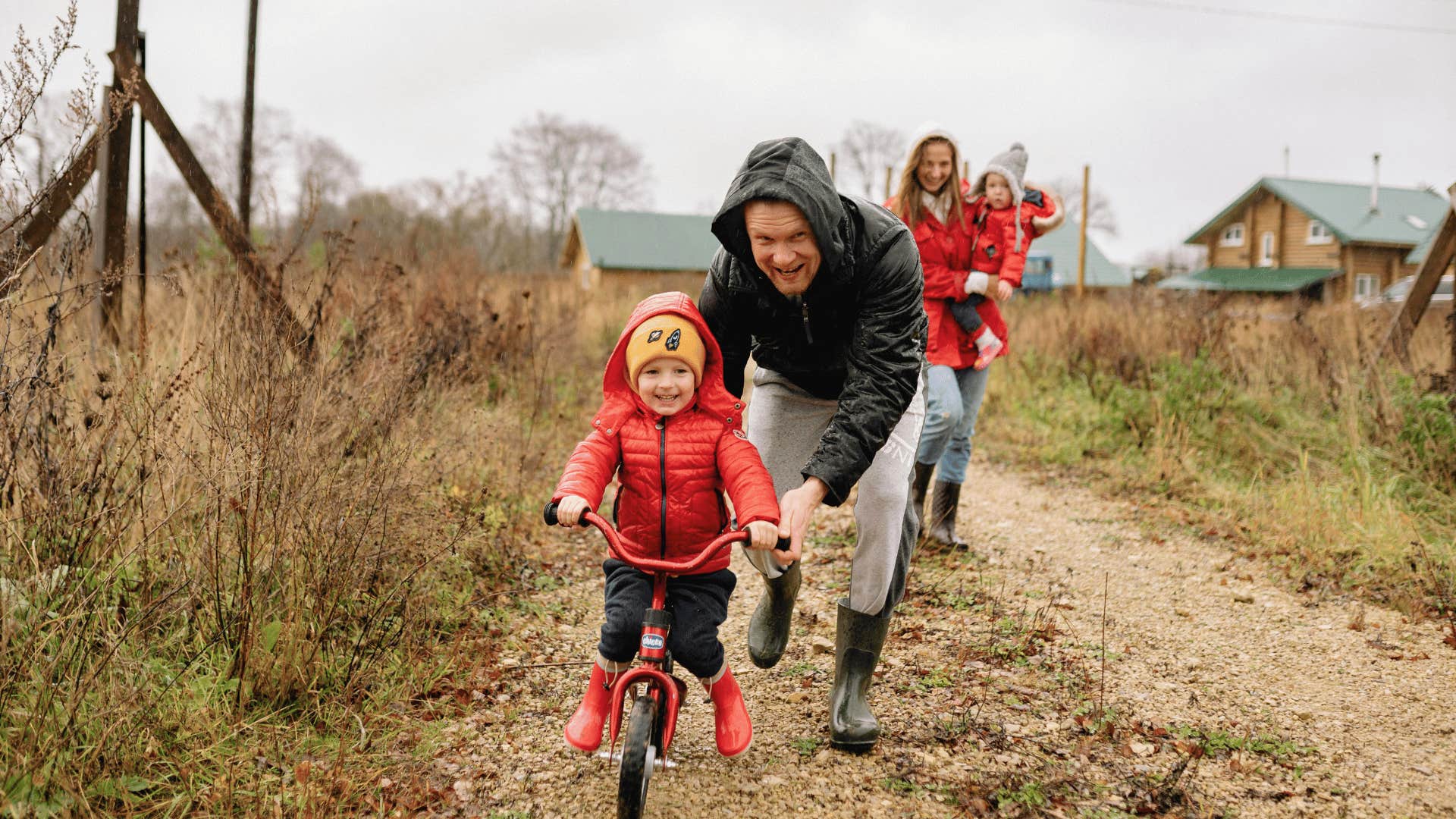
Letting kids lose, struggle, and try again isn't harsh parenting. Studies have found that kids who experience failure in a supported environment actually develop stronger emotional regulation and resilience than those who are shielded from every setback.
"That covers everything from seeing the diversity of society (rich, poor, healthy, sick, etc) to experiencing my own personal disappointments (losing in sports, saying no when asked to buy me a new video game, etc). I was allowed to grow as an individual. They were always there for support when I needed it, but I was never coddled or protected from things," a person recalled.
It might seem like a parent's job to shield their kids from all of the imperfections and failures that occur throughout their lives, but parents who do so excessively, do their kids a disservice. While, to an extent, kids should be protected, they should also be allowed to experience lows and disappointments so they can grow, learn, and excel when they try again.
3. Parents who stay close to their adult kids lead by example
 Getty Images / Unsplash+
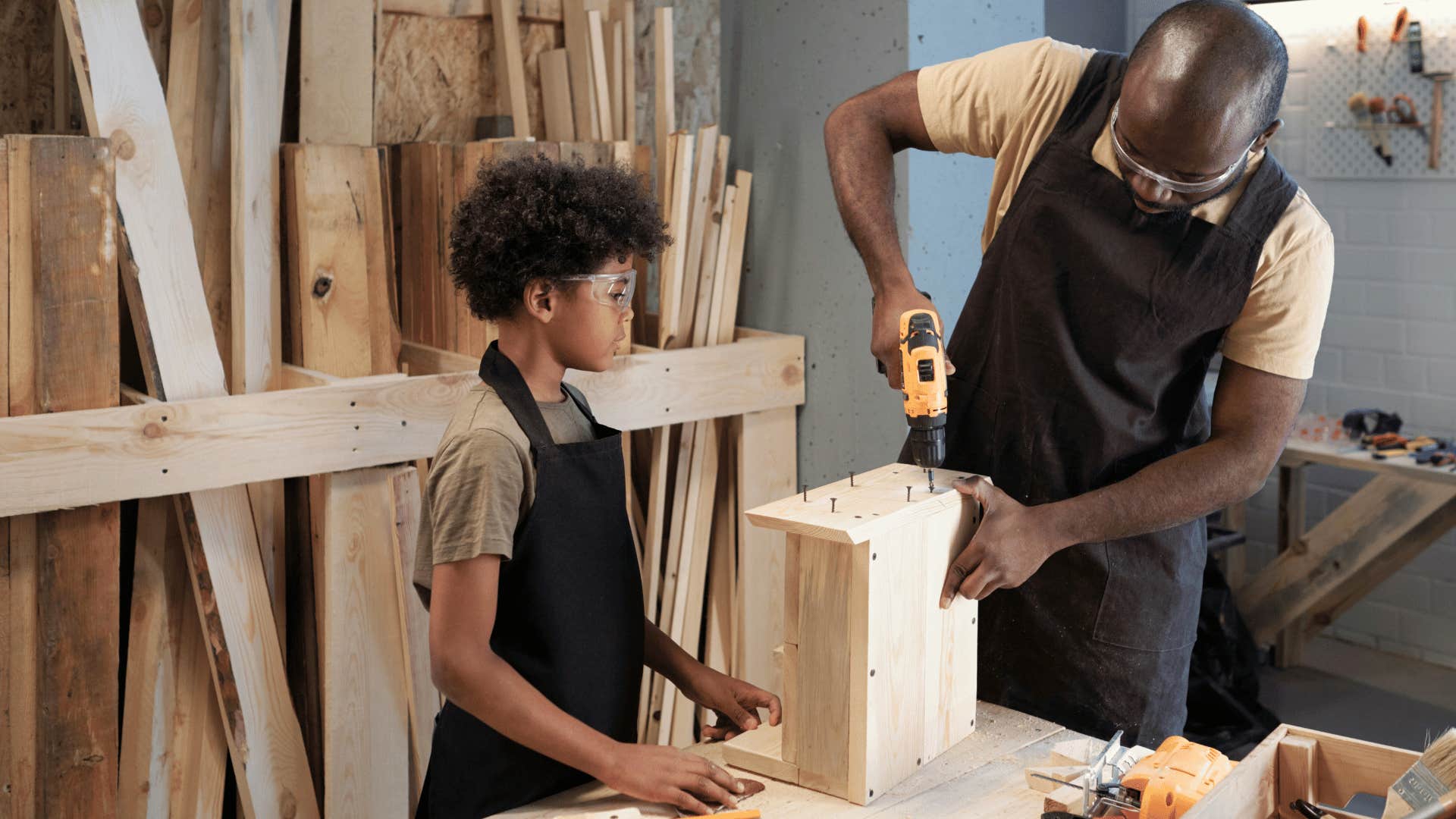
"My parents never expected things out of me that they didn't live by themselves, whether it was something as simple as being open and honest to our entire family or something more complicated like living within your means, budgeting, and treating all people with total kindness," one commenter shared. "It's a lot easier as a kid to look up to your parents when they live their daily lives by the same values they taught me."
4. Parents who stay close to their adult kids break generational trauma
 Getty Images / Unsplash+
"My parents weren't perfect, and they weren't wealthy. My dad was abandoned as a child, in a state thousands of miles away from home, raised with a bunch of people he wasn't related to. My mom was a child of divorced parents, abused and hated by her step-parents," one person shared. "They found each other and worked so that my sister and my brother never had to go through those same troubles."
"Both of my parents have trauma from their youth. My dad can be paranoid, and my mom struggles with depression, but they never abandoned us. Sometimes they argue, sometimes they yell, but they never lay hands on each other."
"They've been there for me countless times, even when it cost everything. Now that I'm older, I'm trying my hardest to be there for them because I know now what they've done for us. They broke the cycle."
5. Parents who stay close to their adult kids encourage open dialogue
 Getty Images / Unsplash+
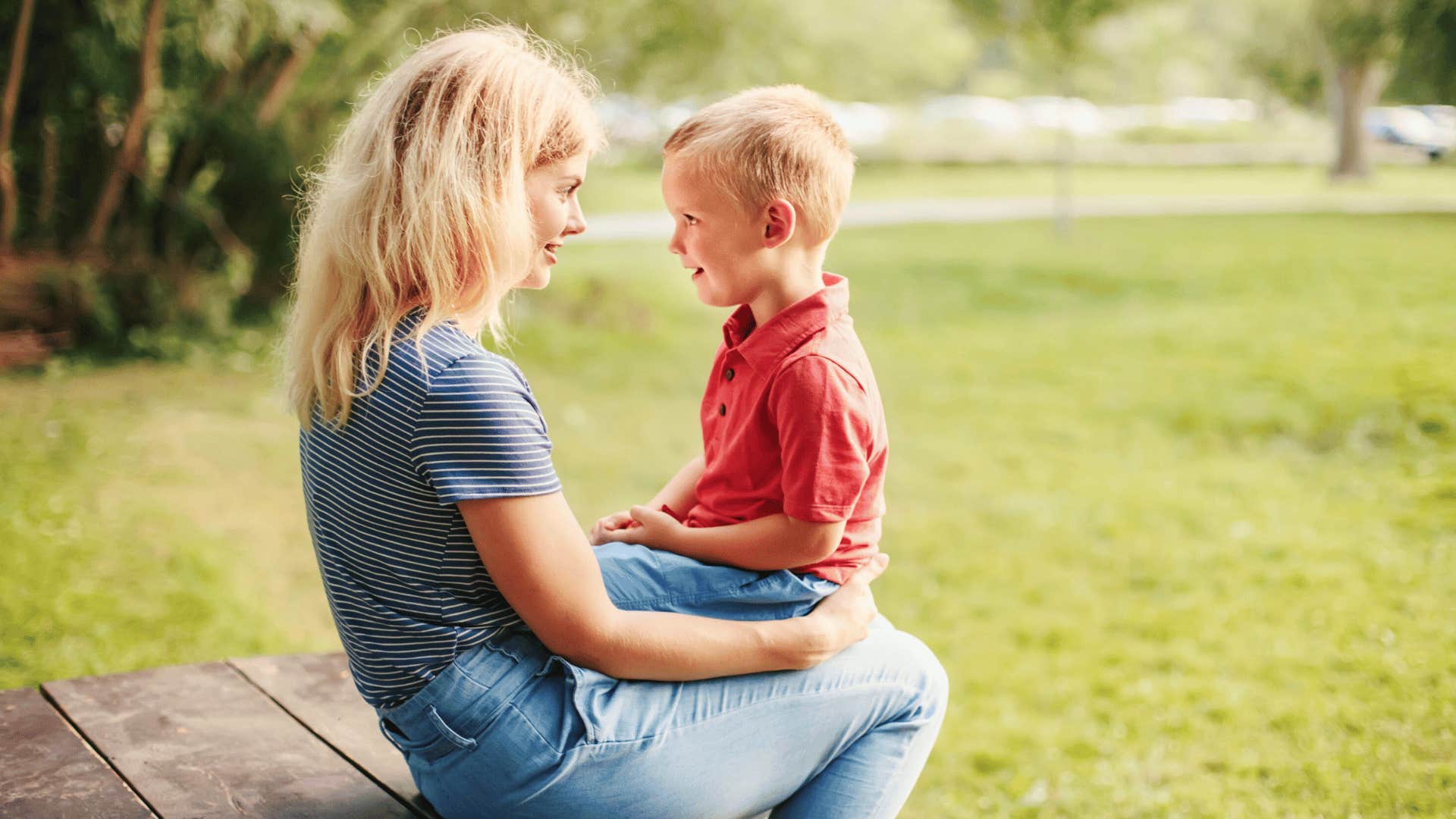
"The biggest thing was they always explained their actions, and we're willing to discuss why, and occasionally even change their mind," one person recalled. "It was never, 'No, because I said so.' I didn't really have a rebellious phase because they never forbade anything; it was always, 'Well, you can do that when you don't live here.'"
Another person chimed in with a similar experience, writing, "My mum never really did either, but I think it helped that I was a sensible kid. We talked casually about the dangers of drinking, but then she would ask if I wanted to try some of her wine or beer or whatever."
"We also talked about the risks of teenage pregnancy, and she took me to my appointments to go on the pill, and later get an implant," she continued. "I think that, because I could talk to her about this kind of stuff, I was educated enough not to do stupid things."
Open communication between parents and kids, in which kids feel safe asking questions without fear of judgment, is one of the most-researched protective factors against risky teen behavior.
6. Parents who stay close to their adult kids accept them for who they are
 Fotos / Unsplash
"My parents are very open-minded and accepting people. I remember multiple times when my siblings and I were young, they would say, 'We don’t care what or who you are,' and that really stuck with me because of my orientation. When I actually came out to them, both of them never backed out of their word and accepted me for who I am," a woman candidly shared.
This is thankfully becoming quite common between parents and their children. According to surveys, around 70% or more of parents are now considered accepting of their children coming out.
7. Parents who stay close to their adult kids love them unconditionally
 MART PRODUCTION / Pexels
"They made sure I knew I was unconditionally loved," one person wrote. "We went to the library together a lot. We had responsibilities. We had pets. We grew vegetables. They believed in me and let me do my own thing. We cooked together. We cherished our favorite books, listened to music, and even wrote poetry together. We didn't have tons of money, but we had a stable home."
Nia Tipton is a staff writer with a bachelor’s degree in creative writing and journalism who covers news and lifestyle topics that focus on psychology, relationships, and the human experience.
