
Parents In The 1960s Refused To Do 11 Things That Have Become Completely Normal For Modern Parents Today
 fotoak | Shutterstock
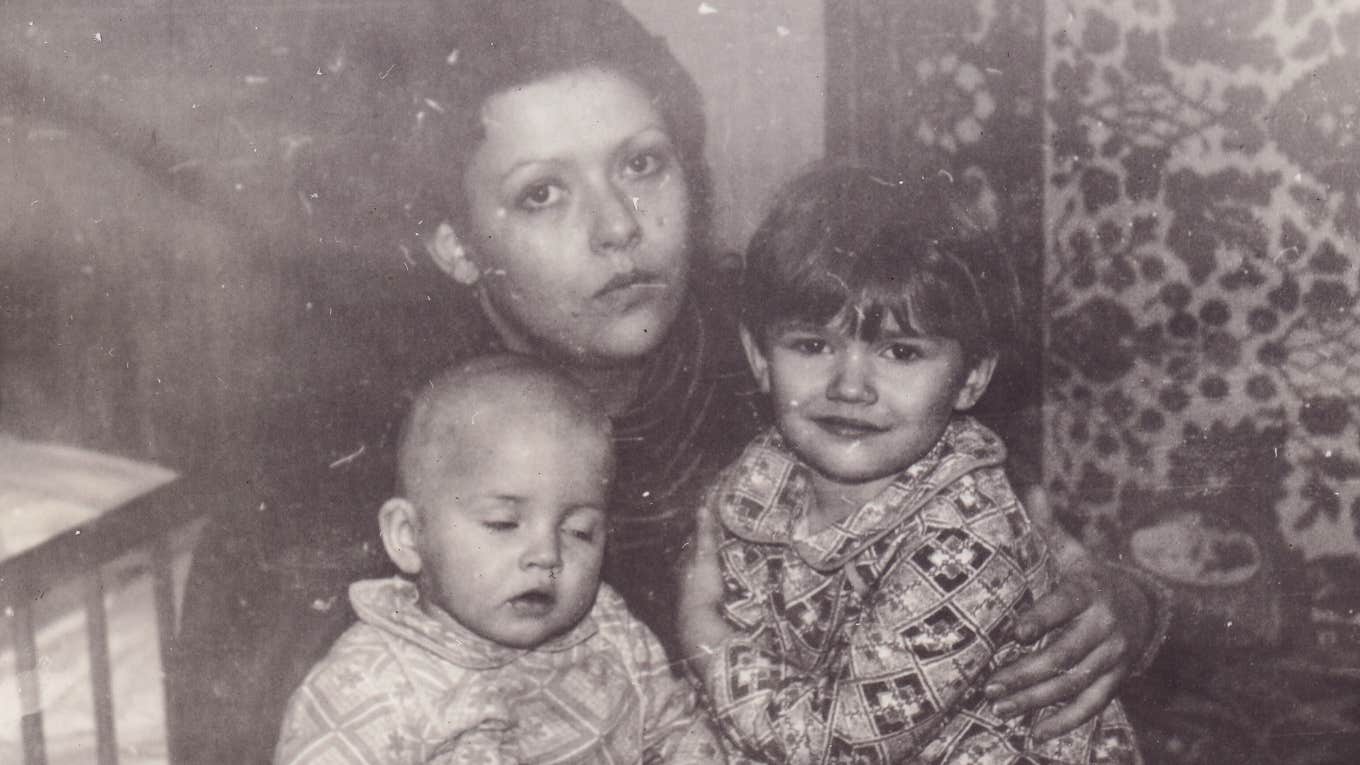
 Whether people realized it or not, parenting was often reflected by the era that children were being brought up into. The way moms and dads raised their kids in the 1960s looks wildly different than what families consider normal today. Back then, there were fewer outside opinions and different things parents were worrying about. Parents may have relied a lot more on their own instincts and were raising kids the way they had been raised. There wasn't a deep dive into what parenting experts were saying or being able to go on parenting forums to get advice.
Parents were simply figuring this out as they went. So, whether it's helping kids with homework or discussing mental health openly, parents in the 1960s refused to do these things that have become completely normal for modern parents today. Parenting can feel a lot different now. Licensed clinical psychologist Amber Thornton pointed out that compared to the 1960s, modern parents spend nearly double the amount of time with their children than they used to. That shift has completely changed the dynamic of a household, and while parents in the 1960s could have never imagined it, parents today can't fathom their style being any different.
Parents in the 1960s refused to do 11 things that have become completely normal for modern parents today
1. Schedule their kids' every free minute
 PeopleImages | Shutterstock
During the 1960s, parents weren't planning everything in a social calendar for their kids. Instead, children were on their own when it came to entertaining themselves. They were running up and down the neighborhood, making up games with their fellow peers, and coming home when the streetlights would start to flicker.
Today, though, parents are now a lot more involved in how their kids are spending time outside of the house. A study published in Sport, Education and Society found that the majority of children — 88% — took part in organized activities four to five days per week, with 58% doing more than one in an evening. They're being enrolled in sports, afterschool tutoring, music and dance lessons, or just community programs that exist locally.
2. Plan elaborate birthday parties
 Halfpoint | Shutterstock
Whether it's hiring costumed performers or renting out large, luxurious venue spaces, parents in the 1960s refused to throw elaborate birthday parties, which have become completely normal for modern parents today.
Back in the day, a homemade cake and inviting neighborhood kids to play simple games in the backyard were more than enough for a birthday party. Decorations were minimal too and often DIY'd at the kitchen table the night before the party while the kids were sleeping. Nobody was stressed over having to adhere to a theme or to ensure that everything was perfect and over-the-top.
Most birthday parties happened right at home. Everything was rearranged to accommodate the guests and that was considered more than enough. The scale of birthday parties has definitely elevated since that time. Parents today are putting in a lot more effort, and money, into things. From bouncy houses to even booking professional children's entertainers, they tend to go all out.
3. Ask kids what they want for dinner every night
 Prostock-studio | Shutterstock
With the use of Pinterest, Instagram, and even TikTok, parents today can present more choices for dinner ideas that their kids might actually enjoy eating. Parents may ask their kids what they're in the mood for that night rather than just making something and forcing them to eat it.
But in the 1960s, dinner wasn't as open-ended as it seems to be now. Parents were making whatever they could as soon as they got home from work and placing it on the table for the family to eat. The kids could either indulge in it or go to bed hungry. The idea of customizing dinner every single night just wasn't part of the routine.
4. Negotiate every rule
 PeopleImages | Shutterstock
Back then, it wasn't uncommon to hear parents telling their kids "because I'm the adult" or "I said so" as an explanation for why a rule was being implemented. It meant the conversation was over. Parents weren't really up for negotiating or even breaking down why they were supposed to follow something. Parents were in charge and the kids were just supposed to listen.
"When they believe their parents' rules are legitimate, children are more likely to believe they should obey rules they don't like and more likely to talk to their parents about those rules, giving their parents the chance to explain," said psychology professor Nancy Darling.
The vibe today is very different for parenting. Modern parents feel a lot more encouraged to explain the reasoning behind rules instead of just enforcing them. There's a lot more emphasis on helping kids understand the "why" behind something. Parents today have learned that if their kids fear them, they won't respect them and, by association, the rules that they have in their homes.
5. Apologize to their kids during arguments
 New Africa | Shutterstock
Parents were the authority figures first and foremost. That meant that even if they were wrong, they would never think to apologize to their children. Admitting that they were in the wrong felt like they were undermining their own authority in the process. Parents back then wanted to maintain that level of respect. They might have expected their kids to apologize but it was a foreign concept that they too would do the same thing to their kids.
The dynamic for apologizing to kids has shifted exponentially. A part of modern parenting that has been widely accepted is the fact that kids deserve apologies from their parents too. Kids learn about feelings and how to navigate their emotions from their parents. Witnessing their parents apologizing sincerely shows kids that saying sorry is encouraged, no matter what.
6. Monitor their children 24/7
 SpaceOak | Shutterstock
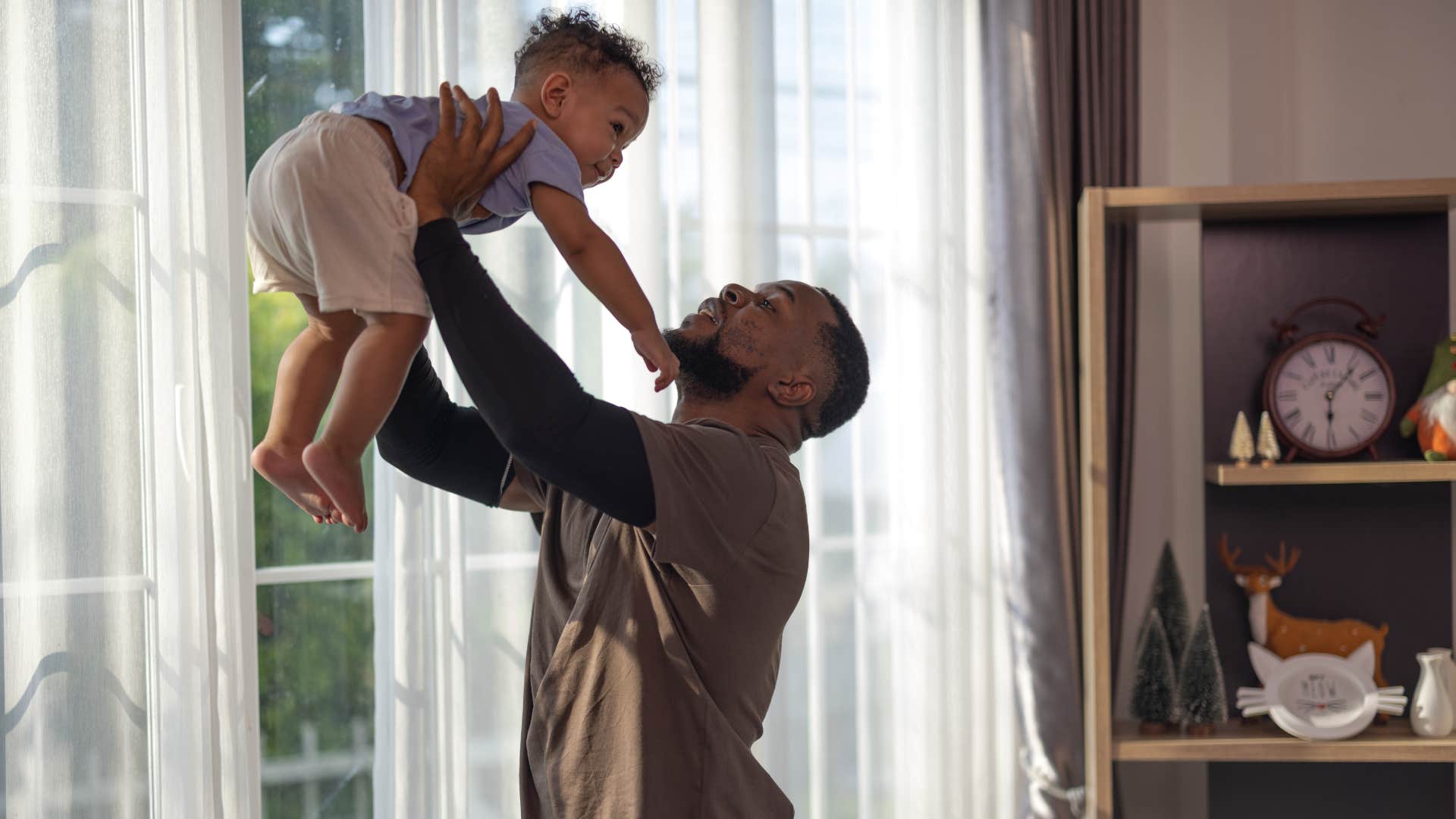
Whether it's tracking their location or contacting their friends directly, parents in the 1960s refused to do these things that have become completely normal for modern parents today. Back in the day, parents rarely knew where their kids were every minute of the day, but that level of uncertainty wasn't abnormal at all.
Parents didn't have tracking apps nor were they keeping in constant communication through text messaging and FaceTime. All they had was the trust in their own kid to get back home at the end of the day before it got dark outside. There was also a different level of community back then compared to today.
Other parents would keep an eye out for children, even if they weren't necessarily theirs. Word would travel fast amongst neighborhoods if something was amiss. There might not have been constant supervision, but there was definitely an awareness of other people.
Today, parents are a lot more involved. They have apps that can track their children's locations, with about 86% of parents checking their children's location, including 71% who check it frequently, and they're so much stricter on kids not going anywhere alone.
7. Compare themselves to other parents
 DimaBerlin | Shutterstock
Parents in the 1960s didn't have social media. The most comparing they probably did was to other parents in their kids' classes or with parents that lived in the neighborhood. But that's usually where the comparison ended. There wasn't a constant stream of updates showing parents what everyone else was doing with their kids.
Parenting was a mostly private affair, and they would measure their success by how their family felt not how others felt. Comparing yourself to other parents online has become almost unavoidable for modern parenting. Social media means that you can easily compare and contrast the things you're doing and the things other parents are doing.
8. Do their kids' homework with them
 Dragon Images | Shutterstock
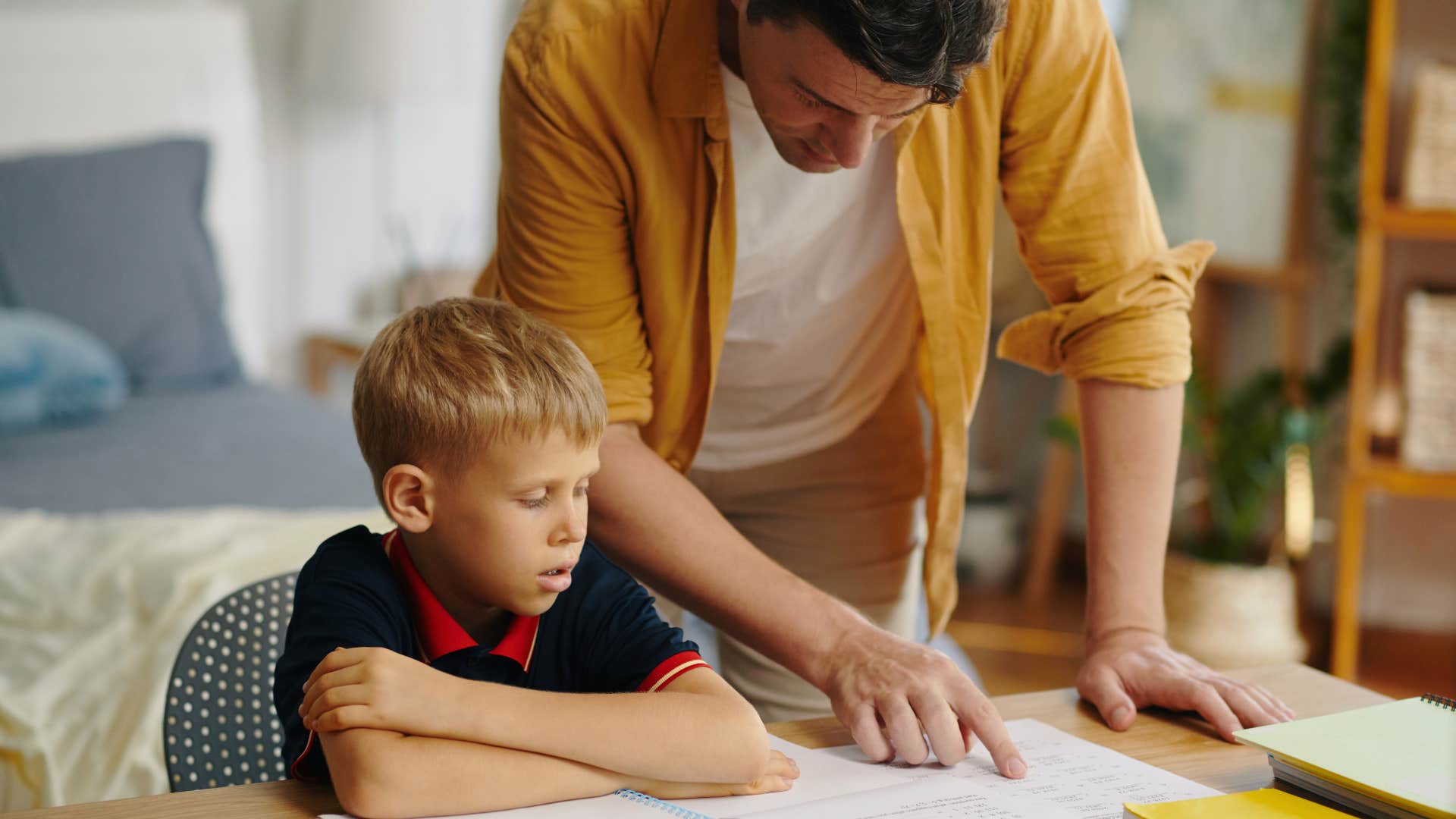
Parents back then generally saw homework as a child's sole responsibility. They would rarely ever step in. They would simply remind their kids to sit down at the kitchen table and get it done. They weren't hovering over every science question and proofreading their essays.
If their kid forgot an assignment, they had to deal with the consequences at school the very next day. Issues that happened at school tended to stay at school, and issues that happened at home were staying at home.
Parents weren't as involved in the school activities that their kids got up to. But that is definitely not the case today. Parents are a lot more involved in their kids' homework assignments.
In a study that explored middle schoolers and their parents, researchers found that parents helped their children with homework, on average, between one and three times per week and checked homework four times per week. They're also involved in showing up and meeting their kids' teachers for conferences and even PTA meetings.
9. Throw gender reveal parties
 Pressmaster | Shutterstock
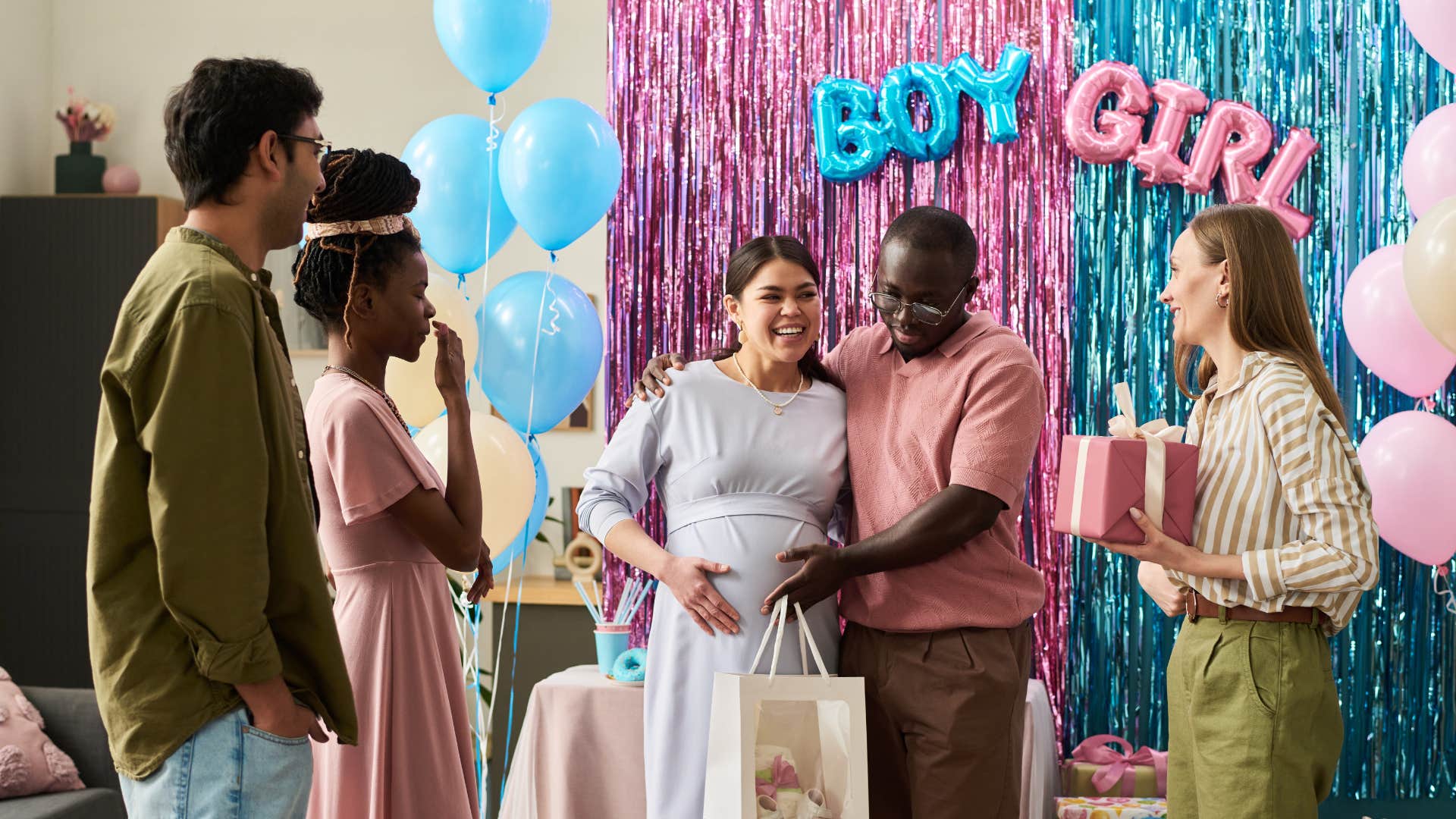
Back in the 1960s, finding out the gender of a baby was considered a more private moment for parents. It also wasn't as over-the-top as it is for expecting parents today. During that time, parents weren't planning elaborate events for their big reveal. Most families were finding out during an appointment or even waiting until the birth of the baby to find out.
Gender reveal parties have definitely become a bit of a cultural phenomenon in the last decade or so. According to a survey from YouGov, an estimated 25% of parents agreed that gender reveals were a "fun" occasion, while 20% agreed that it was "joyous."
Parents are investing in color cannons, fireworks, and color-themed smoke bombs where they've hired a photographer and videographer to capture every moment. That was simply unheard of in the 1960s.
10. Read reviews before buying a toy
 Gerain0812 | Shutterstock
Buying a toy for parents in the 1960s was simple. They just went to the store and browsed the shelves before eventually picking something that caught their eye. They weren't looking up to see the ratings and reviews of the toys, mainly because that just wasn't a thing back then.
Toys were just trial and error. Either their kids liked playing with it or they didn't. Most parents were relying purely on instinct and maybe even word-of-mouth from other parenting friends.
Parents in today's day and age are reading the reviews online fervently and even checking for recalls before actually committing to buying it. They're a lot more cautious about the hazards that could come from their kids playing with toys, especially since things like social media are around and other parents can easily talk about their bad experiences.
11. Discuss mental health openly
 pics five | Shutterstock
Mental health was rarely discussed within families during the 1960s. Emotional struggles were simply swept under the rug. If a child felt any kind of negative emotion, like stressed out or anxious, their parents chalked it up to them just being way too sensitive. There wasn't the proper language back then to actually put into words things like depression or anxiety. And self-care was completely out of the question too.
Parents during that time generally just assumed that the issues would resolve themselves with time and as their kids grew older. That's not exactly the sentiment for many parents today.
Mental health is now a common topic in households, especially due to the increased use of kids on social media and phones, in general. In fact, 50% of parents of children younger than 18 feel their children's mental health has suffered because of social media use. Conversations about therapy, taking mental health days, and practicing certain self-care rituals are things that parents now converse with their kids about.
Nia Tipton is a staff writer with a bachelor’s degree in creative writing and journalism who covers news and lifestyle topics that focus on psychology, relationships, and the human experience.
