
10 Sweet Ways Parents In The 1970s Toughened Their Kids Without Knowing It
 Charles O'Rear, Original public domain image from Flickr
 Back in the 1970s, parents had their own way of doing things. In many sweet ways, they toughened up their kids for the life ahead of them without even knowing it. Parents of the '70s rarely spared their children from the hard work that needed to be done around the home, often encouraging them to develop essential life skills that would benefit them greatly as they became adults and branched out on their own.
These parents also instilled in their children the importance of family and of working constructively and respectfully with others to develop strong relationships. They didn't want their children to feel unsupported and did their best to equip them with the emotional and social skills they needed to succeed in life.
These are 10 sweet ways parents in the 1970s toughened their kids without knowing it
1. They taught their kids to be resourceful
 Malysheva Liudmyla / Shutterstock
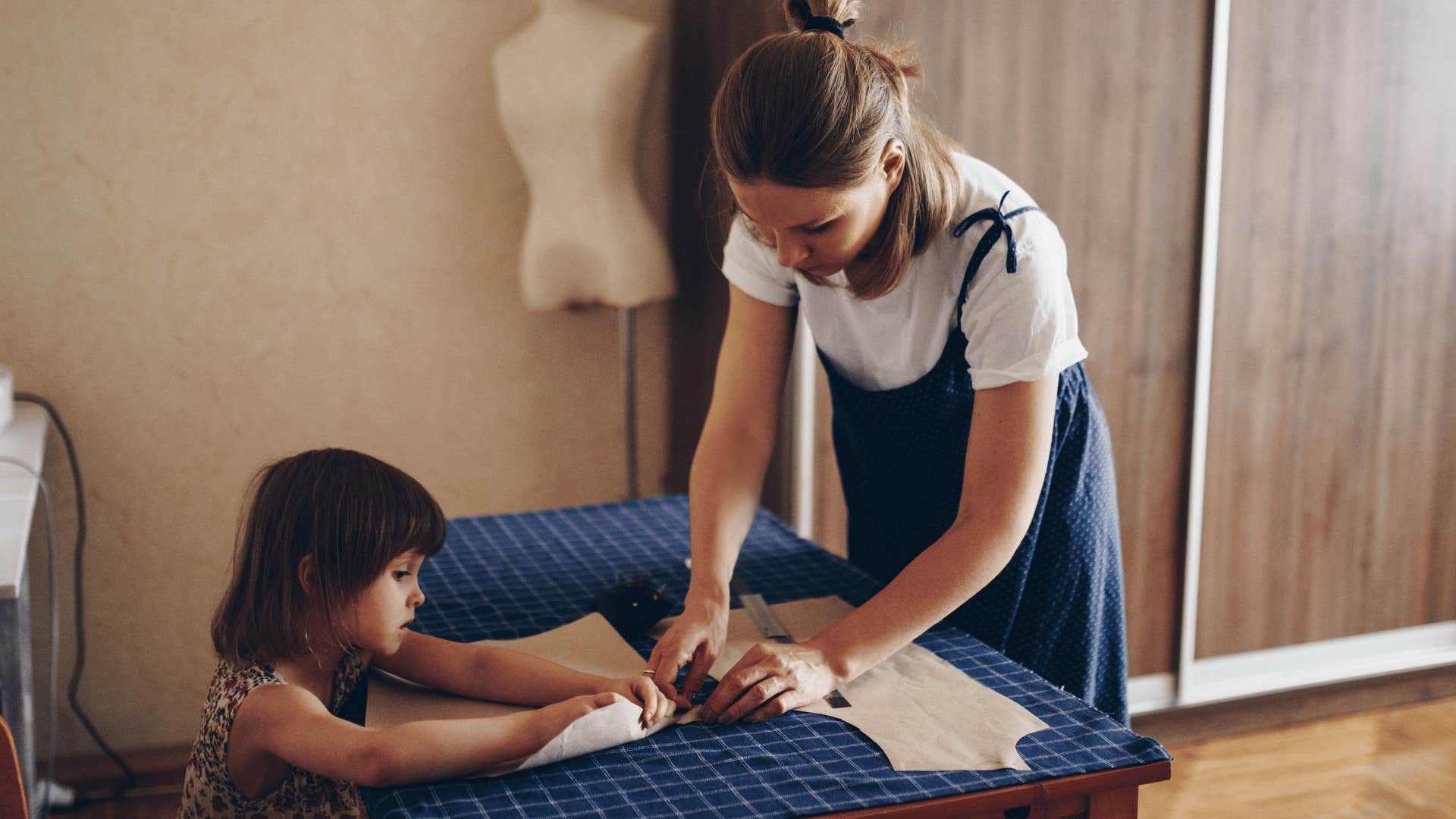
In the 1970s, parents made sure that their children were equipped with resourceful skills. At home and in schools, children were taught how to mend clothing by sewing and how to fix things that were broken rather than immediately replace them.
Research shows that the practice of mending is a resourceful method that influences the longevity of clothes and other items that families invest in. By teaching these children how to mend damaged goods, they have become adults who understand the importance of sustainability and being resourceful.
2. They enforced simple discipline through chores
 Evgeny Atamanenko / Shutterstock
Many parents in the 1970s made sure their children helped with everyday chores. By doing this, they instilled attributes in their children that would help them later in life become disciplined enough to maintain a good work ethic and develop stronger relationships with others and themselves.
A Harvard Grant Study found that individuals who were responsible for doing chores as children actually developed into more successful and productive adults later on in life. These individuals were more disciplined workers and remained more resilient when handling challenges.
3. They helped them learn emotional resilience
 Prostock-studio / Shutterstock
In the 1970s, parents were not afraid to let their children bear the natural consequences of their actions. They understood that, in the moment, their children would feel a rush of negative emotions and discomfort, but in the long run, it would be beneficial to help them understand their emotions and learn to regulate them.
A Stanford-led study found that when parents step back and allow their children to learn new things and problem-solve on their own, they typically have an easier time regulating their behaviors and working through their emotions. By allowing their children to figure things out on their own and deal with whatever consequences came from the decisions they made, parents in the 1970s were making sure that their kids would learn the emotional resilience necessary to take on life.
4. They taught them to have a solid work ethic
 PeopleImages / Shutterstock
Parents in the 1970s encouraged their children to take on small jobs or hobbies, even when they were young and still in school. This, they knew, would help teach their kids work ethic and develop an understanding of the connection between effort and outcome.
An Employment Policies Institute study found that teens and young adults who pursue part-time work while in school typically experience career benefits, like higher pay and less time out of work, when they get older. By developing a work ethic earlier on, these children were able to achieve more career success as adults.
5. They taught them how to be respectful
 fizkes / Shutterstock
Having manners and learning politeness were two main priorities for parents in the 1970s when raising their children. These parents knew that by enforcing manners and good behaviors, their children would grow up to be very respectful individuals.
Practicing manners and being polite directly correlate with the Golden Rule: to treat others the way you want to be treated. When children are taught to be respectful toward others at a young age, they can build strong relationships as they get older, leading to richer, healthier, and happier adult lives.
6. They fostered independence
 Tomsickova Tatyana / Shutterstock
The 1970s, being what most would consider a safer time, was also a time when parents would allow their children the freedom to go outside and do as they wished without overbearing parental supervision. This allowed their children to learn to be responsible for themselves and to develop independence.
A University of Michigan Health C.S. Mott Children’s Hospital National Poll report stated that when parents allow their children freedom, they are encouraging their children to develop independence, along with many other positive traits. When a child becomes independent, they are also able to foster self-confidence and resilience and develop the ability to effectively problem-solve on their own.
7. They encouraged teamwork and pride
 matimix / Shutterstock
Allowing their children to play on sports teams was a major thing parents encouraged in the 1970s. By encouraging their children to take part in teamwork-based activities, parents were helping to promote certain social and life skills in their children.
One study found that children who participate in group activities typically develop constructive communication skills and experience a positive impact on their emotional development. They also learn cooperation skills that help them to resolve conflicts as they get older and do so in a constructive way that benefits their relationships.
8. They enforced the importance of family
 PeopleImages / Shutterstock
Parents in the 1970s made it a priority to take family vacations, have family dinners, and encourage time away from work and school to focus on spending quality time with family. Due to this, it was instilled in their children growing up that family is important.
Research has shown that when family engagement is encouraged, children feel supported throughout their youth and successes. This not only benefits these individuals as they are children, but as they get older, they will also see its positive impacts on their mental health, and they will understand how to care for and support a family of their own.
9. They taught them how to be risk takers
 Ermolaev Alexander / Shutterstock
Understanding the difference between fear and danger encourages individuals to be courageous and smart risk takers. Parents in the 1970s understood this and found it important to teach their children how to overcome fear.
When children are allowed to engage in what is referred to as risky play, they are able to tap into their creative and spontaneous side. This also influences them to understand the difference between a risk and a hazard, so they know how to cautiously take risks that allow them to grow and develop as adults.
10. They taught them not to be wasteful
 wichayada suwanachun / Shutterstock
Through encouraging their children to make things from scratch, mend broken items, garden, etc., parents in the 1970s were able to teach their children not to be wasteful and to appreciate the value of hard work. Instead of viewing things as replaceable, they developed a mindset that understood the importance of being resourceful and repairing things.
A survey found that by teaching children not to be wasteful, they will grow up to be adults who actively practice sustainability and understand its importance for not only the environment but also the financial significance it carries. While these parents in the 1970s may not have always realized it, by parenting the way they did, they created tough and resilient individuals.
Kamryn Idol is a writer with a bachelor's degree in media and journalism who covers lifestyle, relationship, family, and wellness topics.
