
If Your Parents' Home Seems Too Quiet, These 11 Signs Of Loneliness Are Starting To Show
They're struggling to craft a new routine.
 we.bond.creations | Shutterstock
 Alongside life transitions, the process of aging, and loss, it’s no surprise that people tend to develop chronic loneliness as they get older, at least according to a study from BMC Geriatrics. Their kids move away, their friend groups change, and their routine looks wildly different from just a few decades ago, and without the coping skills or habits to lean into all this change, it can be completely destabilizing.
While loneliness can often sneak up on people unsuspectingly and seep into small areas of a person’s life, if your parents’ home seems too quiet, these signs of loneliness are starting to show. Looking from the outside in, you may be the only person who can notice these red flags early.
If your parents’ home seems too quiet, these 11 signs of loneliness are starting to show
1. They’ve drifted away from friends
 MDV Edwards | Shutterstock
As we grow and shift as people, our relationships will inevitably shift alongside us. Even though it’s often uncomfortable, drifting apart from friends and people who used to hold close is a natural part of life.
However, if we don’t make an effort to “replace” this social connection with a new community or new friendships, loneliness and grief over the loss can quickly follow.
If your parents’ home seems too quiet, these signs of loneliness may be starting to show. They guilt-trip their adult kids to come over and spend all their time indulging in mindless entertainment because they miss the people who used to fill their leisure time.
2. They’re struggling to find a community
 New Africa | Shutterstock
In today’s world, where so many “third places” have become financially inaccessible to the average person, it’s not surprising that so many people are yearning for a community they can’t find. They can’t chat with a stranger in a free park or go to a coffee shop to mingle when they spend more than $10 on the occasional — unless they have the money to afford social connections in these places.
Older adults, who may be drifting away from friends and family, need this social support more than ever, yet their homes, where they spend most of their time, are quiet.
3. They feel disconnected from their kids
 Krakenimages.com | Shutterstock
For parents who have spent the last couple of decades feeding into and spending all their time with their kids, watching them leave the house, start their own families, and enter into adulthood can be disillusioning. Especially for a parent whose entire sense of self-worth and identity revolves around their kids, not having them around can be difficult and destabilizing.
The loneliness that comes from grieving a natural disconnect with their adult kids isn’t always apparent, but if your parents' home seems too quiet, these signs of loneliness are starting to show.
4. They feel physically limited
 Raushan_films | Shutterstock
Whether it’s struggling with having the energy to go out, not having the physical freedom to travel to their kids, or being bound to the house by illness, if your parents’ home seems too quiet, these signs of loneliness are starting to show.
Not only are they grappling with the natural familial disconnection and distance that tends to happen with age, but they’re also battling another layer of loneliness that often sparks internal guilt and shame.
5. Their pets are their closest family members
 Mostovyi Sergii Igorevich | Shutterstock
If a parent starts to lean heavily into spoiling their pets or speak about them like their only children, chances are these could be signs of loneliness. Especially if they’re feeling disconnected and far away from their own adult children, leaning into love and quality time with their pets could be a means to cope.
According to a JAMA Network study, owning a pet while aging can actually help boost cognitive functioning, reducing the risk for cognitive decline in aging parents living alone. So, while it might be a “red flag” that they need to socialize more and spend more time with their kids, it’s also a supportive experience that’s doing more good than harm.
6. They’re always on their phone
 fizkes | Shutterstock
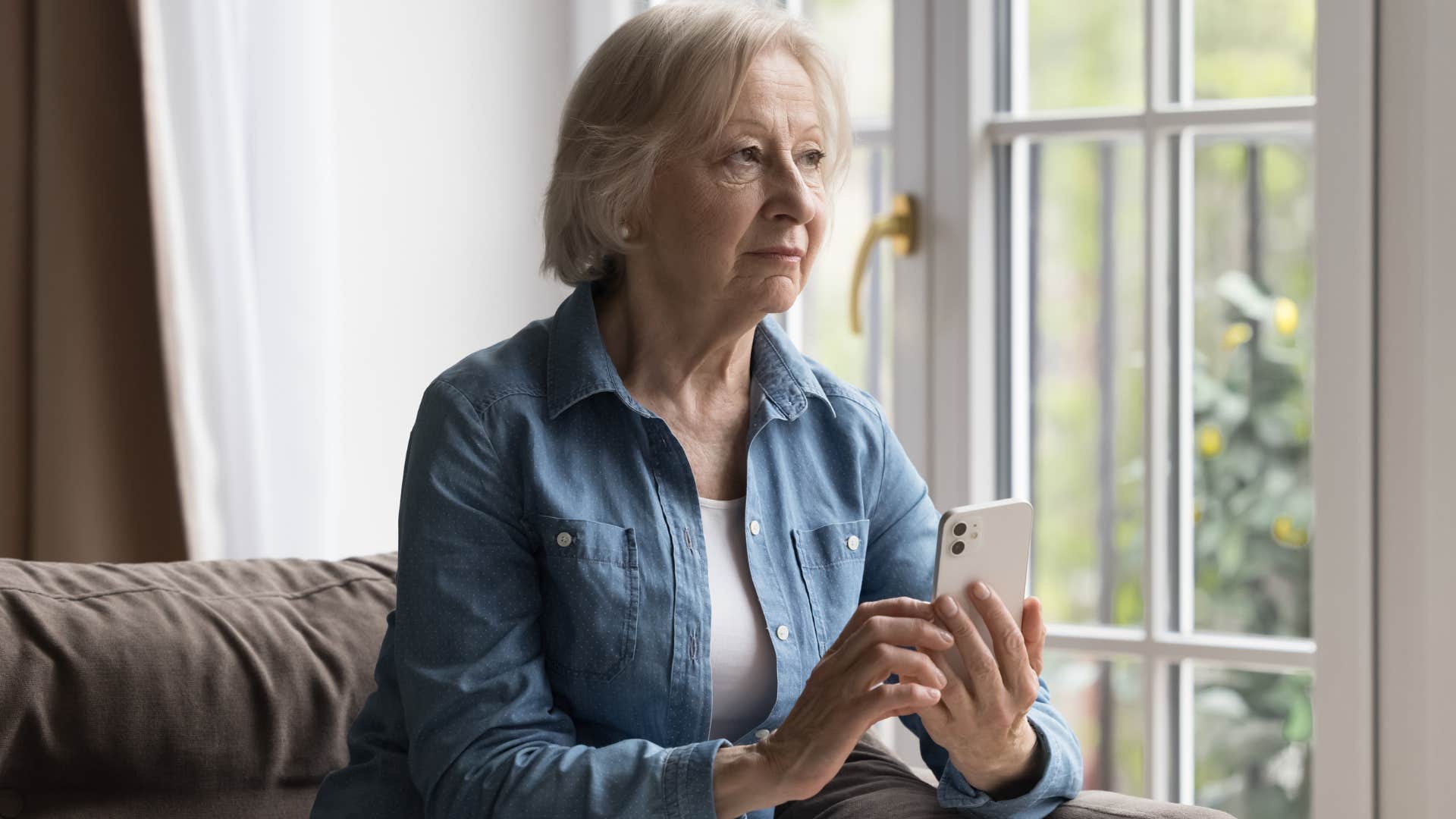
If a parent only gets “quality” time with their kids by picking up the phone and calling or finds a connection with friends solely on Facebook, chances are they’re lonelier than you may realize. Their home is quiet because they don’t have visitors, and they only get to chat with another person when they spend time on their phone.
While this kind of connection can subtly help to fend off seasons of loneliness in aging parents, the truth is that spending all their time on their phone and relying on it as a crutch for emotional turmoil has its consequences. From harming cognitive functions to promoting adverse aging experiences, too much leisurely screen time can have its harmful effects.
7. They fear being ‘forgotten’
 fizkes | Shutterstock
For people whose identity revolves completely around being a parent or caretaker, when that role dissipates or their kids no longer “need them” to the same extent, it can shift something internally. The meaning that used to fill up their lives is gone, so they not only feel less of a person, but also less connected to the people around them.
Relationships shift, identities shift, and their meaning in life becomes unclear. Many parents struggling with loneliness face these struggles, including a fear of being “forgotten” by their adult kids living their own lives. But the truth is that many adult kids don’t forget about their parents just because they’ve started their own lives — they just need the natural disconnect to find their footing.
8. They’re struggling to reconnect with their partner
 fizkes | Shutterstock
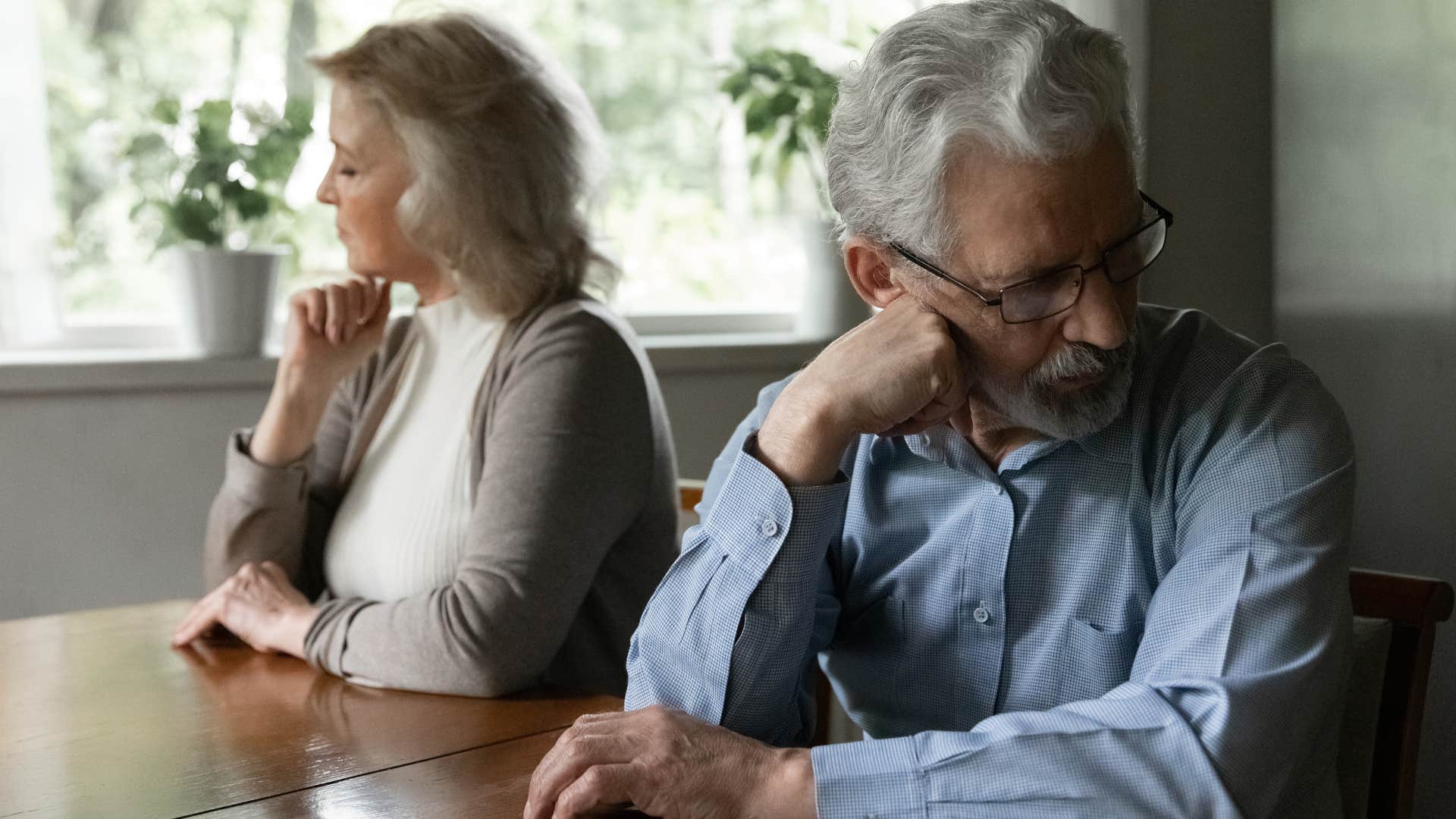
Even if a lot of the struggles with loneliness and mental health for aging parents revolve around their adult children leaving the home, some people with shaky relationships may find this increase in time together difficult.
When parents become “empty nesters,” the slew of mental health and emotional struggles that come with it could take a toll on their marriage. However, if they’ve spent the last decade nurturing their kids, but feeding less energy into their marriage, chances are it was struggling well before their kids left.
9. They don’t know how to deal with life transitions
 Bricolage | Shutterstock
For parents who have had the same problems, relationships, and routines for the past few decades, experiencing life changes as empty nesters can lead to more turmoil than a parent might expect. As a study from BMC Geriatrics explains, their loneliness later in life is often driven by these wildly shifting routines in life and changes to their status quo.
They may not have the coping skills for change because they’ve spent so much time in their lives dealing with consistency and living life from a secure, certain perspective.
10. They’re comparing themselves
 mimagephotography | Shutterstock
Social comparisons harm us all, whether they’re happening amongst friends, at work, or even on social media. For aging parents and empty nesters who may be spending more time on their phones, comparing their lives and routines to everyone else without boundaries can further amplify the loneliness they’re already facing.
They’re not only much more judgmental toward themselves, but they’re also disconnected from happiness, their partners, and their families at large.
11. They’re struggling with the aging process
 Julia Zavalishina | Shutterstock
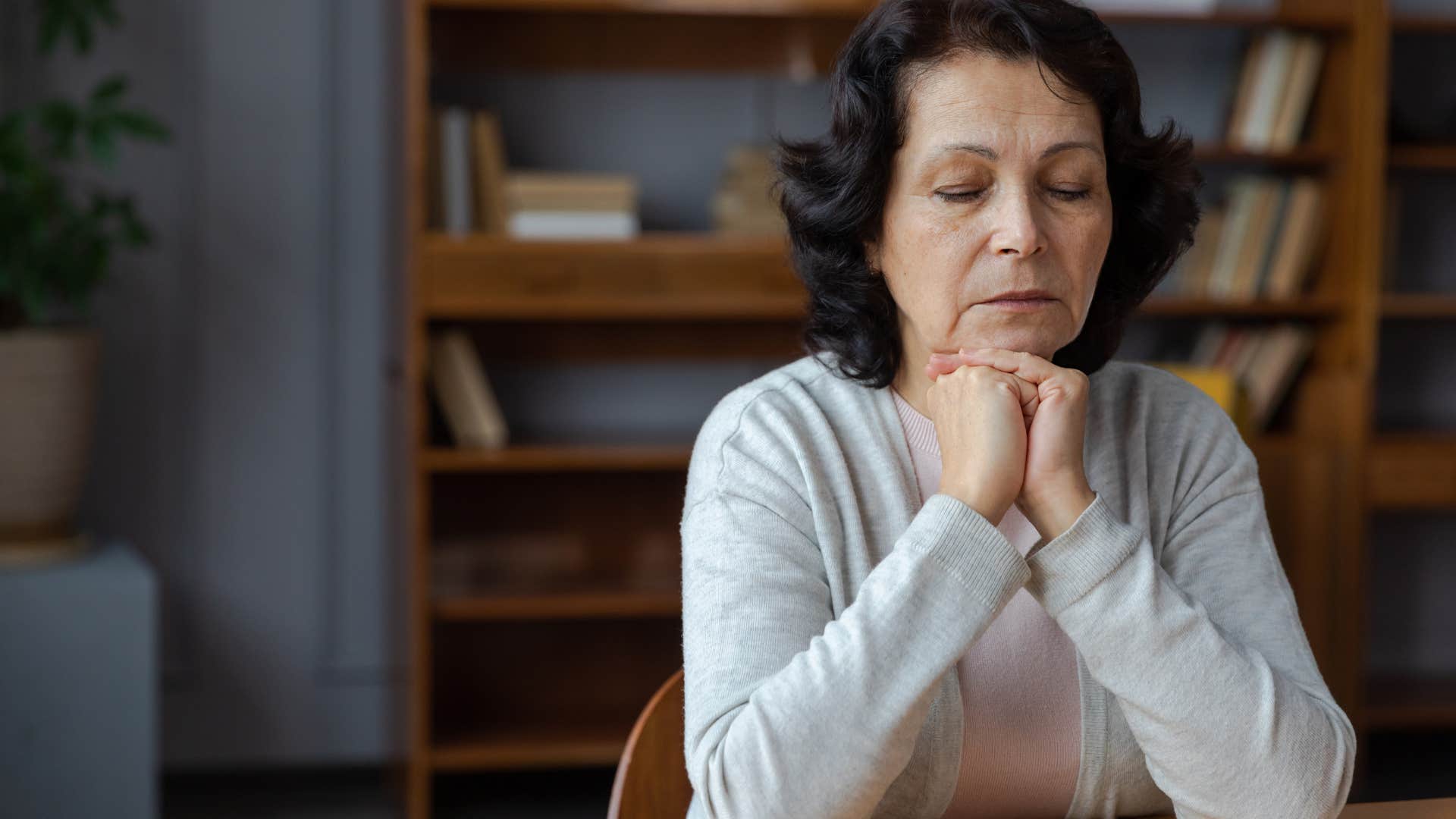
Especially for women, who are often held to societally unrealistic expectations as they get older for looking “younger” and fitting in a certain mold, the aging process can be uncomfortable and difficult. For people who actively push it away, it often leaves larger marks on their self-esteem, sparking mental health concerns and chronic loneliness.
Aging parents who are struggling with growing older also struggle with their mental health, according to a study from Gerontology and Geriatric Medicine. So, if your parents’ home seems too quiet, these signs of loneliness are starting to show.
Zayda Slabbekoorn is a senior editorial strategist with a bachelor’s degree in social relations & policy and gender studies who focuses on psychology, relationships, self-help, and human interest stories.
