
Kids Raised By Parents Who Broke 9 Old-Fashioned Rules Grow Up To Be Quality Human Beings
 Photo Editor: Sabrina James | Photo: Janko Ferlic from Pexels
My parents were rule-breakers by nature, even before they had me, and once they had kids, they had no interest in upholding any sort of guideline that they considered to be outdated and unsuitable — remember when Moms and Dads used to spank or force kids to finish their plates? — for their medium-sized brood.
Looking back now, as an adult who turned out pretty OK, I'm grateful they didn't just follow societal protocol just because. I'm glad I was raised by parents who broke rules for us that were honestly meant to be broken.
9 rules some parents broke growing up that turned their kids into quality human beings:
1. ‘Do as I say, not as I do’
 Dragana Gordic | Shutterstock
In order to raise good children, parents need to lead by example through both words and deeds. In the past, parents would often just bark instructions at them without explanations and expect them to follow them.
But kids are highly observant and learn best by observing parental behavior. According to the American College of Pediatrics, actions always speak louder than words, especially with children.
2. ‘Spare the rod, spoil the child’
 DimaBerlin | Shutterstock
This old-fashioned phrase in the parenting world conveys the idea that physical punishment is necessary for raising good children. While kids need to be disciplined and taught right from wrong, many modern-day parents reject the idea of using physical punishment, like spanking.
"Hitting children does not teach them right from wrong," said Professor Elizabeth Gershoff, PhD, an expert on the effects of corporal punishment on children, speaking to the American Psychological Association.
“Spanking gets their attention, but they have not internalized why they should do the right thing in the future. They may behave when the adult is there but do whatever they want at other times."
Today, many parents focus on positive reinforcement or nonviolent forms of discipline while raising their kids rather than physically lashing out at them when they get out of line.
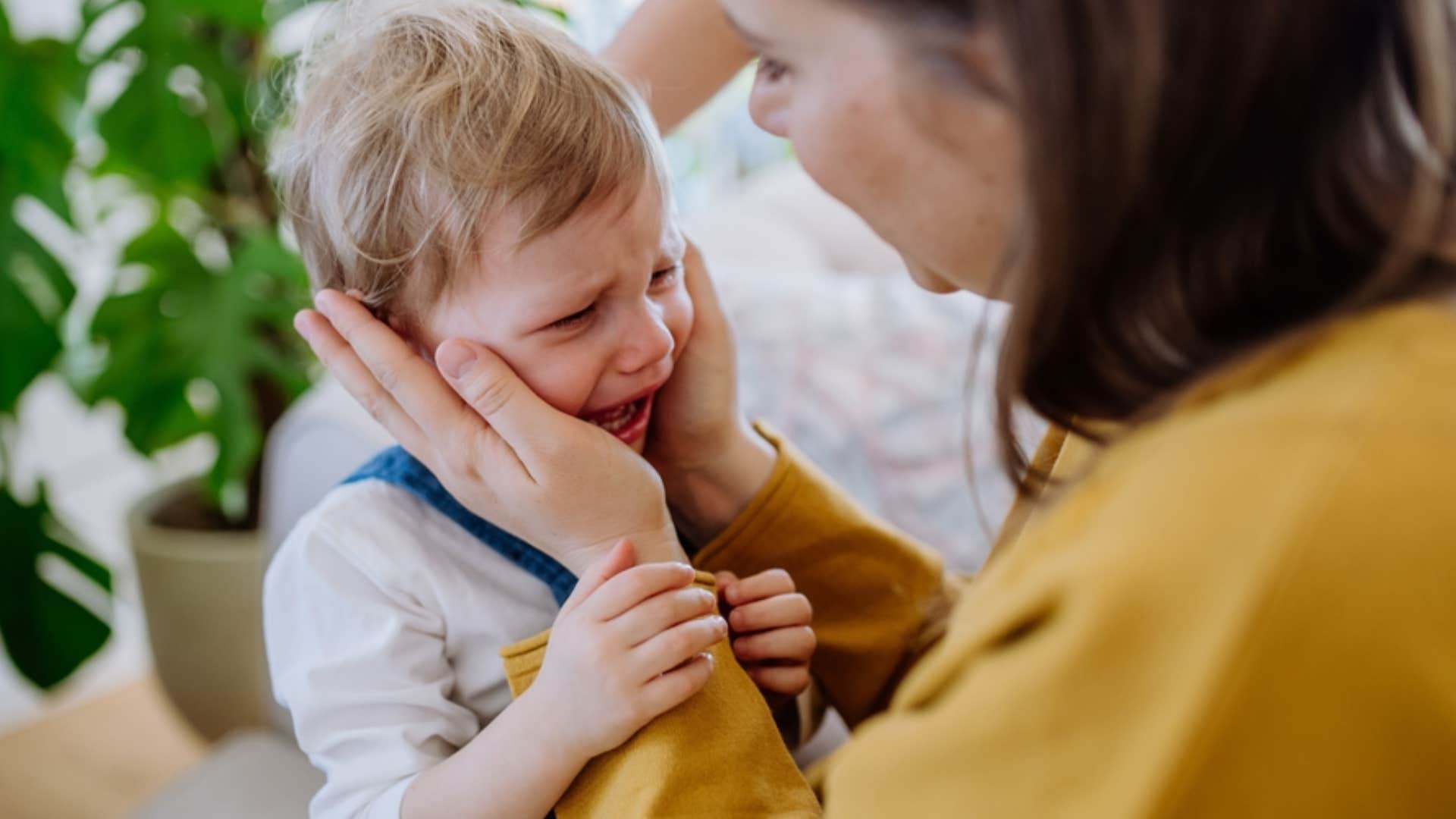
3. ‘Boys don’t cry’
 Halfpoint | Shutterstock
Good parents know that normal emotional releases, like crying, aren't limited to a particular gender. This old-fashioned rule only perpetuates harmful gender stereotypes and often promotes toxic masculinity.
Boys are well within their rights to cry when feeling overwhelmed or sad. They are just as human as their female siblings. According to the CDC, men make up 49% of the population but account for 80% of those who take their own lives.
Much of this is because many men grow up being told to “man up” and are often shamed for any emotional reactions they may have, forcing them to suffer in silence without seeking help.
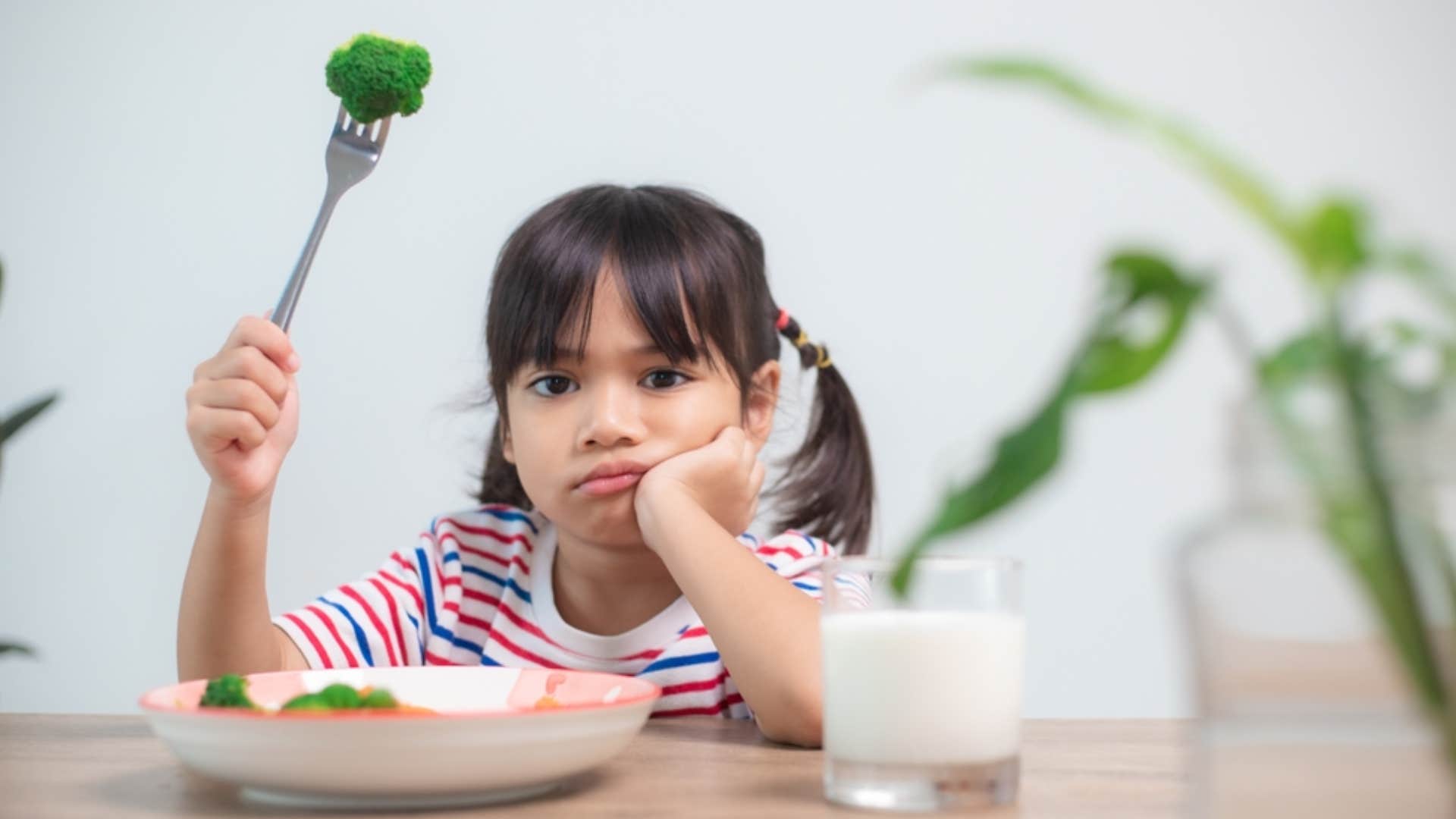
4. ‘Finish everything on your plate’
 FAMILY STOK | Shutterstock
Some of us grew up expecting to have to clear our entire plates at dinner in order to earn the right to leave the table. Even if we were full, our parents still made us eat everything on the plate. However, other parents understand that the clear-your-plate rule often does more harm than good.
“When kids are forced to finish their plate, they’re being taught to ignore their fullness cues and eat past the point of comfort," psychologist and eating disorder recovery coach Lara Zibarras shared with Parents.
Our appetites can vary daily, and forcing kids to eat when they’re not hungry interferes with their ability to self-regulate. Even if your parents made you eat all your veggies, they may not have required you to clear your plate, because they get that fullness isn't a feeling we can overcome just by eating even more.
5. ‘Because I said so’
 fizkes | Shutterstock
Children do better when they understand the reasoning behind their parents’ rules and decisions and can learn from them. Simply telling them, ‘Because I said so,’ shuts down the opportunity for them to understand the “why” behind the actions.
“Even when it may be uttered out of frustration or exasperation, the ‘Because I say so!’ response pushes us into the authoritarian parenting style,” mom of three Jennifer Poindexter shared on parenting guidance site, A Fine Parent.
“Not only does this fray our relationship with our kids, but it could result in our kids ending up being fearful and anxious, as well as poor communicators.”
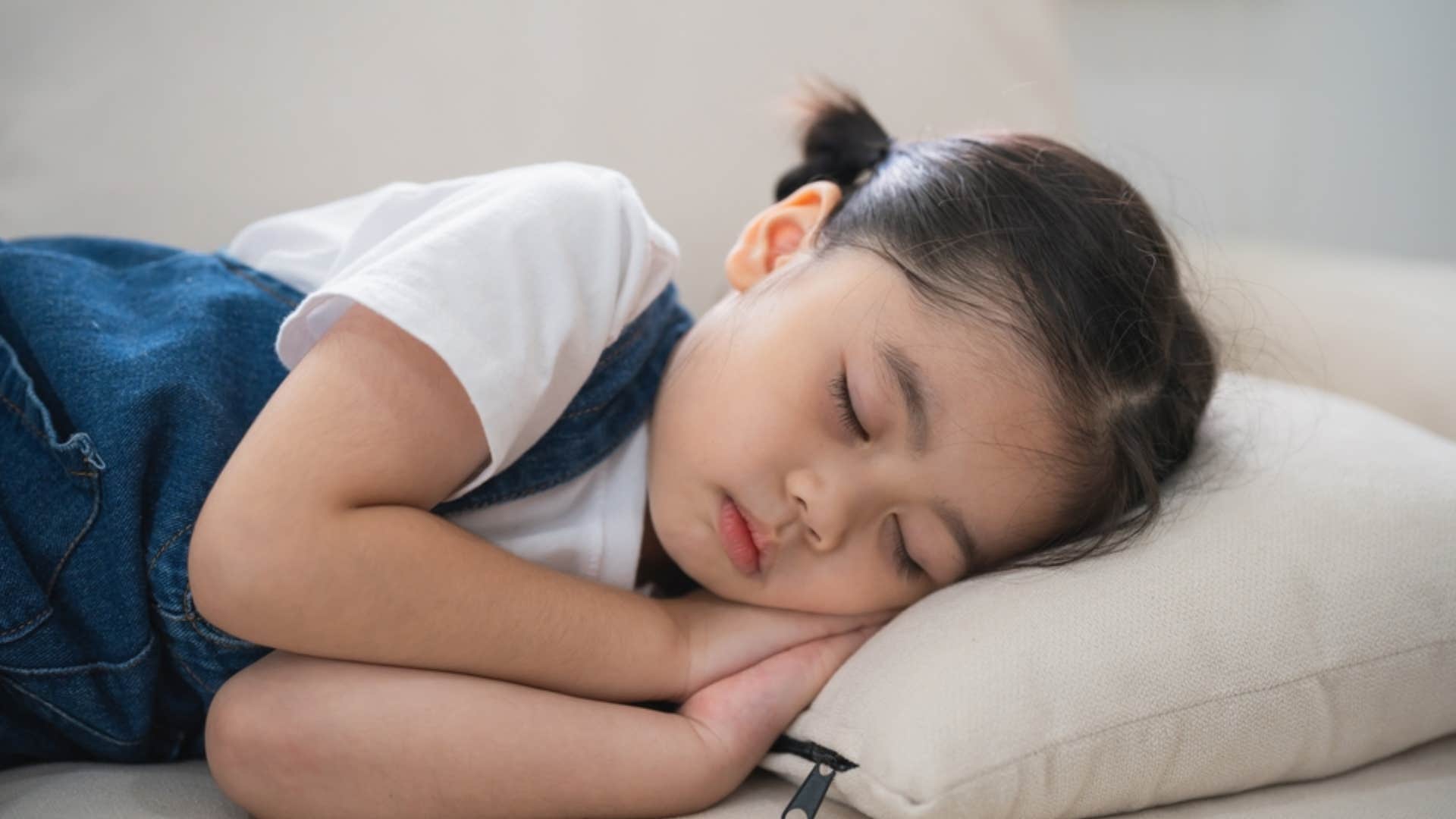
6. ‘Big kids don’t take naps’
 WPixz | Shutterstock
Even parents take naps occasionally, and there is nothing wrong with it. Research by Johns Hopkins University has found that even just a 30- to 45-minute nap can improve your attention and memory span.
Sometimes, our kids may have a restless night and fail to hit their sleep goal. This doesn’t mean they should have to suffer by forbidding them a nap. No matter how old kids are, sometimes they just need a few extra hours of rest during the day, and that's just fine and dandy.
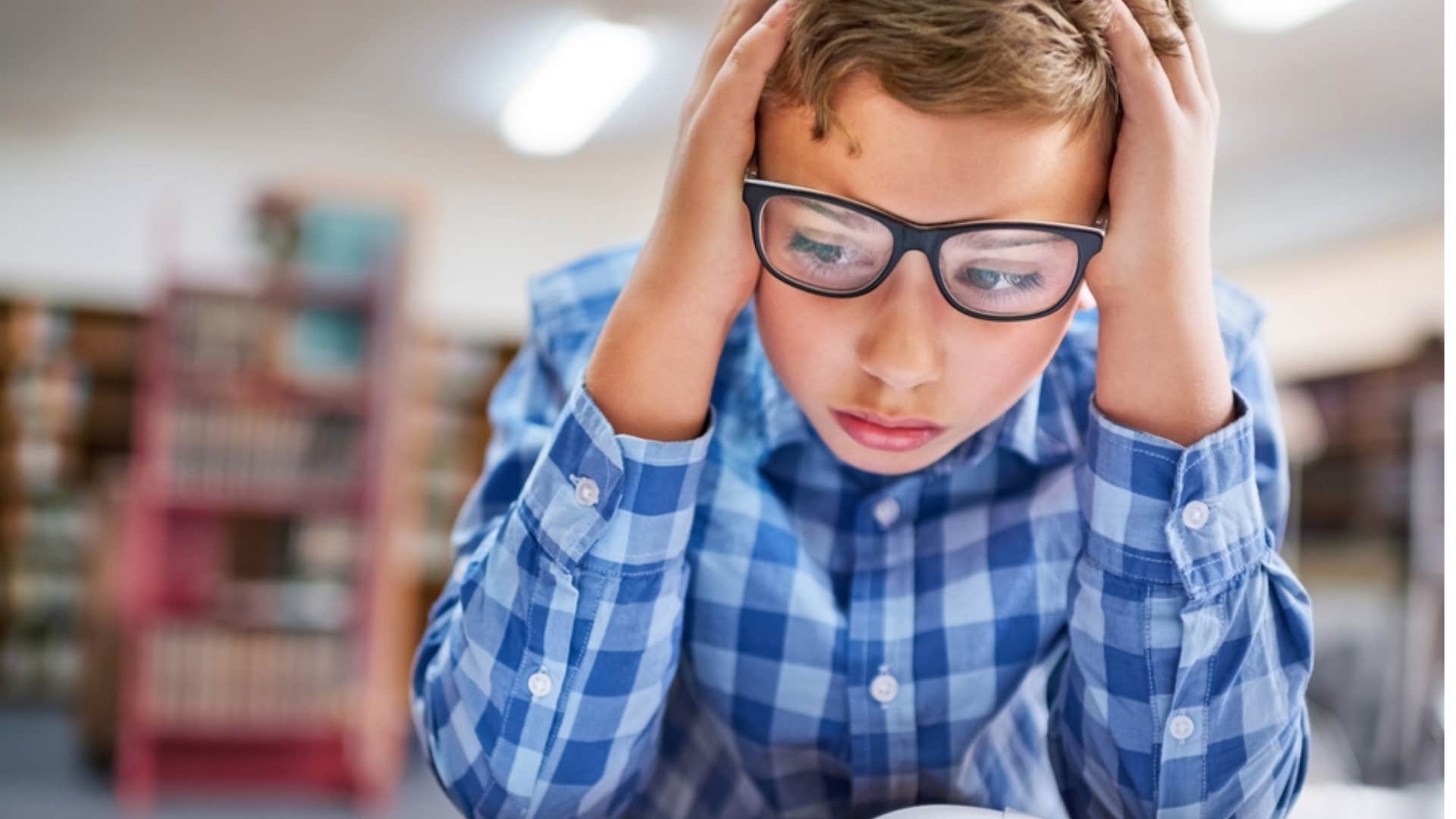
7. ‘If you fail, you’re grounded’
 PeopleImages.com - Yuri A | Shutterstock
Some of our parents may have used our academics to keep us in line. However, no matter how much they stayed on top of us and our schoolwork, it never seemed to click. We could spend hours in our rooms studying for a big test only to receive an F.
When children are punished for making mistakes or simply not understanding their schoolwork, they can develop a lifelong fear of taking risks and trying new things; the University of Cambridge found that harsh discipline leads to more mental health problems in kids.
Punishment also does nothing to address the root causes of failure, such as the fact that they may just need more help understanding the material and developing management skills..
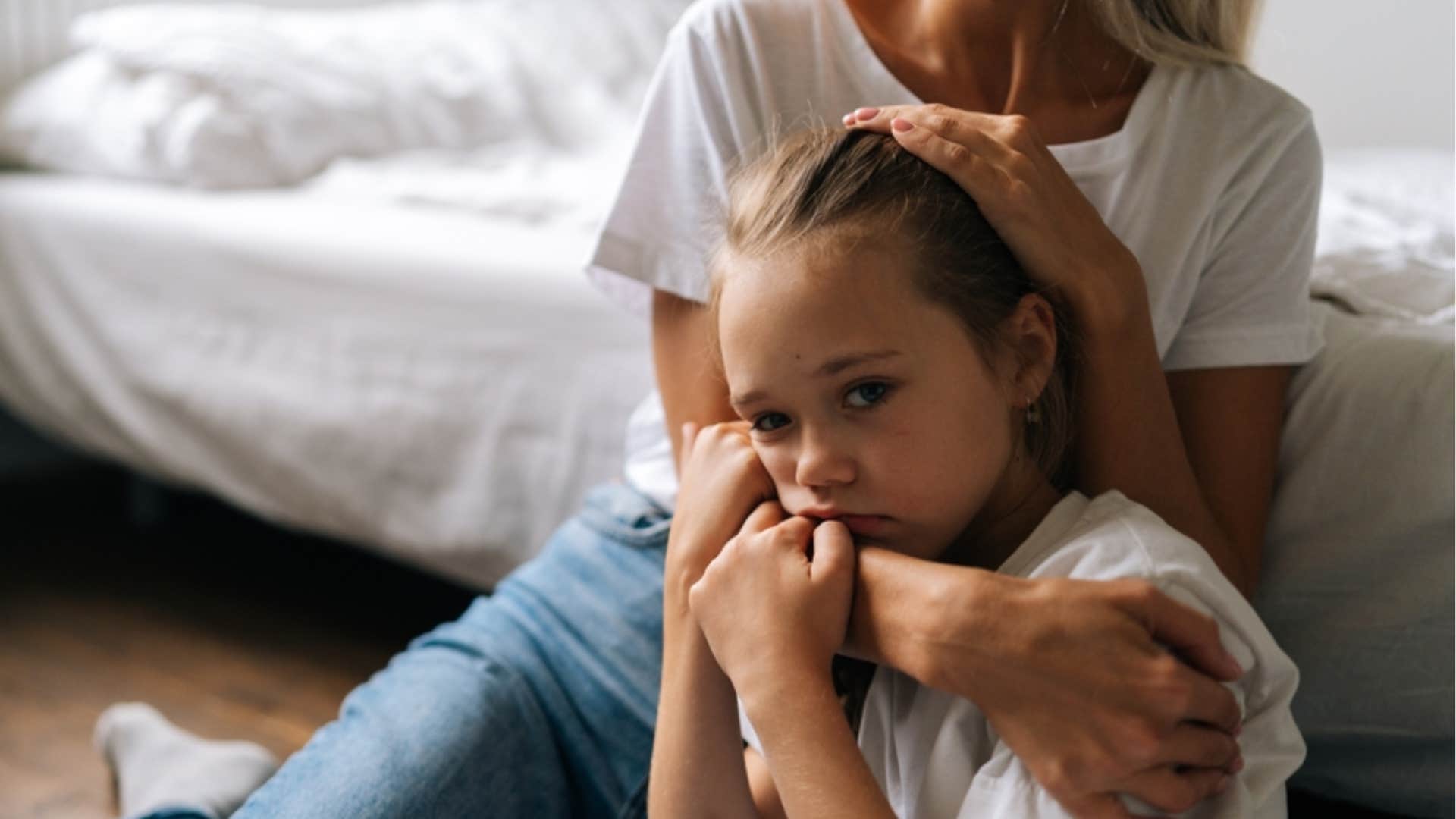
8. ‘Keep your feelings to yourself’
 Dikushin Dmitry | Shutterstock
While emotional repression was once a common parenting rule, many modern-day parents encourage their children to have all the feels. By healthily processing their emotions, children can understand more about themselves and develop better emotional intelligence.
Research by the Yale School of Medicine also found that children with strong social-emotional skills are more likely to succeed academically and socially, so there's really no downside to gettin' those big feelings out.
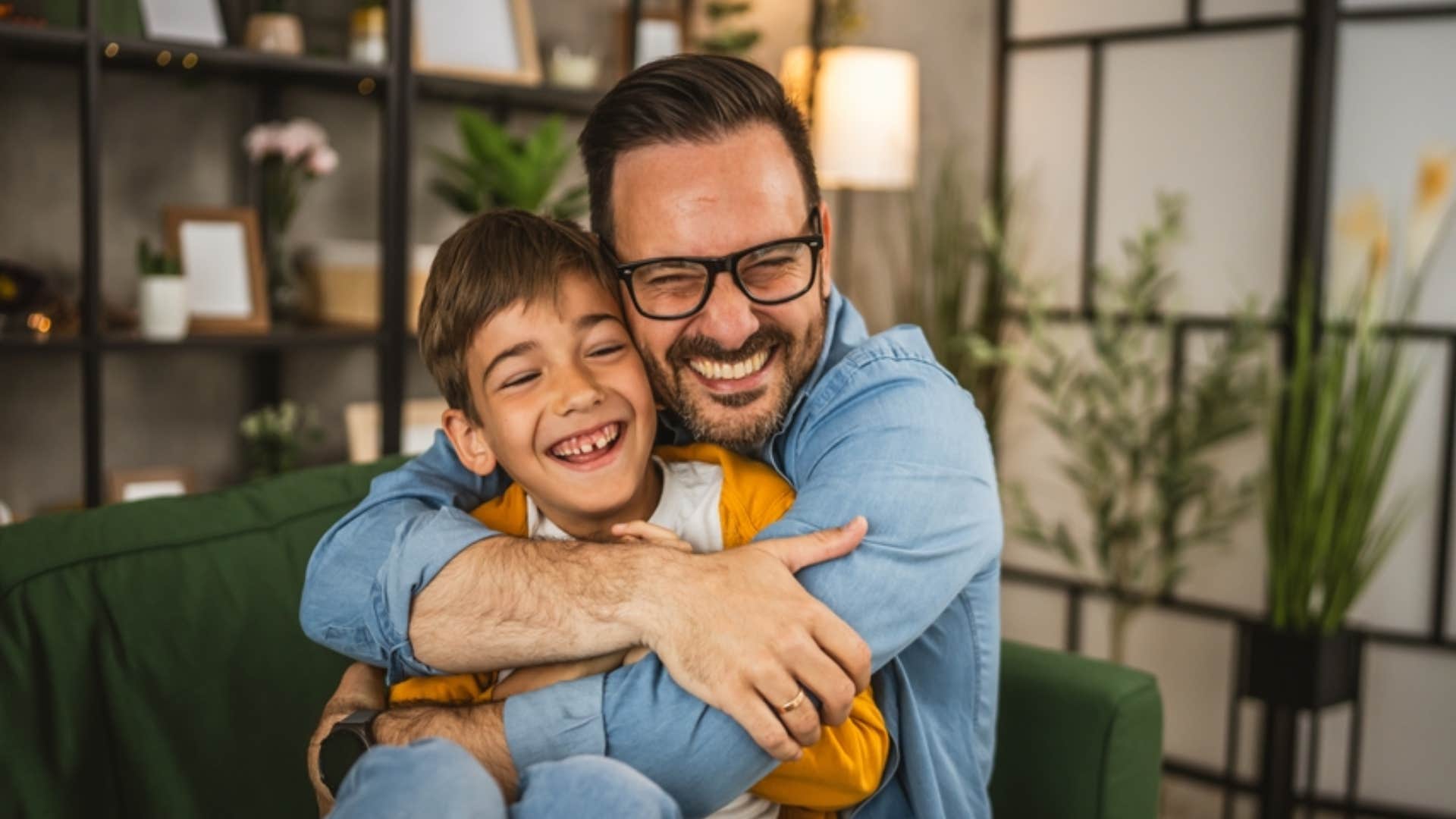
9. ‘Children should be seen and not heard’
 Miljan Zivkovic | Shutterstock
Some old-fashioned parents believe their children should not have any say in family decisions since they are ultimately in charge. Speaking up for themselves and expressing themselves in any way was a big no-no.
However, if your parents did a great job raising you, they likely valued your voice and allowed you the chance to be heard. Being seen and heard fosters trust and security, so it's a really good thing your parents broke this ridiculously outdated rule from basically the Victorian Era.
Megan Quinn is a writer with a bachelor's degree in English and a minor in Creative Writing. She covers lifestyle topics that focus on psychology, personal relationships, parenting, and the human experience.
