
Kids Raised By Parents Who Constantly Worried About Their Health Usually Develop 6 Behaviors As Adults
 kryzhov | Shutterstock
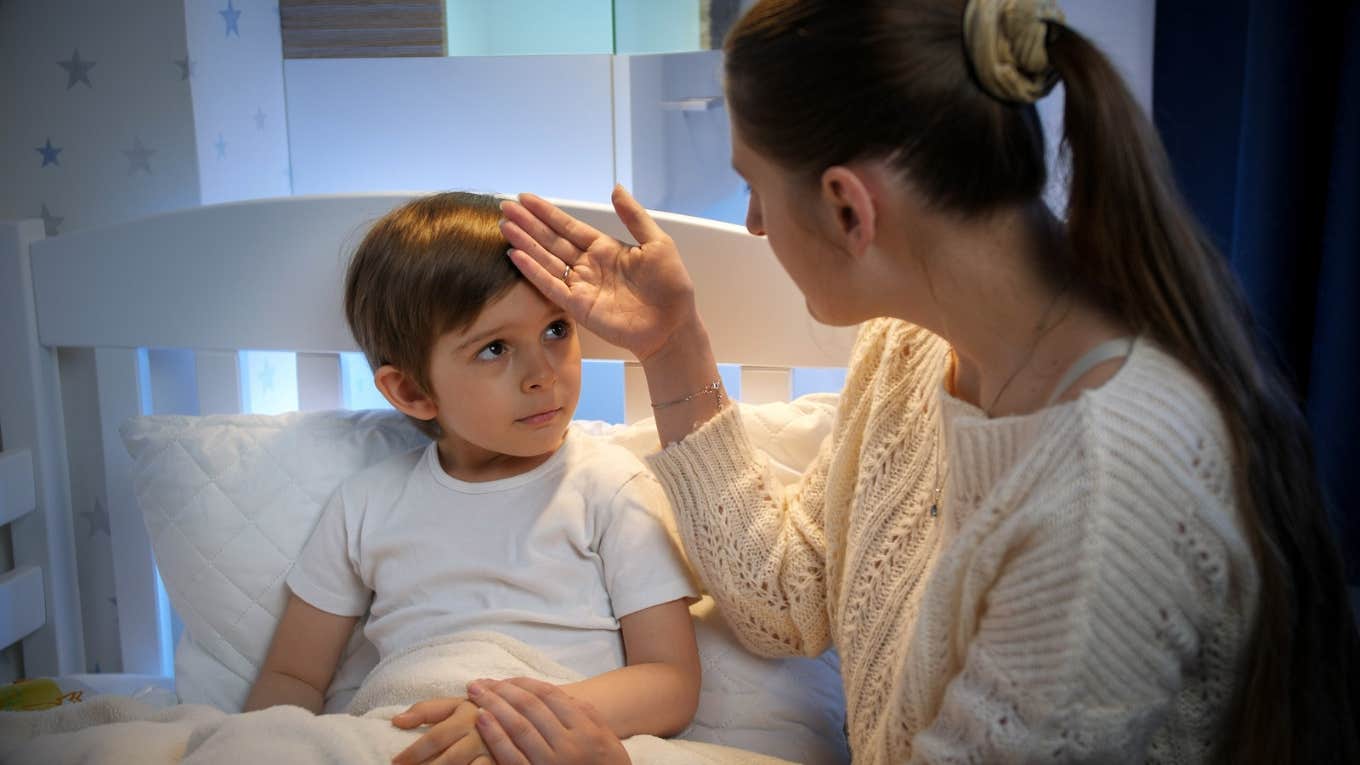
Some parents take worrying about their kids' health to the extreme. Every sniffle is the start of a serious illness, and that kind of fear can impact a kid and make them develop anxiety that follows them into adulthood.
Health anxiety is no joke. As these kids grow into adults, they may spend their time worrying about getting sick and constantly on edge about their bodies. Sometimes, the opposite extreme happens, making them avoid doctor visits at all costs.
The habits of kids who were raised by anxious parents who were usually stressed about their health:
1. They go to the doctor often and assume the worst
 SeventyFour | Shutterstock
If someone’s parents constantly took them to the doctor, they might carry that habit into adulthood. It’s not always a bad thing. It’s good to be on top of your health. But assuming the worst when there's no reason to can become a problem.
UCLA Health reports that people with health anxiety might reach out to their doctor often. Even when nothing is wrong, they’re still on edge about their well-being. The anxiety can slowly eat away at them and make them think their only option is to make an appointment or visit the local ER for reassurance.
2. Catching a simple cold can make them spiral
I’ll be honest here. I occasionally act this way. My immune system is garbage, and when I get sick, I get SICK. I’ll be down for the count for at least 5 days, which interferes with my entire life. I can relate to where someone like this is coming from. No one wants to be sick, but worrying too much about it can be harmful.
This can be a sign of Illness Anxiety Disorder. They think they are always on the brink of getting seriously sick. This is likely caused by their parents, who were constantly in their ear, telling them how worried they were about them. A 2023 academic report on the subject noted that even if they are given a clear bill of health, this anxiety still lingers.
3. They seek reassurance that everything is going to be okay
 Josep Suria | Shutterstock
People who live on edge about their health often seek reassurance to ease their mind when something feels off. This means they seek comfort from anyone willing to give it. Psychologists warn that while it’s soothing in the moment, it doesn’t fix the problem in the long run.
“No matter how many loved ones or doctors you talk to, no matter how many physical exams and tests you have done, there is no way to be 100 percent certain that you don’t have a health issue,” says Britney Chesworth, PhD, LCSW for Psychology Today. “After all, it is possible that a medical test isn’t accurate or that a doctor could miss something. Even though this is highly improbable, that sliver of possibility is enough to make you feel anxious.”
4. They think that caring about someone looks like worrying
Worrying isn’t the same thing as caring for someone. That line can blur when someone was raised by parents who showed their love through concern.
Of course, when you care about someone, you may worry when things get tough, but constant concern isn’t good for anyone. It becomes overwhelming for the person on the receiving end. They know you mean well, but it’s not always welcome. It can leave them with anxiety.
It can also lead to unhealthy relationships with others. If they think the only way to show love is through worry, they will doubt if they are loved if their partner doesn't constantly worry about them.
5. They often feel it's their job to manage everyone’s stress
Kids with parents who were constantly worried about their health were sometimes forced to be caregivers to their parents. This is often described as emotional parentification. They believed they needed to provide the support and emotional care for their parents, when they should have been the ones getting it. This can follow them when they grow and start thinking they need to be everyone’s savior.
“Emotionally parentified kids learn that it is their job to grow up fast and swallow their own emotional and developmental needs to keep the peace at home and manage their parents. These kids may get ‘so mature for their age’ or ‘so low maintenance,’” explained Sarah Epstein, LMFT. “While meant as a compliment, these phrases simply describe children who were asked to bypass their own developmentally appropriate role of child to become a little grown-up. And those roles take a toll.”
6. They tend to avoid their health altogether
 Impact Photography | Shutterstock
Constantly going to the doctor or being over-diagnosed by their parents can cause trauma. According to the UCSF Wellness Institute of Neuroscience, parents play a major role in how children handle themselves in adulthood. If their trauma was tied to constant visits to the hospital, they may avoid their health entirely.
I was not raised by parents with health anxiety, but I was once a healthcare denier. I also found a way to convince myself that everything would be fine. That all caught up to me eventually and ended in having two surgeries in one year. Working through the trauma to rid yourself of anxiety is the best move here because you may be harming yourself in the long run.
Haley Van Horn is a freelance writer with a master’s degree in Humanities living in Los Angeles. Her focus includes entertainment and lifestyle stories.
