
Kids Raised By Parents Who Expected Total Perfection Often Say 1o Things To Hide Their True Feelings
 NDAB Creativity | Shutterstock
 Navigating early adulthood isn't easy for anyone. Coping with financial insecurity and finding their life's purpose is no easy feat and it's no surprise they often experience anxiety.
It helps to confide in people you trust. However, many adult children, stuck in cycles of people-pleasing behavior and fear of reprimand, avoid their emotions and hide their issues from their loved ones, rather than opening up. When you're raised in a culture of perfection, you're more likely to say these things than tell the truth.
Kids raised by parents who expected total perfection often say these things to hide their true feelings:
1. 'I'm just really tired'
 Gladskikh Tatiana | Shutterstock
Oftentimes, the physical symptoms of depression and emotional turmoil that pop up in our daily lives show up in physical symptoms like fatigue and exhaustion (among others). When an adult child who was raised by perfectionists says "I'm just really tired" to justify these symptoms, especially if it becomes a pattern.
Saying this can help quiet their high-standards parents, especially when they add that they've been working super hard at the office, or something else their parents would approve of.
In some cases, chronic stress and emotional struggles can lead to a loss of sleep or a worsening of sleep quality, so it's not always that adult children are trying to be deceitful of their mental health struggles. Often, saying they're really tired is the most honest answer they have.
2. 'I'll figure it out'
 Gladskikh Tatiana | Shutterstock
It's common for people who were raised to be perfectionists to undermine their own needs and struggles for the sake of their family's comfort, even as adults. This is especially true for adult children that have a sense of hyper-independence or fear of disappointing their parents.
Even when they need emotional support and a shoulder to cry on, they'd prefer to use a phrase like "I've got it" or "I'll figure it out" to relieve their parents or siblings from taking on any kind of emotional burden.
Of course, their needs aren't emotional burdens, whether they make parents uncomfortable or not. Everyone deserves to have a safe space in their relationships to be vulnerable and open, no matter what's going on in their lives.
3. 'I've been busy'
 pixelheadphoto digitalskillet | Shutterstock
While it's often healthy for people to take space from their parents as young adults with a changing routine and interests that don't involve their parents, when a grown kid says they've been busy to excuse staying away, sometimes it's something more. It can also be one of the unsuspecting signs an adult child is deeply unhappy, but doesn't want their parents to know.
If they hit the point of being unable to people-please or hide their true emotional struggle, they avoid hanging out with their parents or even responding to calls. Even though many adult children view these avoidant behaviors as a way to protect their own comfort and their family's well-being, they only further isolate them from the support they may need to feel better.
At this point, it can be very helpful for parents to share that they'd love to see their kids, even if things aren't going well. If they suspect they may have been a little harsh on their kids, it can be a good time to acknowledge this.
4. 'It's not a big deal'
 kryzhov | Shutterstock
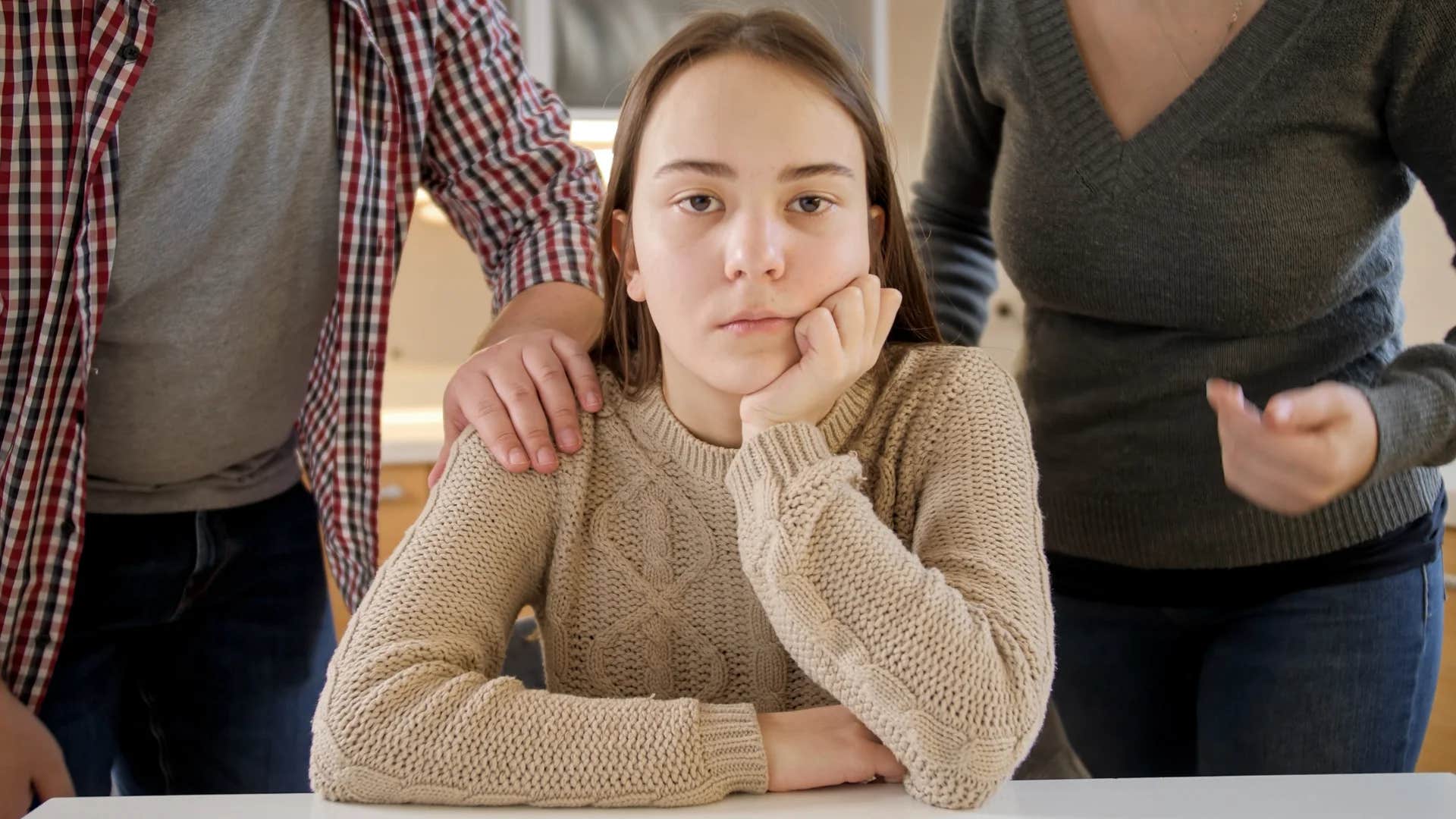
Often, the first signs of mental health concerns and emotional distress are subtle, like small behavioral changes, fatigue, or a higher interest in solitude. When they were raised to be perfectionists, they'll often use a phrase like "it's not a big deal" to dismiss them.
Still, they shouldn't minimize their own concerns and struggles. In tumultuous times, it's important to find support with your loved ones. Yes, it can feel like a risk when your parents were hard on you as a kid, but connection helps people heal.
Parents, if your kids keep saying this when you bring up a concern, it's likely up to you to make the first step to make sure your kids don't feel alone.
5. 'I don't want to talk about it'
 Chay_Tee | Shutterstock
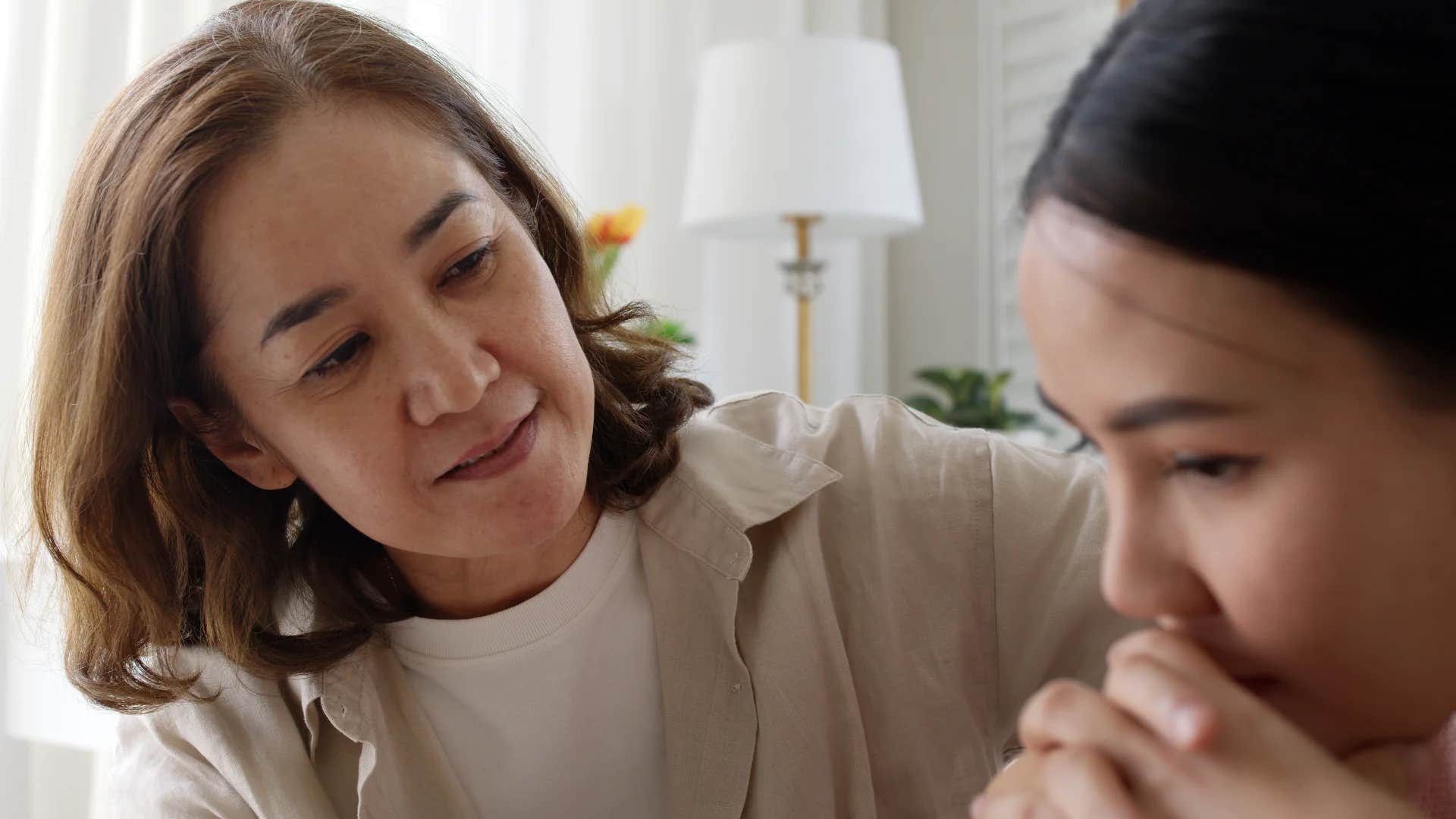
Many adult children who hide their mental health concerns and struggles from their parents are worried about the repercussions. Whether it's a mental health stigma rooted in their childhood or a recognition of their parents' struggles, shrugging off their feelings and needs is almost never a good thing to do.
It's essentially an emotional wall that protects them from needing to get vulnerable and overlook the facade they might have crafted in their family relationships in adulthood. For some, it's simply driven by internalized shame, they don't want their parents to know they're struggling, because they're seeking approval or trying to live up to their parents' expectations.
For others, it's a fear of what their parents will think of them if they're not totally successful in one area of life. That's why parents who feel cut off from their grown kids often have to take be clear that they're around to listen without judgment.
6. 'I've had a lot going on right now'
 fizkes | Shutterstock
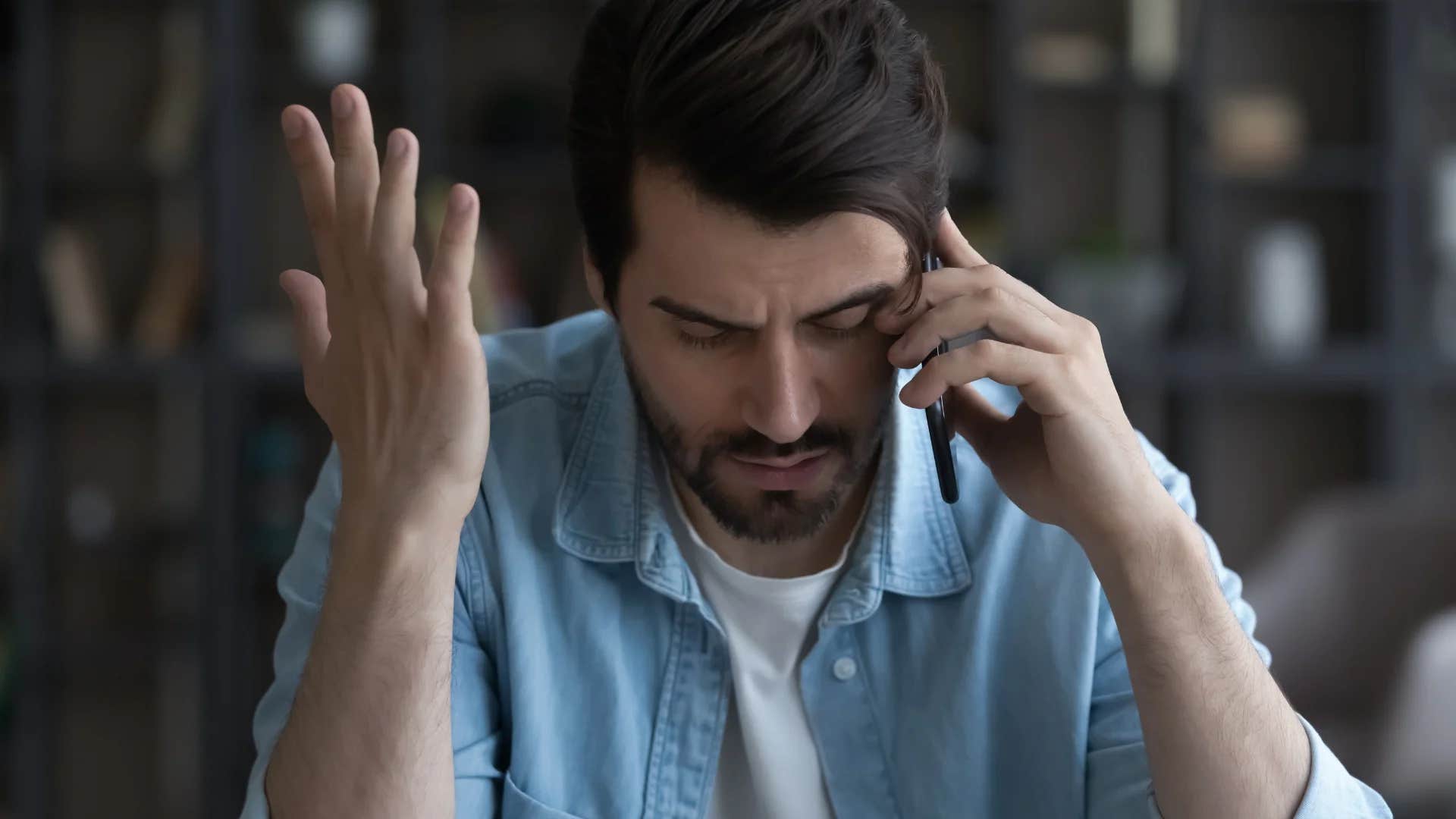
When you don't want your parents to know you're going through a lot, it's tempting to shift the focus of conversations. Yes, even if it subtly dismisses and invalidates your experiences, it's tempting to just brush off what you're going through. Sometimes people even lie and say a lot is going on when it's really just that they're feeling emotionally cruddy.
It's not uncommon for people to adopt unhealthy coping mechanisms and vices to get through tough times. It's a terrible idea, but it's common when they feel they can't turn to their parents for support.
If your grown kid is using phrases like this to dodge questions and concerns about their habits, it's time to get real and show up with compassion to be of support.
7. 'You have bigger things to worry about'
 Prostock-studio | Shutterstock
While people-pleasers tend to be seen as highly empathetic and helpful, the behavior can quickly spiral into a toxic coping mechanism that sparks low self-esteem and emotional turmoil. This can be especially true for adult children, who try to protect their parents' well-being and emotions above their own.
These behaviors can subtly spark resentment and disconnection, even if it's entirely subconscious. And thats the last thing people do not need when they're going through something tough.
Even if it seems like the right thing to do, hiding your struggles to try to protect your parents, it's only reinforcing a toxic belief that your needs and emotions are a burden to others. Even if it's a hard conversation to have, seeking support can never be an inherently bad thing, especially from the people that love you.
And parents? You need to make sure you're a safe place for your kids to share your feelings.
8. 'I'm used to it'
 MAYA LAB | Shutterstock
A large portion of people rely on unhealthy coping mechanisms when they're stressed or struggling. This doesn't always mean turning to substances, sometimes it means leaning into toxic relationships or distracting themselves with screen-time and technology.
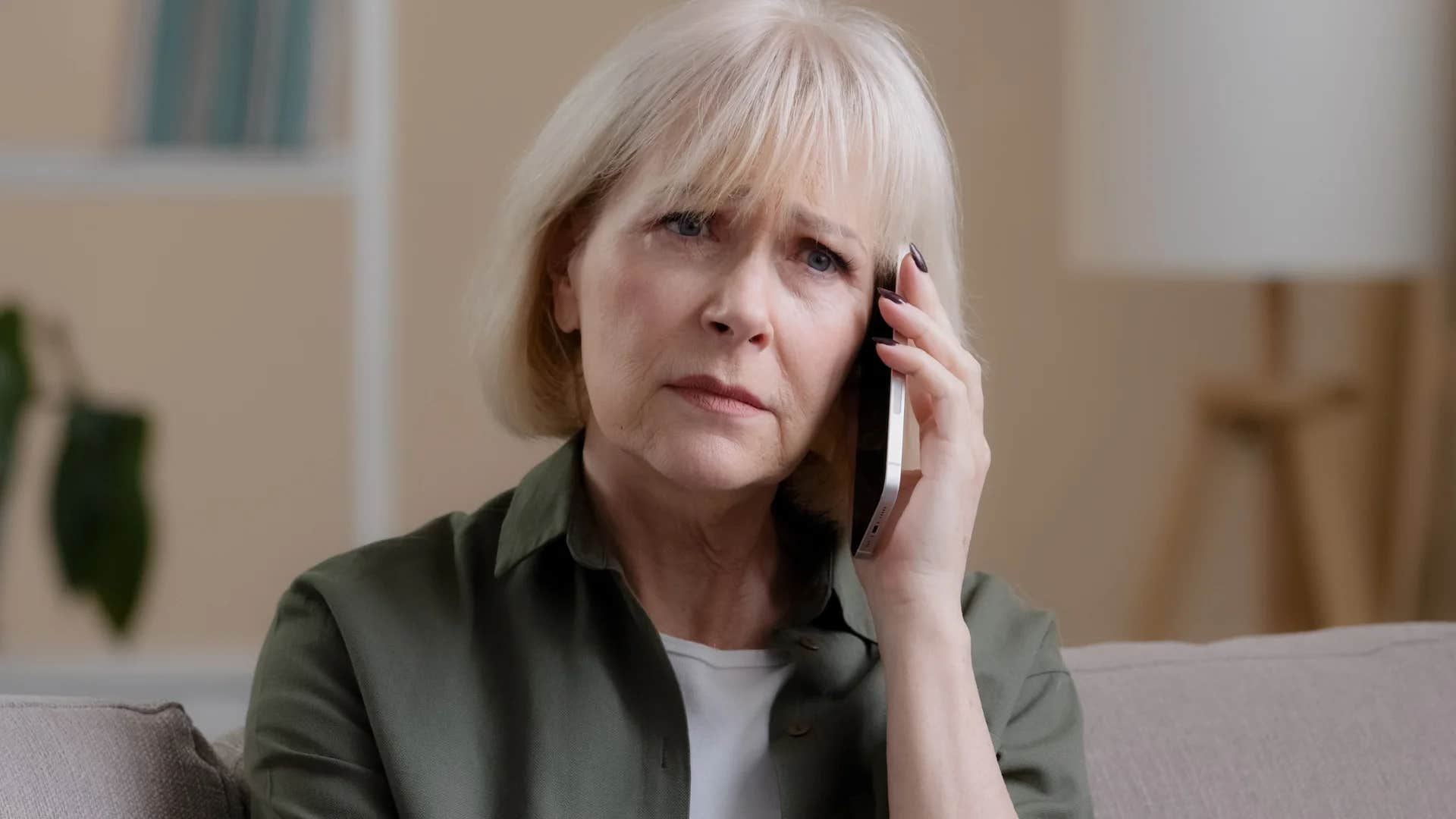
These coping mechanisms and the ritual of seeking comfort and instant gratification can become a routine, urging people to defend their habits in the face of concern and grow angry when people try to support change. Phrases like "I'm used to it" or "whatever" are dismissive ways for adult children to avoid getting to the root of their problems.
They'd prefer to protect not only their family from the complex emotions and struggles they perceive to be burdens. It's also likely that they also see themselves as protecting themselves from facing their perfectionistic parent's disappointment.
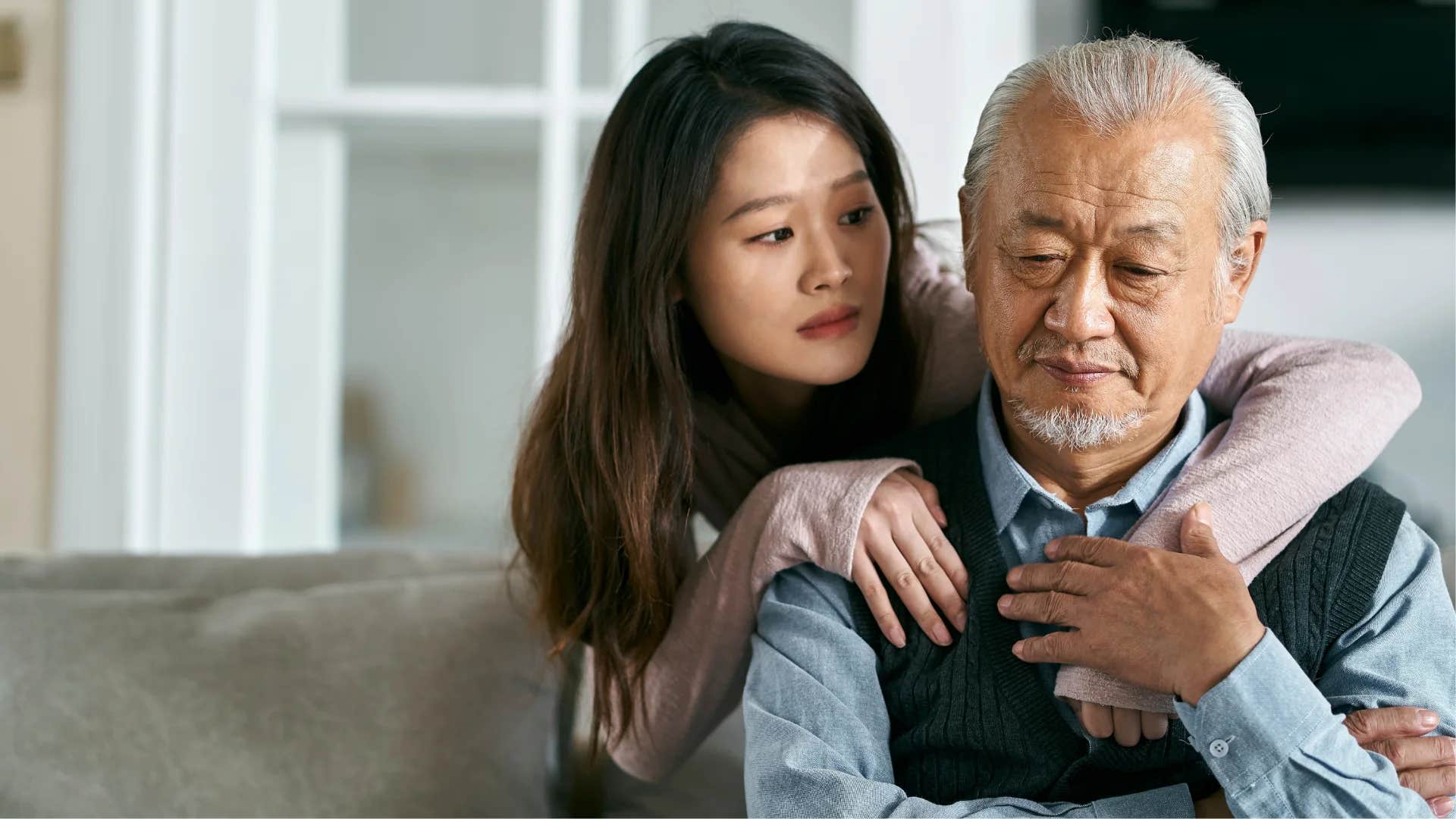
9. 'I don't want to bring down the mood'
 imtmphoto | Shutterstock
People-pleasing behaviors can manifest in a number of ways, especially in family dynamics where kids have been parentified. Sometimes, kids are subconsciously taught to protect their parents' comfort and the peace in their households from a very young age.
Adult children may use a phrase like "I don't want to bring down the mood" to avoid talking about their own emotions, but they're also concerned with keeping the peace. They don't want to make other people feel uncomfortable, so they'd prefer to suppress their uncomfortable emotions and avoid them as a self-preserving and people-pleasing mechanism.
10. 'I don't know what you're talking about, I'm fine'
 Aloha Hawaii | Shutterstock
Many people who are dealing with mental health concerns, but who are afraid to ask for help or seek support, are spending most of their emotional energy suppressing their feelings. Sometimes that means avoiding their complex emotions or hiding from vulnerability in their relationships. Often, they'll just deny it's a problem.
Even when they truly need help and support, they'd prefer to put on a brave face, avoid vulnerability, and people-please their way into solitude. Sometimes they don't even know they're doing it. After all, it's a habit that kids whose parents expected perfection developed early on.
While there are a number of reasons why an adult child may do this, it can be one of the subtle signs of their struggles. Parents whose grown kids are doing this, it's time to pay attention and figure out what to do next.
