
People Who Still Keep These 11 Childhood Items Are More Sentimental Than An Average Person
 AJR_photo / Shutterstock
 Most people assume they’re practical about the past. They grow up, declutter, and tell themselves that memories live in the mind, not in objects. And yet, certain childhood items quietly survive every move, every closet clean-out, and every attempt to be more minimal. They remain tucked into drawers, boxes, or shelves because letting them go feels strangely wrong.
Sentimental objects often function as identity anchors. They hold emotional snapshots of who we were and who we’ve become. Keeping them doesn’t necessarily mean you’re stuck in the past. More often, it means you understand the value of continuity. If you still have these things somewhere in your home, you might be more emotionally reflective than you give yourself credit for.
These are 11 childhood items sentimental people tend to hold onto
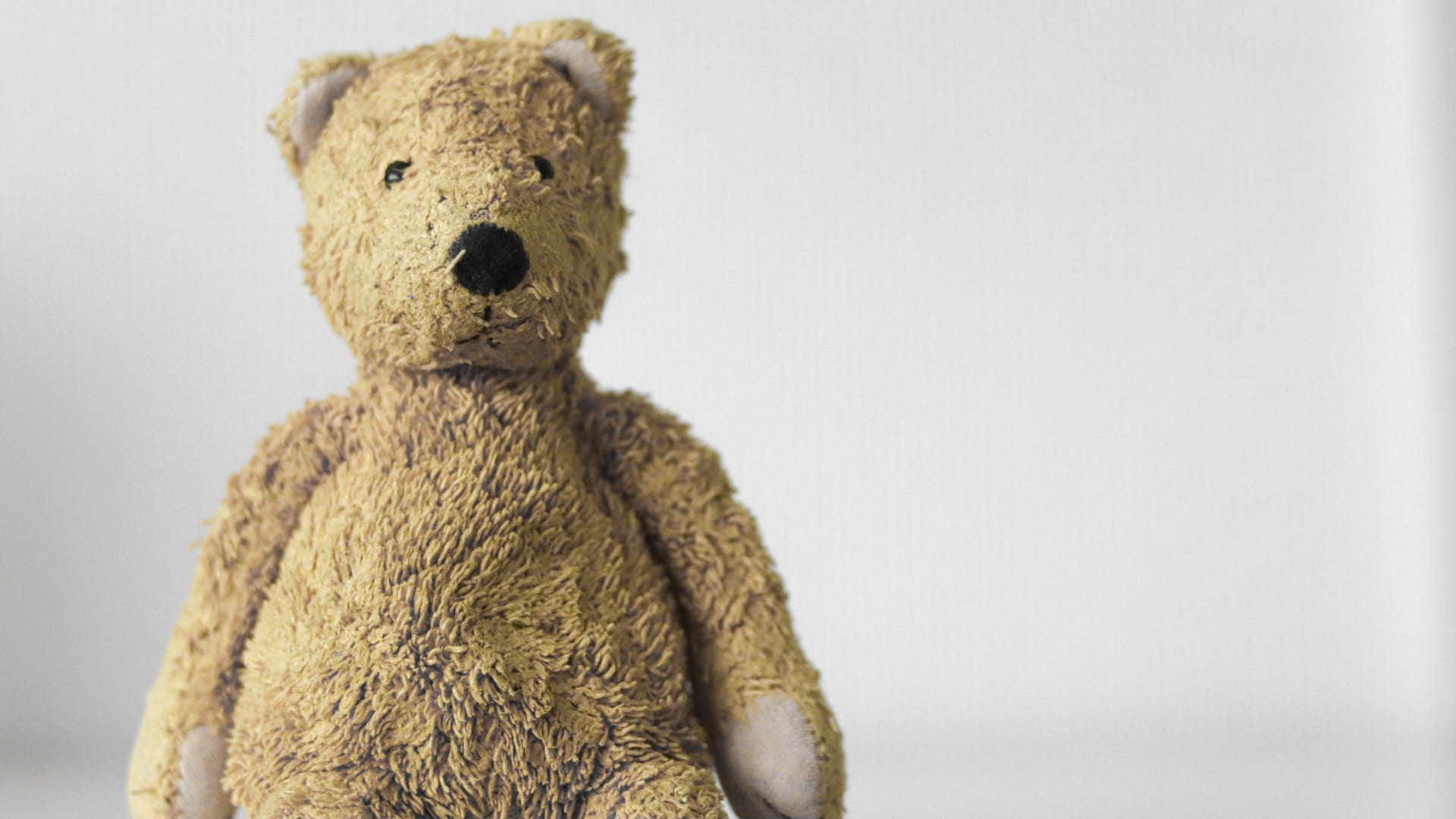
1. Your favorite childhood stuffed animal
 Freya Beckett / Shutterstock
It may be faded, flattened, or missing an eye, but you still can’t throw it away. That attachment isn’t about the toy itself. Transitional items often represent safety and early comfort.
Even years later, they hold a sensory memory of protection. When you see it, something in your body relaxes slightly. It reminds you of a time when someone else handled the hard parts. Letting it go can feel like discarding a version of yourself. Keeping it reflects emotional continuity. Sentimental people value emotional history, not just physical condition.
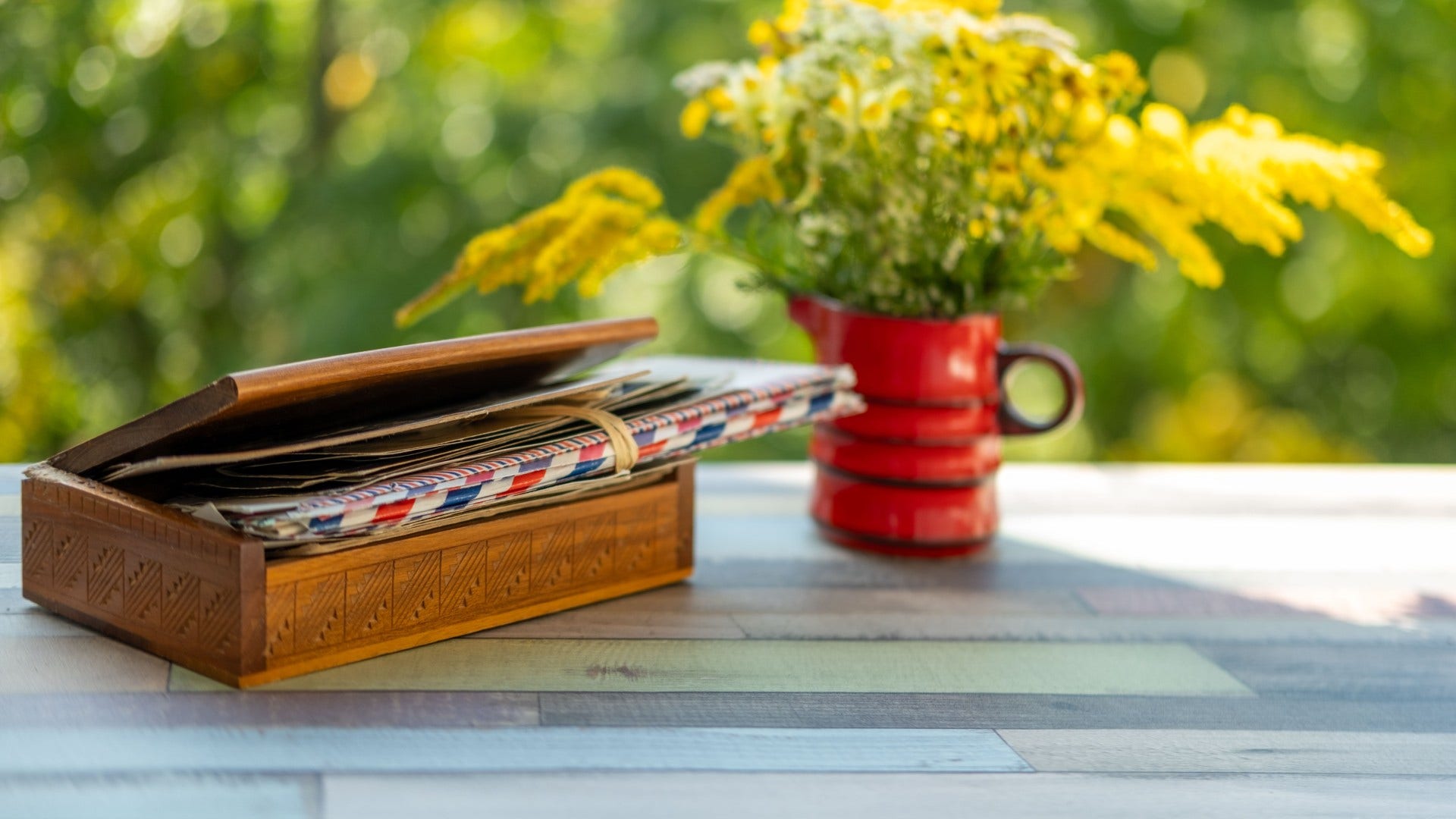
2. Old handwritten letters from friends
 Kittyfly / Shutterstock
In the age of digital communication, handwritten notes feel almost sacred. If you still have folded letters from childhood friends, you likely value tangible proof of connection. Physical artifacts strengthen relational memory more than digital ones.
Ink on paper captures tone, personality, and effort. Rereading those notes transports you instantly. You remember who you were when you received them. The paper may be fragile, but the meaning feels intact. Holding onto them reflects appreciation for emotional permanence.
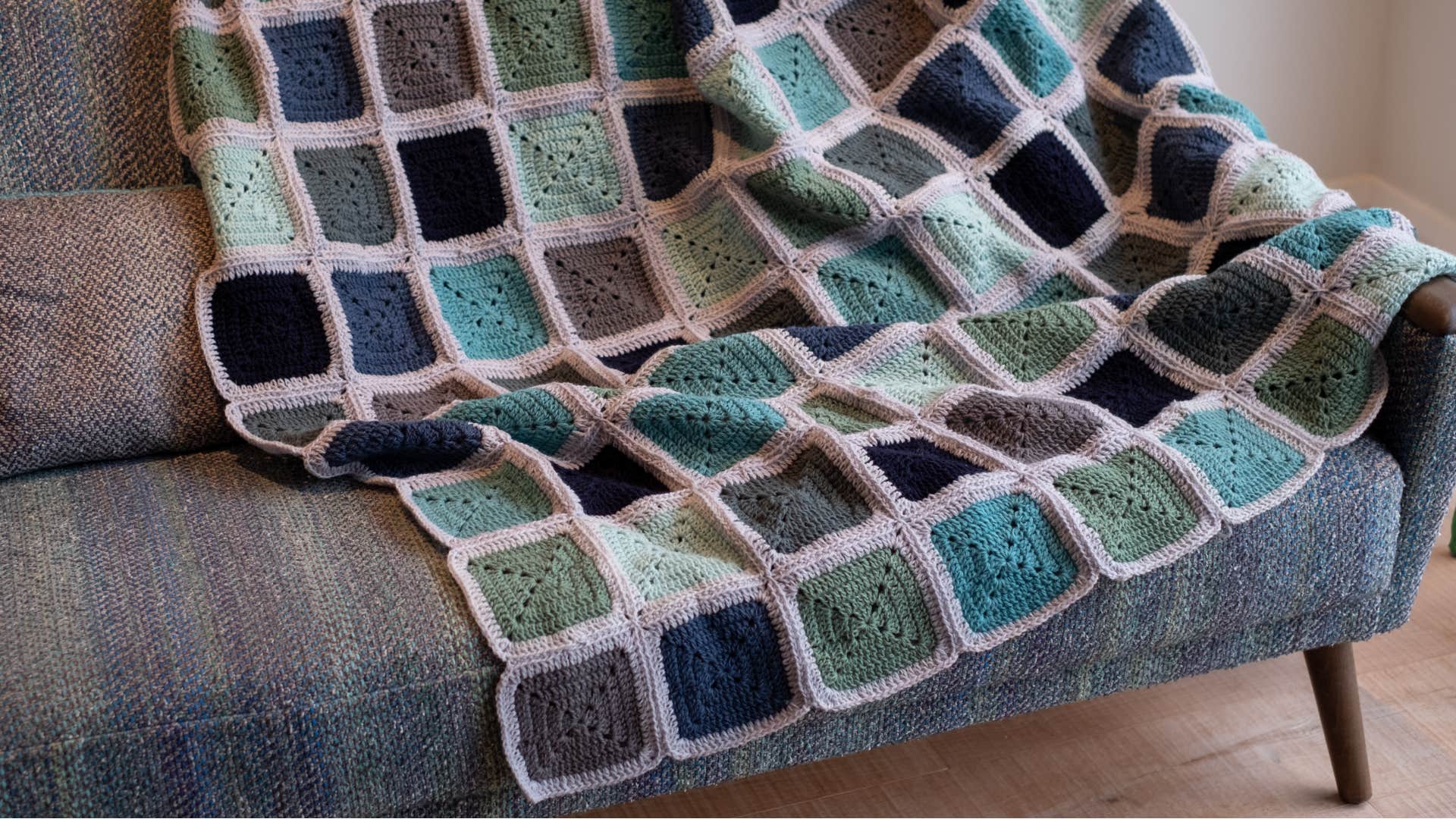
3. A childhood blanket
 Lois GoBe / Shutterstock
Even if it’s long past its functional life, you might still have it stored somewhere. Blankets carry sensory memory. Texture and scent imprint deeply in early development. Sensory cues can trigger powerful emotional recall.
Keeping that blanket often signals a deep connection to comfort and security. It represents safety in physical form. You don’t need it nightly. You just need to know it exists. That quiet reassurance reveals emotional depth.
4. Old trophies or medals
 AxelRudi / Shutterstock
You may not display them prominently, but you haven’t thrown them away either. They represent effort, not just achievement. Childhood accomplishments help shape identity narratives.
Those objects anchor memories of growth and persistence. They remind you of a time when effort felt pure. Keeping them doesn’t mean you’re stuck reliving glory days. It often means you value the journey that shaped you. Sentimental people preserve markers of becoming.
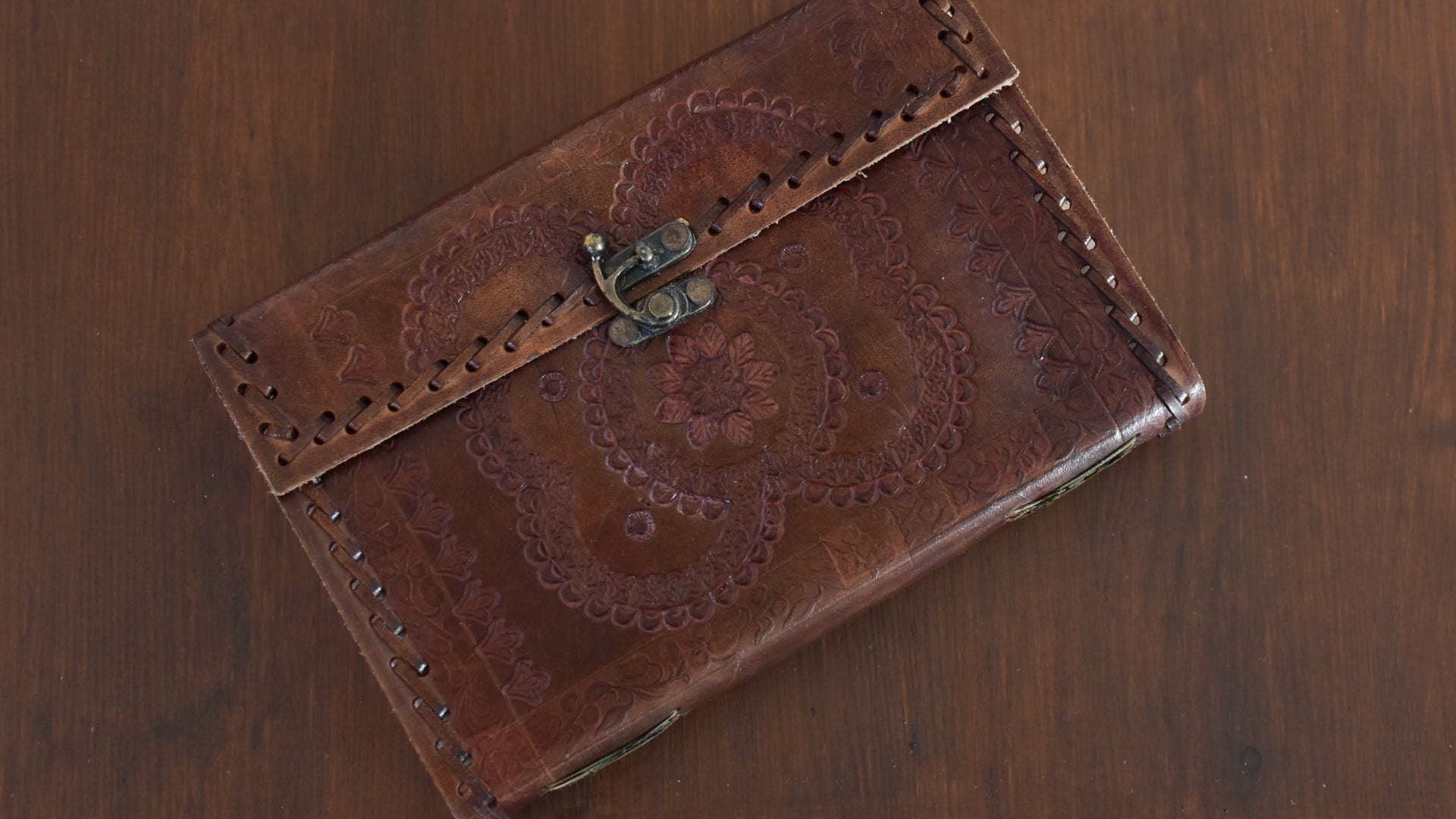
5. Your first diary or journal
 Pommer Irina / Shutterstock
Even if you’d cringe reading it now, you can’t bring yourself to discard it. Diaries capture unfiltered versions of the self. Early self-expression plays a key role in adult self-understanding. That journal represents raw authenticity. It documents who you were before you learned to curate yourself.
Holding onto it acknowledges your evolution. You may never reread it fully. Still, knowing it’s there preserves continuity. Sentimental people honor their younger selves rather than erase them.
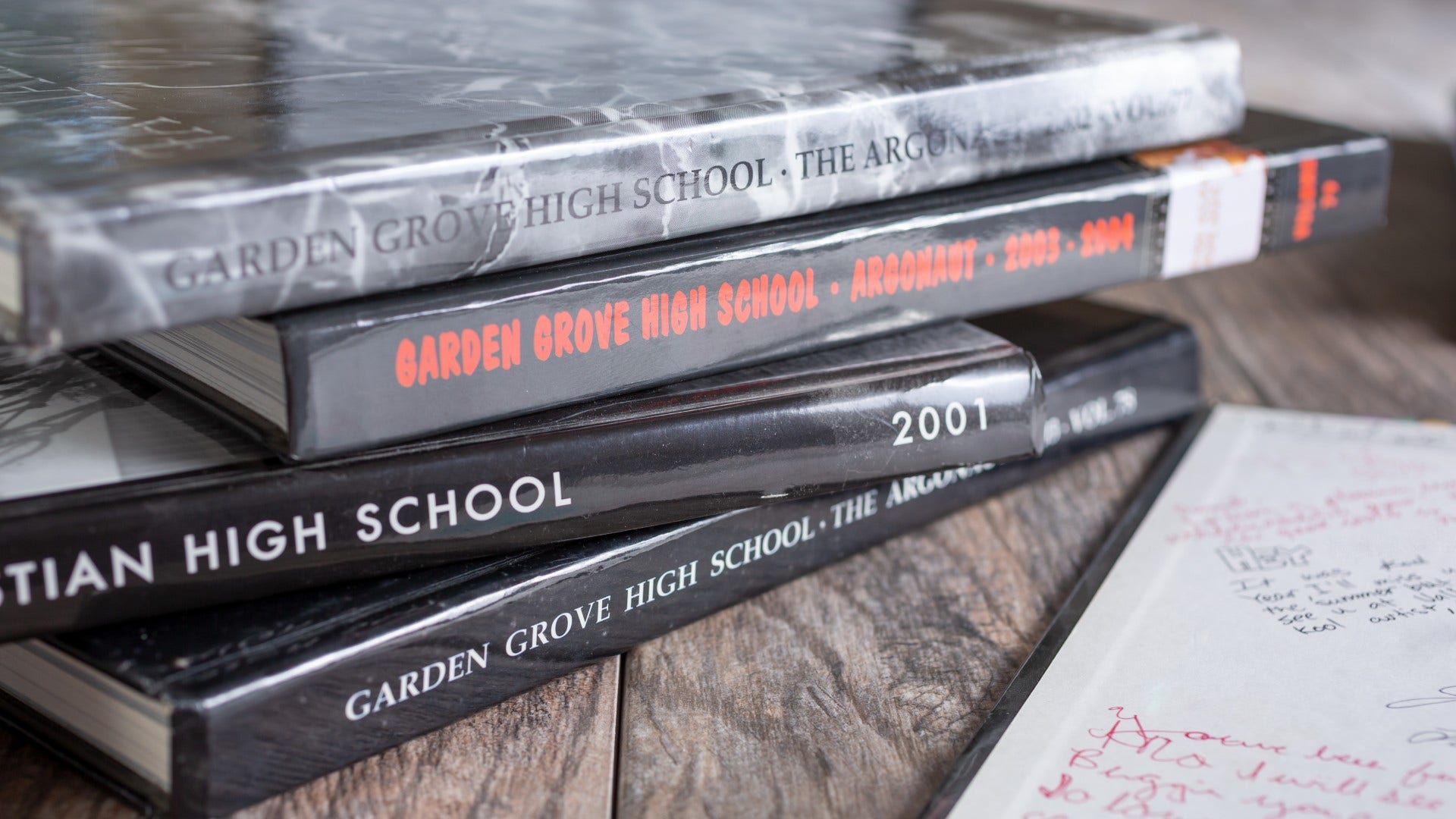
6. Old school yearbooks
 The Image Party / Shutterstock
Yearbooks freeze entire eras in a single object. They contain signatures, inside jokes, and photos that feel like artifacts from another lifetime. Collective memory strengthens personal identity.
Flipping through a yearbook reactivates shared history. It reminds you of friendships that shaped you. Even if you’ve lost touch with most of those people, the memories remain formative. Keeping yearbooks reflects appreciation for shared chapters. Sentimentality often centers on connection.
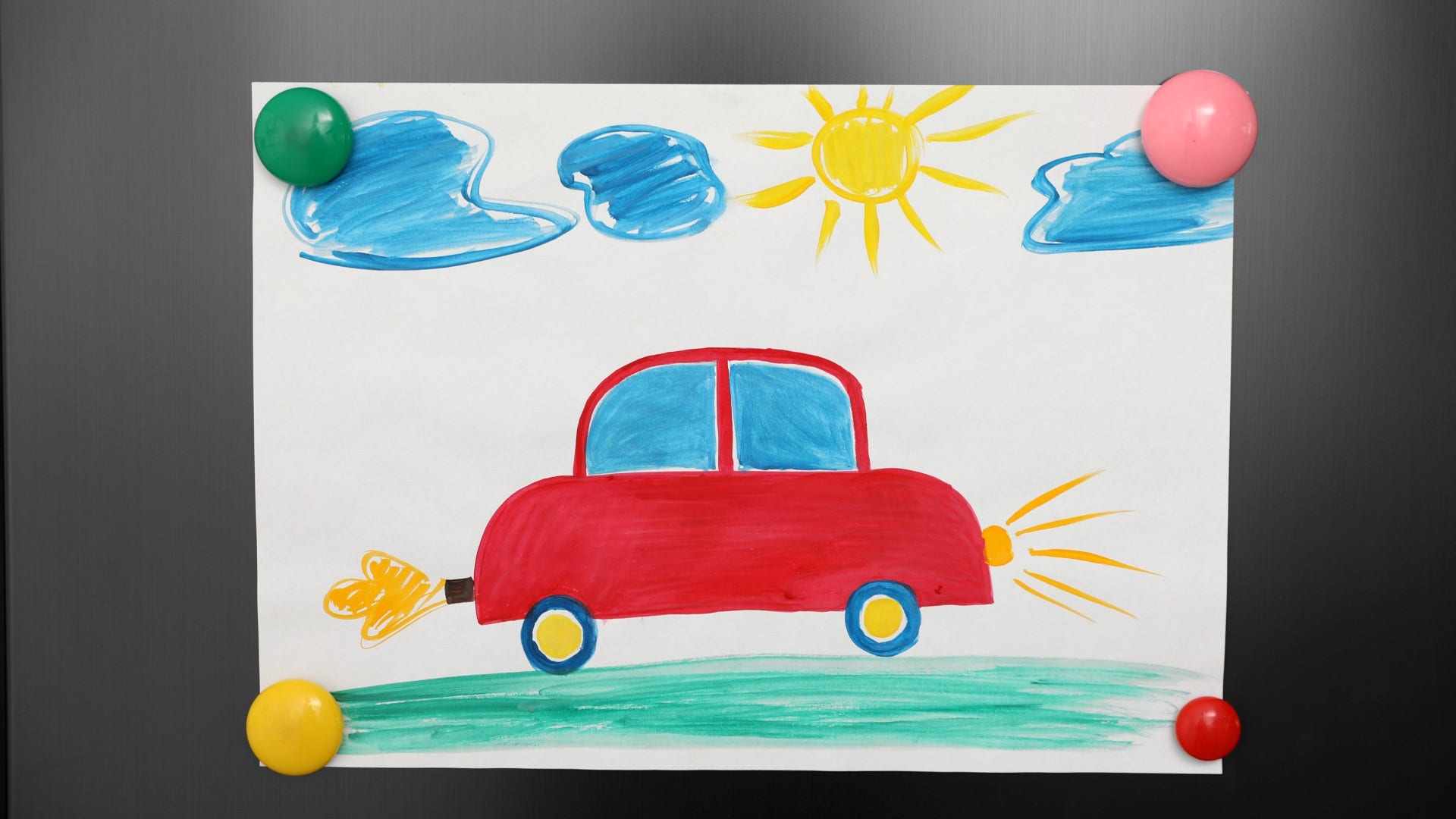
7. Childhood artwork
 New Africa / Shutterstock
Crayon drawings and uneven crafts may not qualify as masterpieces, but they carry emotional weight. They represent imagination before self-criticism took over. Early creativity is tied to self-expression and confidence.
Keeping those pieces signals respect for that uninhibited version of yourself. You remember what it felt like to create without judgment. The object becomes proof that you once made things simply because you could. Sentimental people protect those origins.
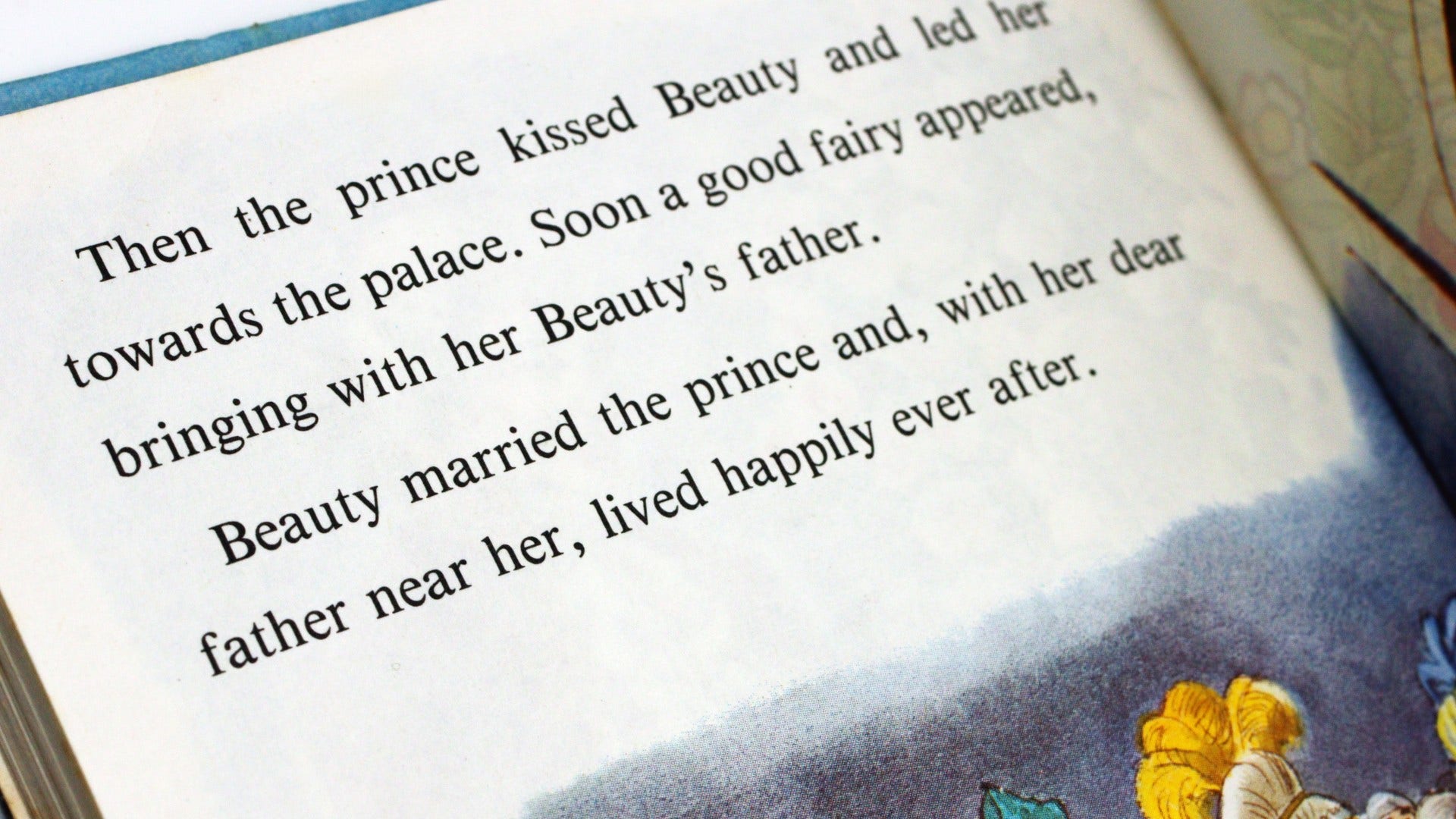
8. A favorite childhood book
 Mo Farren Photography / Shutterstock
Some books become more than stories. They shape worldview and comfort patterns. Reading the same worn copy years later can feel grounding. Revisiting childhood books activates emotional familiarity.
The margins may be marked. The pages may be bent. Still, you keep it. It represents a formative mental landscape. Letting it go would feel like losing a chapter of identity. Sentimentality thrives on remembered meaning.
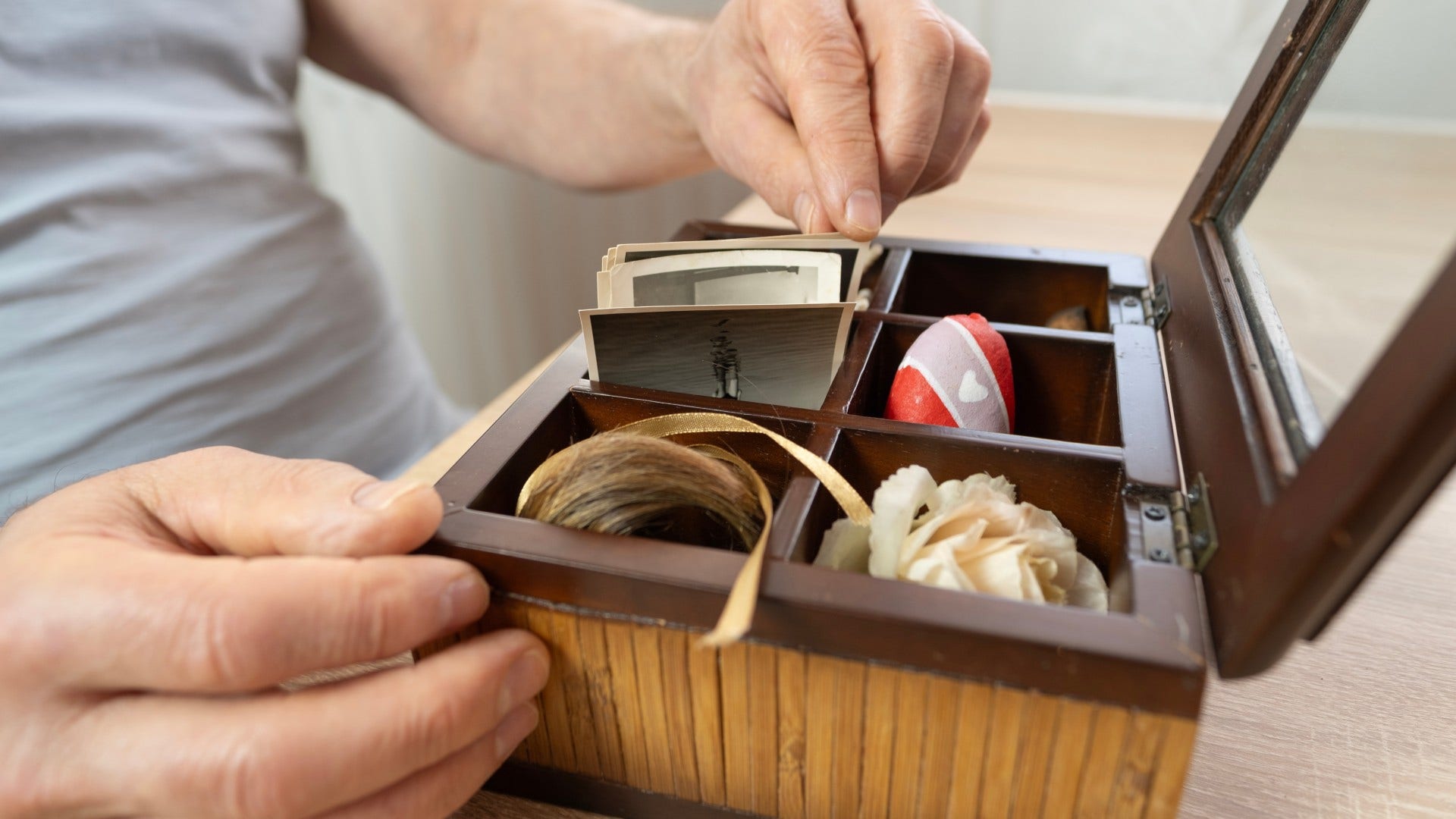
9. A box of random keepsakes
 Kittyfly / Shutterstock
Ticket stubs, birthday cards, small trinkets that mean nothing to anyone else — but everything to you. These collections rarely make logical sense. They aren’t valuable financially. They’re valuable emotionally. Small objects can unlock detailed recollections.
Each item anchors a moment. Throwing them away can feel like erasing proof that those moments mattered. Sentimental people curate micro-histories quietly.
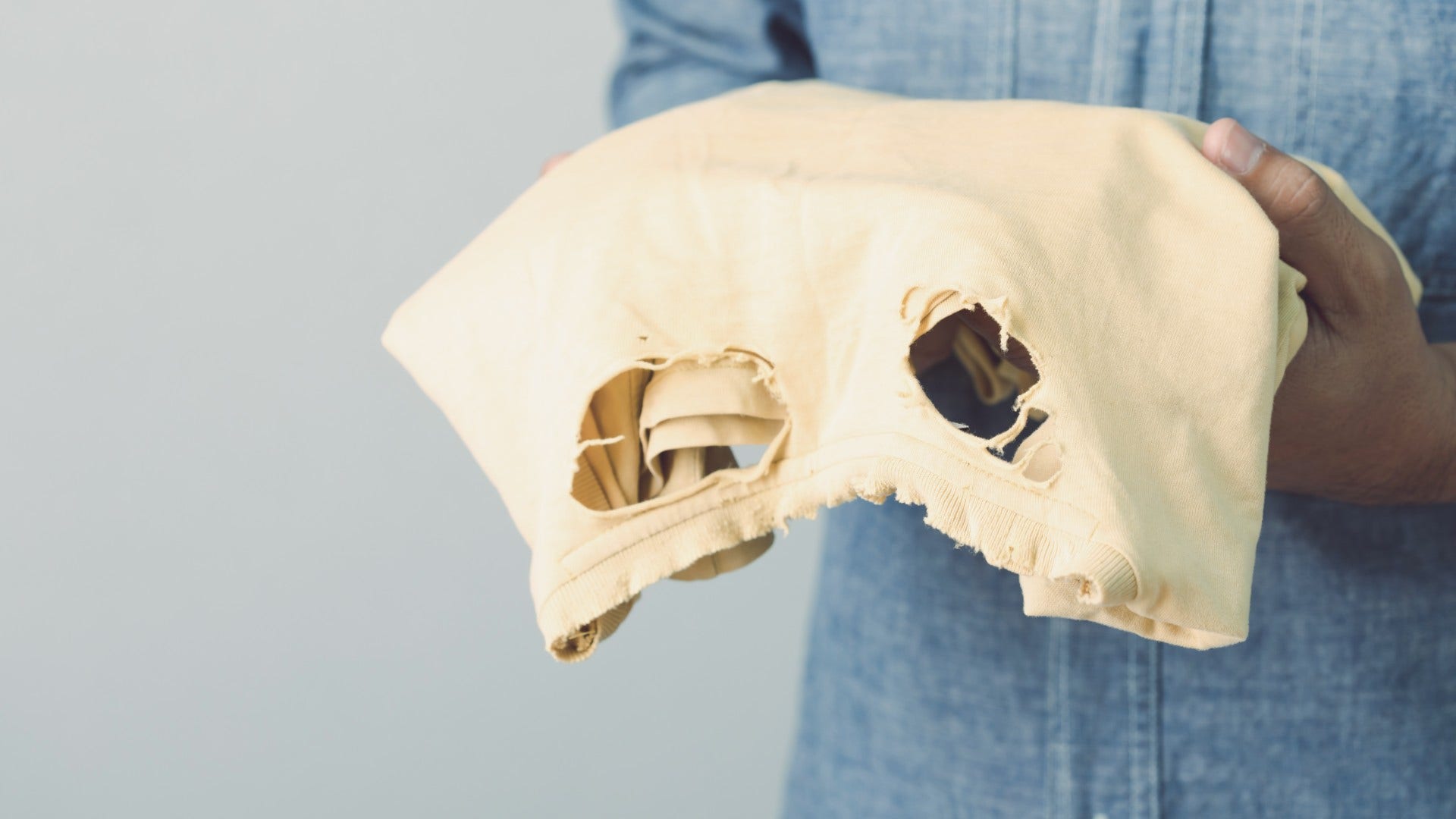
10. An old piece of clothing you can’t quite discard
 SKT Studio / Shutterstock
Maybe it’s a team jersey, a prom dress, or a worn hoodie. It doesn’t fit your current style. Still, you hesitate. Clothing carries embodied memory.
Objects worn during significant experiences become tied to identity recall. That hoodie isn’t just fabric. It’s a time capsule. Keeping it reflects attachment to personal milestones. You’re preserving the emotional imprint.
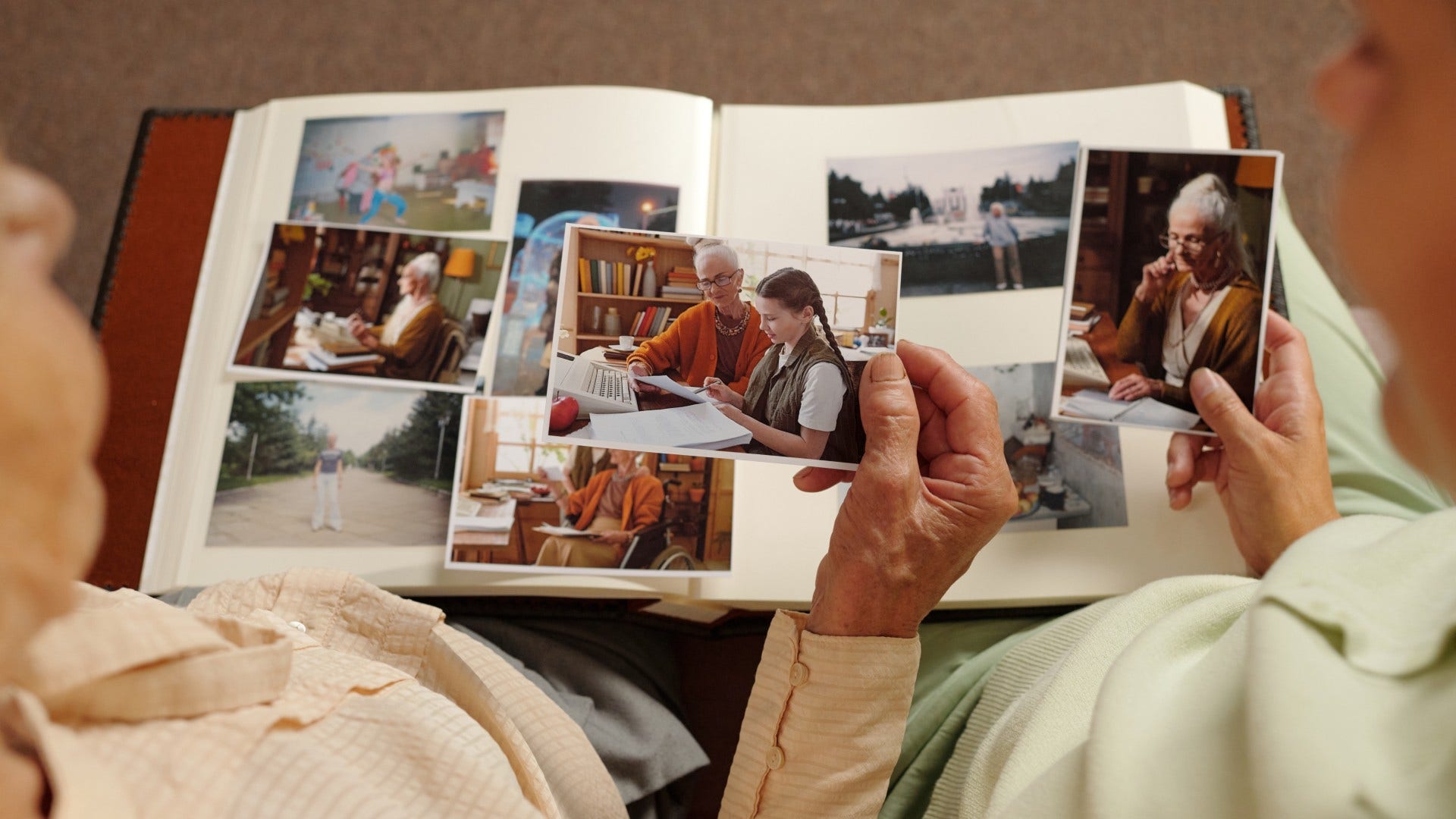
11. Photographs you refuse to digitize and toss
 AnnaStills / Shutterstock
Even in a digital world, printed photos feel irreplaceable. There’s something grounding about holding an image physically. Tangible photographs evoke stronger emotional recall than digital files alone. If you keep albums rather than scanning and discarding them, you likely value physical continuity.
Photos become anchors to narrative. They remind you not only of who you were with, but who you were then. Sentimental people understand that memory deserves weight. Sometimes that weight lives in a shoebox.
Sloane Bradshaw is a writer and essayist who frequently contributes to YourTango.
