
If You Grew Up In The Early 2000s, You Probably Learned These 10 Life Skills No One Teaches Now
 T.Den_Team / Shutterstock
 Growing up in the early 2000s, you experienced a different era. You just had to be there. People who came of age during this period were practically web designers and early technology pioneers.
The early 2000s brought us some of the best pop music. We grew more accustomed to technology, even landing the first iPod. Burning CDs was a way of life, and we always had our favorite song featured on our Myspace. If you can relate to any of these things, you likely grew up mastering skills that are obsolete now. Whether it was learning how to type efficiently in school or customizing your HTML, these are things that kids these days don’t get to learn anymore.
If you grew up in the early 2000s, you probably learned these 10 life skills no one teaches now
1. Mastering patience through dial-up internet
 Africa images via Canva
Patience seems to be a lost art with more recent generations. Growing up with everything at their fingertips has made them crave instant gratification. If you grew up in the early 2000s, you learned the importance of patience just from trying to access the internet. Sharing the family computer often came with a time limit. When you had to wait for webpages to load, it could be mind-numbing.
We didn’t have lightning-fast WiFi in the early 2000s. To do anything online, it took a long time to load. It helped instill patience, something people seem to have stopped learning now.
2. Learning typing through lessons in school
 Africa images via Canva
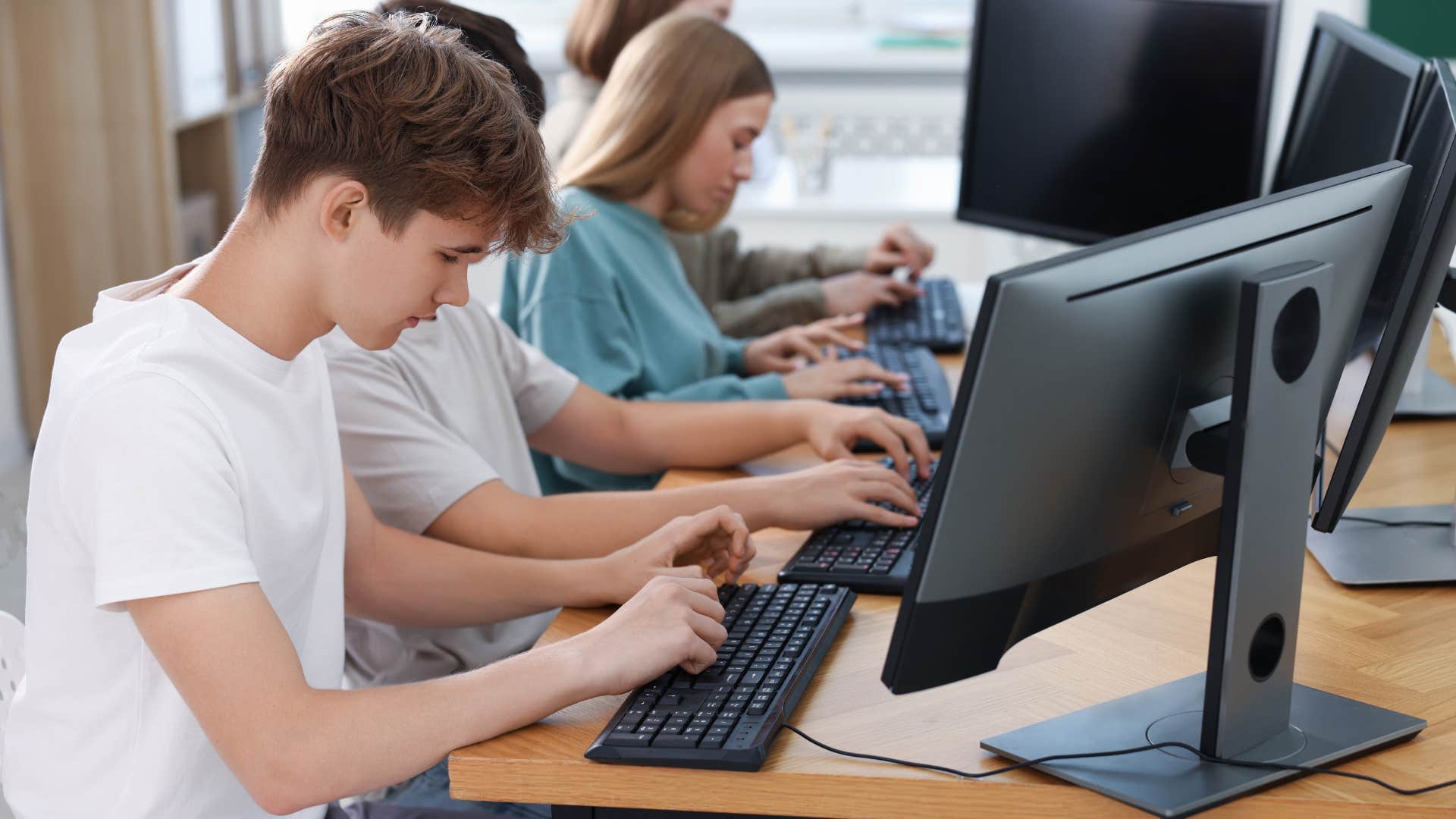
It feels like kids these days are born with typing skills. Growing up in the early 2000s, we had to learn to type efficiently the hard way. Computers were still rather new, and since we didn’t have smartphones, keyboards were a foreign language to some. I remember going to computer class as a child in the early 2000s. We’d learn how to type and other computer skills. This is no longer a thing, as kids are more tech-savvy than ever.
I remember looking forward to walking down to the computer lab each week. Now, some schools give kids laptops for learning. Times have certainly changed.
3. How to burn the perfect CD
 Rim Jom from Pexels via Canva
Spotify and Apple Music were non-existent in the early 2000s. If we wanted to listen to our favorite music at home or in the car, we had to burn CDs or buy them at the store. Some of us may have become professionals at internet piracy, downloading music from sketchy websites to add to our perfect mix. Now, most computers completely lack a disk drive. A good mixed CD has become a lost art.
Now, kids grow up with access to all the music they could dream of. Between streaming services and YouTube, their favorite songs are at their fingertips.
4. Memorizing phone numbers
 Karola G from Pexels via Canva
Though cellphones were becoming more popular in the early 2000s, kids in this era had to grow up more reliant on their own brain power to contact their loved ones. This means they had to memorize the phone numbers they called often. Now, I don’t understand how we did this. I am so reliant on my phone’s contacts that if I got stranded somewhere without it, I don’t know if I’d be able to contact anyone. It’s wild how much we rely on our devices today.
The art of memorizing phone numbers is no longer taught. Kids these days don’t have to worry about retaining this information. Instead, the cell phone they’ve had since they were practically born holds all of the important content they need.
5. Charging devices responsibly
 ninitta from Getty Images via Canva
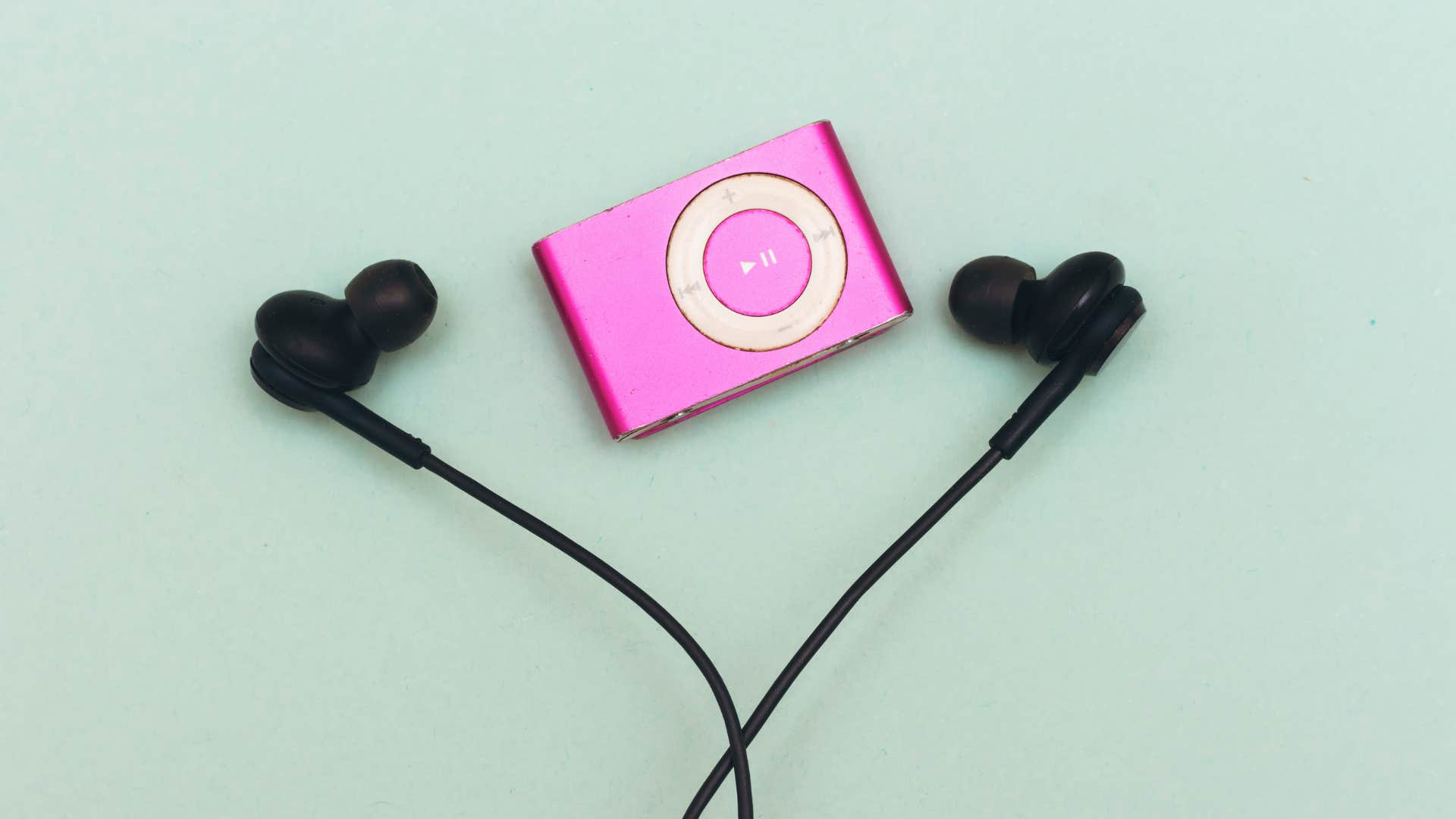
It’s wild how much charge our device batteries can hold now. When I had my first iPod, that thing used to drain power like nothing you’d experience today. We had to be strategic about when to charge them. Not everyone had chargers available while on the go. If your phone or iPod ran out of battery when you were out of the house, you were likely unable to charge them again until you got home.
The battery life of a modern phone is incredible. Even if your iPhone runs out of battery, you can find a charger anywhere. If you’re at your friend's house, they definitely have one. On the go? No problem, they make chargers you can use wherever you are. Technology was more of a luxury than it is now.
6. Driving without GPS
 digitalskillet from Getty Images Signature via Canva
If you learned to drive in the early 2000s, you are familiar with MapQuest. This was the original GPS app. Well, it was a website, and you had to print out the directions yourself. Now, we tell everyone not to read things on their phones while we drive. Back then, we were reading full-blown pieces of paper and trying not to get lost in the process.
When the GPS became a household product, it still wasn’t on our phones. Instead, it was a bulky machine you had to mount on your dashboard. Today’s youth know nothing about reading directions while driving, which may be for the best, actually. However, MapQuest does still exist, if you’re feeling nostalgic.
7. Creating a MySpace page
 Thinkstock Images from Photo Images via Canva
Online coding can earn you some serious money now. People go to school to master the skill. In the early 2000s, we were teaching ourselves HTML to make the perfect MySpace profile. While newer generations do not even know what MySpace is, they are especially unaware of HTML. Back then, we were editing our profiles like it was our job. From custom backgrounds to changing fonts, we were amateur web designers.
"For tens of millions of people, tinkering with anchor and style tags to personalize a MySpace profile was an introduction to code as a means to solving a problem, to expressing something about yourself, or to just experimenting and seeing what happened," says CodeAcademy. "The flat-out necessity of having a customized profile brought forth an entire ecosystem of theme sellers and HTML tutorial writers, early pioneers in their own right who commodified their coding knowledge while convincing millions that writing code was something they could do too."
8. Protecting the family computer from viruses
 Jonathan Borba from Pexels via Canva
Even though we were young, we were still the top defense against viruses on the family computer. We couldn’t handle the computer breaking because of our actions. Our parents were going to ground us, or worse, not replace the computer. We had to be on the defensive. Now, kids likely do not have to worry about viruses at all.
Technology has come so far. I haven’t thought about computer viruses since the last time I was downloading music from LimeWire. While some viruses still exist, they are less common, and our computers can avoid them.
9. Surviving boredom
 urbazon from Getty Images Signature via Canva
Boredom seems not to exist anymore. We have so many ways to entertain ourselves. From constant internet access to communicating with our friends with ease, we can keep ourselves entertained easily. I remember growing up in the early 2000s and having to get creative. We’d tell our parents we were bored, and they would tell us to figure it out on our own.
We had to have an active imagination to ward off boredom. Now, kids have access to every form of entertainment as if it were nothing.
10. Dodging chain letters
 StefanDahl via Canva
Spam emails are still a thing. We all get questionable items sent to our inboxes. However, the days of chain letters were something else entirely. Do you remember reading something so terrifying that if you didn’t forward it to 10 people, something terrible would happen to you? We were constantly scaring our friends with these, but we couldn’t stop sending them. What would happen if we didn’t?
Believe it or not, chain letters started long before computers were invented, with the first letter going out in 1888. The invention of computers and email kept their legacy alive.
Haley Van Horn is a freelance writer with a master’s degree in Humanities, living in Los Angeles. Her focus includes entertainment and lifestyle stories.
