
There Are 10 Distinct Types Of People Who Sadly Make Truly Terrible Grandparents
 PeopleImages | Shutterstock
 Being a parent is a lifelong journey, and one part of that journey that's especially joyful comes when your children announce that you’re going to be a grandparent. Unfortunately, the idea of being a grandparent is easier than actually doing the work of being a fully present one. It isn’t something that comes naturally to everyone, and there are distinct types of people who sadly make truly terrible grandparents.
While being a grandparent has a positive effect on a person's overall well-being, when the time comes to step up and help with raising a child, some individuals simply aren't cut out for it. While becoming a grandparent can be a healing and magical experience, it takes conscious effort and careful consideration, particularly on the part of the children's parents to decide if the people they want around their children are good influences.
There are 10 distinct types of people who sadly make truly terrible grandparents
1. Critical people
 fizkes | Shutterstock
Critical people seem to always have a comment ready to cut down their kids' parenting style, noting that when they first became parents, they never had trouble nursing or getting them to sleep. People like this tend to judge others according to impossibly high standards, which means everyone always falls short of their expectations.
Unfortunately, being highly critical of others makes someone a truly terrible grandparent, especially because a lot of that judgment is aimed toward their own child's parenting skills. But they end up judging their grandkids as well, criticizing them for crying when their mom leaves the room or not getting straight As at school.
No matter what their grandkids do, it’s never good enough, because their love is fairly conditional. And as a 2023 study found, when grandparents are supportive and affectionate, children do better emotionally and socially. On the other hand, when grandparents are critical or emotionally, distant, they struggle with their development.
2. People who can’t say ‘no’
 fizkes | Shutterstock
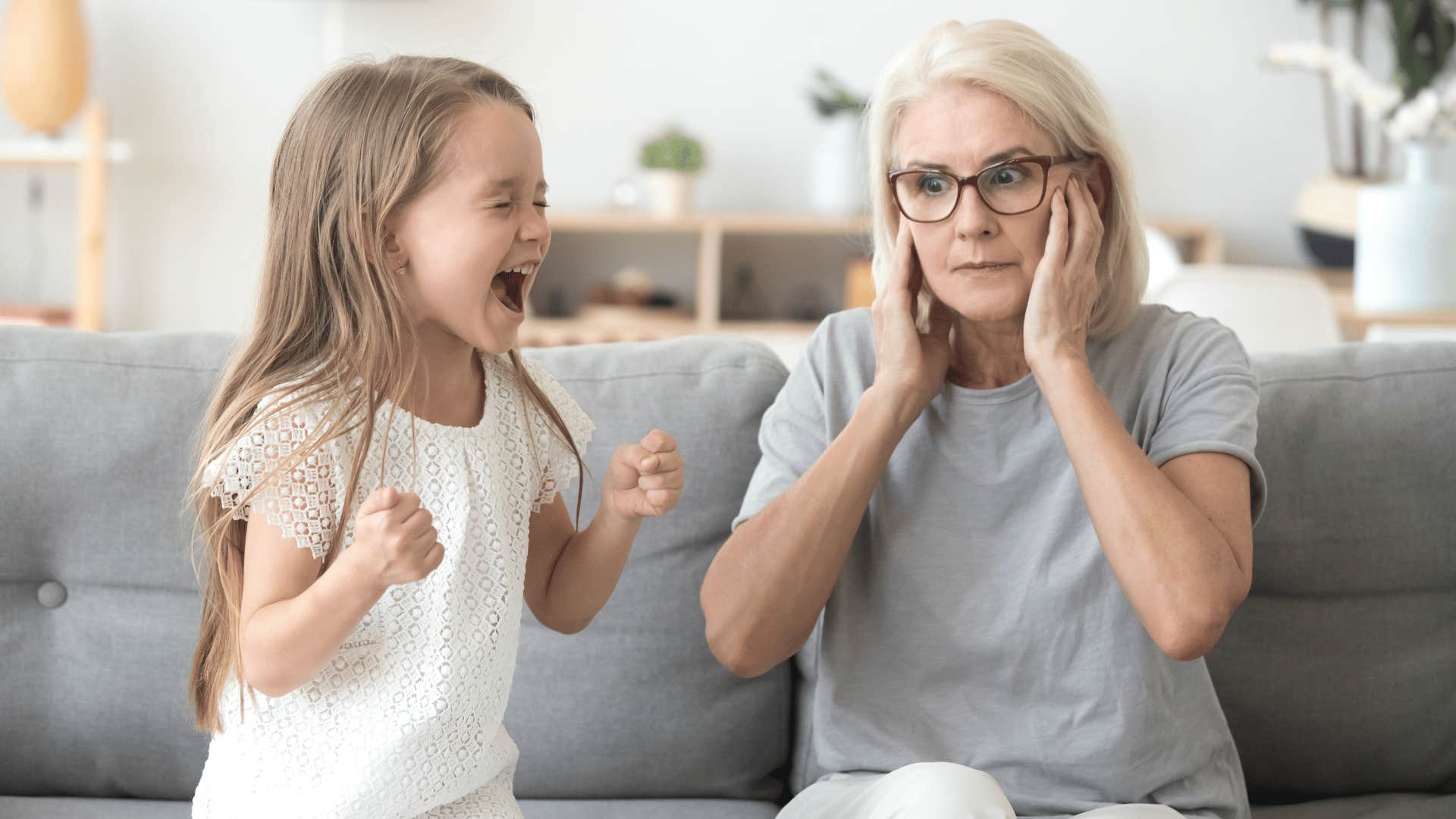
Their unwillingness to set limits or tell their grandkids that they can’t do something establishes a bad boundary system that can be emotionally harmful over time.
Kids need to hear “no” from their parents or grandparents, as it makes them feel secure and it teaches them how to exist in a world that is unsafe. Without hearing “no,” kids never learn that running into traffic can hurt them. Without “no,” they think they deserve to get whatever they want, which sets them down the path to extreme entitlement.
Having people-pleasing tendencies makes it hard for people to say that magic word, especially to their grandkids, who they love dearly and want to give the world to. But if grandparents don’t say “no,” it sends the message that “no” is a bad word and teaches kids to disregard their own limitations in favor of meeting other people’s needs.
3. People who play favorites
 Lordn | Shutterstock
Playing favorites is the opposite of giving kids unconditional love and support. Kids are more aware than adults think they are, which means they notice the little things. So, they’ll know when their grandparents like their sibling more or cast them aside, which will lead them to resent everyone involved.
Playing favorites can diminish a child’s sense of self-worth. It raises their inner critic’s voice to an unbearably high volume, so that all they hear is that cruel hiss of, “You’re not the favorite child and you’ll never be enough.” But a good grandparent treats their grandkids equally, giving the same amount of affection to each one.
4. Emotionally distant people
 Julia Zavalishina | Shutterstock
By avoiding a deeper connection, grandparents send a message to their grandkids that they’re not worth extending themselves for. Emotionally distant people tend to be cold-hearted people, meaning they don’t show warmth or affection, and those are things every kid needs not only to survive, but also to thrive.
As a Duke University study determined, babies with affectionate and attentive moms grow into happier and more resilient adults. Because physical affection is essential to children’s emotional and psychological development, being emotionally connected requires more than cuddles. It means taking the time to be fully present with them to allow them to feel heard and loved.
5. People who push boundaries
 Roman Samborskyi | Shutterstock
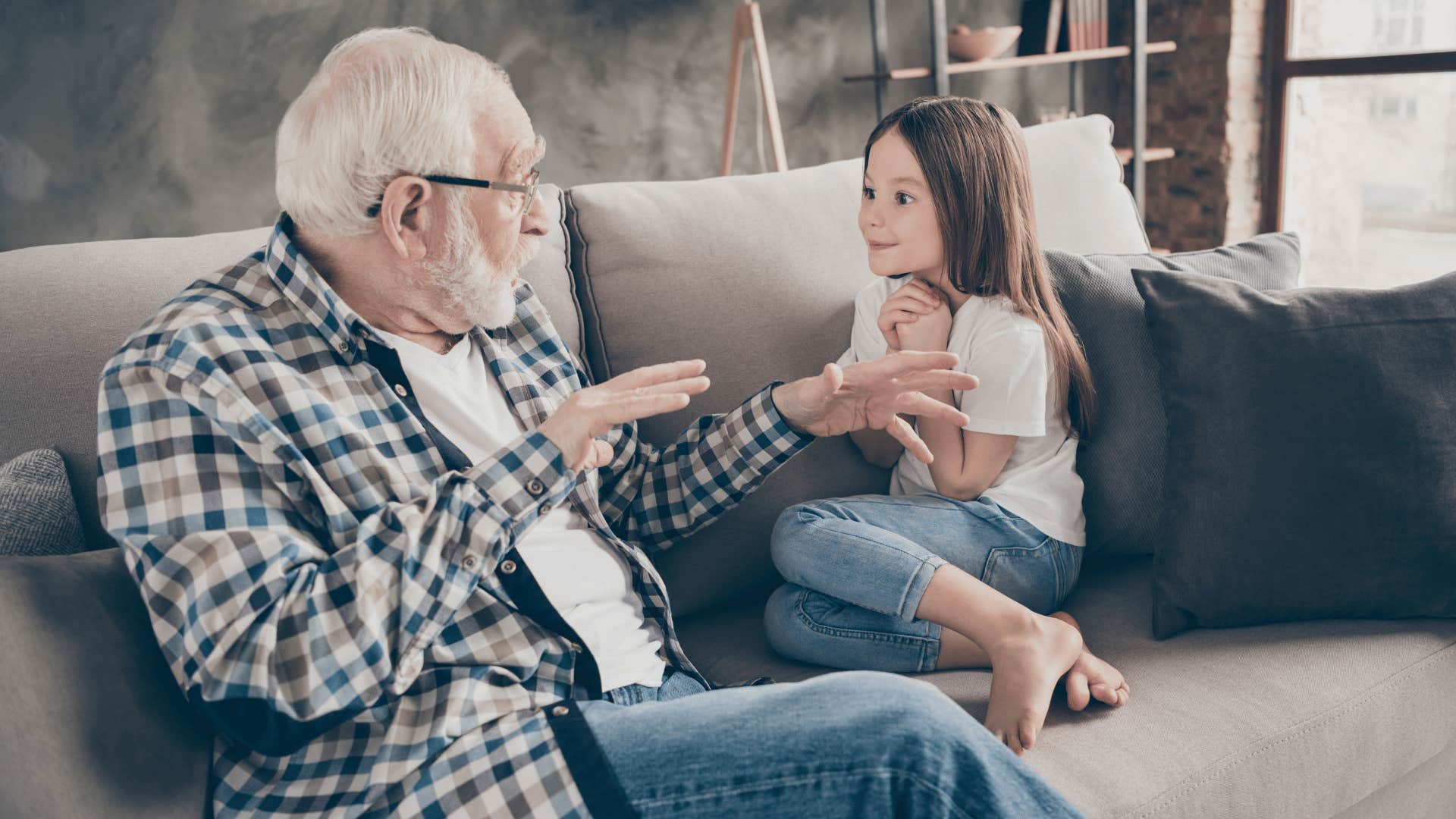
In their unwillingness to listen to the limitations that their own children set for their grandkids, when people are terrible grandparents, they show an inherent lack of respect and understanding that their grandkids are not theirs to control. They may fixate on a certain dynamic or topic, but because they haven't developed the skills to respect those boundaries, they just can't let it go.
It's unfortunate that many grandparents, despite being a strong support system in many instances, can't abide by very simple boundaries. Whether it's giving unsolicited advice or not following requests from the child's parent on how they wish to raise their family, this behavior is something that makes them unqualified to even have a relationship with their grandkids.
6. People with narcissistic tendencies
 Studio Romantic | Shutterstock
A narcissistic person's focus is always on their own needs, which makes them incapable of giving to others, especially their grandkids. They might like the idea of being a grandparent, but when it comes time to actually show up, they don’t have the tools to do so.
Their need for admiration makes it nearly impossible for them to create a truly meaningful relationship with others, even their own grandchildren. A narcissist will tell people how wonderful it is to be a grandparent, but they don’t perform any of the emotional labor involved in actually getting to know their grandchildren as individuals. It's a one-way relationship, and that makes them truly awful grandparents.
7. Overprotective people
 Perfect Wave | Shutterstock
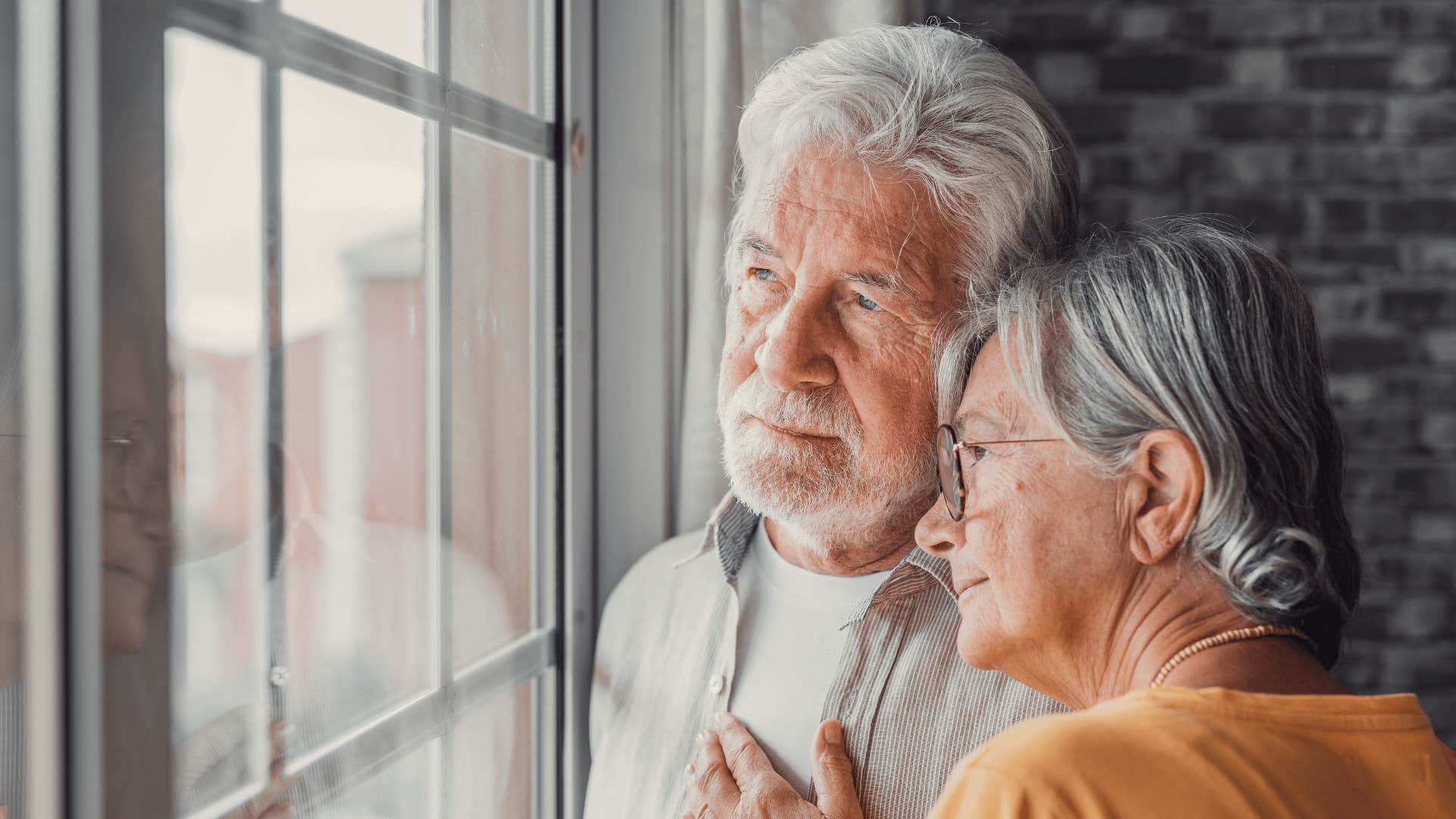
While their impulse to protect their grandchildren from danger comes from a good place, removing any form of discomfort or struggle can hinder their development and sense of independence. According to research published in Developmental Psychology, there are negative impacts of helicopter parenting that can apply to grandparenting as well.
As Nicole Berry, the study’s lead author, explained, “Children with helicopter parents may be less able to deal with the challenging demands of growing up.” She noted that micromanaging kids creates an environment where they don’t learn to regulate their own emotions, which doesn’t serve them well later in life.
A good grandparent knows that guiding kids through their emotions is the most important thing they can offer. They also truly understand that sometimes, stepping back is the best way to help their grandchildren grow.
8. Permissive people
 Evgeny Atamanenko | Shutterstock
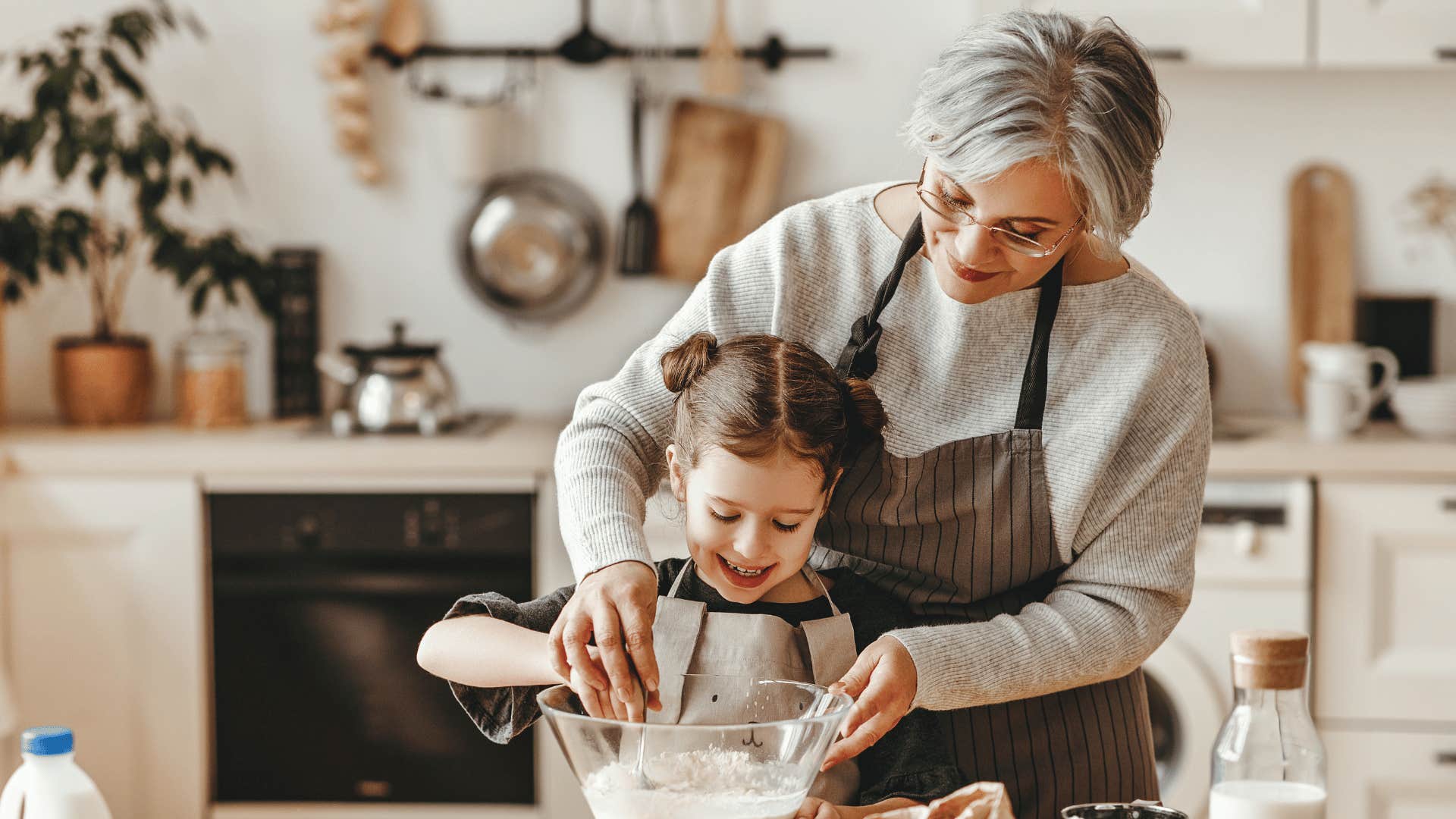
Many grandparents have the natural instinct to want to spoil their grandchildren, but permissive or lenient people take that too far. People who let their grandchildren do whatever they want set them up for failure, because the reality of life is that we actually can’t get everything we want all the time.
These grandparents indulge their grandkids every whim. They stuff them full of ice cream, buy them every toy they ask for, they let them have as much screen time as they want, and don't even ask their parents for permission. Though this behavior is rooted in love, it’s a dangerous path to forge, as it can create a major sense of entitlement in children.
9. People who are ‘fixers’
 Chay_Tee | Shutterstock
While wanting to help their grandkids out by being supportive and encouraging, when they have the impulse to make everything easy and perfect, it does more harm than good. Kids need to learn to face challenges with grace and manage their more difficult feelings, and by attempting to fix every little thing, some grandparents aren't doing any favors.
Grandparents who try to fix their grandchildren’s emotions essentially teach them that they shouldn’t feel anything other than happy. As happiness expert Gretchen Rubin explained, trying to cheer up kids can sometimes make them feel even worse. "We make people happier by acknowledging that they’re not feeling happy," she concluded.
10. Unreliable people
 Jacob Lund | Shutterstock
When a grandparent can't keep their word, it teaches their grandkids not to trust them. Unreliable people make promises they have no intention of keeping. They say they’ll come watch their granddaughter’s gymnastics meet or sit in the front row during her piano recital, but then, at the last minute, something comes up.
These people lack follow-through, which is an unhelpful and hurtful trait for a grandparent to have. On the other hand, when grandparents are responsive, they make time for their grandchild's needs and overlook their own. Good grandparents keep their word and are physically present, whereas people who sadly make terrible grandparents tend to prioritize themselves.
Alexandra Blogier, MFA, is a writer based in Boston, Massachusetts who covers psychology, social issues, relationships, self-help topics, and human interest stories.
