
7 Sad Signs Someone Spent Most Of Their Childhood In Survival Mode
 New Africa | Shutterstock
 All children deserve to grow up in a loving home where they feel safe, protected, and cared for, but sadly, that's not the reality for everyone. Some kids are raised in homes where they're always waiting for the next criticism, punishment, fight, or scary moment. That's what childhood survival mode can feel like. Instead of relaxing and trusting the adults around them, they stay stuck in fight-or-flight mode, always trying to stay safe.
When someone spent most of their childhood in survival mode, those effects don't just disappear when they grow up. They may still struggle with anxiety, guilt, people-pleasing, fear of conflict, or feeling like they have to handle everything alone. Recognizing the signs doesn't mean blaming yourself. It means finally understanding what happened to you, so you can start getting the support, care, and healing you deserved all along.
Here are 7 sad signs someone spent most of their childhood in survival mode:
1. You were criticized more than you were praised
Children raised in survival mode are no strangers to criticism. Instead of recognizing your accomplishments, your parents likely pointed out all the things you supposedly did wrong.
In a video on the topic, Psych2Go explained that someone who feels like they can never be good enough for their parents may not have received enough praise or even basic acknowledgment for their effort and success. The Child Mind Institute also noted that parents should help children learn how to understand and handle criticism, rather than constantly being the source of it.
Living with that kind of criticism can create serious long-term problems. Psych2Go reported that when children are criticized too much, they may grow up expecting criticism before it even happens, which can lead to anticipatory anxiety.
2. You didn't receive much loving physical touch
 TheVisualsYouNeed | Shutterstock
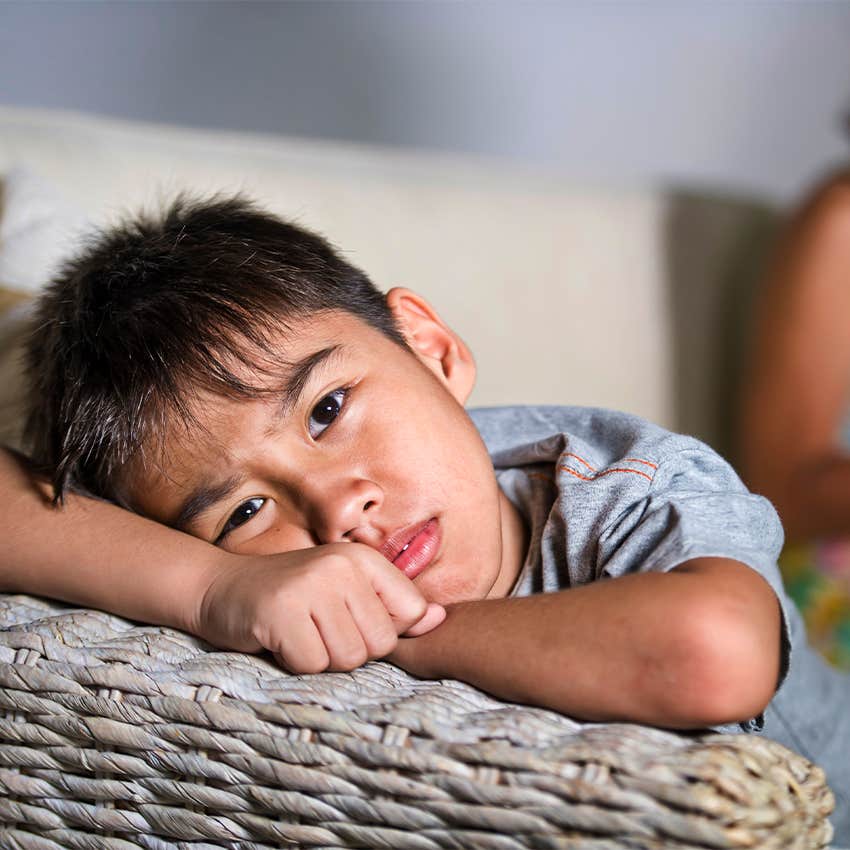
Warm physical touch is often one of the ways children learn they are safe and loved. When parents withhold that kind of comfort or use touch only as a form of punishment, children can grow up in survival mode instead. In those homes, physical touch may not feel comforting at all. It may feel scary.
Psych2Go explained that children raised in survival mode may have been physically punished often, sometimes over very small things. A study published by the National Institutes of Health also found that a lack of physical touch in childhood can affect development.
3. Your home life felt unpredictable
Having unpredictable or unstable caregivers is a sign of growing up in survival mode. This does not necessarily have anything to do with being raised by a single parent, as those homes can also overflow with love. Rather, it's about whether the adults in your life made you feel safe and cared for.
Psych2Go explained that some kids grow up with adults constantly entering and leaving their home or family life, which can make it hard to know who they can trust or depend on. A 2021 Yale study found that caregivers have a significant influence on children's development. "Severe disruption to early caregiving alters long-term development and increases risk for mental health disorders across the lifespan," it stated.
4. Your feelings were ignored or dismissed
 fast-stock | Shutterstock
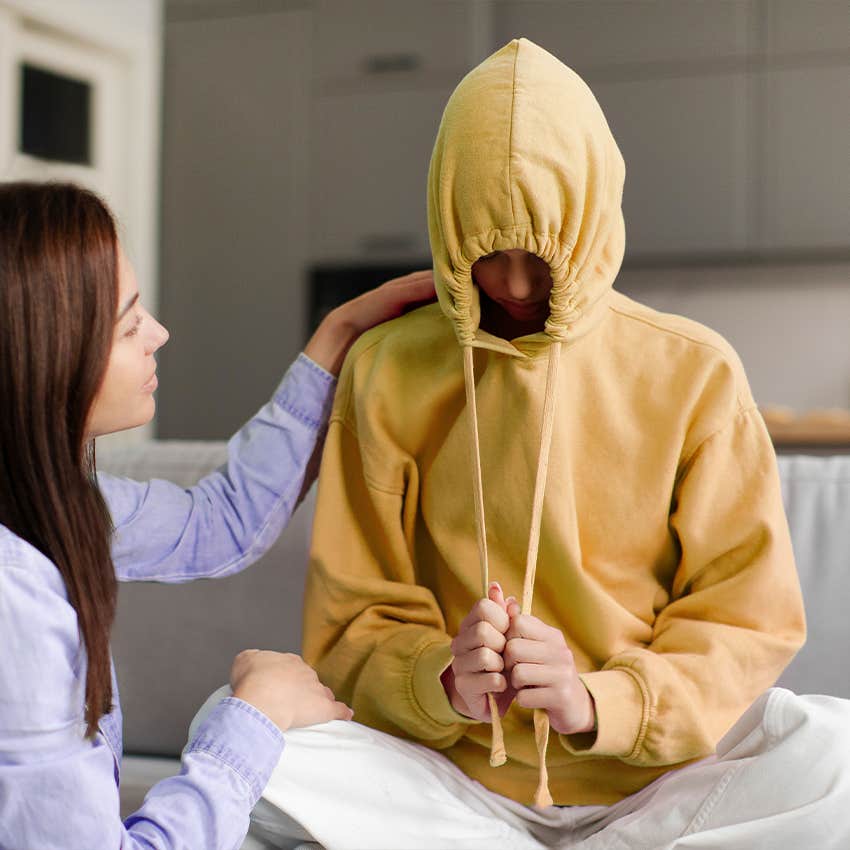
According to Psych2Go's video 8 Signs of Childhood Emotional Neglect, neglect isn't always obvious. It can include being exposed to harmful situations, like domestic violence or substance abuse at home, or growing up without the affection, validation, support, and guidance a child needs from their parents.
This can happen when caregivers dismiss a child's feelings, ignore their opinions, or fail to meet their basic needs. Researchers Stephen Ludwig and Anthony Rostain found that emotional neglect can seriously harm children, leading to issues like developmental delays, low self-esteem, depression, aggression, substance abuse, and other emotional struggles.
5. You experienced abuse
Perhaps the clearest sign of not being raised in love is being abused, whether physically, emotionally, or otherwise. No one is supposed to live in perpetual fear of their parents, but unsurprisingly, experiencing abuse as a child has long-lasting effects. The United States government's Child Welfare website said, "Child abuse and neglect causes trauma, which can impair brain development and is linked to physical, emotional, and behavioral issues later in life."
The lasting effects of being raised in survival mode are challenging, but thankfully, many resources can help, such as mental health treatment and therapy. You are deserving of feeling love, even if it's later in life that you discover it.
6. You learned to hide your needs
 Dmytro Hai | Shutterstock
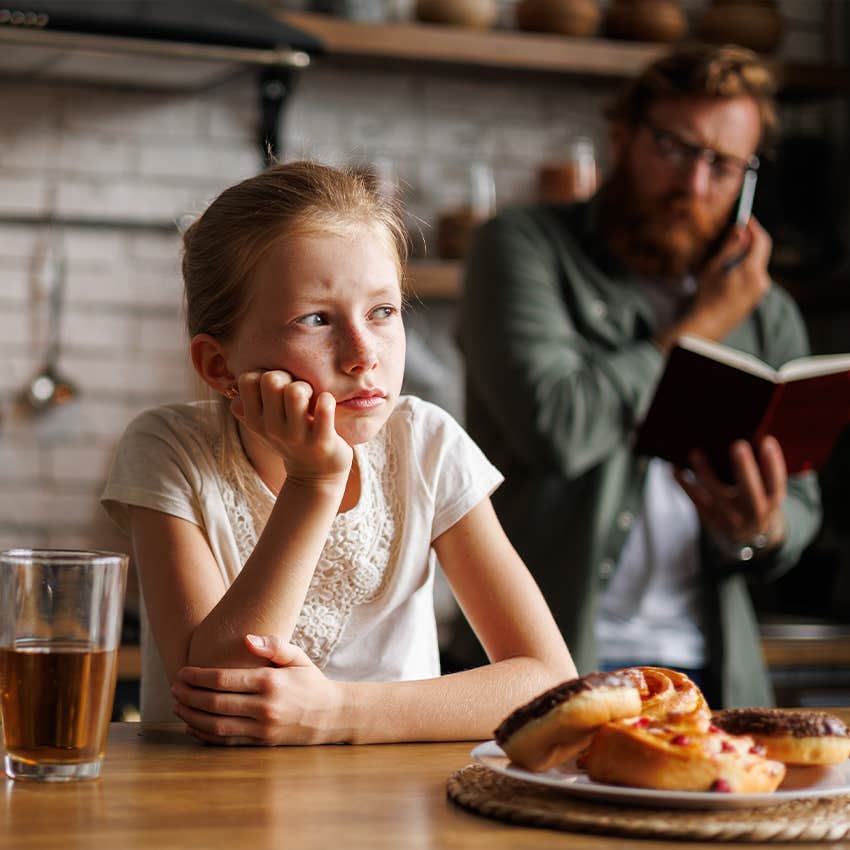
Someone who spent most of their childhood in survival mode may have learned that having needs only made things worse. They may have stopped asking for help, comfort, attention, or support because they were ignored, criticized, or punished when they did.
As adults, people who grew up this way may seem independent, but beneath that independence often lies fear. A study published in Child Abuse & Neglect found that childhood neglect was linked to insecure attachment in adulthood, which can make it harder for people to trust others and depend on them safely. They learned early that depending on others did not make them feel safe, so they became the person who handles everything alone.
7. You still feel guilty when you relax
A sad sign that someone spent most of their childhood in survival mode is that peace can feel unfamiliar. When a child grows up in stress, chaos, or fear, their body can get used to always being alert. Later in life, rest may feel lazy or unsafe.
Instead of relaxing easily, they may overthink small changes in someone's tone or feel like something bad is about to happen. A study published in Nature Mental Health found that people with more adverse childhood experiences also showed greater hypervigilance in adulthood, meaning their brains remained on alert for potential danger. It means their nervous system learned to stay ready, even when the danger is no longer there.
If you or someone you know has been a victim of child abuse, there are resources available to help. Call 1-800-4-A-CHILD (1-800-422-4453) to speak with a crisis counselor 24/7.
Mary-Faith Martinez is a writer with a bachelor’s degree in English and Journalism who covers news, psychology, lifestyle, and human interest topics.
