
Boomer Parents Still Expect 11 Old-Fashioned Things From Their Fully Grown Children
 Ground Picture | Shutterstock
 It's wonderful when parents have high expectations for their grown children, it shows they believe in their kids' potential. Unfortunately, there are Gen X and boomer parents whose old-fashioned expectations are nearly impossible to meet these days. This can frustrate their grown children and, eventually, push them further away.
In order to avoid this outcome, parents need to be willing to learn what life is like for the grown adults their children's age. After all, the world is changing rapidly. The jobs market, finance and even simple cultural customs are not what they were 25 or 50 years ago, and parents (and grandparents!) can benefit greatly from learning that.
Boomer parents still have 11 old-school expectations for their fully grown children
1. Daily phone calls and scheduled check-ins
 Fizkes | Shutterstock
Many parents feel the urge to be in constant contact with their children when they're young and even when they're teens This tendency doesn’t just appear in adulthood, even though it's developmentally appropriate for kids to take space and live life independently.
Boomer parents, who are likely less familiar with social media and even just the busy pace of younger generations' lives, may be most at risk for imposing old-school expectations. They may remember how often they were supposed to check in with their parents, and expect the same from their kids.
For their kids, it's the daily phone calls that are most frustrating. After all, Gen X and millennials are often more comfortable with text or app check-ins and don't feel comfortable spending so much time with a phone to their ear.
While this may be hard for boomer parents to accept, their grown children's drive for less connection can actually be a sign they're happy and on the right track!
2. Discussing major life decisions
 Fizkes | Shutterstock
Letting go of adult children and accepting their autonomy to navigate, craft, and make decisions for their own life can be a struggle for all parents, whether they’re considered healthy and supportive or not. Change in a relationship that’s so central to your identity and your life isn’t easy! With that in mind, we can give boomer parents some grace when they get upset at being left out of their kids' life decisions.
But when the pressure gets too high and old-fashioned expectations from parents become intense, they may work to alienate and push away fully grown children from their families. For a better relationship, parents need to them be who they are going to be, make decisions for their life, and navigate adulthood without the parental veil of judgement.
If they make a mistake, great parents are there to support them, but never blame them for not seeking out your advice first. After all, nobody likes to hear "I told you so!"
3. That their child will be their caretaker in old age
 PeopleImages | Shutterstock
Talking about a parent's health or ability to care for themselves can spark resentment and anxiety in many families. Nobody wants to think about their mortality, or their parents fading away.
It's also stressful because no everyone has a nurturing side, and many cultures in the US and Canada (among other places) have moved away from the tradition of generational elder care, which can be jarring for a baby boomer who may have watched their parents care for their grandparents.
Many parents expect their kids to take care of them in their old age, even when they have the financial means to pay for help, which can put a heavy emotional and social burden on their kids.
Motivated by their own anxieties and fears, parents may struggle to recognize the stress and personal turmoil their adult children may face in a caretaking role, creating a dynamic in which everyone feels misunderstood and unheard in conversations about the future.
4. Maintaining a traditional 'perfect' family image
 Fizkes | Shutterstock
Another old-school boomer expectation is that their family will look perfect to anyone on the outside. They need everyone to think they've raised perfect, productive, nuclear family kids.
To accomplish this, they may ignore their children’s suffering or struggles or refuse to accept that their kids aren't turning out how they thought they would. They may alienate their kids who are gay or otherwise not what others expect, and drive their fully grown children away with judgment and fear.
That doesn't mean the adult kids don't want to make their parents proud. According to psychologist Michelle P. Maidenberg, most people have an innate drive to feel like their parents approve of them. Still, if their parents care more about their image than their kids, most grown children will take distance from their parents or maybe even go no contact.
5. Prioritizing family over personal time
 Chokniti Studio | Shutterstock
As grown children start new committed relationships and build their own families, they will naturally want more space. They will want to spend time with their partners and friends.
Unfortunately, many traditional parents struggle to truly value their grown child's independence. Instead of seeing their kids' new lives as something to be proud of, they'r envious and resentful.
While it might be one of the old-fashioned things parents still expect from their adult children, it’s okay to set boundaries as an adult child to protect your time and emotional wellbeing. You deserve to spend time with your partner, your in-laws, your kids, or another relationship over your parents without feeling guilty or anxious about it.
6. Immediately responding to all texts and emails
 insta_photos | Shutterstock
As children grow up, it's necessary for parents and adult children to re-evaluate roles in their relationship. Will it be easy to do? Probably not. But it can be enormously helpful for a parent of grown children to learn how to allow their kids to have boundaries.
The old communication habits, boundaries, and expectations that define a parent's relationship with their child when they're young aren’t going to be relevant to your adult interactions and will only damage the relationships.
Responding immediately just isn't a think most grown children do,
like expecting an immediate response to a text or accepting an uninvited visit.
7. Respecting their elders
 Lightfield Studios | Shutterstock
Many people argue that the rule “Always respect your elders” has become logically flawed and problematic, especially within parent-child relationships into adulthood. Respect, much like trust, is something that needs to be earned in relationships, it’s not something that we need to embody in the face of rudeness, disrespect, or criticism.
When parents expect their kids to respect everyone, even adults that are fundamentally toxic to their lives or rude to their faces, they dismiss their true emotions and invalidate their feelings.
Supportive and healthy parents celebrate their adult children in setting boundaries with people who disrespect them, even if it’s uncomfortable or “nontraditional.”
8. Grandchildren
 Fizkes | Shutterstock
While having kids right way was once the tradition married couples and adult children, the reality of the modern world is different, and boomer parents who expect grandchildren (or great-grandchildren!) right away are likely misunderstanding the nature of today's families.
For a number of reasons, from financial burden to the environment, adult children today are largely opting out of the traditional life path leading to having children of their own. This pattern is reflected across the United States and in many places across the globe.
While they might’ve made this decision in their relationships, that doesn’t remove the traditional pressures many feel from their parents, family members, and society.
According to a YouGov survey, nearly 15% of adult children face pressures from their parents wanting grandchildren whilst making the decision on whether or not to have children, with 6% naming societal pressure as a major contributor.
9. Financial independence
 Pormezz | Shutterstock
In today's economy, with so many young adults are struggling with financial stability and paying for basic necessities like rent, it’s not uncommon for parents to help support their adult children. While this is something many young people need due to changes in the jobs market, their boomer parents may not understand why. This can spark resentment.
According to parent coach and psychologist Jeffrey Bernstein, healthy parents may occasionally offer financial support and problem-solving techniques (rather than rescuing) to their adult children to ensure they’re not enabling and to protect their wellbeing. But even this advice may be a bit old-fashioned.
Instead, parents should truly listen to their grown children about what holds them back from being able to fully cover expenses or getting out of debt. Because of how much the economy and costs of living have changed, boomers (and Gen X) need to be willing to see the world through their kids' eyes rather than assume they know what it's like to be young today.
10. Constant excitement and things to look forward to
 NTshutterth | Shutterstock
Whether it’s moving forward with starting a family, getting a promotion at work, or indulging in a new creative outlet, many parents expect their kids to be constantly achieving. While this may be because they want their family to look good or even out of worry, there's another reason: They think their fully grown children should be constantly adding excitement to their lives.
Living vicariously through their children in early adulthood, many parents fulfill themselves by looking forward to the big "wins" of their kids. As much as this might have been an old-school expectation in the past, this is not sustainable, and can cause frustration for both parent and child.
While this behavior is typically innocent and non-threatening, it can cause a sense of pressure towards adult children to be constantly excelling without breaks or rest.
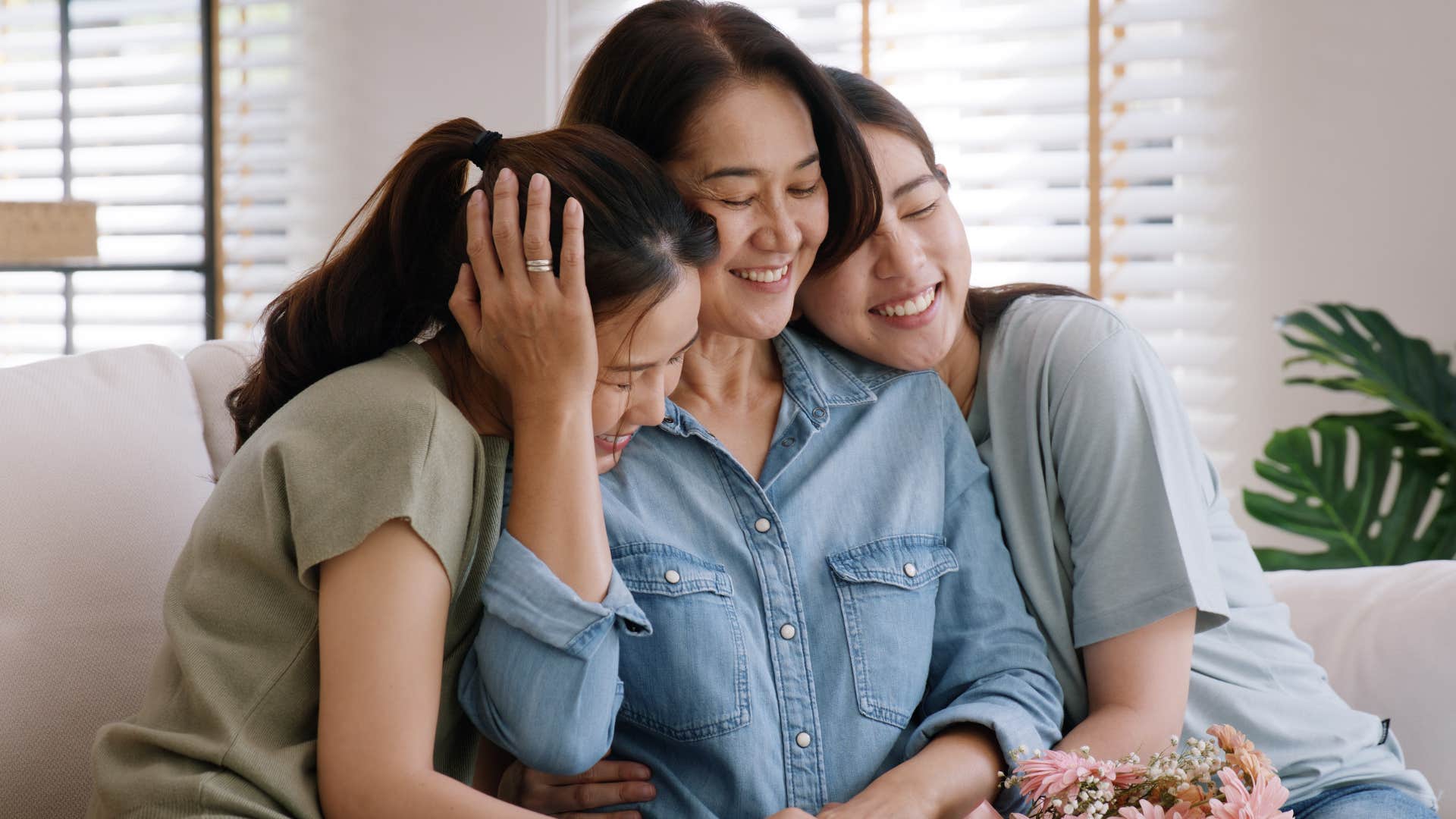
11. Living close to home
 Chay_Tee | Shutterstock
Many parents struggle with letting their children move away from home, especially if it’s going to affect the quality and quantity of time they share together in person. This may be seen as purely selfish of boomer and Gen X parents, but it can also feel unsafe for old-fashioned parents to let their grown kids move so far way.
When typically over-dependent and traditionalist, these parents may also inadvertently push away their kids, accidentally encouraging them to go further. By expecting them to fall in line with their expectations rather than pursuing their one unique interests and goals, the kids feel limited and controlled, which is not healthy for young adults.
While there’s a larger trend for younger folks today to remain in their parent’s home into adulthood out of financial necessity, there’s also cultural factors that contribute to multigenerational family homes and a pressure to remain close to family that can sometimes harm adult children.
Zayda Slabbekoorn is a staff writer with a bachelor’s degree in social relations & policy and gender studies who focuses on psychology, relationships, self-help, and human interest stories.
