
It Only Takes One Minute To Discover If You’re Socially Intelligent On A Level Most People Can Never Reach
The rare social instincts that instantly set you apart from the crowd.
 Vitality Shevechenko | Unsplash
 When it comes to picking up on social or nonverbal cues, some are better at it than others. The ability to understand how people are feeling without them saying a word is important in making them feel seen and "heard."
While some people seemingly miss hints about the way others are feeling, others are attentive and can recognize expressions that give them clues about the emotions of other people, making it easier to connect. But how do you know which part of the population you fall into?
The test is called the Reading the Mind in the Eyes Test (RMET), developed by Professor Simon Baron-Cohen and his team at the Autism Research Centre at the University of Cambridge. Created in 1997, the test has been widely used to measure "theory of mind," which is the ability to recognize and understand another person's mental state, or what researchers call social intelligence.
According to research, the test has shown good reliability and stability over time and has been validated across different cultural settings. A TikTok account shared a video detailing a test that tells you exactly how socially intelligent you are, and how accurately you can guess what emotions another person is feeling. According to the TikToker, Sam, the test is also used as a method of diagnosing autism.
It only takes one minute to discover if you’re truly socially intelligent
The test consists of six multiple-choice questions and requires you to determine the intent behind someone’s expression, using only the emotions that are shown in their eyes. Some are admittedly much more difficult to read than others, and each gives you four options to choose from.
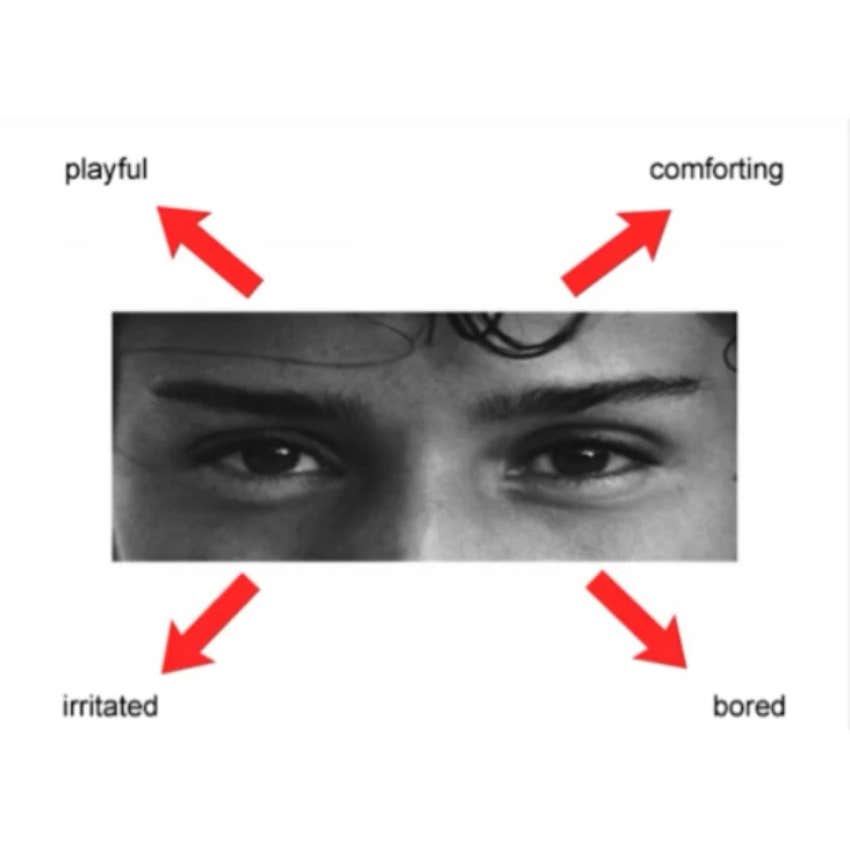
1. Playful, comforting, irritated, or bored?
 TikTok
Photo: TikTok
At first glance, this image might bring to mind someone who is "smizing" (smiling with your eyes). But it turns out that this one is actually a person being playful.
2. Terrified, amused, regretful, or flirtatious?
 TikTok
If you take a closer look at the image displayed, you will find that there is a hint of guilt in the man’s eyes — a clue that he is feeling regretful.
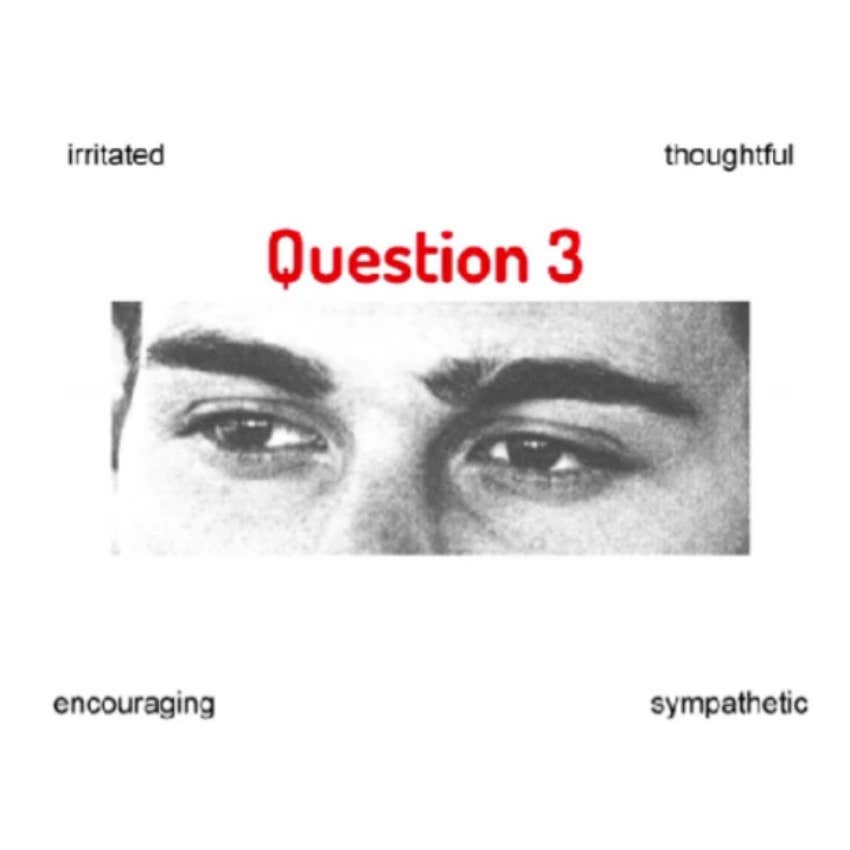
3. Irritated, thoughtful, encouraging, or sympathetic
 TikTok
In this image, a man stares wistfully, apparently in deep thought, making it obvious that the answer is that he is thoughtful.
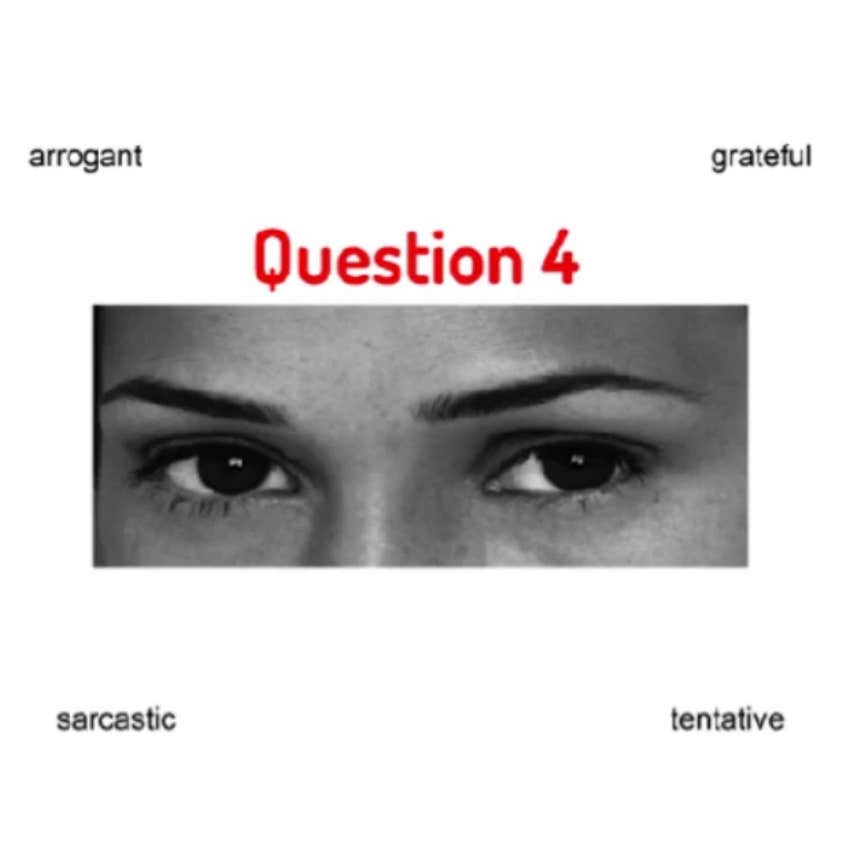
4. Arrogant, grateful, sarcastic, or tentative?
 TikTok
In this question, it’s hard to determine whether the woman in question is giving the evil eye or being seductive, but if you guessed that she is feeling tentative, you would be correct.
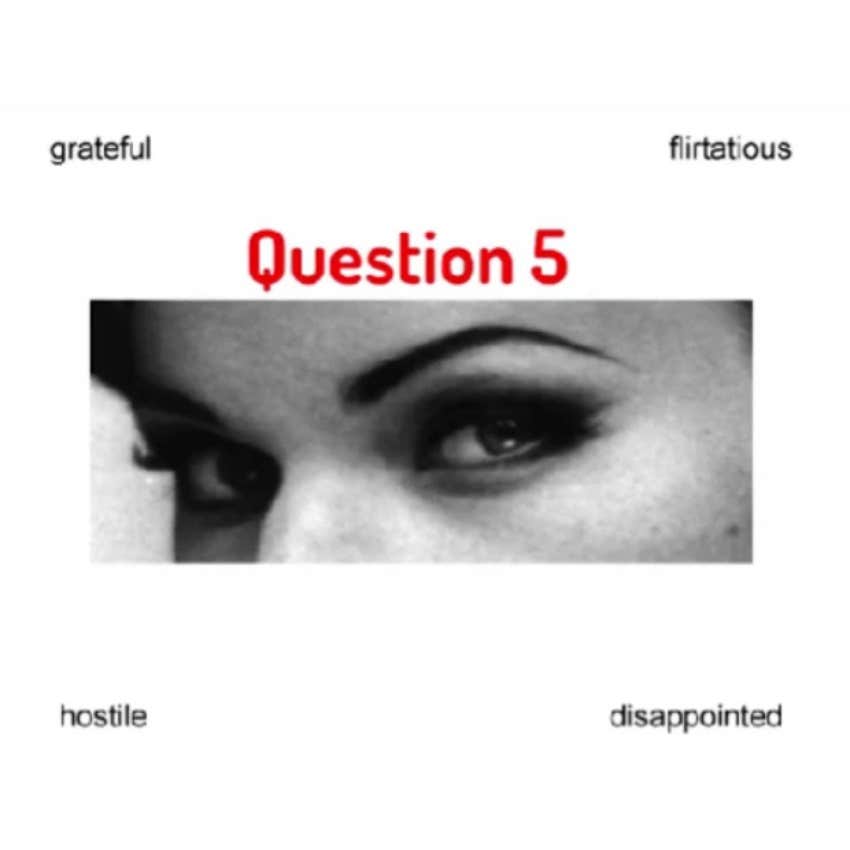
5. Grateful, flirtatious, hostile, or disappointed?
 TetianaKtv / Shutterstock
The woman shown in this picture is being seductive as she looks into the camera. The correct choice here is flirtatious.
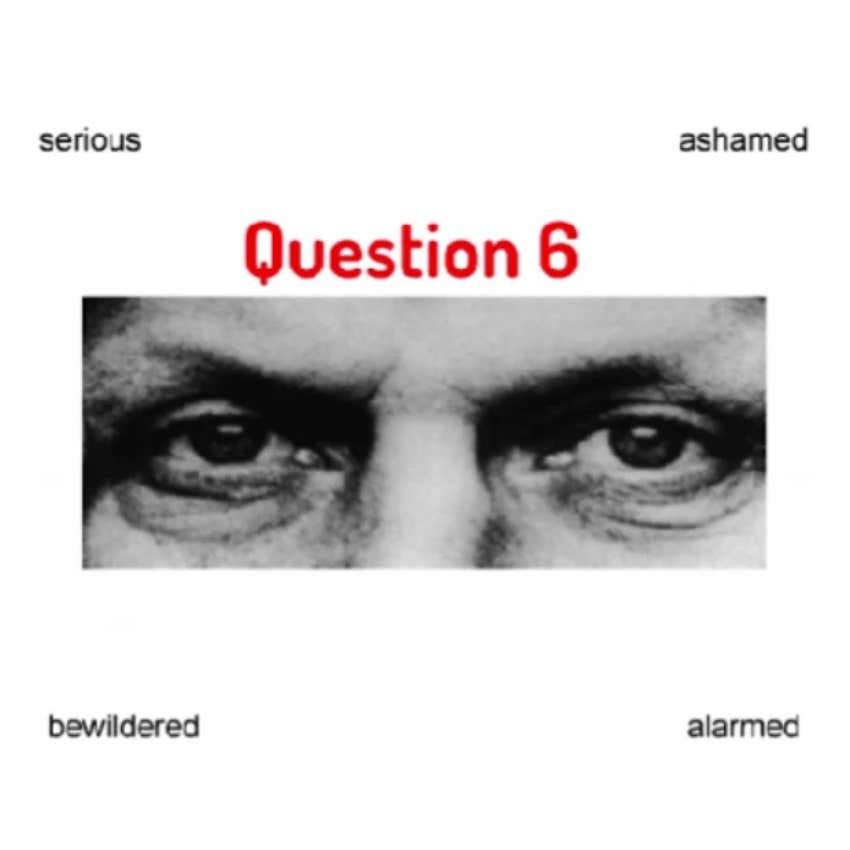
6. Serious, ashamed, bewildered, or alarmed?
 TikTok
The man’s expression seems as if there is underlying anger, but it turns out that he is just serious. How many of these expressions were you able to guess correctly? The more you pick up on, the less likely you are to have awkward social interactions or misread someone’s emotions.
According to a 2024 study, the test has proven to be a reliable and stable measure over time, suggesting that while individual differences exist, the underlying skills can be developed. Whether you aced the test or struggled with some of the more ambiguous expressions, the fact that you're curious about your social intelligence is a positive sign in itself.
Learning to understand nonverbal body language and facial expressions is key to being socially and emotionally intelligent. It can tell you a lot about a person without ever asking a question, and will put you far above others when it comes to understanding what makes people tick.
NyRee Ausler is a writer from Seattle, Washington, and the author of seven books. She focuses on lifestyle and human interest stories that deliver informative and actionable guidance on interpersonal relationships, enlightenment, and self-discovery.
