
People Born In The 50s, 60s, 70s & 80s Have Very Different Ideas Of What Loneliness Looks Like
 fizkes | Shutterstock
Chronic loneliness is a huge predictor of harm that affects our longevity and happiness.
But people born in the 50s, 60s, 70s and 80s have very different ideas of what loneliness looks like to them, and what feels truly isolating in their lives. For some, it's not having community, but for most, it's far more nuanced than that.
What loneliness really looks like, according to people born in the 50s, 60s, 70s and 80s
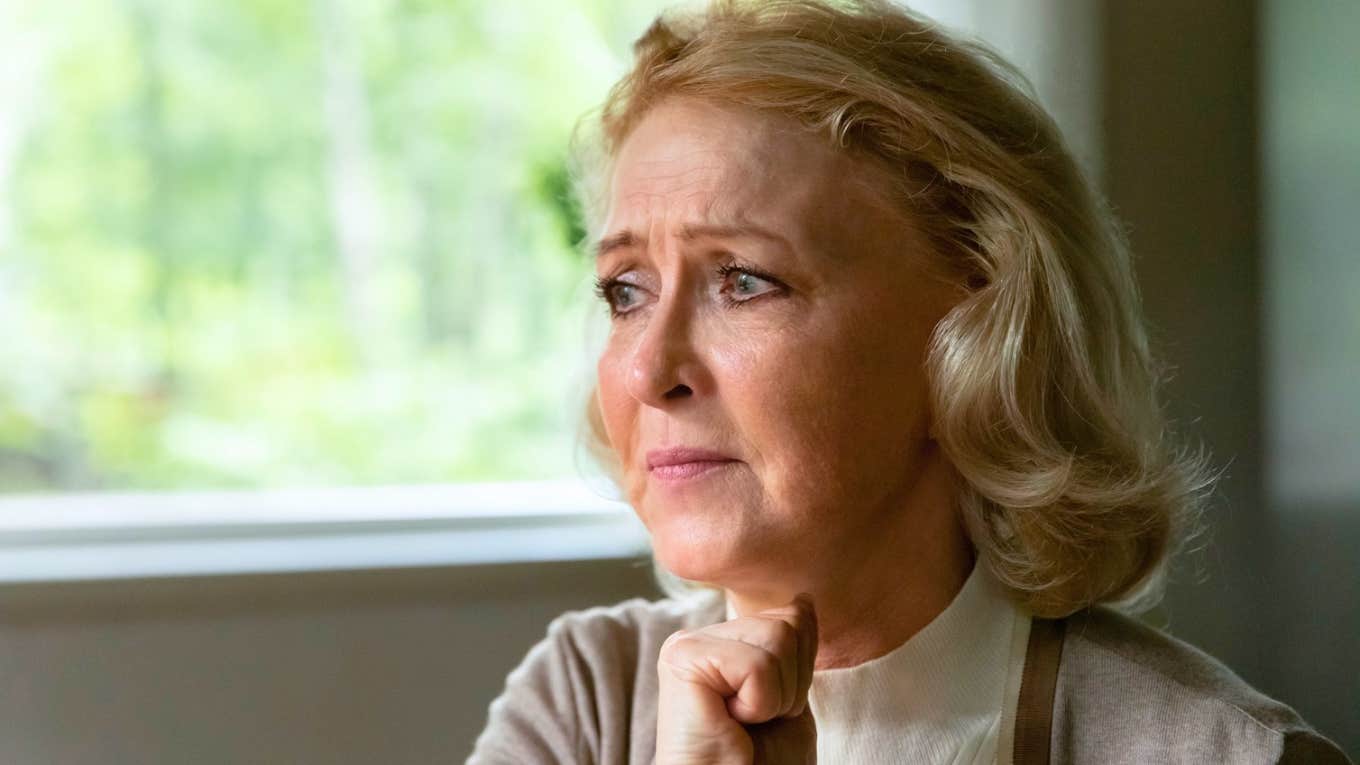
People born in the 50s experience loneliness subtly through identity shifts and aging
For many boomers with strong family values, loneliness comes in seasons. As their kids continue focusing on their own lives and families, the parenthood identity that used to bring them quality time and a sense of belonging can feel more isolating later in life.
 Denise Lett | Shutterstock
Many boomers are also experiencing the lonely effects of aging without investing in more community, at least according to a 2025 study. They're playing background noise on TV and sometimes showing up unannounced at their family's home.
They feel loneliness not as one big experience, but as a subtle one in their daily lives. It often gets attributed to aging and changes to their identities.
Digital divides and changing societal norms make people born in the 60s feel lonely
Similar to the loss of community and third spaces that older boomers face, people born in the 60s often experience loneliness as a tug between how they grew up and the state of the world today.
 Krakenimages.com | Shutterstock
They're needing to learn new technology and ditch their analog roots. But at the same time, they're coming to terms with different values and priorities that make them feel uncertain.
When everything around you changes, and you feel pressured to leave behind what you know, it can very isolating. With the digital divide that many older generations face, it's becoming harder to connect with the people they love and care about, because everyone is choosing convenience over community.
Loneliness is about a lack of purpose for people born in the 70s
Most Gen Xers raised in the 70s are more than used to being alone. Their latchkey childhoods were defined by handling boredom on their own and figuring things out, without someone looking over their shoulders.
 Prostock-studio | Shutterstock
So, while most people consider loneliness a byproduct of spending too much time alone, for these Gen Xers, it's tied to their own personal identity and purpose.
From watching their adult children move out to taking a step back from work, loneliness for Gen Xers comes from a change in what brings them fulfillment. If they're not as important to kids or work, but their self-worth relies on being needed, they're going to feel lonely.
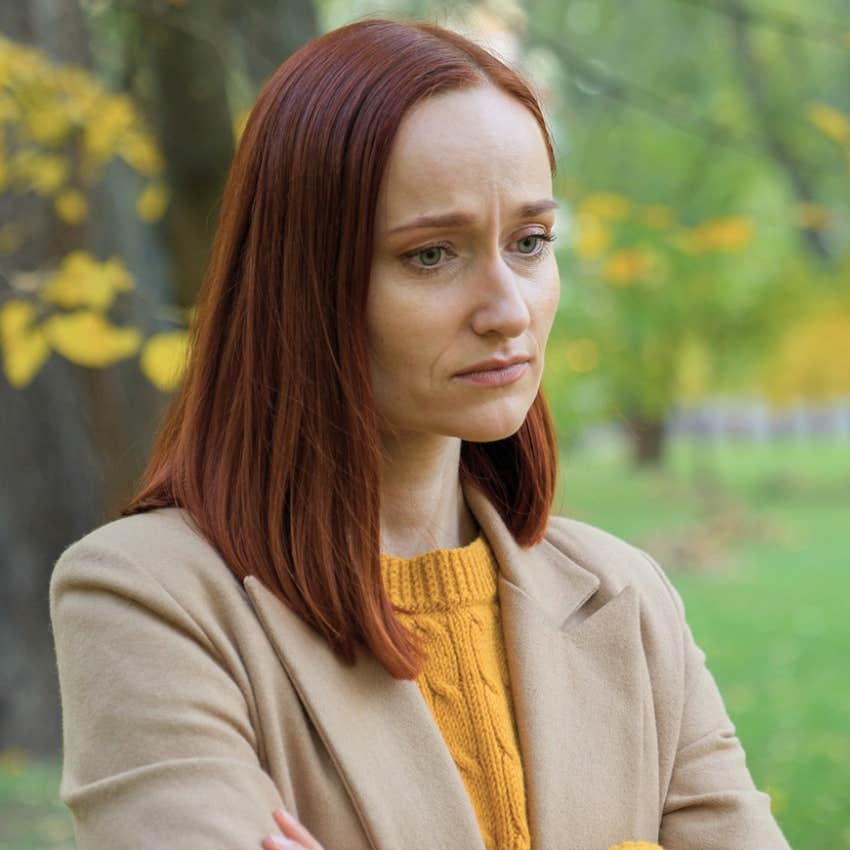
People born in the 80s feel lonely when they feel behind and unseen
Considering they grew up with media and glimpses of technology, many young Gen Xers and older millennials born in the 80s know what kind of social pain comes from feeling excluded.
It could be the connections online and in-person, or being pressured to compare themselves to others. But either way, it's a difficult balance to find comfort.
 MAYA LAB | Shutterstock
This generation, subjected to the comparison culture of TV and the internet, also believes that loneliness stems from experiences of feeling behind everyone else.
Even if it's entirely mental and a fully personal struggle, if someone feels behind and truly invisible, they also feel like an outsider while battling shame at the same time.
Zayda Slabbekoorn is a senior editorial strategist with a bachelor's degree in social relations & policy and gender studies who focuses on psychology, relationships, self-help, and human interest stories.
