
7 Weird Things Your Body Starts Doing After 40 That No One Really Warns You About
 Shane Ryan Herilalaina | Unsplash
 Turning 40 is a milestone that comes with a lot of rumors. We've all heard about the longer hangovers, the gray hairs, and the jokes about how you're going to start gaining weight seemingly overnight.
As you begin approaching 40, it can start to feel like you're rapidly approaching the end of your "peak." You start wondering if your best years are behind you, and you feel like the clock is ticking on everything from your energy levels to your metabolism. But here's the thing: most of those fears are either exaggerated or just plain wrong.
The truth is, your body does start doing some genuinely unexpected things after 40, and most of them nobody actually warns you about. Not the gray hairs or the slower metabolism, but the weird, specific, "wait, is that normal?" stuff that catches you completely off guard.
It's not all downhill, though. With age comes experience, confidence, and a hard-won sense of self. Research shows that self-esteem tends to increase from late adolescence through middle adulthood, which means your 40s may be when you finally start feeling most like yourself.
And a growing body of research finds that a positive outlook on aging itself is linked to better health outcomes. I don't know about you, but I feel 100% more confident at 45 than I did at 25. And I'm still learning. The trick is knowing what's coming so you're not caught off guard.
Here are seven weird things your body starts doing after 40 that nobody really warns you about:
1. In your 40s, your chances of getting pregnant decrease
One of the biggest concerns when turning 40 (especially for women) is the issue of fertility. Obviously, this is only a concern if kids were in your life plan, but assuming they are, this is about where the panic starts to set in.
A lot of us put off having babies to better commit time to establishing our careers and enjoy being young and carefree for as long as we can. But now that 40 is just around the corner, we're worried we're running out of time (and eggs). And, well, it might be justified that we're concerned.
According to Brian A. Levine, MD, who works with CCRN (leaders in research on fertility), not all women's fertility is the same. However, he suggests that female fertility begins to decline as early as 32.
He also notes that simply having plenty of eggs doesn't mean your fertility is healthy. Egg quality is controlled by several factors, and as women age, their eggs are more at risk for having abnormal chromosomes that lower egg quality. This can affect whether or not fertilization will occur and is also the main cause of miscarriage.
Dr. Levine says there is some hope for those of us not quite ready for babies, though. He says that healthy lifestyle choices in your 20s can help maintain fertility into your 40s. Namely, avoiding foods like white rice and white sugar, which cause inflammation, as well as limiting toxic habits like too much alcohol, will all positively impact a woman's fertility down the road.
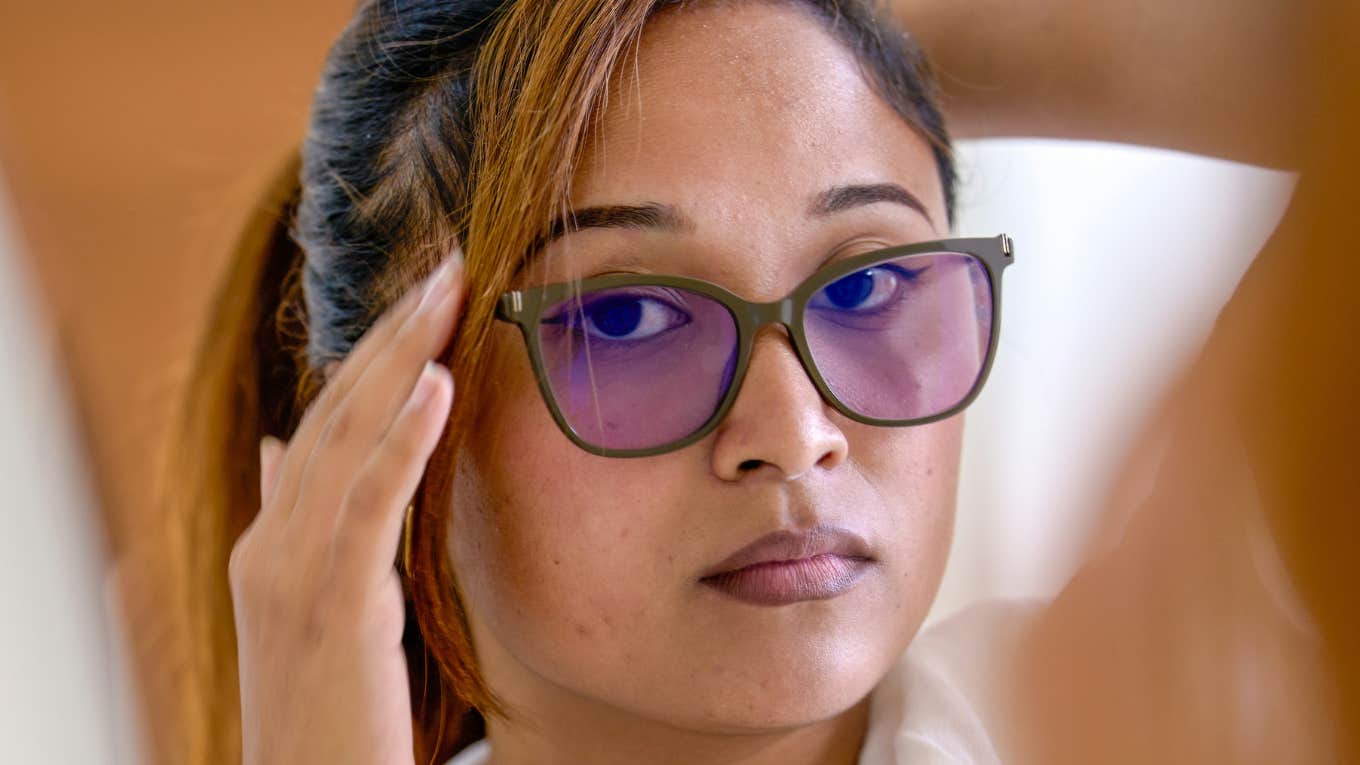
2. In your 40s, your hair starts thinning and might even go gray
 Alexandra Tran / Unsplash
I don't know about you, but I remember my mother getting her first gray hair in her 40s, and I'm not ready for it. It's lower on my list of concerns, but it's still a concern. Really, what freaks me out is that, like, all your hair can go gray (yes, ALL of it!).
According to New York Dermatologic surgeon Dr. Sejal Shah, even eyebrows are affected. As you age, not only can the hair on your head thin and begin to turn gray, but so can your eyebrows. Plus, due to the decrease in elasticity in your skin, they can change position slightly as well.
3. Your bones start to weaken in your 40s
In all honesty, I don't think about this one too much. But it's not a positive aspect of growing older, and I wouldn't say I'm not bothered by the statistics on aging, bones, and women. I'm just going to go drink milk now.
According to Dr. Hodon, a board-certified OBGYN, author, and speaker, your bone strength reaches its max at around age 30, and bone loss thereafter can lead to fractures later on. The good news is that weight-bearing exercise and adequate calcium intake can help slow bone loss significantly, so the choices you make in your 40s really do matter.
4. Your metabolism slows down
 Microsoft Copilot / Unsplash
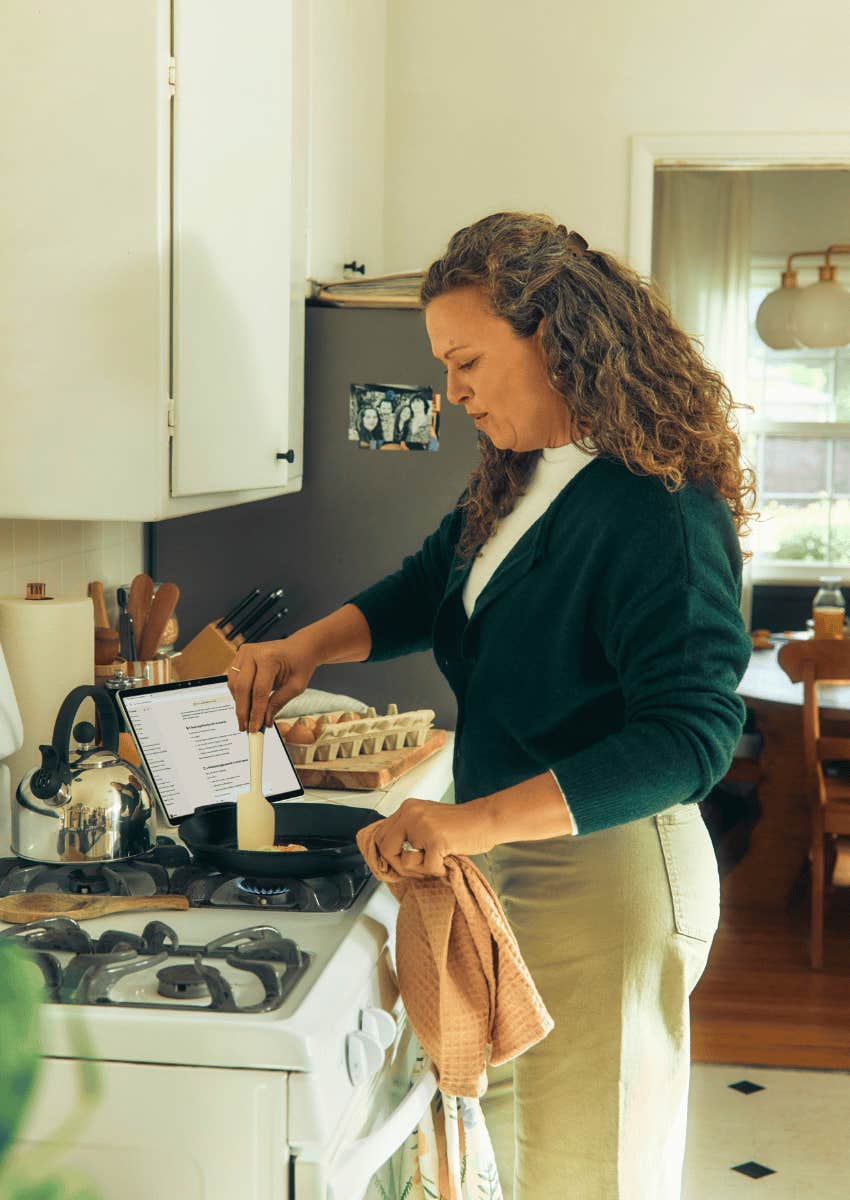
I've always been thin, so for me, the biggest terror of turning 40 is that my days of not having to overly worry about my fat consumption are soon to be behind me. We've all heard the theories behind metabolism slowing down and the increased difficulty in keeping weight off.
Personally, I'm not looking forward to it. According to Dr. Hodon, a slowed metabolism can also lead to the onset of graying hair, fine lines, and wrinkles. Research shows that muscle mass naturally decreases with age while fat mass increases, which is the main driver behind that frustrating metabolic slowdown. The silver lining is that regular strength training is one of the most effective ways to counteract this, since building muscle helps keep your metabolism running higher.
5. More wrinkles start showing up in your 40s
According to Manhattan dermatologist Dr. Joshua Zeichner, skin cell turnover starts to slow down in your 40s, as well as collagen production. So Dr. Zeichner says this is the ideal time to add a topical retinoid to your anti-aging regimen in the evening, which will help stimulate collagen production and help the skin resist wrinkling.
The plus side? He says that acne tends to become less of an issue in your 40s. However, the skin tends to remain oily. Dr. Zeichner says that the earlier you start an anti-wrinkle regimen, the better. He recommends Neutrogena Rapid Wrinkle Repair Serum and CeraVe Facial Foaming Cleanser to help with oily skin.
6. Your menstrual cycle might change
 Getty Images / Unsplash+
Oh, good. And I thought my period was "irregular" now. According to Dr. Hodon, your menstrual cycle can also change after turning 40.
Dr. Hodon says that the decrease of important hormones such as estrogen and progesterone affects the menstrual cycle and can lead to irregular, heavier, or lighter periods, and can cause havoc in women's lives. Some women even start perimenopause, the stage before menopause, in their 40s. This stage also includes varying menstrual cycles, mood changes, and changes in fertility.
7. In your 40s, you're at an increased risk of disease
According to Dr. Raymond J. Tesi, CEO and co-founder of INmune Bio, something coined as "inflammaging" occurs as we get older, meaning inflammation that happens as we age. This phenomenon is what causes age-related diseases like cancer.
"It is because the total of years of chronic inflammation results in biology that is pathologic," Tesi explains. "So inflammaging starts early, but the consequence of inflammaging becomes clinically relevant as we pass into our sixth decade of life."
So, there's still time. Dr. Tesi recommends doing these things as early as possible: do not smoke, as tobacco is a guaranteed fast-track to accelerated aging and inflammation. Control your weight, since obesity significantly increases the risk of chronic inflammation. Exercise regularly, since physical activity stimulates the biological process of shutting down chronic inflammation. And get plenty of sleep and lower stress.
Also, according to Omaha Dermatologic Surgeon Dr. Joel Schlessinger, your risk of melanoma goes up with age. He says that melanoma is one of the most common cancers for young adults, and it's the leading cause of cancer-related death for women aged 25 to 30 years old.
According to the Melanoma Research Alliance, you can help prevent skin cancer by avoiding sun exposure during mid-day, wearing broad-spectrum water-resistant sunscreen and protective clothing, and skipping tanning beds entirely.
Nicole Bradley-Bernard is a freelance writer who has written articles for multiple publications, including YourTango, FINE Magazine, New York Gal Magazine, Momentum Magazine, and more.
