
Neurodivergent People Usually Recharge & Recover In 9 Ways That Have Nothing To Do With Sleep
 Yan Krukau | Pexels
 Everyone needs rest to feel truly refreshed. But traditional restful activities that ordinary people use don't always work for neurodivergent people.
As a 2020 study explains, autistic burnout centering around sensory overload and social exhaustion requires special rest. The same is true for ADHD brains, which tend to process emotions and sensory input much differently. Neurodivergent folks need these unique habits to recharge and recover, most of which have nothing to do with sleep.
How neurodivergent people recharge and recover that have nothing to do with sleep
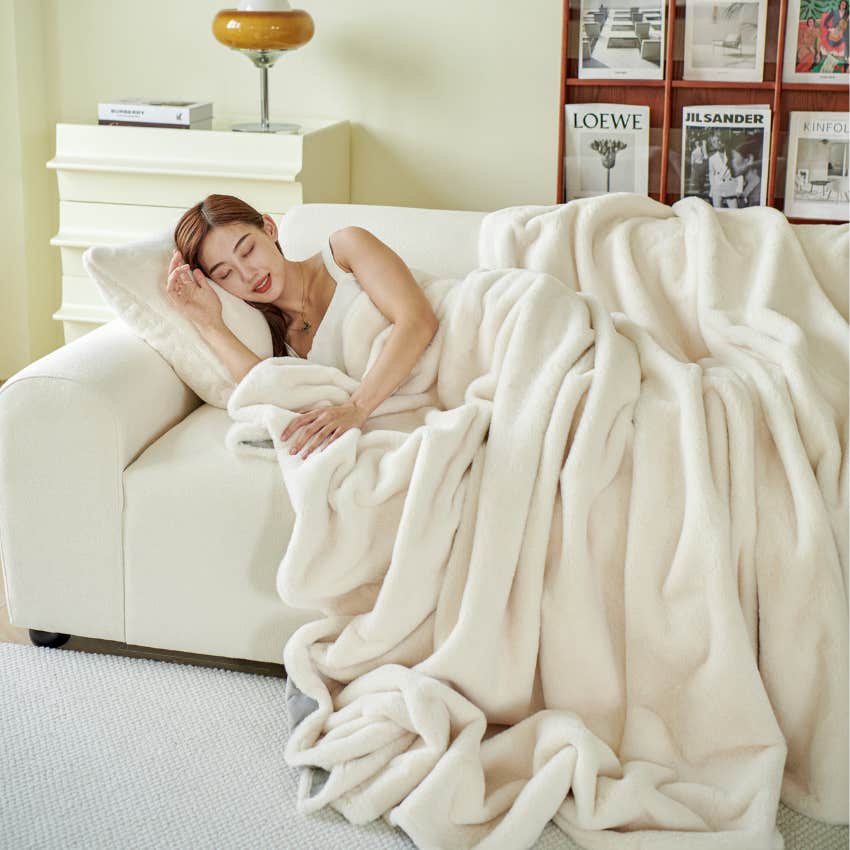
1. Resting with weighted blankets
 SlipcoverKAS .COM | Pexels
When it comes to sleep, a study from Occupational Therapy International suggests that weighted blankets can help ease insomnia for people sensitive to overstimulation. For neurodivergent people with a heightened sensitivity to overstimulation in their daily lives, just resting with a weighted blanket can help.
They don't even have to sleep. Sometimes, the pressure and calming weight of these blankets is comforting enough, without having to seek out reassurance from people.
2. Taking a long shower
For many people dealing with chronic stress or emotional burdens, long showers can be somewhat relieving. It's a literal means of washing our bodies, but in a way, we're also washing off tension and stress and starting fresh.
For sensitive neurodivergent people, taking showers in a low sensory environment can both reduce stress and reduce the risk of overstimulation after an emotionally stressful day.
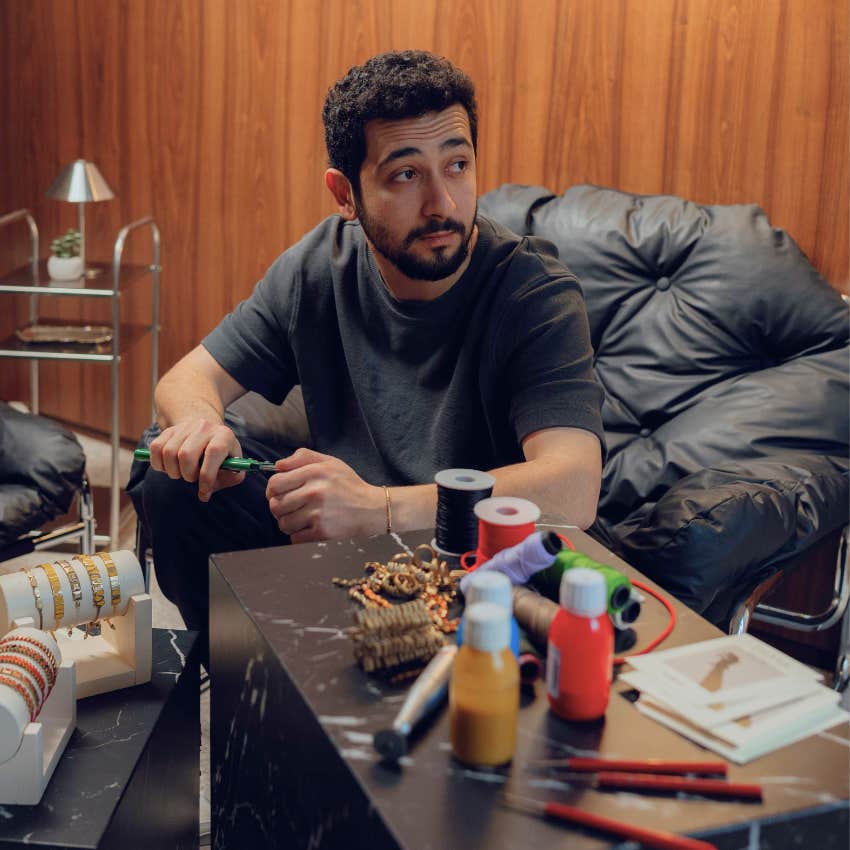
3. Knitting or sewing
Many of the hobbies that require people to get out of their heads, like sewing or knitting, are perfect restful for neurodivergent people. They simultaneously engage in a positive sensory experience with their hands, while also calming their nervous system.
When it becomes a soothing, somewhat automatic experience, people with restless minds or even ADHD can use this to stop their overthinking and quiet their minds.
4. Listening to music
According to a 2023 study, calming music can often regulate autonomic responses and calm a person with ADHD's nervous system. When it blocks out sensory information from an environment that may otherwise cause chaos or overstimulation, it's the perfect way to recover and recharge without having to completely isolate.
They may put on headphones in the office or spend their evenings doing chores with music playing on the TV. Either way, this calming background noise helps them recover in a world driven by noise and loudness.
5. Solving jigsaw puzzles
 kaboompics.com | Pexels
Many physical hobbies, like coloring or doing puzzles, induce a flow state that a neurodivergent person struggles to capture in the chaos of their day. It calms their mind and helps regulate their nervous system, without any heavy focus or reflection.
Instead of spending time alone and letting the thoughts from the entire day flood into their minds, they regulate and relieve stress just by tapping into this hobby.
6. Watching comfort movies
Coming back to comfort media like TV and movies can be the perfect hobby to relax and recharge. When it's used as a positive distraction, it gives them a break from their life and offers a chance to relax without anticipating what's going to happen next.
The same goes for reading comfort stories and novels. There's a level of certainty and predictability that allows someone to escape into a world that isn't causing stress or unease.
7. Spending time with pets
Many experts suggest that spending time with animals and being around your pets can help reduce the stress hormone cortisol. The more time we spend with them, the more calm and regulated we feel, even if it's just being in the same room or going for a walk.
For neurodivergent people who may need a break from the overstimulation of their worlds, but may not want to be completely alone, having a pet to come back to can offer a sense of meaning and purpose.
8. Going out alone
Neurodivergent people often recharge by spending time alone. They may take a solo walk in nature or go to a restaurant without having to entertain anyone else. Yes, sometimes that means reading or relaxing at home alone, but it doesn't have to.
Sometimes, solo dates or running errands with music is just as powerful for rest, because they're avoiding the draining feeling of being around small talk. Most of the time, much like introverts, these people find alone time recharging, rather than overwhelming and scary.
9. Diving into a creative interest
 Seljan Salimova | Pexels
Sometimes, the mental flow state we're yearning for is waiting on the other side of alone time. When we're around others or battling a lot of stress, it can be hard to immerse ourselves in our interests or dive into a creative project without being completely overwhelmed
That's part of why creative people need more idle time. While social flow often has more influence than solitary flow, sometimes this space is necessary.
Zayda Slabbekoorn is a senior editorial strategist with a bachelor's degree in social relations & policy and gender studies who focuses on psychology, relationships, self-help, and human interest stories.
