
People Raised In The 60s, 70s & 80s Usually Respect 9 Traditions Younger Generations Would Rather Get Rid Of
 RDNE Stock project | Pexels
 Gen Xers and some baby boomers raised in the 60s, 70s and 80s lived in a different world. Society as a whole has vastly changed from decades ago, and some experiences of the past are no longer relevant today.
So, on top of beliefs and opinions, young people would prefer to get rid of certain traditions, despite older generations continuing to appreciate them.
Traditions young people want to get rid of that people raised in the 60s, 70s, and 80s still respect
1. Respecting elders
 M_Agency | Shutterstock
Gen Zers believe that respect is a two-way street, which is part of why they refuse to accept and follow this idea. When they're being mistreated, they're not going to offer someone respect in return for not getting it.
Boomers and Gen X kids grew up being expected to tolerate this kind of behavior and respect their elders, no matter the situation. Now that they've put in the work to be on the opposite side of that dynamic, they're frustrated by Gen Z's "lack of respect."
Even in family situations, Gen Zers are more likely to cut off contact or walk away from relationships when they're not being treated respectfully, and it feels like a personal attack.
2. Hustle culture
Burnout and exhaustion are a badge of honor for so many older generations, because they were taught to respect the traditions of working hard. Putting your personal time on the line for work was an exercise in company loyalty, and your work ethic defined you as a person.
But Gen Zers, who are far more interested in protecting their work-life balance, are not afraid to push back on hustle culture. They'd rather get rid of the expectation that someone's work ethic defines who they are, especially because they care more about meaning and fulfillment than burning themselves out to prove their worthiness.
3. Hiding mental health problems
Growing up in the 60s, 70s and 80s usually meant keeping things private. Whether it was mental health issues or family problems, these generations of young adults and kids learned that they should be afraid to express their vulnerable selves to the world, because they'd be criticized and judged.
However, this only created a stigma around mental health that many older generations are still battling with today, compared to young people being more open about expressing themselves and seeking help. They don't have to hide anymore or pretend like they're okay, even if they feel pressured to by their parents and grandparents.
4. Following strict dress codes at work
With an emphasis on flexibility and comfort, young workers entering corporate spaces are annoyed by strict dress codes. Not only is it rooted in gender expression they're already pushing back on, but it's uncomfortable for so many people who don't already have these pieces in their closets.
Older generations find meaning and identity in these dress codes they've been following for decades, but for young people with a challenger mindset, it's not always a tradition they're excited about or interested in adhering to.
5. Holding onto the same holiday traditions
 bbernard | Shutterstock
Many Gen Zers are stepping away from tradition, in general, whether that means cutting off contact with toxic parents or making their own holiday traditions away from their families. They don't feel the same pressure to show up at events and gatherings that only drain their energy, despite what everyone thinks and says.
For older generations, family time and traditions are part of their identity. They're a core value they refuse to get rid of, which is why Gen Z's stance is often so harsh and frustrating.
6. Mailing physical holiday cards
Holiday cards and handwritten letters are going out of style. With the rise of more convenient methods of communication, like text messages and phone calls, young people refuse to spend their money and time on physical cards.
When people are sharing photos and updates on their lives all the time through social media, there's really no need for holiday cards, at least to most young people.
7. Dressing up to travel
Despite being a luxury for most people a few decades ago, most people today are flying and navigating airports regularly. For young people with corporate jobs that require travel, they're in the airport every other week. So, if they don't have to, wearing uncomfortable work clothes on the plane isn't something they're choosing to do.
For older generations, it might feel like a tradition that everyone needs to respect. But why make something more uncomfortable for the sake of respecting a luxury that's fully in one's own power to afford and embrace?
8. Lifestyle timelines and dating expectations
Whether it's feeling pressured to have kids or to get married right away, Gen Z is pushing back on the kinds of traditional timelines that their parents and grandparents often felt obligated to follow.
They might choose to stay single or adopt an unconventional kind of relationship, taking an entirely different path than what older generations expected of them. They're pushing back on these timelines because they don't want to feel trapped in their own lives.
9. Preserving family heirlooms
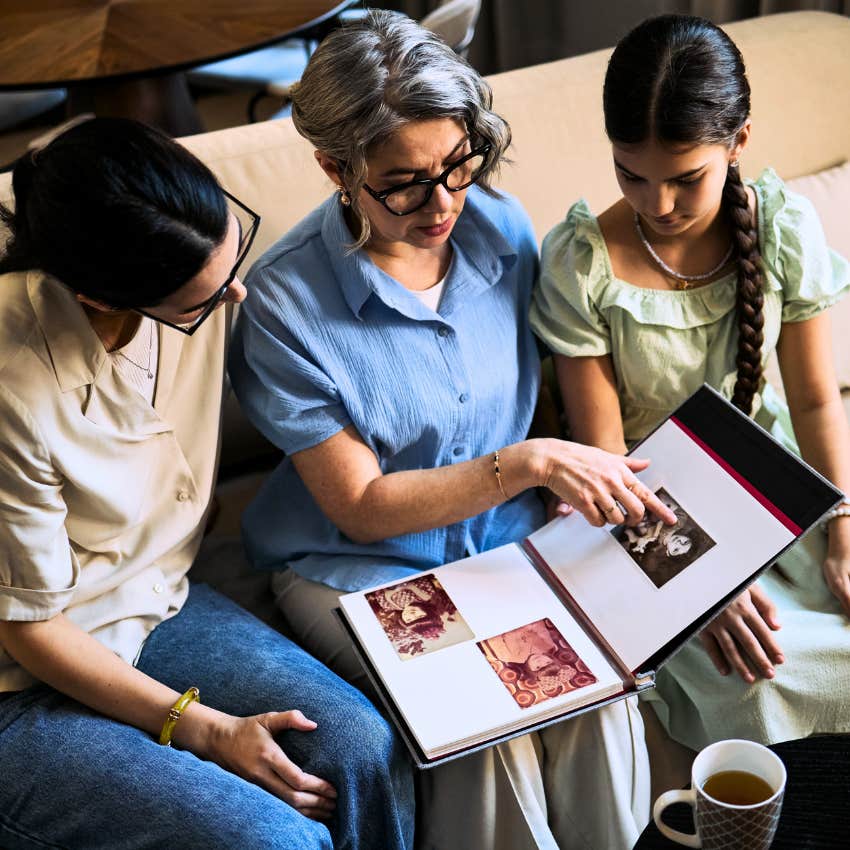 Dragon Images | Shutterstock
Gen Zers aren't interested in family heirlooms like their parents and grandparents. For some, it's because they don't have the space or money. For others, it's a preference for experiences, and not wanting to be responsible for something like a china cabinet that may not even be sentimental to them.
Compared to Gen Xers and boomers who learned to respect these heirlooms that would be passed down to them, it just looks different for young people today.
Zayda Slabbekoorn is a senior editorial strategist with a bachelor's degree in social relations & policy and gender studies who focuses on psychology, relationships, self-help, and human interest stories.
