
People In The 60s, 70s & 80s Learned 8 Things From Failure That Younger Generations Don't Really Learn Anymore
 Bricolage | Shutterstock
 People who grew up in the 1960s, 1970s, and 1980s often had fewer ways to escape their mistakes and the consequences of their choices.
Unlike today's younger generations, many were expected to work through problems without immediate answers or constant distractions, and failure was seen as a chance to build resilience.
Here are 8 things older generations learned from failure:
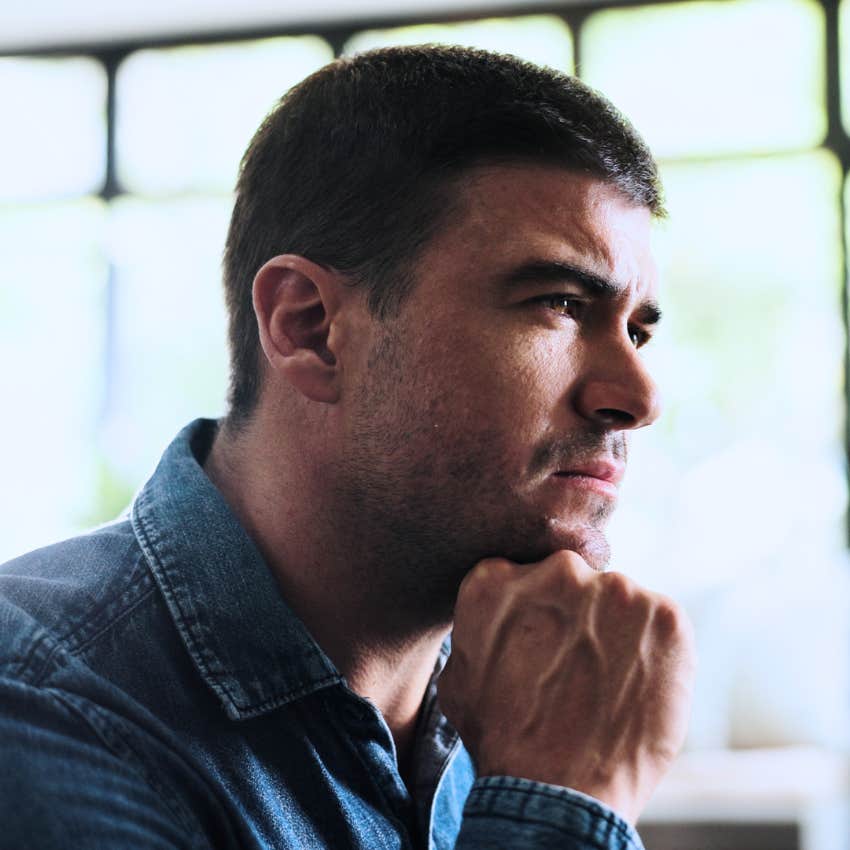
1. How to sit with emotions without distraction
 PeopleImages | Shutterstock.com
Screen time, online distractions, and our phones are shrinking our attention spans in so many nuanced ways. However, they’re also affecting our ability to sit with and process emotions, especially when we’re alone or in a silent space.
Modern people are so wired to turn to their phones for comfort or to put on background noise on the TV, not realizing that they’re avoiding the silence and introspection they need to grow. Reflection is how people truly grow and evolve, especially in the wake of a mistake or self-perceived failure, but when they turn to distractions, they avoid this time of personal reflection entirely.
However, in the 60s and 70s, when kids and young adults had no choice but to face their emotions, they inadvertently learned emotional regulation and reflection skills. Even if it was uncomfortable and scary, they faced the areas of themselves that needed to grow.
2. They couldn't do everything on their own
In today's hyper-competitive culture, so many people develop hyper-independent behaviors that sabotage their growth. They think that to be truly successful, they have to do it all on their own, without accepting feedback, seeking support, or sharing their obligations with others.
Not only is this isolating, but it also sabotages their ability to grow by leading them to accept someone else’s perspectives or advice. Yes, sometimes doing things independently is a great way to develop a strong work ethic, but actively avoiding support can be limiting. You can only learn and grow from a mistake so much before someone else’s perspective, ideally someone who’s been in your shoes before, has more to offer you.
3. Their actions came with consequences
Many authoritative parenting styles of older generations centered around discipline, authority, and accountability. Kids had no choice but to accept and manage discipline when they made a mistake. Whether it was a time-out where they were forced to regulate emotions on their own or forced apologies they had to cope with, there was little bargaining.
Compared to the gentler parenting styles today that give kids’ emotions center stage, they learned to accept discipline as it was offered. They learned to take accountability without being told that there was another routine. They took personal responsibility instead of trying to externalize it to others.
4. How to tolerate discomfort
When we’re open about seeking out discomfort, we grow as people. However, people who cling to their comfort zones, as so many in our age of ease and convenience do, remain stagnant and miss out on opportunities to grow through challenges.
In the 60s and 70s, people had no choice but to lean into the challenge. Especially with the “figure it out” mindset of their parents, grit and resilience came from doing things the hard way, instead of looking for an easy out or running from accountability. They learned from failure because they sat with it and found ways to deal with discomfort, without all kinds of distraction and avoidance.
5. How to take personal responsibility when something went wrong
 PeopleImages | Shutterstock.com
Especially for these generations of kids who spent most of their time unsupervised, learning to take accountability and work through issues on their own was an obligation. Yes, they learned social skills and creativity from this unstructured time growing up, but they also unlearned the dependent nature many young adults today still have ingrained from coddled childhoods.
When something went wrong or they made a mistake, their instinct became “How can I figure this out?” instead of “Who can solve this for me?” They took control of the direction of their lives and figured out how to rely on themselves, and they’re better off today because of it.
6. How to cope with the natural consequences of their choices
In an era of convenience, we’re not just learning how to take the easy way out. People are also figuring out how to sidestep the natural consequences of their actions and avoid accountability for their mistakes. It’s easier to avoid embarrassment and to pretend like a mistake didn’t happen than to face natural consequences as an opportunity to grow.
Old-school kids grew into more resilient adults because they had no choice but to face consequences. Whether it was discipline from parents, bad grades at school, or hard conversations, they were expected to cope with the complex emotions that came from the consequences and learn to be better through those hard situations.
7. How to figure things out without having all the answers
Without instructions for handling their emotions or a manual for dealing with consequences, many people in the 60s and 70s had to tolerate uncertainty. They grew from failure by leaning into the discomfort of not knowing exactly what to do.
Compared to young people today, who have every resource at their fingertips, including parents and escape routes to offload blame, these older generations of old-school adults learn to appreciate uncertainty as a means of personal growth.
8. How to keep failure from defining who they are
 MAYA LAB | Shutterstock.com
Part of why many young people today struggle to accept failure and make mistakes is that they’re trying to cope with an insecure sense of self. They believe that making a mistake or admitting not to know something is a weakness of character, rather than a doorway to personal growth.
However, for older generations of people raised in a culture of grit, resilience, and strength, facing failure head-on was something to be proud of. They built a strong foundation of self from being on their own and figuring things out, so passing mistakes and failures didn’t put their whole identity in jeopardy.
Zayda Slabbekoorn is a senior editorial strategist with a bachelor’s degree in social relations & policy and gender studies who focuses on psychology, relationships, self-help, and human interest stories.
