
Gen Z, Millennials, Gen X & Boomers Have Completely Different Ideas Of What It Means To Be Resilient
 PeopleImages | Shutterstock
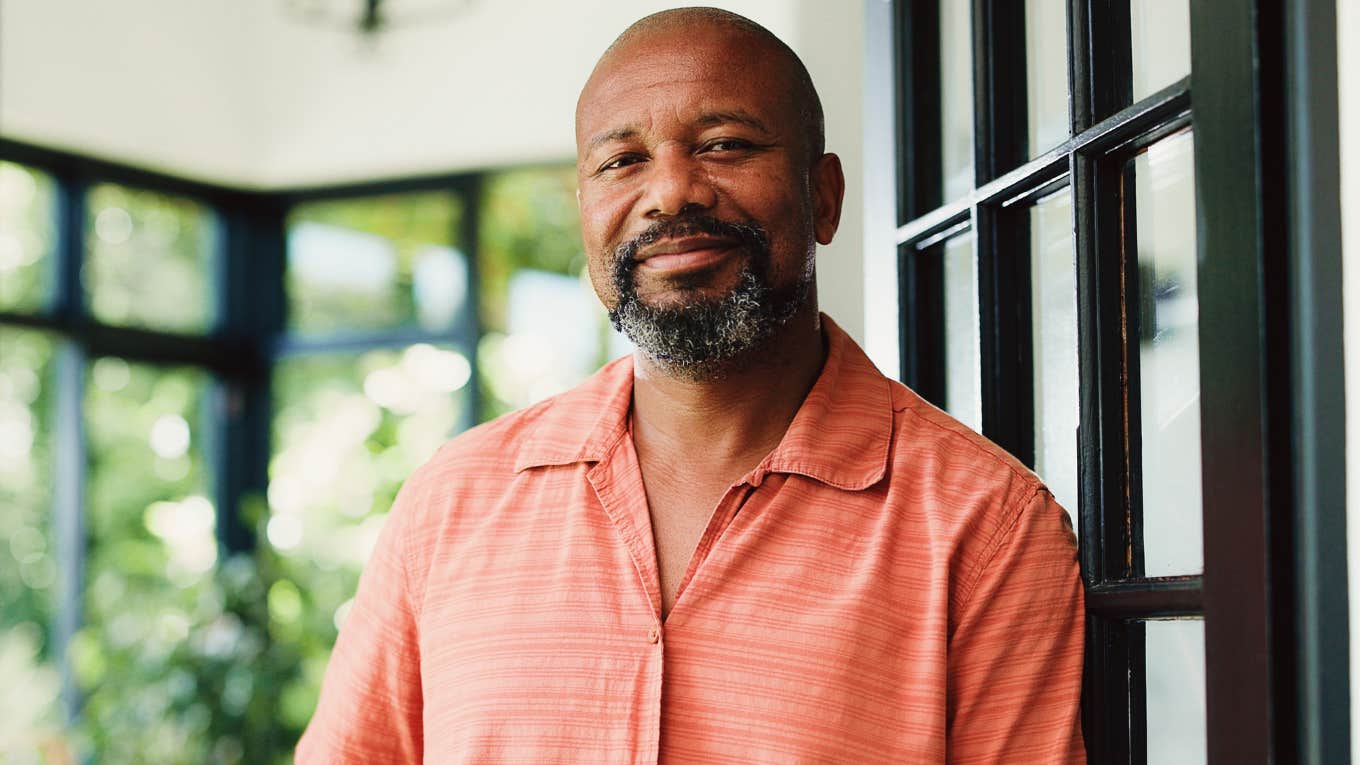
 Resilience is the ability to adapt to challenges and keep moving forward. However, what that actually looks like can vary dramatically depending on which generation you ask.
Each generation from boomers to Gen Z has grown up facing different cultural and technological realities, giving them distinct perspectives on what it means to persevere. These differences reveal a lot about how people from different eras understand survival and success.
Being resilient looks different to every generation from boomers to Gen Z.
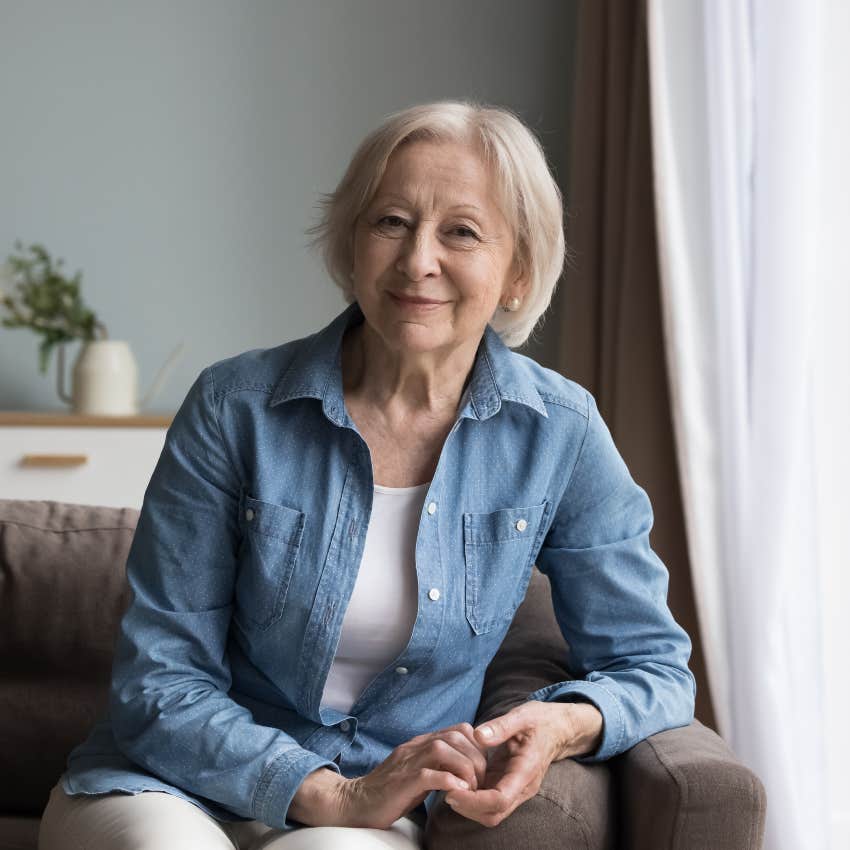
For boomers, resilience is rooted in the belief that challenges are something to be faced head-on. When something goes wrong, they don't run and hide. They work through difficult circumstances and take responsibility for their mistakes.
 fizkes | Shutterstock
This generation values weathering setbacks without giving up. Whether it means staying committed to a career or providing for a family, strength is often associated with perseverance. Asking for help is seen as a last resort rather than a sign of strength, and being able to overcome adversity alone is the true measure of character.
Boomers still use this perspective in how they approach life today. They view any problem through the lens of grit. No matter the obstacle, they show up and find a way forward.
Gen X sees resilience as figuring things out without guidance.
If the boomer generation is known for powering through tough times, Gen X is known for saying they'll figure it out and actually doing it.
Gen X was raised on independence and self-sufficiency. If something broke, you fixed it. If life got messy, you dealt with it and kept going. That hasn't changed. Their version of resilience is less about pushing yourself through hardship and more about becoming adaptable and resourceful.
 Dusan Petkovic | Shutterstock
At the same time, members of Gen X are now living in a world that encourages more emotional openness than the one they experienced as kids. This creates an interesting balance between the values they grew up with and the ones they want to pass on to younger generations. Their type of resilience might not be the one that's the loudest, but it still shows confidence that comes from having dealt with plenty of change before.
Millennials find resilience through balance.
Resilience goes beyond simply surviving difficult circumstances for millennials. They want to thrive without also giving up their mental health in the process.
As the first generation to come of age alongside social media, many members of this generation entered adulthood during a difficult time. However, rather than just trying to bulldoze every obstacle they came across, many began to question whether the constant hustle was truly worth the cost.
 Perfect Wave | Shutterstock
That shift helped them redefine what resilience looks like. Instead of viewing burnout as a badge of honor, millennials champion conversations about work-life balance and setting healthy boundaries. They challenge long-held ideas that success requires endless sacrifice. Generally, they consider resilience to be adapting to setbacks while also making space for rest and personal growth.
Gen Z views resilience as knowing and respecting your limits.
The youngest generation understands that resilience doesn't mean pretending everything is okay all the time and powering through until you hit your breaking point. They recognize that something isn't working and take action before it can do real damage.
Gen Z has experienced stress in a way that no other generation has before. The result is that they see resilience as putting emotional awareness and self-preservation front and center.
 Drazen Zigic | Shutterstock
They're some of the biggest advocates for normalizing mental health conversations. They don't view asking for help as a failure.
Critics sometimes frame Gen Z as being too soft or overly sensitive, but they're not rejecting resilience. They're simply redefining it. Their approach revolves around developing the support systems and coping strategies needed to recover from hardships and keep going.
Kayla Asbach is a writer with a bachelor's degree from the University of Central Florida. She covers relationships, psychology, self-help, pop culture, and human interest topics.
