
Smart, Happy People Steal These 9 Things From Their Grandpa's Evening Routine To Protect Their Peace
 The Rabbit Hole | Shutterstock
 We're quick to make fun of our grandparents for their old-school bedtime routines, until we're desperate for rest and routine.
Smart, happy people steal certain rituals from their grandpa's evening routines to protect their peace, some of which chronically exhausted people might judge. But whether it's tinkering with specific hobbies or creating rituals for a night of restful sleep, all of us could benefit from creating intentional space for rest at the end of every day.
Smart, happy people steal these 9 things from their grandpa's evening routine to protect their peace
1. Going to bed early
 PeopleImages | Shutterstock
Despite being popularly recognized as a young person's quirk, night owl behaviors are often associated with worsened mental health. The later you stay up, especially when it lowers sleep duration, the more stressed and anxious you become. However, as a study from the National Institute on Aging explains, older people reap all kinds of benefits from a natural shift away from night owl tendencies with age.
Not only does going to bed earlier and getting better sleep improve their quality of life generally, as a 2022 study found, but they also feel and show up better in daily life. They're rested, because they invest in their sleep, instead of saying "yes" to plans and distractions that come at the expense of good sleep.
2. Drinking herbal tea
While there are pros and cons to consuming anything before bed, many older people find that drinking tea in the evening has become a kind of ritual for them. Not only does it serve as a cue to their brains that it's time to relax and wind down, but it's warming and relaxing on its own.
Whether it's reducing anxiety or crafting space for mindfulness outside of pressures toward urgency, the smartest, happiest people adopt these kinds of rituals. They protect their peace, but they also carve out space consistently to invest in their well-being and mental health every single night.
3. Leaving their phone in another room
Using an old-school alarm clock and plugging their phone in away from the bedroom are somewhat second-nature habits for many older generations. However, they're especially helpful and healthy for young people, who often sabotage their sleep and rest by bringing a screen into their beds.
Instead of getting sucked into their phones when checking the time or doomscrolling to avoid the day in the mornings, everyone could benefit from screen-free routines. Even if they have to adopt the analog hobbies of their grandparents, like reading in bed, it's better for them in the long run.
4. Watching comfort shows
While we've been taught that media before bed is a means of self-sabotaging our sleep, experts suggest that it doesn't always have to be bad. Especially when it comes to comforting shows or podcasts, sometimes these can be great cues to wind down.
For some older people, they're even a coping mechanism for loneliness that prevents some of the more harmful mental health effects of stillness and silence. So, if you're finding it difficult to sit in silence at night, but don't want to turn to your phone as a distraction, ease yourself into stillness with a show or piece of media you already know that you love.
5. Changing into pajamas
 Barmaleeva | Shutterstock
Sometimes, all we need before bed is a cue to help us wind down. For some people, that's dimming the lights. For others, it's brewing and sitting down with a cup of tea.
If you've ever had a sleepover at your grandparents' home, you know they also usually leverage pajamas as a bedtime cue. Flannel matching sets are just one of the many staples in a grandpa's closet, and they're a reminder that comfort is profound.
While pajamas themselves don't necessarily predict better sleep outcomes, being comfortable and cool do. So, the next time you're investing in your bedtime routine, maybe set a few pajama options aside that can serve as a personal cue to wind down.
6. Doing chores before bedtime
There's nothing quite like waking up to a clean house. While we usually justify our own procrastination with excuses like "I'll do it tomorrow," compared to our grandparents, who seem to have all the time in the world, the truth is that we're better off cleaning and de-cluttering before bed.
Not only is the act of cleaning a de-stressor that can serve as a cue for bedtime, but we also combat morning anxiety by waking up without clutter. Even if doing dishes before winding down or making a bed a few hours before we get into it feels impossible, take a note from your grandpa's book and consider how great it will feel for your future self.
7. Spending time outside
According to UCLA Health experts, there are all kinds of benefits to spending time in nature and going outside at any point in the day. However, especially in the evening hours, it can help to release stress that keeps people up at night and makes it hard to fall asleep.
Whether it's sitting on the porch in silence or going for a walk without distractions and expectations, these old-school evening habits are seriously influential for young people trying to protect their peace and sleep.
8. Tinkering with their hobbies
We often imagine that our grandparents are constantly tinkering with their hobbies every single day. For grandpa, it's going out into the garage or reading on the porch. We envy the mindfulness and calmness they tend to feel. We wish we had the same kind of ease and freedom.
But having and making space for hobbies is accessible for most people. They're also incredibly influential to our happiness and health, at least according to Harvard Health experts.
At the end of the day, if tinkering with hobbies and spending 20 minutes reading a book is a consistent part of our routine, it's a cue. It's a reminder to wind down. It's the key to protecting our well-being and sleep, even when our lives and the world feel chaotic.
9. Using a white noise machine
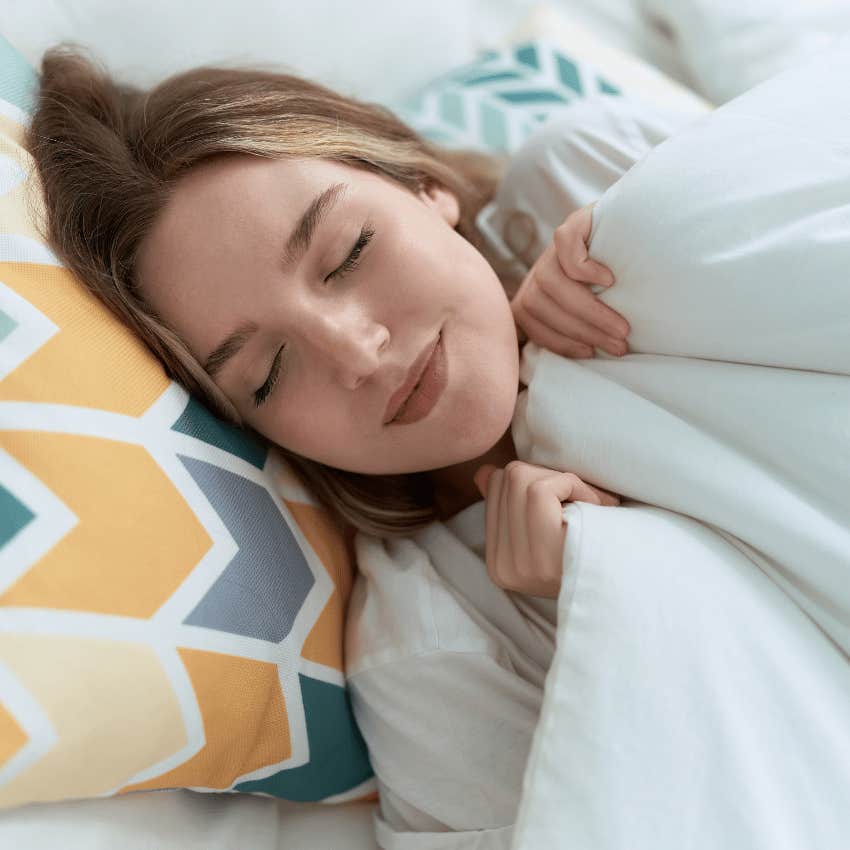 Krakenimages.com | Shutterstock
Blocking out distractions for sleep and noise pollution in busy living spaces is key to health. Yet, we often perceive white noise machines as a tool only our grandparents would use.
Especially in incredibly noisy areas and living environments, white noise can actually be seriously influential for sleep and rest, at least according to a 2021 study, helping to block out certain distractions. It's how we protect our space for rest, instead of letting it control how well we sleep. And, in turn, how we show up in our daily lives.
Zayda Slabbekoorn is a senior editorial strategist with a bachelor's degree in social relations & policy and gender studies who focuses on psychology, relationships, self-help, and human interest stories.
