
6 Rare Traits Of Super-Agers Who Keep Their Bodies And Minds Younger For Longer
 shurkin_son | Canva
 As we grow older, our memory tends to fade. But for the lucky few, this may not always be the case. Family physician and best-selling author Dr. Mark Hyman specializes in all things health-related. In an Instagram post, he identifies who these people, referred to as super-agers, are, and the rare traits we can cultivate to live like them.
What is a super-ager? According to the National Institute on Aging, “Some people remain cognitively sharp into their 80s, 90s, and beyond, defying the common assumption that cognitive decline is a natural part of aging.” These people are known as super-agers, and there's a lot we can all learn from them. For starters, super-agers do not exhibit the same degree of wear and tear found in other people around their age.
Instead, researchers found that the memory, attention, cognitive control, and motivation regions of their brains are thicker in super-agers compared to their counterparts. According to the study, “Researchers found that super-agers' brains contained a much higher density of a particular type of cell called Von Economo.”
This is important since these neurons tend to be associated with both awareness and social intelligence. So how do we become like super-agers then? There are a few rare traits Dr. Hyman observed in super-agers that the rest of us can try to emulate.
Here are 6 rare traits of super-agers who keep their bodies and minds younger for longer:
1. Super-agers stay physically active
 Getty Images / Unsplash+
Research from the CDC explains, “Physical activity can help you think, learn, problem-solve, and enjoy an emotional balance. It can improve memory and reduce anxiety or depression.”
In one study, researchers found that people who exercise less tend to experience cognitive decline compared to their counterparts. If you aren’t sure how often you should work out, here are some weekly guidelines from the CDC:
- 150 minutes of moderate-intensity workouts or 75 minutes of vigorous-intensity workouts
- Two or more days of muscle strength training
- Three days of balance activities for adults 65 or older
2. They make a habit of learning something new all the time
 Vitaly Gariev / Unsplash
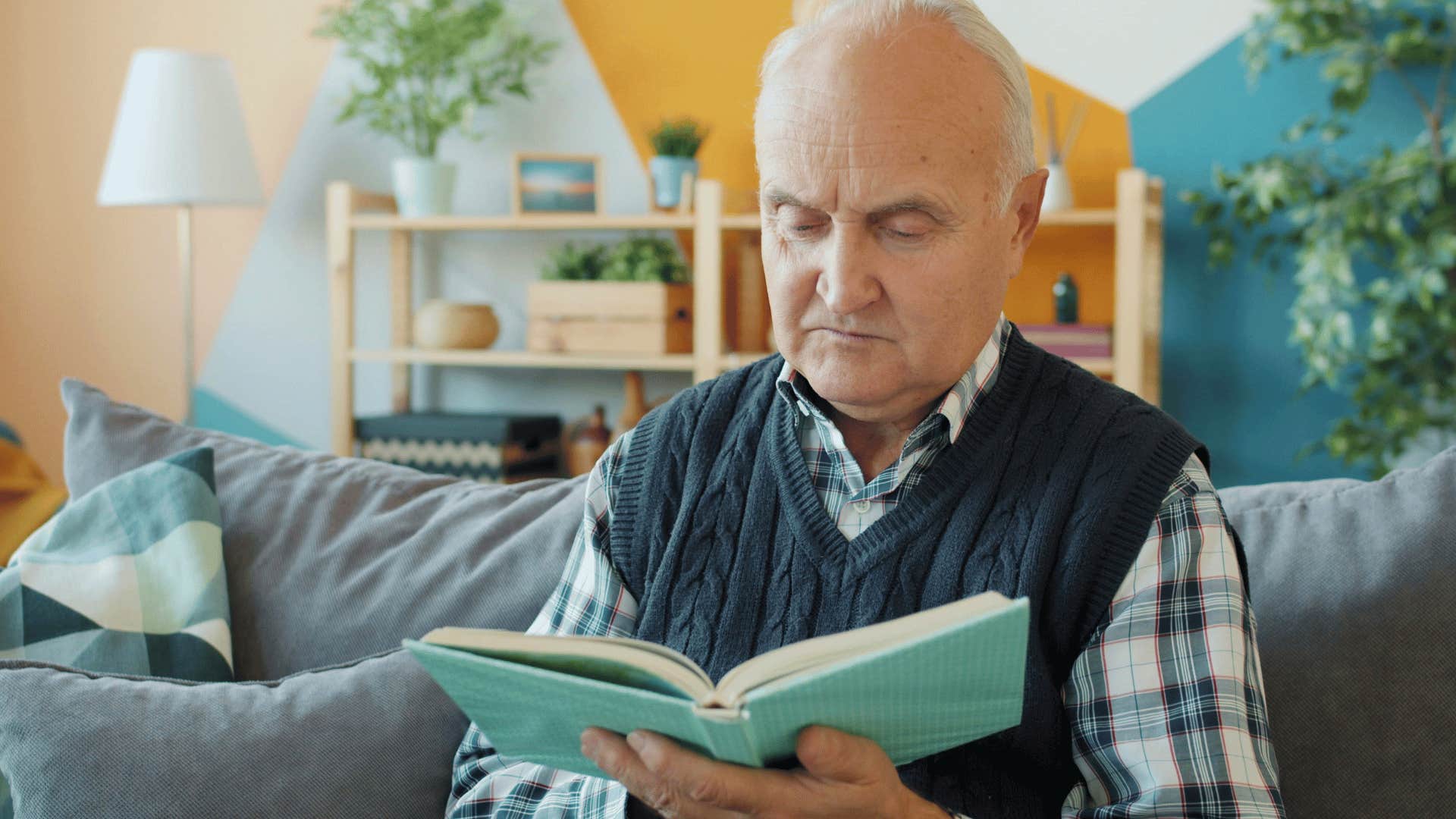
There are many benefits of being 'book smart' — including sharpened memory. National University studies have shown that “brain-stimulating activities from reading have been shown to slow down cognitive decline in old age with people who participated in more mentally stimulating activities over their lifetimes.”
But that’s just the half of it. Reading has also been shown to help build both empathy and curiosity, help build your vocabulary, ease stress, and improve sleep quality. A study conducted by neuroscientist Dr. Denise Park found something interesting about the benefits of learning new skills.
In this study, 200 older participants were assigned different activities and engaged in these activities for 15 hours a week for three months straight. In the end, these participants were given a memory test and were then compared to the other control groups.
Memory improvement was observed and maintained for a whole year later. Not only that, but participants who learned the most difficult skill — photography — benefited the most and showed the greatest improvement in memory compared to other groups.
3. Super-agers continue to work well into their eighties
 Getty Images / Unsplash+
Though this may not appeal to most people, delaying retirement could benefit your memory in the long run. A large study of nearly half a million self-employed workers in France suggests that delaying retirement means people may be at less risk of developing dementia, including Alzheimer's disease.
This is perhaps a hard pill to swallow, but the outcome of this study makes perfect sense. Through work, "We are forced to engage and use our brains continuously", writes Farrell. This means our brains are constantly learning and reinforcing what we learn daily.
Psychologist Dr. Judith Tutin explains that the kinds of people who seem to age the best are the ones who stay in the game in some form. She's pointed to people who "work at Walmart at 70 just to have something productive to do, take their grandkids to ballgames and foreign lands at 80, do Wordle at 90 in four languages" as examples of what staying mentally active really looks like in practice.
4. They surround themselves with family and friends
 Rajiv Perera / Unsplash
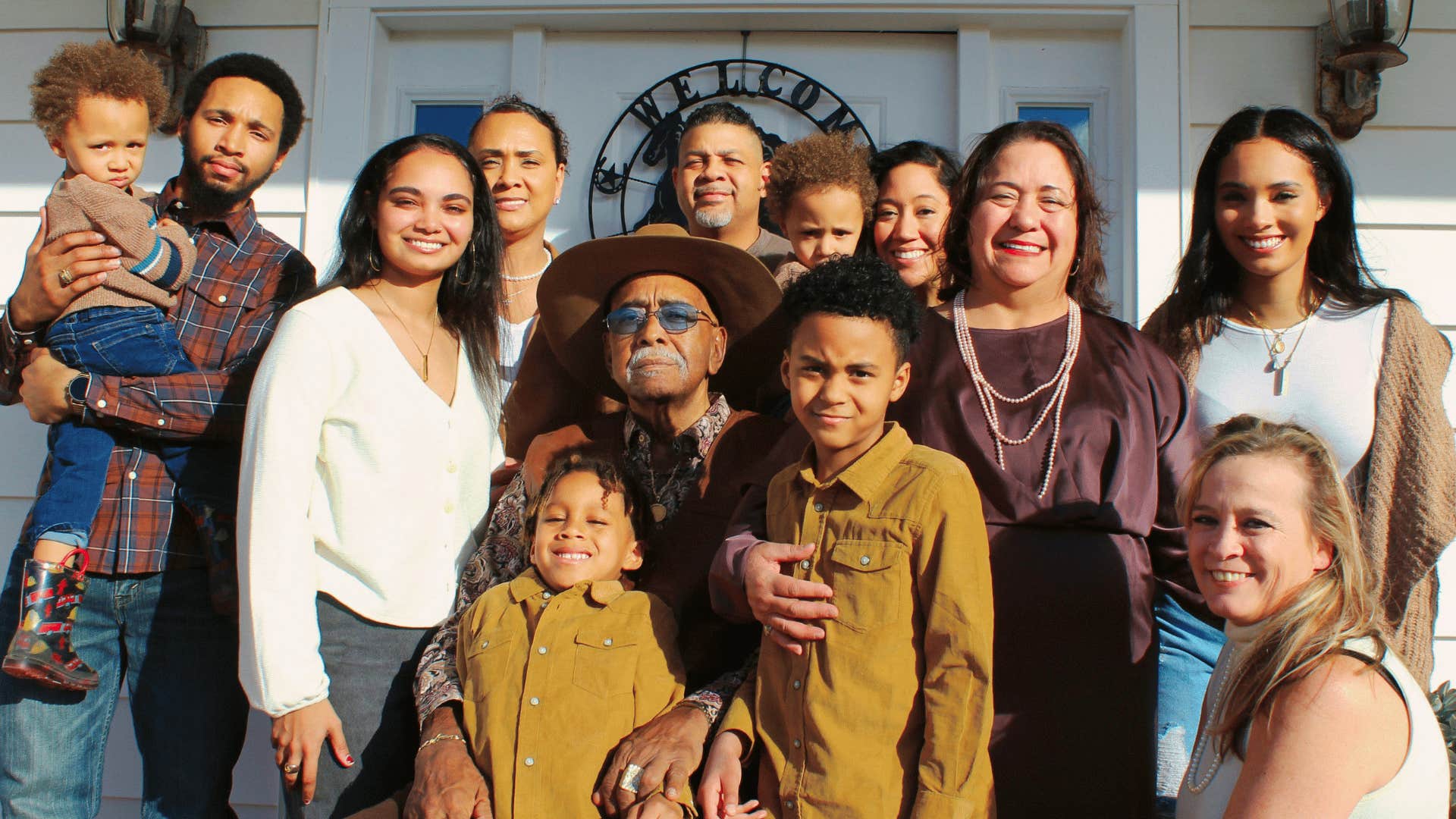
Being social can have loads of benefits, and research supports that socializing can stimulate attention and memory and help to strengthen neural networks. One large study of 12,000 participants found that loneliness increases our risk of dementia by 40%, highlighting just how important social interaction is.
If you are someone who struggles with forming social connections, here are a few things to consider:
- Rekindle old friendships
- Build quality connections, don't focus on quantity
- Try using technology to connect if in-person isn’t possible
Dr. Robert Waldinger, a Harvard psychiatrist, found that relationship satisfaction at age 50 was a better indicator of health at 80 than cholesterol levels. His conclusion came after decades of research in which he said, "Good relationships keep us happier and healthier."
5. Super-agers stay deeply engaged in their communities
 Frederick Shaw / Unsplash
According to the Fisher Center for Alzheimer’s Research Foundation, a study involving 2,476 participants found that older people who volunteer have "better memory and thinking skills than their peers who didn’t volunteer." And the more you help others out, the better, as "volunteering several times a week provided the greatest boost in brain health, compared to those who volunteered less than once a month or only sporadically."
A 2025 UC Davis study also found that people with a stronger sense of purpose were less likely to develop cognitive impairment. As study author Dr. Aliza Wingo put it, having a sense of purpose helps the brain stay resilient with age, and purpose in life is something we can nurture.
6. They don't lose touch with the people who matter
 Getty Images / Unsplash+
Social connection is essential to both our mental and physical health. The CDC reports that people with meaningful connections feel less stressed, get better sleep, have better overall health, and have a better quality of life.
Dr. Crystal Wiley Cené chaired an American Heart Association statement finding that social isolation and loneliness are linked to a higher risk of heart attack, stroke, and early death. The people in your life are one of the most underrated factors in how long and how well you actually live.
Social isolation, on the other hand, can increase the risk of heart disease, depression, and cognitive decline. So, be sure to socialize and spend time with your loved ones. It could greatly benefit you in the long run.
Marielisa Reyes is a writer with a bachelor's degree in psychology who covers self-help, relationships, career, and family topics.
