
I Haven’t Looked At My Aging Face The Same Since Seeing Something I Couldn't Unsee
 Szepy | Canva
 At the end of the summer, sitting in my favorite coffee shop in Toronto's trendy Yorkville, I suddenly found myself mesmerized by the faces of the women in front of me.
They were so perfect. Not one flaw, bump, wrinkle. Their makeup was also perfect. Their eyelashes are long enough to sweep the floor with, their lips botoxed out into space. I found myself wondering, how many hours a day does it take to look like that?
I haven't looked at my aging face the same since seeing something I couldn't see: how alike everyone looks now
 Frank Flores / Unsplash+
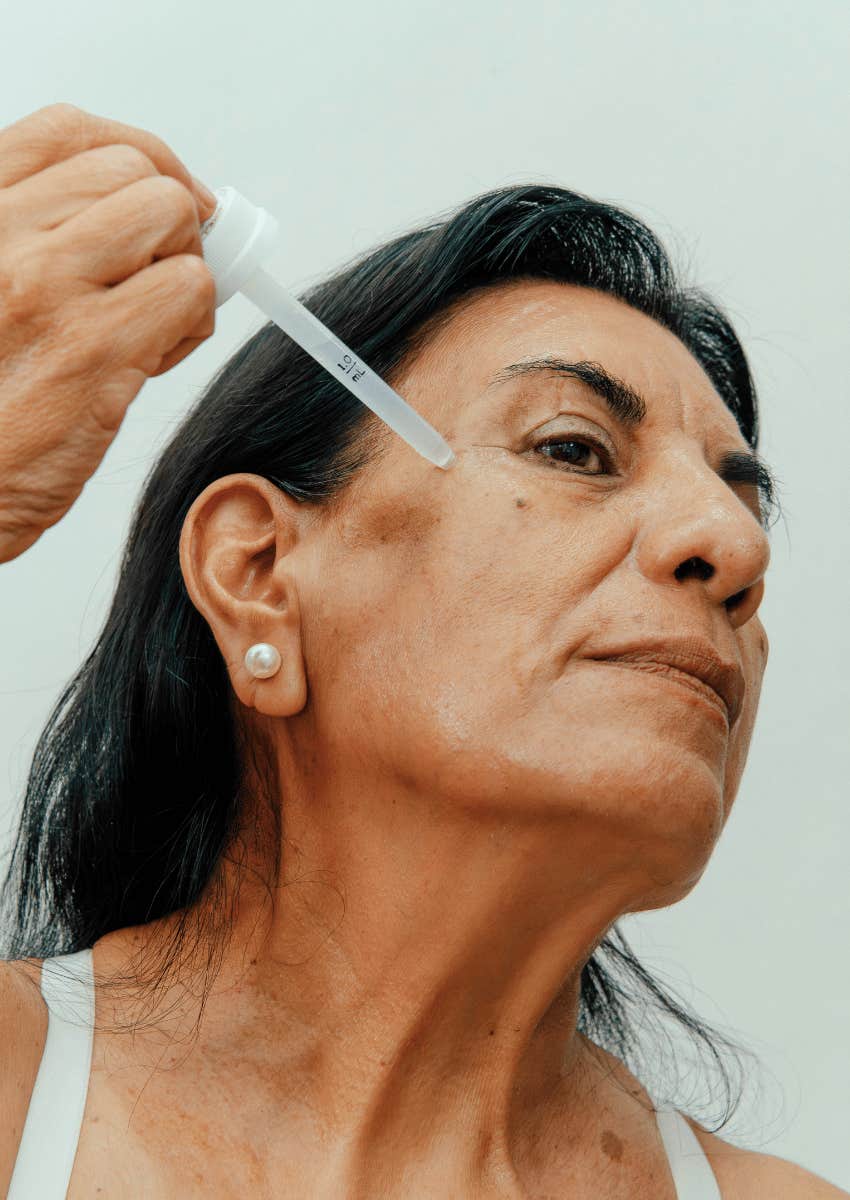
But I suddenly felt sad. I remembered some of the words from my own book — about how Botox freezes our faces so that we cannot communicate properly with others through our facial expressions or even pick up the emotional cues outlined in others' faces by imitating their message and feeling it in our bodies.
And it is not just theory. Research on facial expression and emotional attunement shows that when we reduce our capacity to move our faces, we also reduce our ability to feel and reflect the emotions of the people we love. We become, in some small but real way, harder to reach.
Appearance is all it seems, and we all aspire to plastic perfection. We live in a culture that has decided aging is a problem to be solved rather than a story to be read. Every advertisement, every filter, every procedure whispers the same message: the face you were born with is not enough. The face you earned even less so.
Then I remembered my grandmother's forehead lines
 Danie Franco / Unsplash
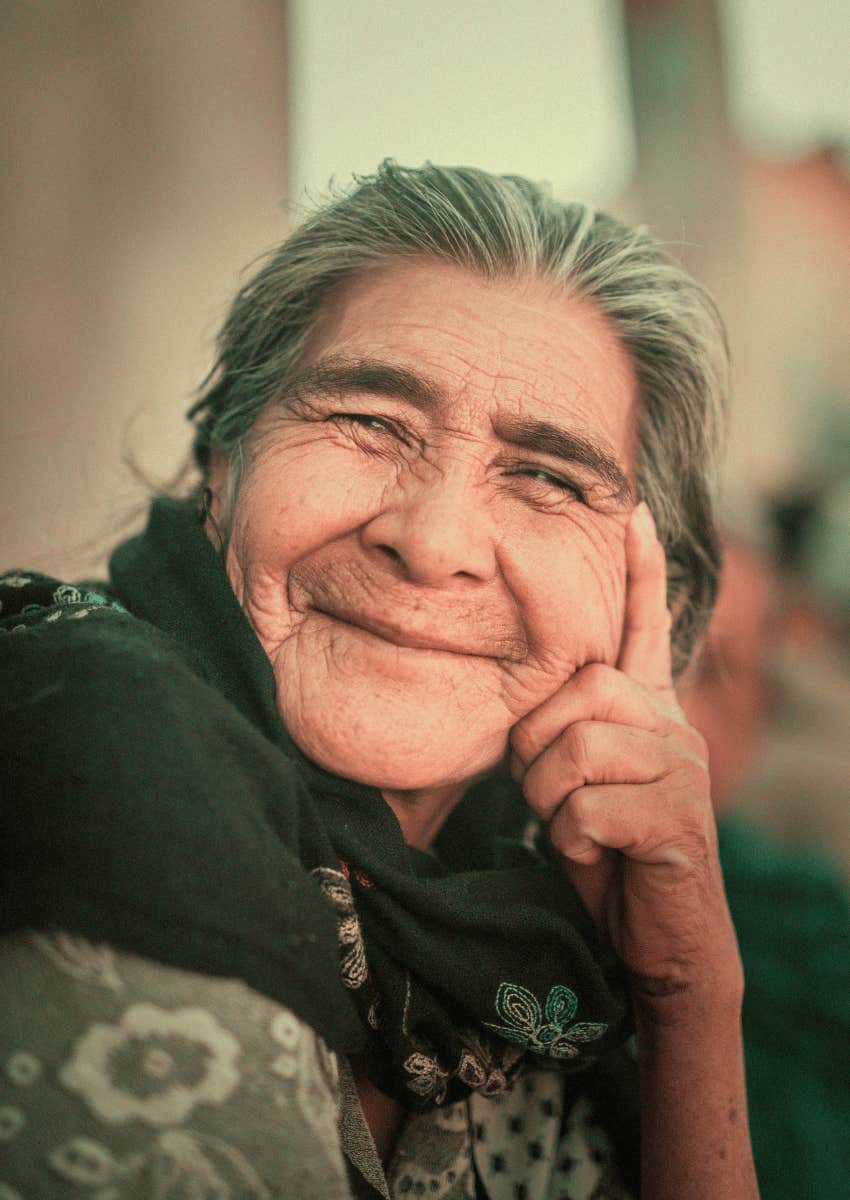
At 80, she was joyous, funny, rude, kind — and full of wrinkles.
I loved her face — every line of it. Each one said something. Each one was hers.
It seems as though we do not see the beauty in a face that reflects a life lived. Instead, we see signs of aging as something to be denied and avoided — almost shameful. As though surviving decades of love and loss and laughter and grief is something to apologize for rather than wear with pride.
So, I came back to Victoria and told my hairdresser that since my natural hair color was pure white, we would no longer color it red. When she took the towel off my head that day, I screamed — who was this white-haired woman?
She is who I am now, and I have earned every white hair and every wrinkle on my face. I refuse the plastic perfection creed. I listened to a famous feminist from the UK talking, and someone asked her who we should go to for wisdom in this age of crazy tsunamis of information and marketing, where norms change overnight. I loved her answer.
She said, "Our grandmothers." Our indigenous peoples honor their elders and see the magic and history in their faces. What a lovely idea.
There is something radical and quietly powerful about a woman who looks exactly her age and does not flinch. Let us love our wrinkles. Let us stop treating the evidence of a life fully lived as something to be erased. Who needs the facade of eternal youth and perfection?
Dr. Sue Johnson is the Director of the International Center for Excellence in Emotionally Focused Therapy, focused on studying the tapestry of human connection and emotions.
