
Gen Z Had 7 Practical Life Skills Down By Age 12 That Most Boomers & Gen X People Still Can't Do
 Cavan-Images / Shutterstock
 Gen Z is currently the target of many older people's self-righteous frustration. Boomers and Gen X seem to love few things more than bragging about how much they already knew when they were kids that their Gen Z children and grandchildren still have no clue about, but in truth, there are many important life skills Gen Z already had before they were teens that most older people still don't get.
Now that technology has taken over many of the simplest tasks we perform every single day, younger people's more innate understanding of all things digital means they are typically more prepared for many practical tasks that older generations find confusing and at least a bit frustrating.
Boomers and Gen X still don't have these practical life skills that Gen Z had down by the age of 12
1. Using YouTube to learn new things
 MAYA LAB | Shutterstock.com
People like to give parents of Gen Z a hard time for letting them spend so much time entertaining themselves with YouTube videos, but watching their favorite Minecraft commentaries for so many hours also led to their love of creating their own tutorials and other online or app-based content.
Boomers and Gen X had to pay for lessons or at least buy a hefty book if they wanted to learn something new. They are starting to enjoy learning new things on YouTube now, but it doesn't come nearly as naturally to them.
2. Communicating without calling or being face-to-face
Many Gen Zers have become so used to communicating through text and emails that they’re even developing phone anxiety when faced with picking up the phone and talking to someone. Instead, they’ve mastered the art of digital communication, having full conversations and solving problems at work without ever needing a face-to-face meeting or phone call.
A LivePerson, Inc. survey revealed that Gen Z is more likely to communicate with each other online than in person, which is a stark contrast to older people who regularly connect with their friends and family face-to-face. Plenty of them communicate online as well, but many still find it cold and far less than ideal.
3. Knowing what not to share online
Social media can make Gen X and boomers feel like they're back in high school, giddily sharing updates on every little detail of their lives with long-lost friends, sometimes to their detriment.
As skeptical as Gen X may be, Gen Z is far more so when it comes to their willingness to trust others with their personal information online. They're more likely to remain private and vigilant. Journalist Astha Khanal notes that "Gen Z’ers see less value in filling every corner of the Internet with their private thoughts [and have] sought to use social media with more discernment and purpose."
5. Using QR code menus
 Miljan Zivkovic | Shutterstock.com
QR code menus at restaurants may be the final straw when it comes to the divide between generations. While it might be second nature to Gen Zers who don't think twice before using their phones to scan QR codes so they can decide what to eat, many older people find them confusing and/or frustrating.
What if they wanted to leave their phone in the car for a little digital detox during dinner? Why would they want to try to decipher the small print on their phone instead of reading a full-sized menu? To boomers and Gen X, becoming more skilled at reading QR code menus isn't a high priority, to say the very least.
6. Setting personal boundaries
Many baby boomers and Gen Xers grew up under the shadow of mental health stigma that still affects how they show up in their relationships. Gen Z finds the concept of boundaries to be second nature. The discourse around setting boundaries is very accessible for young people today who are open to talking about mental health, but for older generations, this kind of openness can feel strange.
Even phrases like “I don’t want to be hugged right now,” which many younger people were taught to say as kids, are an example of boundaries. They learn early, and their relationships often benefit from these lessons, when they’re not trying to police someone else’s behavior.
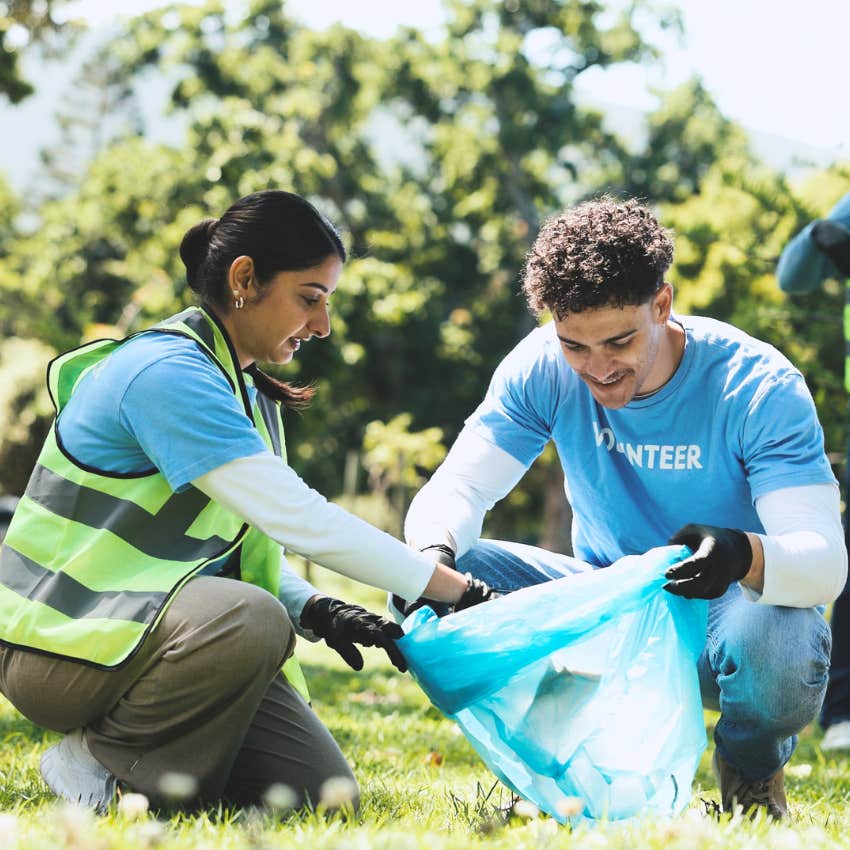
8. Practicing sustainable habits
 PeopleImages | Shutterstock.com
Many Gen kids learned early how to live a sustainable life by doing things like learning what goes in the recycling bin and what goes in the trash or studying about what can be done to affect climate change in school.
Understanding these lessons from an early age led to Gen Z's feeling of accountability related to climate change now that they're adults. They’re more likely to take action and advocate for climate-related issues than older generations today, because they grew up absorbing the weight of how important these kinds of issues are.
Zayda Slabbekoorn is a senior editorial strategist with a bachelor’s degree in social relations & policy and gender studies who focuses on psychology, relationships, self-help, and human interest stories.
