
People Who Prefer To Keep Their Friend Group Small Usually Have These 11 Traits
 GaudiLab / Shutterstock
 Everyone has their own ideas of what a perfect friend group looks like or how they like to hang out with people. I know a lot of people who like to hang out one-on-one, almost exclusively. Then there are people who want to have as many people around them as possible, 24/7.
Did you ever wonder what makes a person choose small groups over large ones? It often has something to do with their own personality and ideals. If you or a friend of yours prefers to keep it small, it could have something to do with these reasons below.
People who prefer to keep their friend group small usually have these 11 traits
1. They may prefer more intimate settings
 Elle Hughes | Pexels
One thing we can all agree on is how much easier it is to get to know a person in depth when you’re hanging out one-on-one. Smaller groups allow for more intimate bonding, more attention to every single person, and a little more time for each person to really chill.
Small groups lead to more intimacy, which makes it easier to feel (or become) closer to one another. So, it might just be that they want to make better use of their time.
2. They may be trying to mitigate their social anxiety
 Artem Podrez | Pexels
Did you know that around 7% of all Americans have social anxiety disorder? It’s true, and it can be debilitating. Social anxiety isn't just a fear of socializing or shyness. It’s a genuine feeling of panic when around too many people at the same time. It’s a fear of intimacy, a fear of connection, and a fear of, well, socializing.
People who request or even require that kind of small, intimate setting might be trying to put their own socializing stressors at ease. If that’s the case, then go them!
3. They may not have many friends to start with
 RDNE Stock project | Pexels
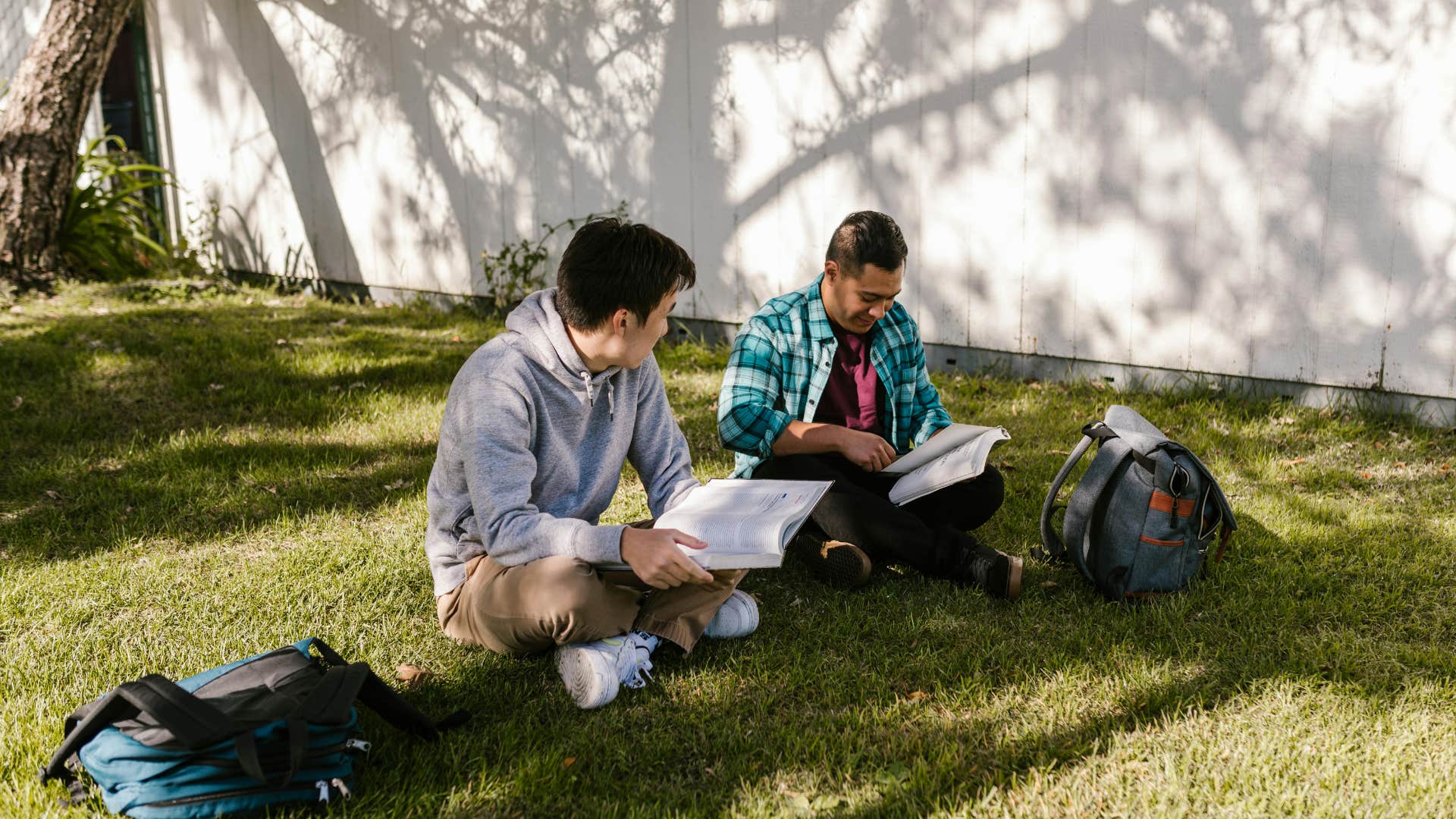
Perhaps this is a personal note, but I couldn’t help but notice how often people who say they prefer small meetups tend to be socially awkward. Though this isn’t always true, there seems to be a correlation between people who are loners and people who like smaller outings.
At least one admitted that they didn’t like big outings because they always felt pressured to bring people who probably wouldn’t want to come. Simply put, they wanted to avoid being outed as loners.
4. Introversion could be to blame
 Kampus Production | Pexels
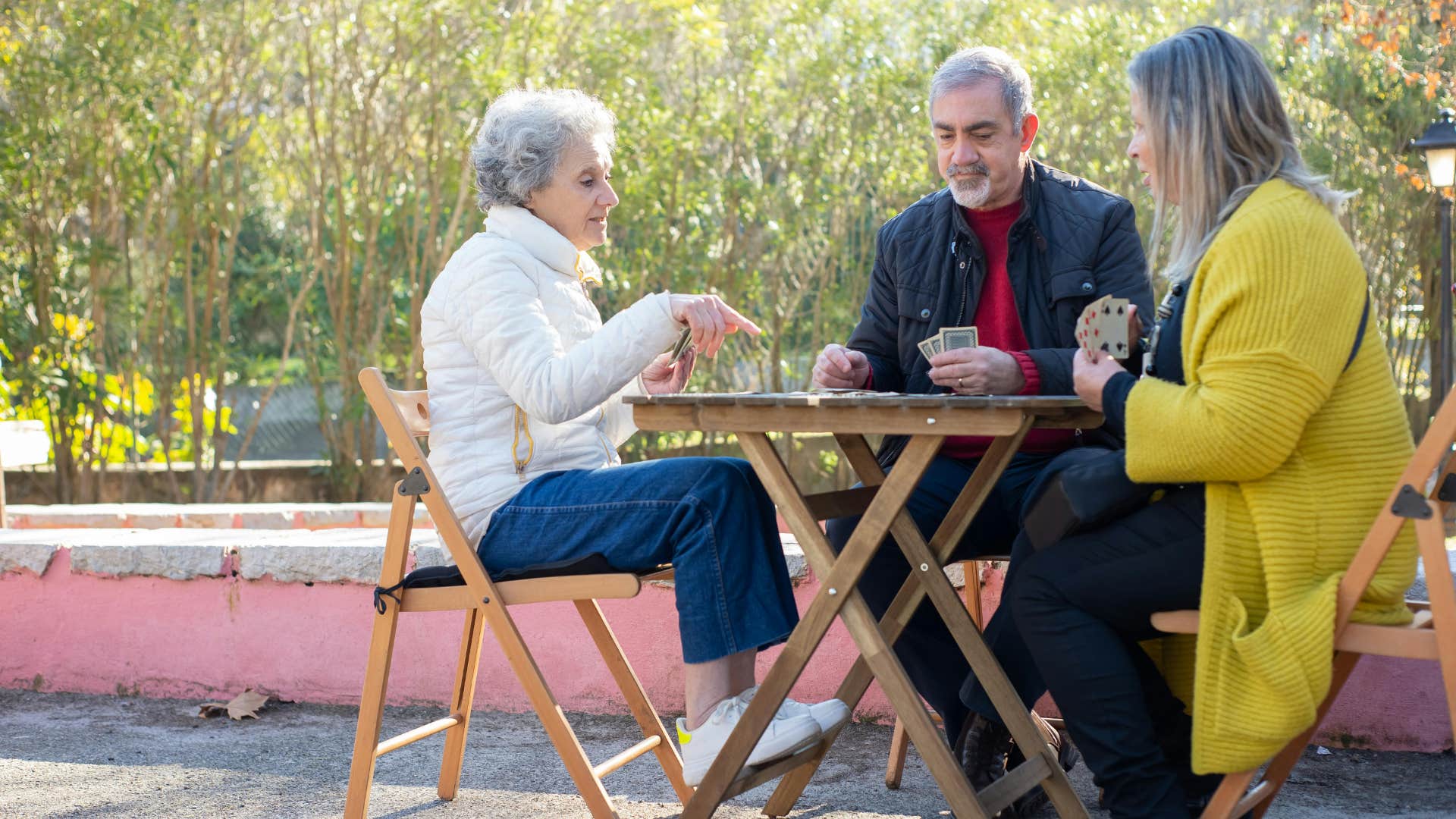
There are three different types of people when it comes to socializing. Extroverts are people who gain energy after speaking to people. Ambiverts can gain or lose energy, depending on the situation. Introverts, on the other hand, tend to be the people who get drained with every little discussion they have.
A person who is introverted needs to recharge after an outing. The larger the outing, the more likely it is that they’ll feel flattened by it. Most introverts generally want to stay alone. If they can’t do that, then they will usually ask for a quiet, small meetup.
5. Sometimes, it can be a sensory issue
 Ketut Subiyanto | Pexels
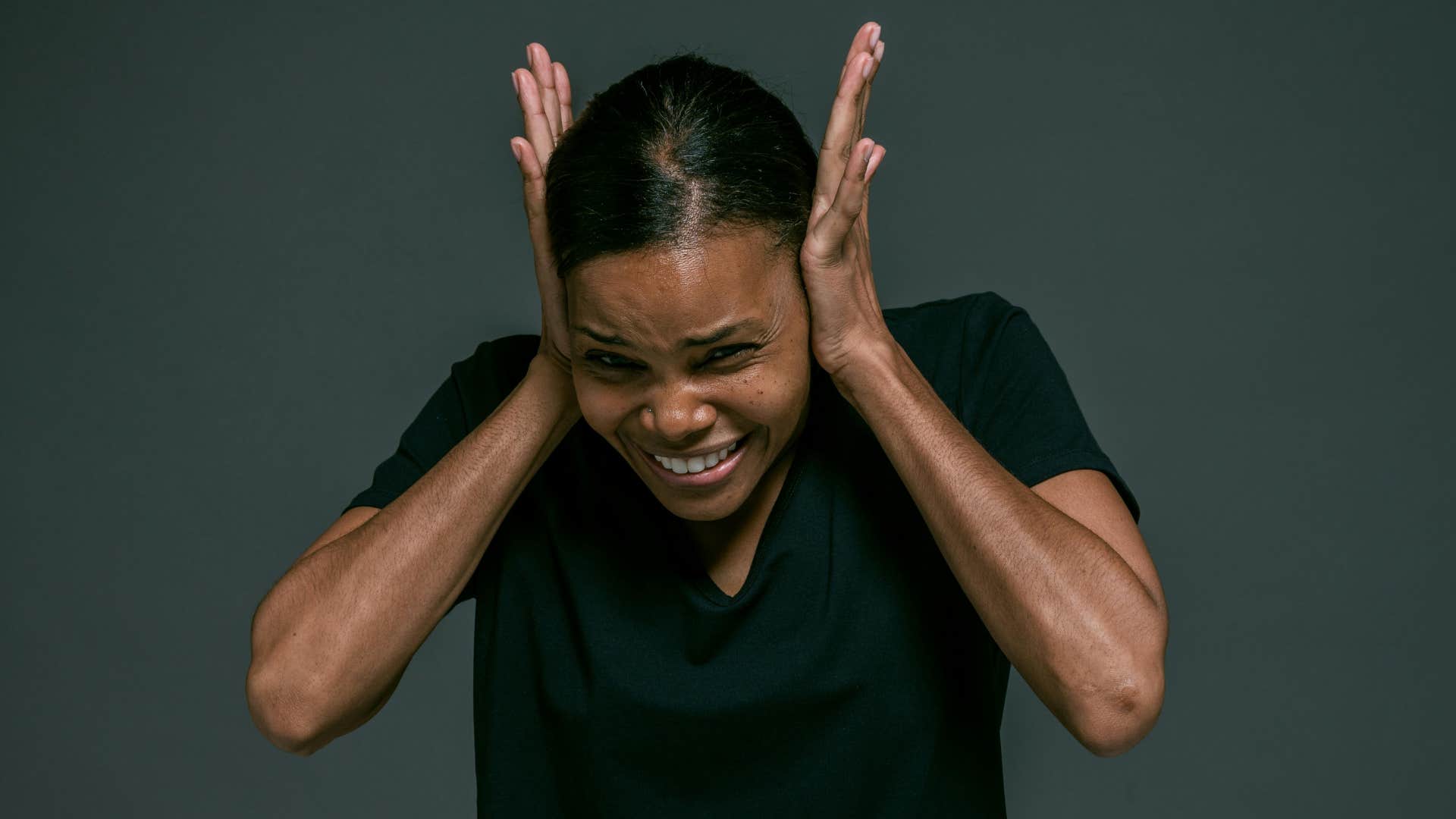
Large crowds don’t just intimidate as a result of the many different dynamics that you have to deal with from person to person. For people who prefer smaller groups, the noise level can also be a major issue. Simply put, loud, club-like experiences tend to be overwhelming for those with sensory-sensitive issues.
For people with certain issues like autism or misophonia, going out in large groups can be triggering. It can sound like a symphony of nails on a chalkboard to sensory-sensitive folks.
6. Smaller groups also make for less drama
 Toa Heftiba Şinca | Pexels
It’s rare to see a large group that doesn’t eventually split off into its own factions or have infighting. The larger the group, the more likely it is that you’ll see people eventually bicker among one another or have one guy ask that another person be left out. It can be a nightmare, really.
Because smaller groups tend to be lower on drama, there’s good reason to encourage smaller groups if you’re worried about drama. At the very least, it can help you trace where the drama came from and boot the offending party out.
7. They may want to ensure that everyone feels welcome
 Mental Health America (MHA) | Pexels
Imagine the following scenario: you get invited to a big, big party. People are dancing, some are just chatting by the snack bar, while others are just trying to play some kind of game in the corner. You try to get into conversations, but everywhere you go, you get ignored or drowned out.
Feels bad, right?
Well, it happens quite a bit in larger crowds, and it can leave a bad taste in people’s mouths. People who are a bit more socially savvy notice this and try to limit crowd sizes or find others around them who might feel a bit lonely to engage with. One of these options is a lot less work than the other.
8. It could be a matter of self-preservation due to jealous 'friends'
 Cottonbro Studio | Pexels
Are you the type of person who does well in most small circles but regularly has large circles turn into a nightmare? If so, you might be exceptionally kind-hearted…to the point that you trigger insecurity in others.
Smaller groups are easier for people who tend to make others feel insecure. If you’re regularly victimized by mean girl vibes, small groups might be your choice out of necessity. It’s easier to gauge jealous or hateful vibes in a tighter circle. Incidentally, the same tactic can help people who are used by others.
9. They prefer good conversations
 Cedric Fauntleroy | Pexels
When you go to a large party, do you have a hard time really connecting with someone? Does it feel like every conversation is just left to idle small talk? Smaller groups tend to be better when it comes to conversational intimacy, meaning that you can have deeper, more stimulating chats with the people in it.
If you’re a world-class conversationalist with a penchant for showing off those skills, it’s likely that you don’t want a large crowd. After all, small crowds make it easier to talk to everyone.
10. It may also be a sign that they want to influence you more
 Keira Burton | Pexels
A good rule of thumb to remember is that smaller groups are easier to control, both in terms of topic and activity. This is a main reason why teachers prefer to teach in smaller groups. It allows them a higher level of control and influence over each person in the room.
From what studies have been able to reveal, small groups tend to encourage more trust, more unity, and a lot more willingness to cooperate. Needless to say, they’ve become very popular among teachers and HR folks alike. Maybe some of that just spread to the social world.
11. They might prefer small group activities
 Yan Krukau | Pexels
Let’s just face it: some activities are definitely more “large group” friendly than they are for smaller groups. For example, dancing, large-scale e-sports, and large-scale team sports are very good options for groups over 12.
Things like playing cards, knitting, book discussions, or even something like studying a language tend to be more small-group-friendly. I mean, it’d be hard to get a party of 50 to all play a single game of UNO, right?
So, while it could deal with personal dynamics, people who like small communities might just have a penchant for different activities.
Ossiana Tepfenhart is a writer whose work has been featured in Yahoo, BRIDES, Your Daily Dish, Newtheory Magazine, and others.
