
People Who Lose Interest In Hobbies They Once Loved Are Usually Going Through 9 Tough Life Experiences
 edualonso / Shutterstock
 People experiencing depression often face anhedonia, which is a loss of feelings of joy and pleasure.
However, outside of depression, people who lose interest in hobbies they once loved or experiences that used to bring joy can also be going through a number of complex life experiences. Whether it’s chronic stress from a job they hate or a break-up that feels like it’s unraveling their entire life, we often skim over how destabilizing life’s challenges can be for our well-being, mental health, and happiness.
If someone has lost interest in the hobbies they used to love, they're probably going through one of these difficult life experiences
1. A tough breakup
 THICHA SATAPITANON | Shutterstock.com
Breakups can be incredibly destabilizing, especially if you've been in the relationship for a long time. On top of the loneliness and sadness people tend to feel, there’s also a loss of self.
Despite the fact that spending time doing the things you love most can provide a much-needed sense of comfort in these moments, many tend to lose interest in their favorite hobbies when they're grieving the loss of an important relationship. It’s a unique kind of grief that feels all-consuming, causing people to turn away from the coping mechanisms that might actually serve them best.
2. A stressful, demanding job
You can often recognize burnout early by common symptoms like fatigue, isolation, struggles concentrating, and feeling generally off, but when it lingers for too long, it can take shape in very insidious ways. Even if the stress these people face is somewhat contained to work, when they come home, this exhaustion negatively affects their routine, sense of self, and well-being.
Suddenly, a stressful job load is creating a lack of meaning in life. The things people enjoyed are no longer exciting or enjoyable, because they don’t have the energy to invest in them. Chronic stress is normalized in so many ways by most people today, but simultaneously removes joy from so many people’s lives.
3. Depression
Depressed people are often tired and sad. Someone suffering from chronic depression may also experience a general loss of pleasure that affects more than just their mood.
They stop feeling joy, even around people they love and when doing their favorite activities. Even though most of us recognize this is a common sign of depression, It’s also one that we tend to overlook and over-explain away.
4. Grief and loss
Grief changes how you experience life, and for some people, it never truly goes away. However, the months immediately following a loss are often the most destabilizing. People stop caring about things they once cared about. They often stop caring for themselves and making time for joy. They’re generally uncertain about what to do with themselves.
It’s often people who allow themselves to feel both joy and grief simultaneously that are able to cope better following the loss of someone they love. However, many people feel enveloped by an all-encompassing sense of worthlessness and depression that sabotages their ability to feel happy.
5. Outgrowing an old version of themselves
 Perfect Wave | Shutterstock.com
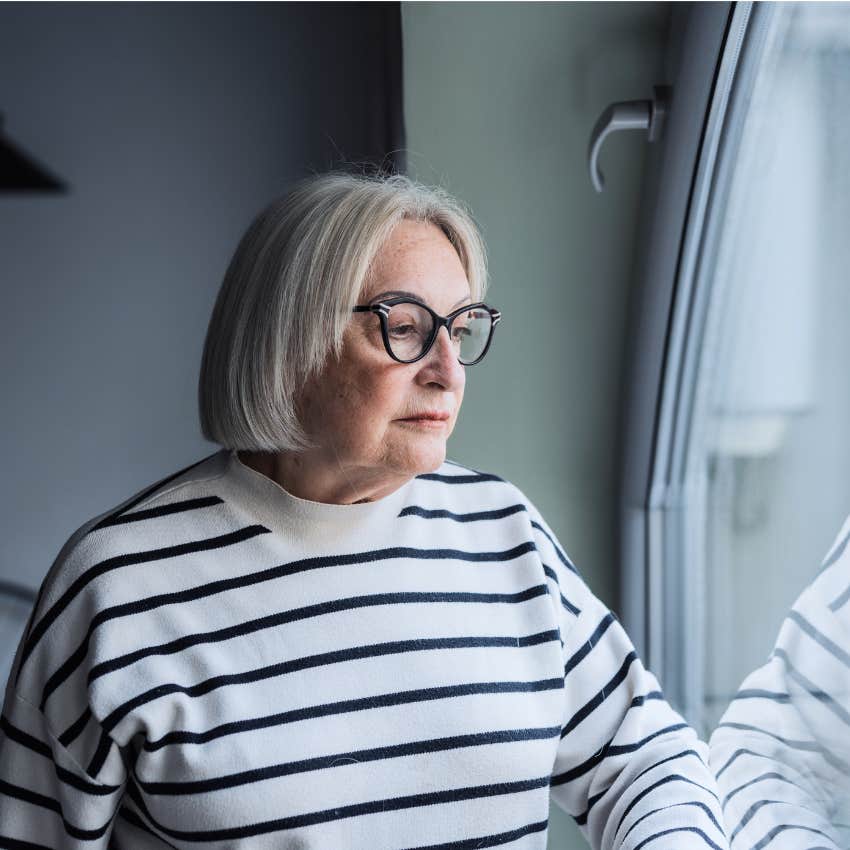
When you’re growing into a new version of yourself or stepping into a new chapter of life, there’s rarely anything comfortable about it. Change is hard, whether you’re growing in a healthy way by choice or being somewhat forced into a new season.
The discomfort that comes with challenges helps us grow, but it can also be destabilizing for someone who’s unsure of how to manage it. They may start stepping away from things that used to bring them joy, not because they’ve lost themselves, but because they’re stepping into a new identity.
6. Financial strain and stress
As a 2022 study explains, people dealing with financial strain and money stress regularly are often at a greater risk for psychological distress. So, yes, there’s always worry about paying bills, affording things, and staying afloat, but this psychological element negatively affects other seemingly unrelated parts of life.
From struggling to be present with loved ones to losing interest in parts of their routine they once loved, there’s no longer a carefree, happy baseline in life. Their entire mood and well-being are defined by money stress that they can’t avoid or ignore.
7. Chronic illness
If you don’t have the energy for anything, are constantly dealing with pain, or feel most comfortable in bed for most of the day, of course, you start losing interest in the things you used to enjoy. For many people with chronic illness, mental health struggles follow closely behind, because chronic pain isn’t something you can toss over your shoulder or sweep under the rug.
Yes, play and leisure are powerful ways for someone struggling with chronic illness to cope on a daily basis, but it’s not as easy as it reads on paper to work up the energy and excitement to engage in them.
8. A changing body or appearance
As much as it’s easy to pretend that everything is fine and to put on a brave face when you don’t feel comfortable in your body, it can negatively affect so many parts of life. While symptoms of insecurity and a struggling sense of self look different for everyone, you can spot these kinds of people by their lack of interest.
Suddenly, the clothes they used to love, the events they’d always RSVP “yes” to, and the hobbies they’d make time for every day are things they don’t have the energy for. They’re caught in a spiral of self-doubt and self-isolation, not realizing that their path to confidence lies on the other side of discomfort.
9. Losing freedom
 PeopleImages | Shutterstock.com
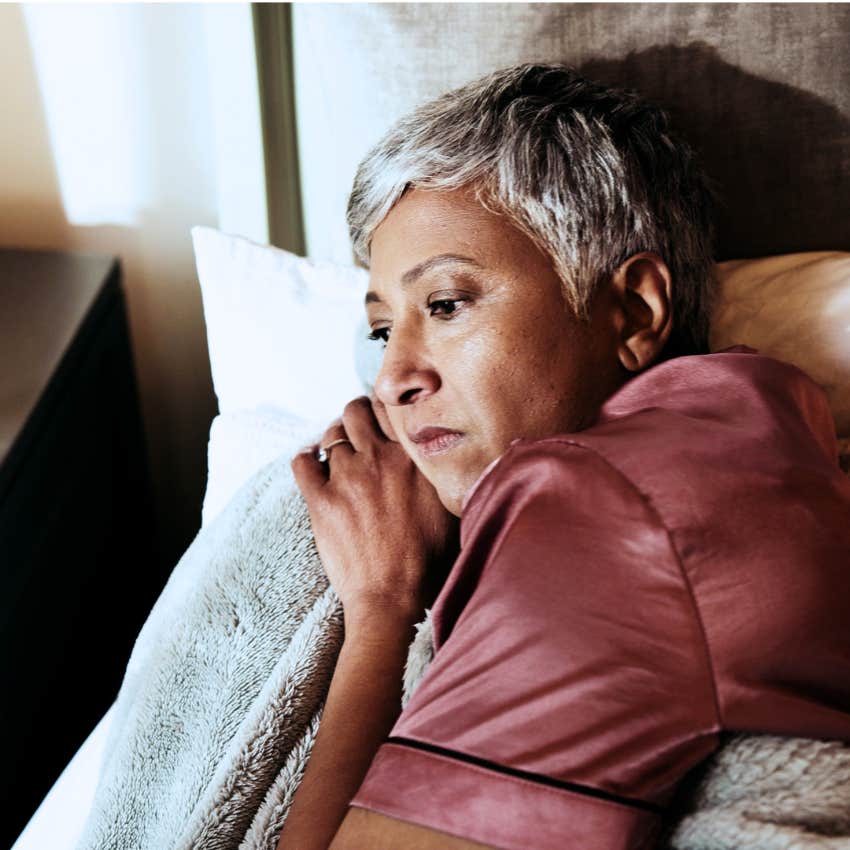
Freedom is a defining part of a happy life. When it feels like we’ve lost it, whether that’s through a health complication, financial struggles, a break-up, or a big life change, it can sabotage the joy we take for granted.
Suddenly, there’s a sense of urgency and lingering feelings of sadness. These things might be entirely internal struggles, but they shape how someone crafts their daily life and shows up for their routine.
Zayda Slabbekoorn is a senior editorial strategist with a bachelor’s degree in social relations & policy and gender studies who focuses on psychology, relationships, self-help, and human interest stories.
