
People Raised In The 60s, 70s & 80s Regularly Used 11 Words That Younger Generations Find Embarrassing
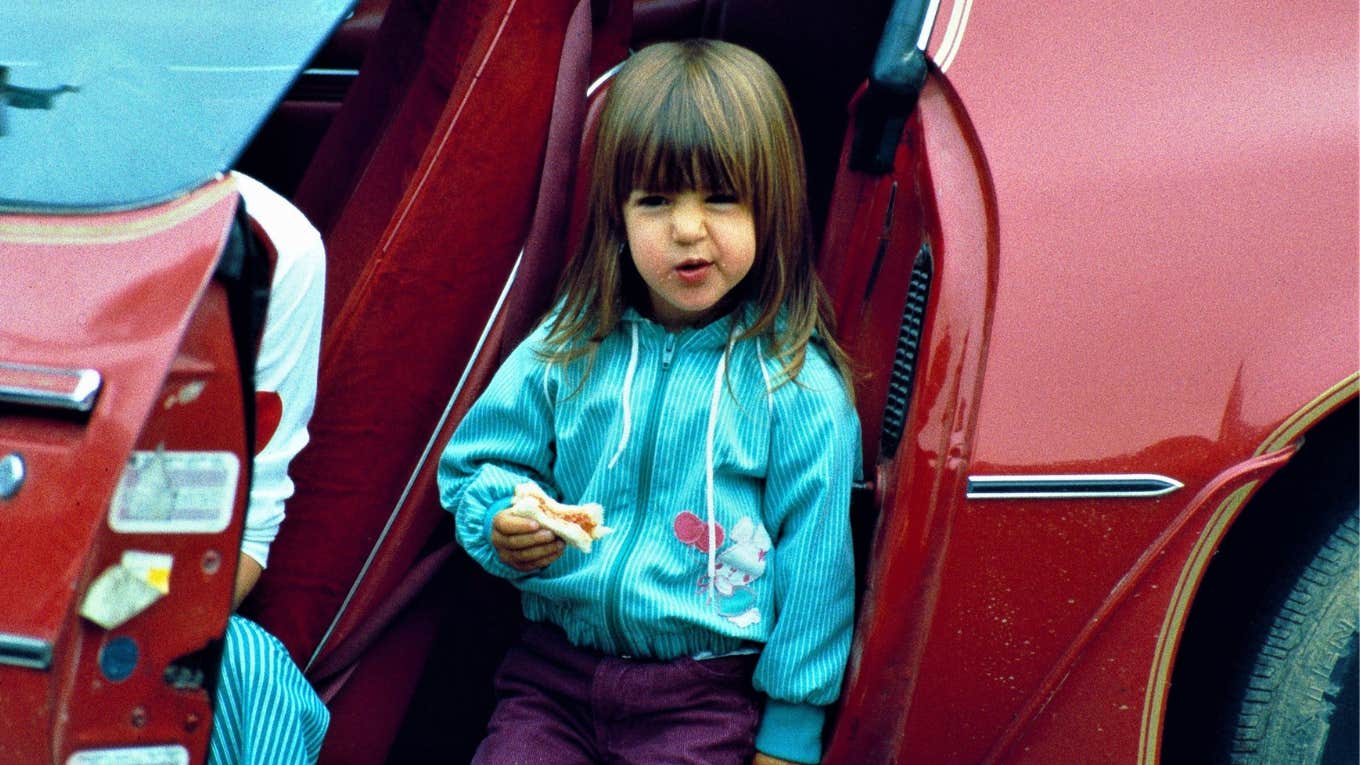 jean papillon | Pexels
 People born between 1965 and 1980 are between the ages of 44 and 59 years old. Before they became parents and corporate employees and silver foxes, they were punks and skaters, valley girls and B-boys.
As kids who were raised in an era when divorce was on the rise and a majority of families were two-income households, they were the definitive latch-key kids. Many people raised in the 60s, 70s, and 80s claim to have essentially raised themselves, which gave them a strong sense of independence and self-sufficiency — and all that independence gave way to words and phrases they used regularly, even though younger folks now find them embarrassing.
People raised in the 60s, 70s, and 80s regularly used these words that sound embarrassing to younger generations:
1. 'No duh'
 Antonio Guillem / Shutterstock
People raised in the 60s, 70s, and 80s would exclaim, "No duh!" whenever they were faced with a well-established fact. It was usually said with a mocking tone, to express disbelief that someone was declaring something so obvious. Interestingly, the phrases "No duh" and "Duh" meant the same thing and were used interchangeably.
According to a Chinese sociolinguistic study, slang can be defined as an informal use of words or phrases that are influenced by culture and historical context. It's fairly uncommon for slang words to stay in use for more than a few years at a time. The study's authors explained that slang is always changing: "What is new and exciting for one generation is old-fashioned for the next."
Older slang terms either fade out of use or get folded into standard language and become the norm. The phrase "no duh" and its closely related cousin, "duh," are examples of phrases people raised in the 60s, 70s, and 80s used regularly that young folks find embarrassing now.
2. 'Bomb diggity'
 Carlos Barquero / Shutterstock
"Bomb diggity" means that something is very good or extremely impressive. The word "bomb diggity" ranks one step above the phrase "da bomb," indicating that whatever's being talked about is even better than being "da bomb." The word "bomb diggity" has its origins in hip hop culture, which was a major influence on mainstream language and social trends, and still is today. You probably won't hear anyone describe a person or thing as being the "bomb diggity" anymore, but it was a phrase that people raised in the 60s, 70s, and 80s used regularly back in the day.
Research from the University of Texas, Austin noted that slang can be used to indicate something about a person's identity. Slang is also a way to foster a sense of in-group solidarity, which means that using certain words and phrases shows that you belong. Slang words exist in a separate universe from a word's semantic meaning. Slang words are rooted in social meaning.
3. 'Psych!'
 stockfour / Shutterstock
Another word people raised in the 60s, 70s, and 80s used regularly that has gone completely out of style is the exclamation "psych!" This word was used to let people know you were joking about something. One skater bro might turn to another skater bro and say, "Dude, you're shredding," only to follow it up with a sharp "psych!"
In the olden days of the 1980s, hearing people say "psych!" was a common occurrence. Gen-Z skaters are designing their own words and phrases, just like Gen-Alpha will when they get old enough to go to skateparks by themselves. Words are social currency. "Psych!" might not be cool anymore, but it was once, and that's what matters.
4. 'Take a chill pill'
 Dima Berlin / Shutterstock
Telling someone to "take a chill pill" was a way of imploring them to calm down. Many people raised in the 60s, 70s, and 80s told their parents to take a chill pill when they got upset about their grades, attitude, or unwillingness to do the dishes. While it might be outdated now, the phrase "take a chill pill" was indicative of that generation's propensity to stand up to their parents and leave for the mall without doing their homework or the dishes.
5. 'Don't have a cow'
 Cast Of Thousands / Shutterstock
Another phrase people raised in the 60s, 70s, and 80s used regularly that has gone completely out of style is the phrase "don't have a cow." In the proverbial sense, having a cow meant freaking out, losing your mind, going postal, or any other version of overreacting. By telling someone not to have a cow, they were telling them not to take everything so seriously.
Slang terms are often meant to be funny, and the phrase "don't have a cow" is a fairly funny way of telling someone to leave you alone. While the origin of the phrase "don't have a cow" can't be traced back to anything in particular, it was popularized by the one and only Bart Simpson. The spiky-haired, bright yellow cartoon told many people not to have a cow and, as a result, people raised in the 60s, 70s, and 80s incorporated the phrase into their lexicon. That a TV show could so deeply influence the way people spoke highlights how important pop culture was for that generation.
6. 'Gag me with a spoon'
 MDV Edwards / Shutterstock
The phrase "gag me with a spoon" was used to express disbelief or disgust, as in, "I can't believe Tiffany wore a dress without shoulder pads to prom — gag me with a spoon!" According to research from the scholarly journal The Compass, the phrase originated in Valley Girl culture, which refers to the dialect spoken by people living in and around the San Fernando Valley in California. Valley Girls were stereotyped as dumb, ditzy, teenage girls, who cared more about fashion than substance and spent most of their time at the mall.
Valley Girl speak was often characterized by uptalk, which is a linguistic feature of ending sentences with a lilt, as though the speaker were asking a question. Saying, "Gag me with a spoon" might have gone completely out of style, but it represented an important cultural touchpoint for people raised in the 60s, 70s, and 80s.
7. 'Bogus'
 Ekateryna Zubal / Shutterstock
The word "bogus" meant that something wasn't cool or fair. It's an example of how slang takes old words and makes them new again. In its original use, "bogus" meant that something was fake or counterfeit, like a bogus designer purse you bought on the street corner. Yet people raised in the 60s, 70s, and 80s took the word and refashioned it as a way to declare that something was disappointing. The word "bogus" is now apparently embarrassing to young generations, yet it shows how dynamic language can be.
8. 'Gnarly'
 Rido / Shutterstock
Another word people raised in the 60s, 70s, and 80s used regularly that has gone completely out of style is the word "gnarly," which originated from the word "gnarled," meaning twisted, knotty, or bent. In its early iteration, "gnarly" held two distinct meanings: It was a way to describe something that was difficult or something that was amazing.
The 70s and 80s version of the word "gnarly" came from 1970s surf culture, as a way to describe a dangerous wave. Later, the word "gnarly" made its way from the beaches of California into regular use, and its meaning shifted slightly to incorporate something being awesome. Language, and slang especially, expresses emotions when nothing else can, and "gnarly" is nothing if not expressive.
9. 'Grody'
 Krakenimages.com / Shutterstock
The word "grody" meant disgusting, dirty, or gross. Its origin point is most likely a variation on the word "grotesque," which means repulsive or distorted. The food at the school cafeteria might be grody, unless it was pizza day. A punk's mohawk might be grody if they decided to stop using shampoo and use the grease as a natural way to spike their hair. "Grody" was definitely an insult, one that was used regularly by people raised in the 60s, 70s, and 80s.
10. 'Radical'
 Ground Picture / Shutterstock
Another word people raised in the 60s, 70s, and 80s used regularly that has gone completely out of style is the word "radical," which was shortened to "rad." It meant something was very impressive or cool, like, "Rad guitar solo, dude!" The original meaning of "radical" is used to describe an action that changes the fundamental nature of something. In the ways that people in the 60s, 70, and 80s used them, the words "radical" and "rad" did exactly that.
11. 'Cowabunga'
 Simona Pilolla 2 / Shutterstock
The phrase "cowabunga" was a way to express approval or extreme excitement, and people raised in the 60s, 70s, and 80s used it regularly. "Cowabunga" was popularized within surf culture, and then leaked into suburban homes everywhere through the Teenage Mutant Ninja Turtles. Those radioactive teen turtles shouted "Cowabunga!" as they took Shredder down and then enjoyed a victorious pizza dinner in their sewer home, and then Gen-X started saying it, too. The era that people raised in the 60s, 70s, and 80s lives in now is markedly different from the one they came from, but they can still look back and celebrate who they used to be.
Alexandra Blogier, MFA, is a writer who covers psychology, social issues, relationships, self-help topics, and human interest stories.
