
People Who Live Near One Of These 9 Things Usually Attract Really Bad Luck, Says Feng Shui Expert
 Alvarog1970 | Canva
 Loving or hating where you live can affect every aspect of your life; for example, it's hard to give your all to your career or social life when you're generally uncomfortable and unhappy in your basic surroundings. However, in the ancient Chinese design discipline of feng shui, certain aspects of your living quarters can negatively impact you without you realizing it.
Natalia Kaylin is a feng shui and mindful design consultant, and in a recent video, she explained that in feng shui, everything is energy, no matter how inanimate or seemingly random it may be. Everything influences the flow of chi in our living spaces and in our lives.
While feng shui principles focus heavily on design and decor, the location and direction of our homes matter too. And Kaylin said there are nine things your home may be placed by that can negatively impact your energy flow without you realizing it.
People who live near one of these things usually attract bad luck:
1. Wetlands
Wetlands can be vibrant areas teeming with plants and wildlife, but swamps and bogs tend to be symbolic stand-ins for sadness for a reason. Kaylin said they can also disrupt the balance of energy, pushing you toward melancholy and stagnation.
"Staying in such an environment for too long can affect your energy and mood," Kaylin said, but the exception is that if your day-to-day life is super fast-paced, demanding, and city-based, like a high-powered career in a downtown area. In this case, living near a wetland may actually provide balance.
2. Highways
Kaylin explained that in feng shui, physical health is intricately related to well-being in every other aspect of life, and living near a highway means your life is full of air and noise pollution.
But the lack of relaxation is just as big a problem. "The energy is moving too fast," with all those speeding cars, she said, "which prevents the energy from slowing down and accumulating to nourish the home and its occupants."
3. Cemeteries
 RDNE Stock project | Pexels
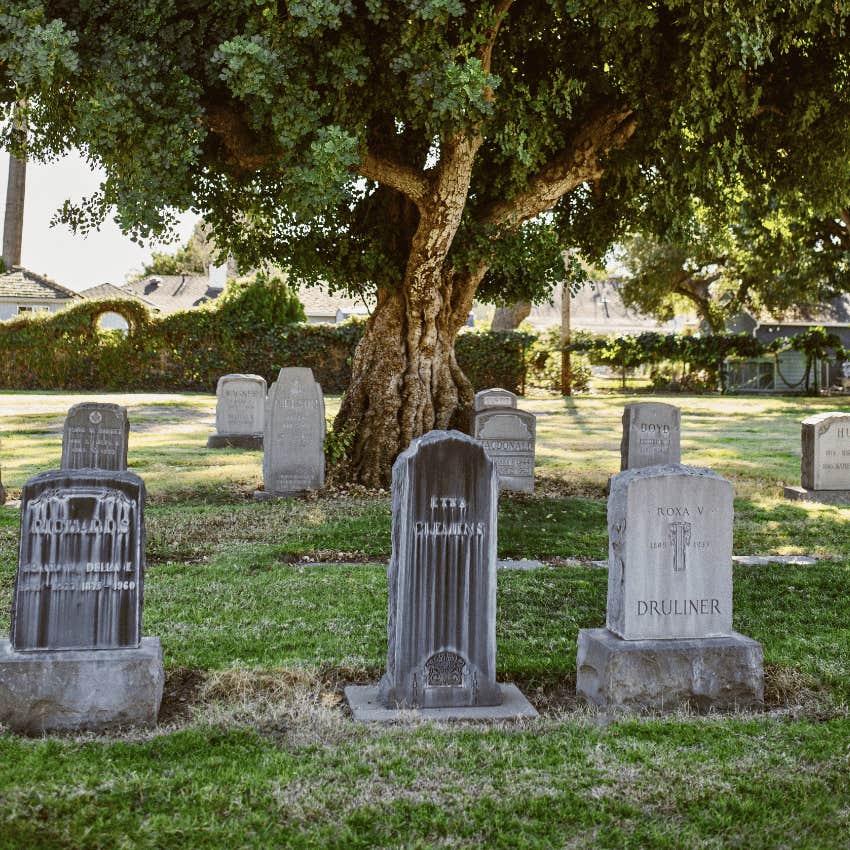
The energy near a cemetery can be too far in the direction of "yin," Kaylin said. It's the type of energy related to darkness and contemplation. We all need that in our lives, but there is such a thing as too much of a good thing, and she said living near a cemetery is a perfect example.
4. Land that slopes downward
Topography is important in feng shui, with the ideal location for a house being a plot of land with a wide-open front yard and a rear yard protected by things like trees or mountains.
Of course, we can't all be lucky enough to live at the foot of a mountain, but Kaylin said that, no matter what, we should avoid homes on land that slopes downward. In feng shui, this is basically a metaphor for things "going downhill," which is the last thing any of us wants!
5. Homes that are below street level
Similarly, homes below street level, like garden apartments, can have similar problems. Kaylin gave an example of a client who lives in a below-street-level home and worried constantly about a car on the street above veering into their house; over time, the anxiety became too much for their family.
6. Too much scenery at the back of a house
 Petra Nesti | Pexels
In feng shui, the front and back of a home govern different aspects of life: the front is about good fortune, blessings and money, while the back is about family, relationships and health.
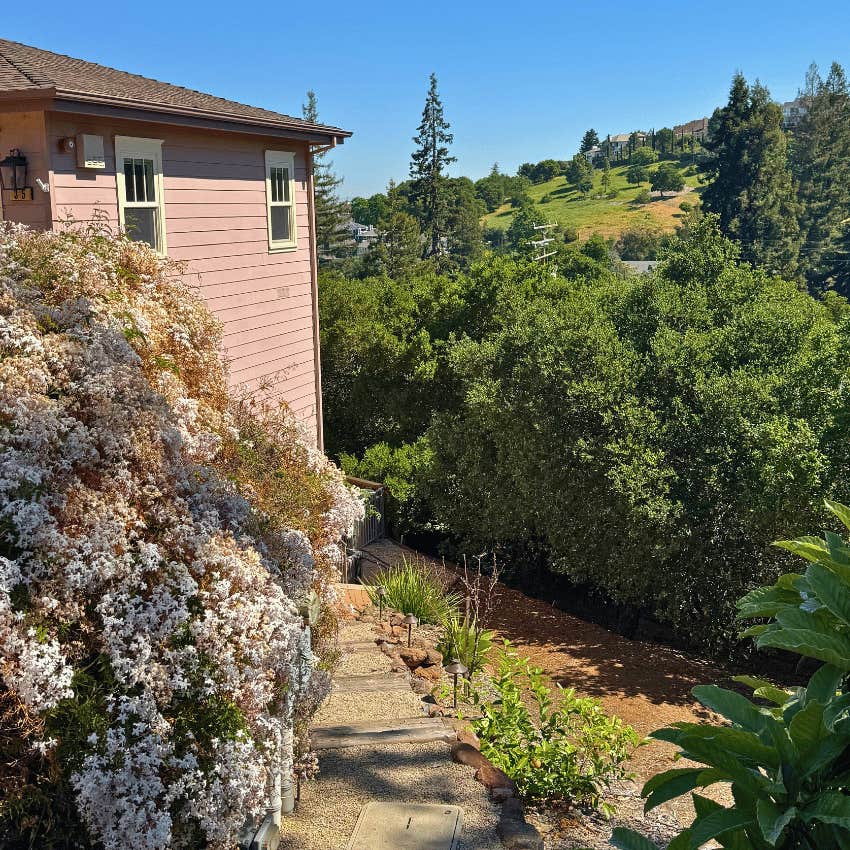
If your house backs up to a spectacular river or a beautiful vista, it may be pleasing to the eye, but it can tilt your energy too heavily toward family and health and away from the money-based energy of the front of your house.
7. Cliffsides
A cliffside home over an ocean may be some of the most desirable real estate around, but feng shui says it's a no-go. It's simply too dangerous. Similar to the person who worried about a car veering into her house, the possibility of the land giving way is too disruptive to chi to be worth the money.
8. Adjacent buildings with sharp or pointy design features
Feng shui recommends against sharp, pointy objects or shapes pointing toward you because they give off an aggressive energy you don't want flowing through your home. This is one reason, for example, that feng shui has rules about where cactuses can be placed around a home.
So if your neighbor's house or a nearby building has angular, pointy features aimed right at your home, Kaylin said you should consider avoiding it if possible.
9. Road intersections
Similar to living near a highway, living next to a street intersection makes it hard to truly relax. The noise, constant headlights flashing in your windows, and safety concerns can add up to stress, which feng shui says can disrupt your overall energy flow.
If your home is near an intersection, Kaylin suggested putting up tall shrubs or fencing to create as much separation from the street's hubbub as possible. Guard your peace.
John Sundholm is a writer, editor, and video personality with 20 years of experience in media and entertainment. He covers culture, mental health, and human interest topics.
