
6 High School Classes Gen X Took That Pretty Much No Longer Exist
 melissamn / Shutterstock
 Gen X grew up taking several classes that taught practical life skills for dealing with basic scenarios, but many of those lessons aren’t part of the curriculum anymore at most high schools.
While everyone in Gen X knew someone taking shop or typing, today's kids are expected to learn those skills at home or on YouTube if necessary. Some of these classes truly aren't as relevant as they once were, as technology has rapidly changed so many aspects of our daily lives.
Gen X took several high school classes that pretty much no longer exist today
1. Photography class
High school photography classes not only taught kids how to operate cameras. The students would take photos during class and later develop them in a dark room.
Not only do most schools not have dark rooms anymore, but most people don't have cameras that use film. Practically every high school kid has a camera available on their phone, and if they need help using it, a quick YouTube tutorial will do just fine.
Today's high school kids have grown up using their phone cameras all the time. They probably practiced framing a shot for an Instagram-worthy photo before they even knew that developing film was ever a thing.
2. Home economics
 H. Armstrong Roberts from Photo Images via Canva
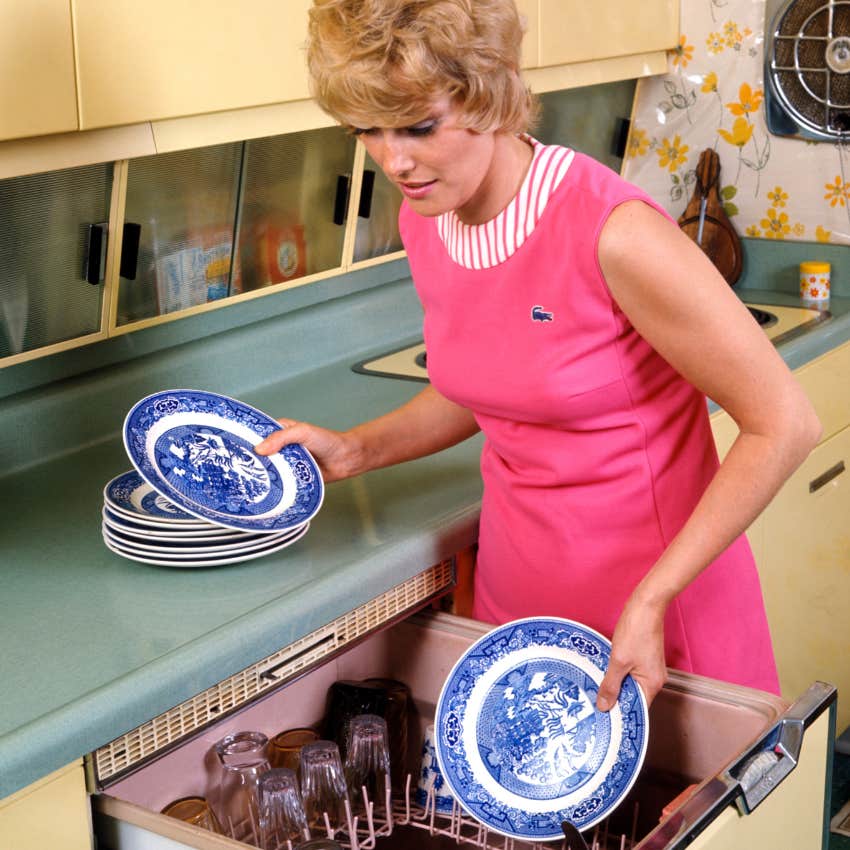
Home economics used to be a class where Gen X kids learned how to take care of themselves and their home life. Students would practice skills like cooking and sewing. The class used to be taken predominantly by girls because they were expected to be at home and cooking meals for their families. It fell out of favor as more women started going to college and working in the professional world. Home ec began to be seen as demeaning, and many girls no longer wanted to take it.
Still, these life skills are so helpful that I think we should bring it back, just without as much emphasis on gender. I think everyone should be required to learn how to cook and take care of themselves because it's an essential skill in adulthood.
3. Shop class
Shop class also taught incredibly valuable life skills to Gen X students. They'd learn about wood and metal working while practicing operating power tools responsibly. It taught them how to make repairs around their home so they didn't have to hire someone to take care of things they could do themselves.
In my mom's high school, there were two kinds of Shop classes. One was Autoshop class, where kids learned about mechanics and electrical work. The other was Woodshop, which is pretty self-explanatory. While these skills are useful for everyone, they also helped people prepare for a trade job, like being a car mechanic or construction worker.
These classes became associated with trade jobs, which were quickly falling out of favor with most students. This made taking them less desirable, especially for the people who wanted a four-year degree. And since trade jobs seemed less appealing, most students wanted one.
4. Driver's education
 yellowsarah from Getty Images Signature via Canva
While fifteen-year-olds still have to take Driver's education (more commonly known as Driver's Ed) before they can get their license, Gen X learned it differently than kids do today. They were taught Driver's Ed as a formal class in school.
Driver's Ed taught soon-to-be drivers about traffic laws and the fundamentals of driving a car. By making this class a requirement, they made sure all kids had the opportunity to learn to drive.
Without Driver's Ed in schools, kids have to find programs on their own. Private Driver's Ed. companies usually cost a good amount of money, and some parents might not have that to spend, so their kids won't have the same opportunity to learn.
5. Civics class
Civics was a humanities class Gen X took to learn about how government works. In this class, they'd study laws and politics. Sometimes, they'd also practice discussions and debates.
It taught students about the landscape of our country and how to navigate it. They'd learn how to handle conflict peacefully and without offending someone with different views. It was slowly phased out of schools as the national curriculum started prioritizing S.T.E.M. classes more than the Humanities.
Schools wanted kids to know more about sciences and mathematics than government or history. Just like Home economics, these skills are still necessary, though. We live in a democracy, and students should understand how their voice can be used to participate in it.
6. Typing
 RyanJLane from Getty Images Signature via Canva
Most students in Gen X didn't have a computer at home, but they did have a typewriter. Typing classes in high schools were meant to prepare students for office jobs, where they would be expected to type efficiently and as fast as possible.
Kids today don't have to learn this, though. Younger generations have been raised in the digital world, and most already know how to use a computer. Also, because most of them type all the time, either on their phones or laptops, they don't need to learn how to type faster. They're already pretty good at it.
Lily Bell is a college student studying English and Publications who covers relationships, mental health, and personal narratives surrounding the human experience.
