
If You Hated The Popular Kids In High School, You Probably Had These 11 Reasons That Still Affect You Now
 Leszek Glasner | Shutterstock
 High school is a complicated social ecosystem where fitting in can feel just as important as passing your classes. For many teenagers, popularity carries a lot of weight, shaping friend groups, social status, and even self-confidence. The identities we develop during those years often stick with us long after graduation, which means our experiences with the so-called "popular kids" can still affect how we see ourselves and others.
If you hated the popular kids in high school, it probably came down to bigger differences in personality, family background, priorities, or social comfort. Looking back as an adult, those same reasons might still influence how you approach friendships, belonging, and social circles today.
If you hated the popular kids in high school, you probably had these 11 reasons that still affect you now:
1. You were dealing with family struggles
 Elina Efimova | Shutterstock
If you came from an unstable family background, it's likely that your focus wasn't on being popular, but on getting through what you were experiencing at home.
Healer Valeriya Divine spoke to the reasons why having family struggles separates you from the popular kids, noting, "Those popular kids, a lot of times, they were already getting their needs met. They weren't struggling to work out their survival or making sure that they're gonna be okay or trying to find a connection with their parents, because the parents were already giving them that. They can focus on fostering and being in their friend group already, versus someone who came from a toxic or dysfunctional family."
There's no way to truly know what someone's family life is like unless you're there with them. Yet kids raised by caring, available parents were most likely to have the tools they needed to form secure connections. Kids whose parents couldn't provide those tools existed on a different plane than the popular kids, as they were channeling their energy toward healing their trauma, not toward their social life.
2. You were searching for deeper connections
 Nikodash | Shutterstock
Divine also touched on the differences in how popular kids formed connections, as opposed to kids coming from "A dysfunctional place of lack." She noted that popular kids who grew up in wealthy neighborhoods and played the same sports "already had an established friend group."
"So, when you already have a community around you, if the caretakers are there, the friends are there, you're not looking for any more connections. Like, those kids already kind of had their cups filled," Divine explained. "If you're someone that grew up in a dysfunctional family, or you're a neurodivergent... You were most likely looking for connection."
You were looking for people to connect with on a deeper level. As Divine added, "You didn't get that at home. But those kids, they already got that. They weren't looking to make more connections because their connections already felt good to them."
3. There was a financial gap
 fizkes | Shutterstock
Having access to wealth and financial stability often means that you're given opportunities that people without money don't have. Popular kids often come from well-off families, which means they have disposable income to buy expensive clothes, go on vacations, and drive fancy cars, all of which are status symbols.
Research from Child Trends shows that teenagers from higher-income families are significantly more likely to participate in extracurricular activities, which often expand their social circles and visibility at school. If you came from a family without the level of wealth that the popular kids have, you probably didn't have extra money to spend. That financial imbalance kept you on a separate playing field from the popular kids. You weren't skiing in Aspen or going on Caribbean cruises. That division in social class kept you out of the social circles that the popular kids ran in.
4. You were more introverted
 Lomb | Shutterstock
Having an introverted personality is another possible reason you didn't get along with the popular kids in school. Being an introvert means you focus more on your internal emotions than external stimulation. While popular kids generally have a wide network of friends and acquaintances, introverts usually have a smaller friend group.
Around 25-40% of the population are introverts, yet there are common misconceptions about what it means to be introverted. Introverts aren't antisocial; they just need a lot of time alone to recharge after being in a highly energized environment.
Being introverted is different from being shy. Shyness is a form of social anxiety rooted in a fear of being judged, while introversion can be classified as a tendency toward independence.
As an introvert, you probably felt more comfortable hanging out with close friends, as opposed to going to parties that the popular kids threw, which is why you didn't get along with them in school.
5. Your values didn't match theirs
 PeopleImages.com - Yuri A. | Shutterstock
We often build friendships with people who share our moral beliefs. If you didn't get along with the popular kids in school, it's possible that you had misaligned values.
Popular kids often center materialism and social status over making deep, long-lasting connections. They might wield their power by excluding other kids or leaning into bullying behavior.
If your moral compass placed kindness over feeling superior, it's likely that you didn't get along with the popular kids in school. The friends you had likely reflected the values you held, as it's hard to genuinely like someone who acts in ways you disagree with.
6. You rejected conformity
 Ground Picture | Shutterstock
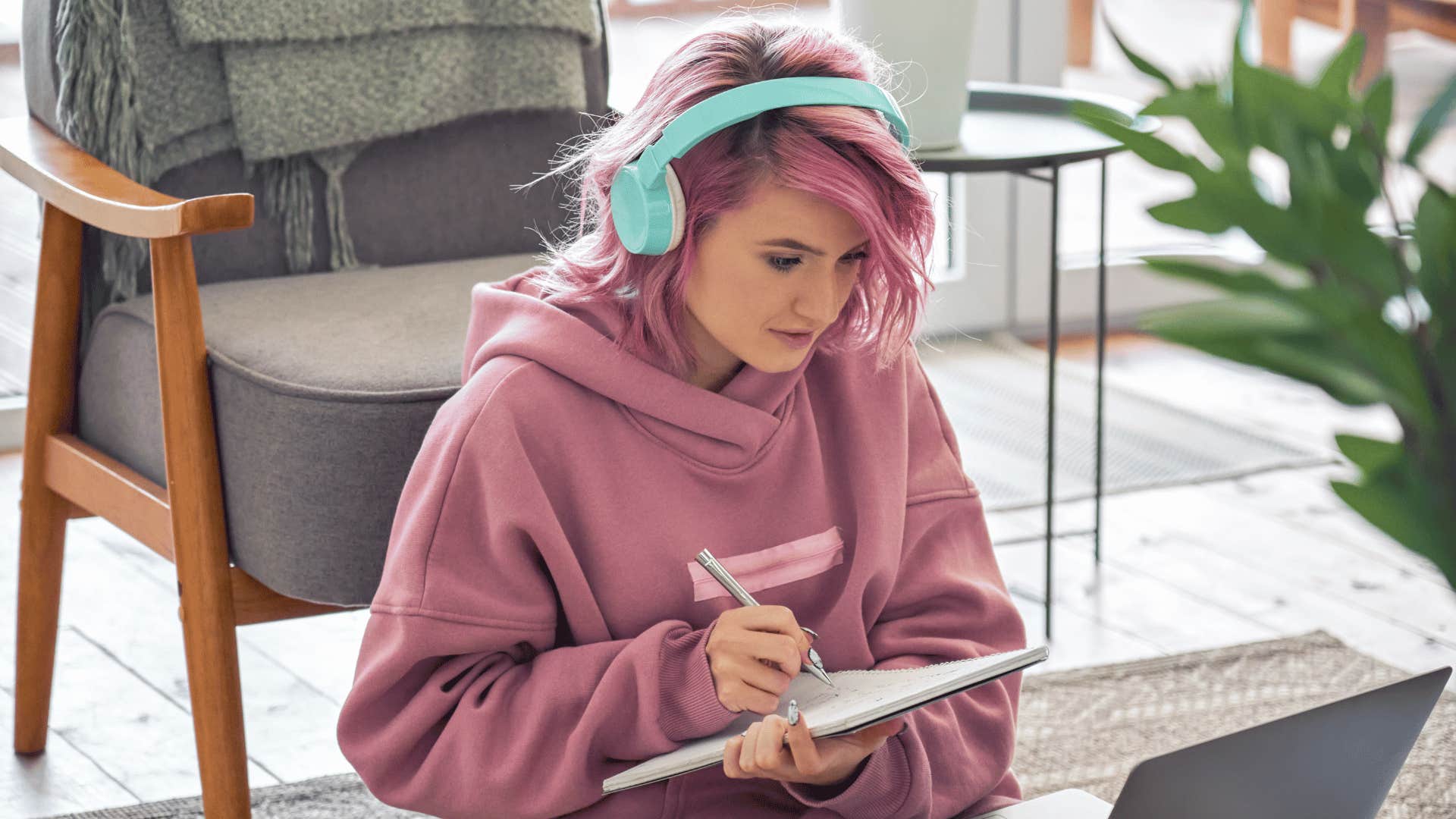
Being popular often centers on a unified sense of style and following the latest trends. In high school, clothes serve as a marker of status, and the divisions tend to be very rigid. It's possible that you didn't get along with the popular kids because you didn't want to conform to their style or ideas. Research published in Child Development Perspectives found that teenagers often adjust their behavior and appearance to match socially influential peers because conformity can increase acceptance and popularity.
You might have rejected social conformity outright and made choices that differentiated you from them. Maybe you were a punk, a skater, or a theater kid, rather than a football player or a cheerleader.
You chose to align yourself with other kids who lived on the social margins rather than with those who won prom king and queen. It's not that you didn't fit in; it's that you fit into your own group, which is entirely valid in its own right.
7. You struggled with social anxiety
 Motortion Films | Shutterstock
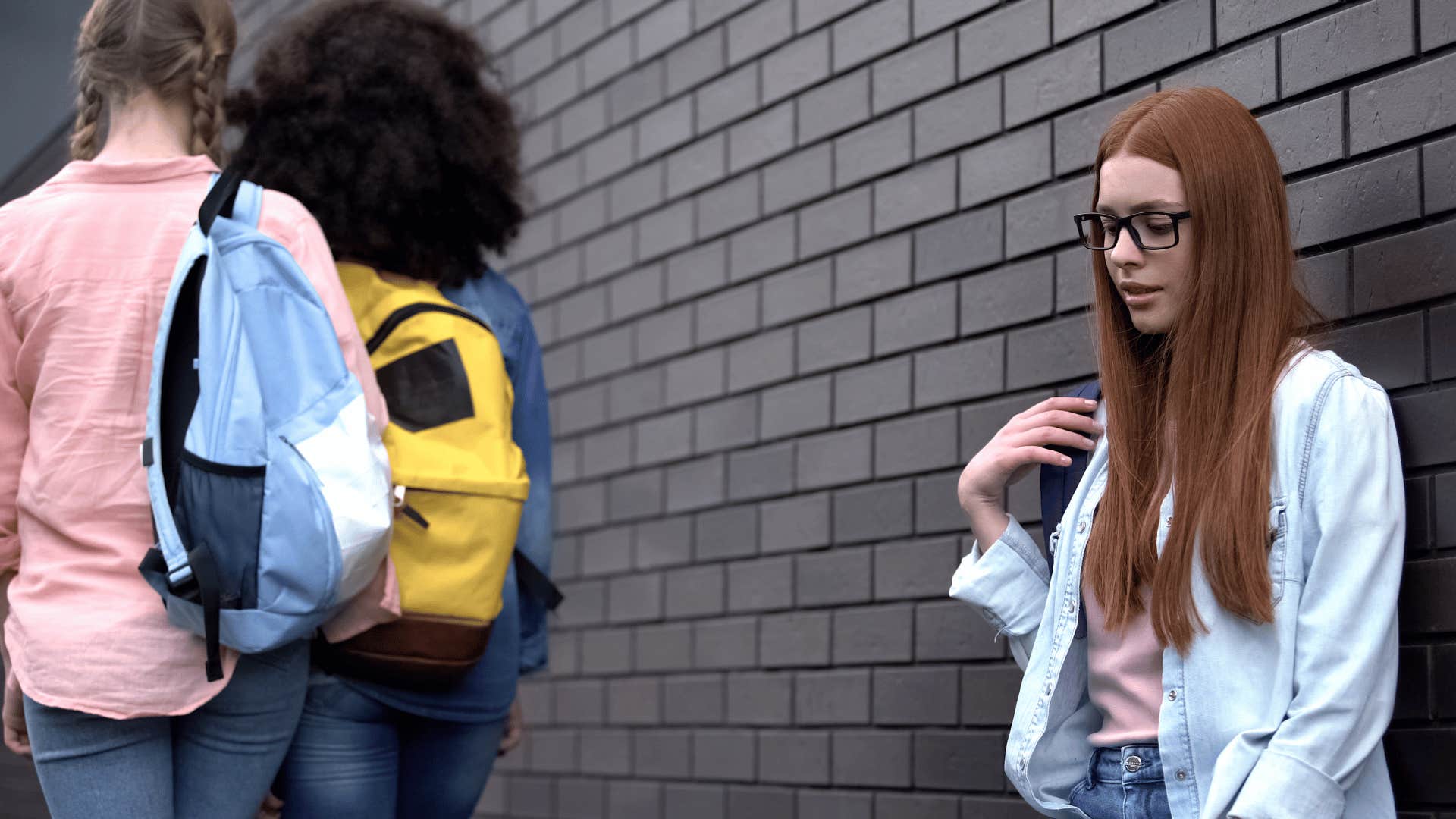
Having social anxiety is another reason you might not have gotten along with the popular kids in school. The National Institute of Mental Health classifies social anxiety as the "persistent fear of being watched and judged by others."
Social anxiety disorder exists along a spectrum, meaning it can be minor or it can feel like it controls your entire life. You might worry about social situations long before they occur, and you might even avoid certain activities because your fear of being rejected is so strong. You might freeze up when you feel singled out or struggle to speak in front of large groups.
Having social anxiety can make you feel highly self-conscious, which makes it difficult to be around people you don't know very well. If you experienced significant anxiety around other people, it's likely that you didn't get along with the popular kids at school, as being a social butterfly is often a requirement for popularity.
8. You had different priorities
 Drazen Zigic | Shutterstock
In the same vein as having different values from the popular kids, you might also have had different interests and priorities.
Popularity is often determined by being an athlete, which means if you weren't into sports, you probably didn't get along with the popular kids in school. You might have placed more importance on your academic pursuits than they did, or chose to be involved in activities that weren't stereotypically associated with being popular, like being on the debate team or the school newspaper.
Your choices weren't any more or less valid than how the popular kids spent their time; they were just different, which is why you didn't get along with them in school.
9. You weren't part of their social scene
 Zadorozhna Natalia | Shutterstock
Because maintaining social status is the focal point of popularity, you might have been overlooked by the popular kids because you didn't run in the same circles as they did. They might not have invited you to their parties or asked you to hang out. If you didn't have access to their social scene, you didn't have the chance to connect with them outside of school, which meant you felt isolated from that group.
In high school, so much of the way that the social hierarchies work is out of our control. Yet high school lasts only a finite period, which means graduating sets you free from high-pressure social expectations.
The older people get, the less important popularity is, so who you hung out with as a teenager doesn't matter anymore.
10. You valued authenticity over status
 Javier Bermudez Zayas | Shutterstock
If you hated the popular kids in high school, it may have been because you cared more about authenticity than social status. Many popular groups tend to operate under unwritten rules about how to dress, act, and talk, and if you valued being genuine, those expectations may have felt exhausting or fake. Instead of trying to mold yourself to fit in, you may have preferred to stay true to who you were.
For people who prioritize authenticity, the pressure to perform socially can feel uncomfortable. You might have noticed classmates changing their personalities depending on who they were around, laughing at jokes they didn't find funny, or following trends simply because everyone else did. That kind of behavior can make popularity seem shallow rather than appealing. Research published in the Journal of Adolescence has found that teenagers who prioritize authenticity tend to form fewer but deeper friendships, while those focused on popularity are more likely to adjust their behavior to gain social approval.
Rather than chasing approval from the most visible social group, you may have gravitated toward friendships that felt more real. Smaller circles often allow people to present themselves as-is, without worrying about how they'll be perceived by a larger audience. While that might have kept you outside the popular crowd, it likely helped you build deeper, more real relationships.
Looking back, that preference for authenticity may still influence how you choose friends today. As adults, many people who once rejected high school popularity find that they still value honesty and emotional depth over surface-level social approval.
11. You felt excluded or judged
 DimaBerlin | Shutterstock
High school social structures can feel incredibly rigid, and sometimes people end up disliking the popular crowd simply because they feel excluded from it. Being left out of parties, inside jokes, or social events can create the impression that certain groups are deliberately shutting others out. Over time, those experiences can easily turn into resentment or frustration.
When teenagers feel judged or overlooked, it often shapes how they interpret others' behavior. You might have noticed the popular kids getting more attention from teachers, classmates, or even school administrators, which can make the social hierarchy feel unfair. Even small things, like not being acknowledged in class or feeling invisible at school events, can reinforce that divide.
Those experiences can stick with people long after graduation. Being excluded during formative years can make someone more cautious about social groups later in life, especially if they've internalized the idea that certain spaces aren't meant for them.
At the same time, those early experiences often push people to find communities where they feel accepted. Many adults who once felt like outsiders in high school eventually realize that popularity mattered far less than finding people who actually appreciate them for who they are.
Alexandra Blogier is a writer on YourTango's news and entertainment team. She covers social issues, pop culture analysis, and all things related to the entertainment industry.
