
Gen Z, Millennials, Gen X & Boomers Have Completely Different Ideas Of What A Weak Person Looks Like
 JulioRV / Shutterstock
 When we condemn weakness in people, it can often seem like a power move. But when our ideas of weakness look a lot different from what other people believe, it can lead to tension.
Each of the generations have different ideas of how a weak person acts. And it wildly varies based on their values and how they judge the different stereotypes associated with each group.
Boomers, Gen X, millennials, and Gen Z have different ideas of what it means to be a weak person
Baby boomers and Gen X see a lack of resilience and loyalty as weak.
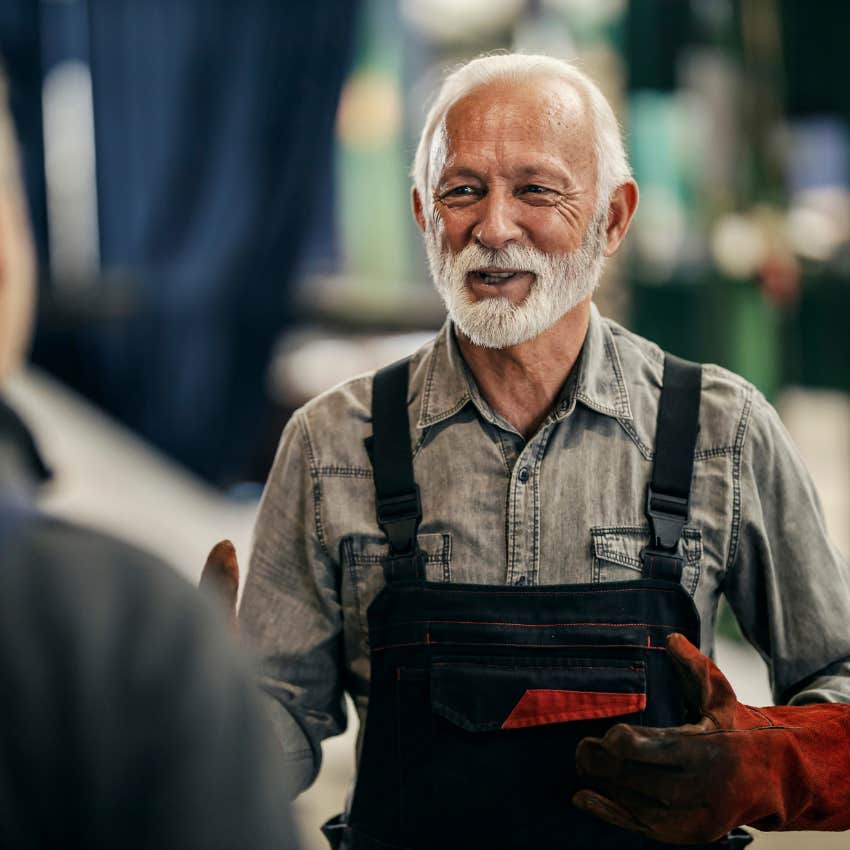
Many traditional ideas about work and home among Gen X and boomers revolve around resilience and the value of hard work. They believe that pushing through hardship, shoving down emotions, leading with logic, and being loyal against all odds are strengths.
 Dusan Petkovic | Shutterstock.com
They believe weakness is found in people who give up easily, speak too openly about their emotions or mental health, put their own needs first, and depend on others. They can’t stand it when people complain, even if younger generations define these conversations as self-advocacy.
Much of the mental health stigma they grew up with is still alive and well, fostering a nuanced bias against therapy and emotional expression that young people loathe.
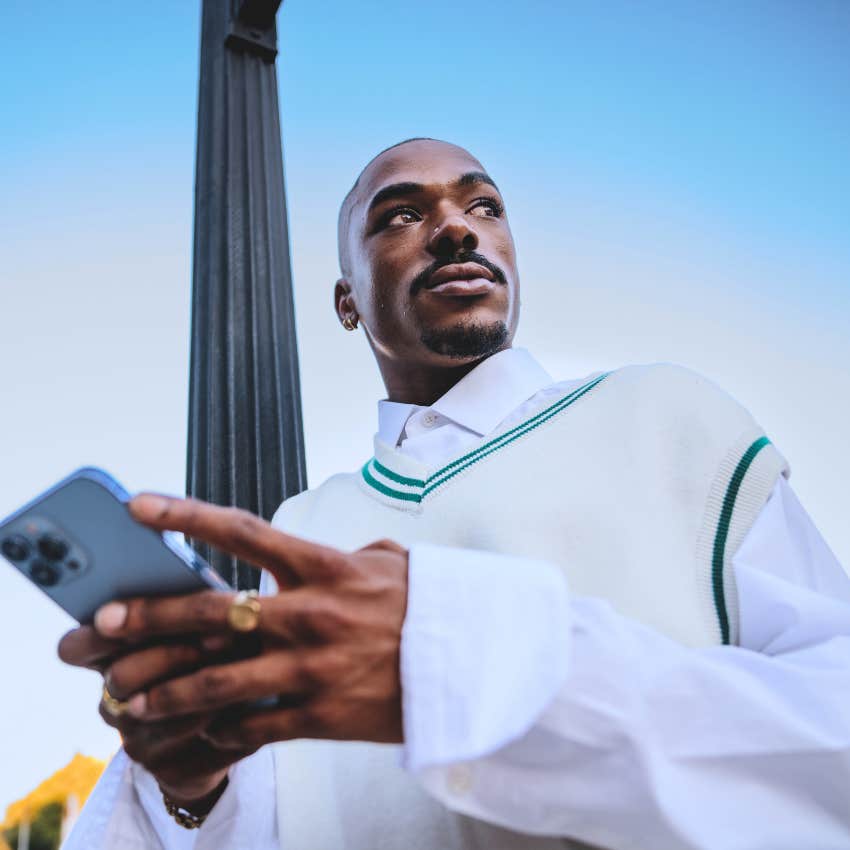
Millennials and Gen Z view weakness as a lack of vulnerability and unwillingness to advocate for oneself or others.
These younger generations value vulnerability and growth more than toughness or grit. In contrast to the hustle-culture mentality that older generations tend to equate with strength, people under the age of 45 typically prioritize balance and personal peace.
At work, they associate strength with being willing to advocate for change and protect personal boundaries, whereas they associate weakness with unrealistic loyalty and emotional suppression.
 GaudiLab | Shutterstock.com
They’re often resentful of their parents and older co-workers when they don’t feel heard. They believe the weakest people are stuck in their ways, fueling all sorts of generational disputes about traditional norms and beliefs. They frequently feel frustrated by traditional values that invalidate their personal priorities.
For most of them, shoving down emotions and pushing oneself to the point of burnout is weakness, not resilience, and the same is true for the way they feel about people who won't advocate for others or who refuse to shift their perspectives.
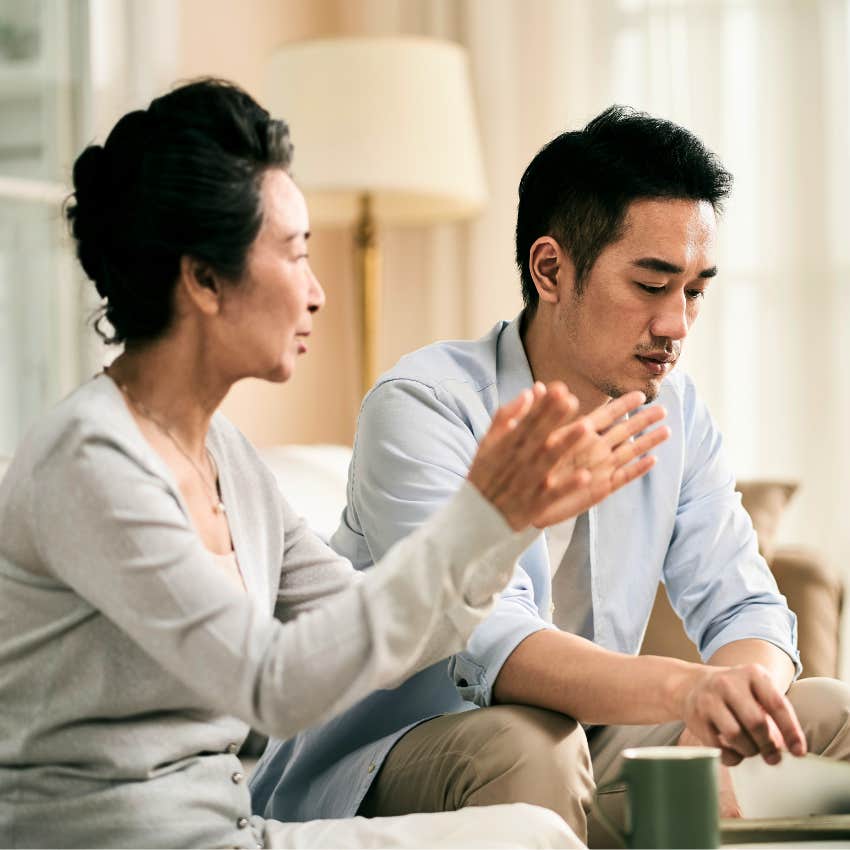
This tension between generational ideas of weakness often creates resentment.
When different generations, especially the contrast between traditional ones and modern Gen Zers and millennials, have completely different ideas about what it means to be a strong person, a hard worker, or a stable partner, of course, tension is likely to arise.
 imtmphoto | Shutterstock.com
In relationships and in the workplace, much of the tension that generations face as they battle each other stems from these definitions of weakness and strength. While Gen Xers have become somewhat of a bridge between the old and the new in their personal lives and at work, there’s still a great deal of underlying resentment.
Change is a good thing, but when ideas and identities clash and contradict one another, what resolves the anger generations feel toward one another? There may be many possible answers, but it all boils down to openness and understanding. You don’t have to agree, but you do have to understand one another and accept each other's right to have an opinion.
Zayda Slabbekoorn is a senior editorial strategist with a bachelor’s degree in social relations & policy and gender studies who focuses on psychology, relationships, self-help, and human interest stories.
