
Deeply Unhappy People Often Use 11 Phrases That Reveal Just How Miserable They Really Are
 TheVisualsYouNeed | Shutterstock
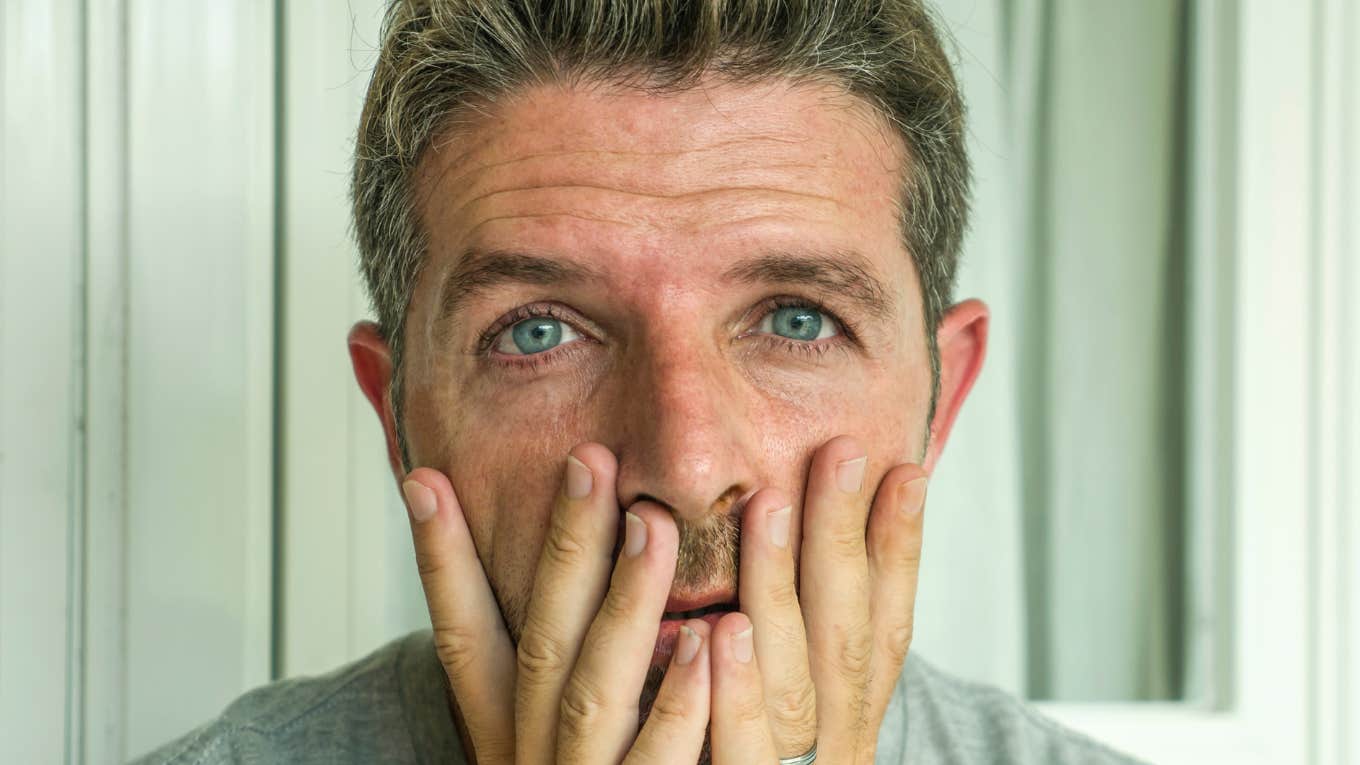
 Unhappiness starts inside and seeps outward. It can be loud, but not always. There may not be tears or angry outbursts. It's a whispered set of words said so often that it becomes true. A whispered affirmation that keeps you in a place of sadness, even though you would love to find real happiness.
Deeply unhappy people often use these miserable phrases to stay miserable:
1. 'It is what it is'
 Polina Zimmerman | Pexels
Saying this can easily sound as if you are simply taking things in stride, but the truth is that "It is what it is" signals resignation, not acceptance. It can reflect a sense of helplessness you feel, a verbal white flag waved when you have decided you just can't win. You are defeated in your mind, so you have decided to go ahead and throw in the towel.
The quiet resignation can hide the underlying idea that things won't get any better. You have conceded that nothing can or will change in your favor. Instead of surrendering, it could be much more helpful to say, "This is the situation for now. But I'm open to and looking forward to what's next."
2. 'Nothing ever works out for me'
 yacobchuk | Getty Images
This is one of my personal most-hated phrases. It is the epitome of sad-sack behavior. But we have all said "Nothing ever works out for me" or something similar a time or two in life. But as we learn about the power of the mind, we realize that speaking things like that into existence is a surefire way to manifest them.
Such a negative blanket statement is a part of the defeated mindset, a pattern of looking at your failures rather than focusing on what is possible. It easily reveals a pattern of negative thinking and often results from repeated disappointment. It also indicates that you've resigned yourself to being a victim of circumstance. To change the dynamic, tell yourself, "Some things didn't work out as planned. They were not losses, but lessons to help me grow and learn."
3. 'What's the point?'
 Prostock-studio | Shutterstock
In some cases, there very well may be no point. But we all know the context in which we've either heard someone else say this or blurted it out ourselves. They've given up. Things are hopeless. Purpose and motivation have left the building as despair and apathy moved in. It's a rhetorical question because you are not curious at all. You are down and out.
Deeply unhappy people are exhausted from the woes of the world. They are spiritually beaten down and see no way out of the hole life has put them in. But changing what's on the outside starts with making internal adjustments. Start by removing such a dismissive phrase from your vocabulary. An alternate statement might be, "I'm sure that if I keep on the path, the point will reveal itself."
4. 'I'm fine, just tired'
 Prostock-studio | Shutterstock
People use physical exhaustion to excuse things about themselves that they really should be paying attention to. Sure, fatigue is real and valid, but it is commonly used by deeply unhappy people as a mask to hide emotional issues like sadness, loneliness, burnout, and stress. Life can be so tiring at times. But if it constantly feels that way, something more concerning may be going on.
Covering your emotional fatigue, growing apathy, and concealed distress can wreak havoc on your ability to be truly happy. It's okay to be tired. But there are times when not only your body, but your soul, too, needs to recover. Listen to it and prioritize it. And don't berate yourself or feel guilty. Say, "I need and deserve rest, so I'm taking it now."
5. 'Nobody likes me'
 Prostock-studio | Shutterstock
Unhappy people may believe they are Public Enemy #1. They find it utterly impossible for another person to genuinely like them. Some of them want to be disliked because, in the infamous words of comedian Katt Williams, "If you ain't got no haters, then you aren't doing your job." The idea that nobody likes them keeps them from facing potential judgment and rejection. In their minds, "You never miss what you've never had."
This is really deep insecurity and a problem with trusting others, pretending to be above it all. You don't believe others have positive intentions or real feelings, so you set the bar low to avoid disappointment. The self-doubt and lack of self-worth can be hard for others to watch. You may start to feel unlovable, and that is one of the unhappiest places to be. Speak life into yourself by saying, "They would be lucky to have a friend like me. I have a lot of love to offer."
6. 'I don't care anymore'
 fizkes | Shutterstock
Like "What's the point?" "I don't care anymore" is a defense mechanism meant to make you seem unbothered or indifferent. But it's actually a sign that you have surrendered emotionally. You are protecting yourself because you've been hurt before and don't want anyone else to ever think they can do that to you again.
Saying this can be a signal of being emotionally numb and deeply unhappy. You have given up on something important to you, and you feel defeated. "I've been hurt before, but with my newfound discernment, I am learning to be vulnerable again," is a wonderful alternative that builds hope instead of obliterating it.
7. 'I knew this would happen'
 Juanmonino | Getty Images
Nothing is more self-fulfilling than a horrible prophecy that shows everyone you're deeply unhappy. "I knew this would happen" reflects an expectation of failure and confirms a negative worldview. You've been disappointed more than you care to share and resigned yourself to the idea that anything that can go wrong will.
This phrase usually comes after things went awry; it becomes energy that rolls into the next goal you attempt. You've been let down before, so you have no faith that things will turn out any differently this time. But perhaps letting yourself know that "I've been burned in the past, but this is a new day and I believe in new outcomes" may yield better results in the future.
8. 'I'm not good enough'
 Perfect Wave | Shutterstock
If you think you are not good enough, you are not good enough. You create your own reality with your thoughts. No one can tell you who you are because no one knows you better than you. Deep-rooted self-esteem issues are the catalyst for this phrase and the mindset that comes with it. You are chronically dissatisfied with yourself and feel unworthy.
Maybe negative childhood experiences planted this idea in your head, or toxic relationships ruined your sense of self, but you feel inadequate and that being rejected is automatic. Speak kindly to yourself: "I'm not perfect, but nobody is. I am enough exactly as I am."
9. 'People will always let you down'
 Odua Images | Canva
Really unhappy people have a few bad experiences and start to generalize to protect themselves from further harm. They might believe that other people should never be relied on, as they will surely let you down. They intentionally deny themselves meaningful connections to protect themselves from disappointment.
Of course, people make mistakes. Who hasn't been let down by someone they trusted? But one bad situation doesn't justify mistrusting everyone. Emotional safety does exist. You just have to know who can provide it and who cannot. Pain can easily build walls around your heart. Speak healing energy into your life by saying, "Not everyone will hurt me. I choose who I let in, and I trust my judgment."
10. 'Do whatever you want to do'
 Liza Summer | Pexels
This phrase tells someone you won and that you are emotionally detaching. The problem is that you are not detaching at all. You are overwhelmed and defeated, and this is your indignant response to absorbing the loss. It's a red flag to yourself that you have disconnected from your emotions because your chance at happiness has passed you by.
You are not invested in the future because it looks bleak in the shadow of failure. It may come off as total apathy, but it is really disappointment. Your determination to show you no longer care doesn't fool anyone. Use a more uplifting and aspirational phrase like, "I care deeply, but am afraid. I'd love to talk through it."
11. 'It's too late for me'
 RDNE Stock project | Pexels
What's more unhappy than feeling like you have come to the end of the road and run out of options? I always tell people that it's never too late to be what you might have been. The idea that it is too late to do something reflects regret and a sense that time has passed you by, leaving you stuck where you are for eternity.
The saddest thing about such a statement is that it removes any possibility of hope, growth, or change. But as long as there is still breath in your body, it's rarely, if ever, too late. So say it. "As long as I am breathing, there is time for happiness, change, and healing," is something I try to say to myself on a daily basis. Self-talk will make or break you, and I'm harnessing its power.
NyRee Ausler is a writer from Seattle, Washington, and the author of seven books. She writes lifestyle and human-interest stories that offer informative, actionable guidance on relationships, enlightenment, and self-discovery.
