
People Who Naturally Put Others At Ease Usually Do These 10 Tiny Things
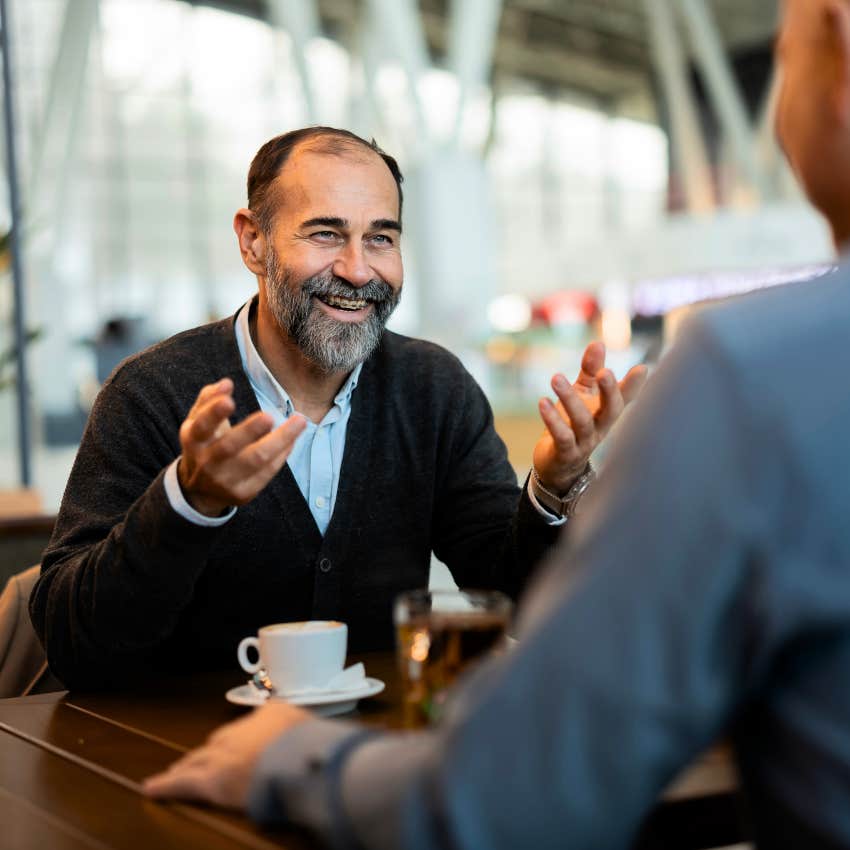
 Achi Murusidze | Pexels
 It's normal to feel uncomfortable when you're in a room full of strangers, but some special people have a magnetic gift that makes them so easy to get along with that all the discomfort vanishes.
Those are the kind of charismatic people that we usually hold some envy for on the sidelines. These individuals are more socially aware and tend to put others at ease naturally. Simply expressing gratitude or making an honest effort to listen to someone tell a story makes people feel seen, and that’s a superpower because it lets them make people they don't even know feel like close friends.
Warm and welcoming people use these tiny behaviors to naturally put others at ease:
1. They offer an easy out for plans
 alvarog1970 | Shutterstock.com
When we’re in a group of people or speaking to someone face to face, it’s easy to get peer-pressured into saying “yes” to social plans when you’re exhausted or overstepping a personal boundary. However, regardless of who they’re around, people who naturally put others at ease never pressure others to engage.
They don't force interactions, and instead, they naturally allow people to assert their boundaries and protect their time without guilt. Without the stress and pressure, relationships bloom organically and time spent together is much more appreciated.
2. They make an effort to listen
Even when everyone else stops listening and starts a new conversation with someone else, there’s always that one person who makes others feel comfortable and seen by making an effort. They still keep eye contact, remind you they’re listening, and offer all kinds of reassuring nonverbal cues that take the weight off our shoulders.
Even if it shouldn’t be, it often feels embarrassing to be speaking to a group of people and slowly lose their attention. It reaffirms the belief that we’re not worthy of being heard or special enough to keep people’s attention. Through active listening and observing social cues, these welcoming individuals stop the overthinking spiral and make the conversation enjoyable.
3. They curate a soft presence
This is all about having inviting body language. Not someone’s appearance but their aura and presence. They don't dominate or disappear into the wallpaper. They take up just the right amount of space and give off the right vibe, making it easy to relax.
Using eye contact and soft smiles, as well as an open posture that leads people in, the most naturally comforting people put in effort to soften their presence, especially when the conversation topics are emotional or difficult.
4. They mirror people
Mirroring builds rapport and trust between people because we feel most seen and comfortable around those who share our experiences and remind us of ourselves. Whether it’s intentional or subconscious, making people feel at ease usually starts here.
From mirroring a person's excitement levels to mimicking their body language, they read the energy of a room and reflect it back in comforting ways.
5. They use reassuring phrases
 Anastasija Vujic | Shutterstock.com
In addition to nonverbal communication and body language, people who make others feel immediately comfortable use specific language to keep conversation engaging. Asking the right questions and diving deeper into details can turn awkward talks into boisterous dialogue.
Especially in emotional or stressful conversations, these kinds of people act as a guiding light. They give people a safe space to express themselves and be open without the fear of being overlooked or judged.
6. They share nuggets of vulnerability
In the simplest terms, warm, welcoming people can help others lower their walls by being vulnerable themselves. Instead of being passive and disconnected, they reveal something about themselves or share something personal to make people feel less alone.
It’s their superpower because they not only help other people feel heard in important ways but also often make conversations more productive.
7. They offer gratitude without pressure
Instead of making people feel like they have to express gratitude in return or say “thank you” in response to forced compliments, the most comforting people express gratitude in intentional doses. “I’m glad you’re here” and “I’m so happy to see you” are small, yet validating, expressions that we tend to overlook.
They’re powerful for making people feel special, even in everyday situations and casual interactions.
8. They use direct language
While it might feel counterintuitive to making people comfortable, a lot of the time, direct communication is actually a form of kindness in relationships.
People feel uncertain and afraid when they don’t know how someone feels, or it seems like they’re withholding information to keep the peace. We want to know what’s on people’s minds, so we can make changes and move forward. Even in stressful situations and hard conversations, this kind of directness puts people at ease.
9. They don’t immediately react
 Luis Rojas Estudio | Shutterstock.com
Instead of blowing up and getting angry at someone, the most comforting people pause before speaking and reacting. They’re intentional about how they respond and act in social situations because they know their energy can affect the entire room.
Especially because defensiveness and negativity are so easily contagious, they’re helping everyone feel more comfortable by diffusing rather than adding fuel to the fire.
10. They show respect
While respect looks different for everyone, usually it revolves around consistency. Regardless of who’s around, someone who makes people feel comfortable and at ease offers them respect and kindness. Nobody is guessing how they’ll act because their presence is secure and known.
From showing good manners to simple kindness, they know how to show up for others. They lift others up and stay out of negative talk.
Zayda Slabbekoorn is a senior editorial strategist with a bachelor’s degree in social relations & policy and gender studies who focuses on psychology, relationships, self-help, and human interest stories.
