
The Art Of Being Unshaken: 4 Simple Ways To Be A Happy Person
 Artem Pechenkin | Unsplash
 We all seem to be looking for a way to dial things back when life gets overwhelming. Everywhere we turn, it's just stress and stimulation. But there are several cool life hacks for de-stressing and resetting your brain — and stress levels. With just a few simple habits, you can keep your mood steady and become the kind of person who feels genuinely happy, no matter what kind of circus is unfolding around you.
Here are 4 simple ways to be a happy person:
1. Turn off your phone notifications
 sattahipbeach / Shutterstock
Do those dings and beeps and whistles and squawks and customized ringtones of all kinds yank your attention all over the place, even when they go off on someone else’s phone?
Silence everything on your device except for incoming calls you want to take, and give your lizard brain a huge break from the tiny fight/flight/freeze response that happens every time something wants your attention. Stay focused on tasks without sacrificing yourself to serial distraction.
A study in the Journal of Occupational Health found that reducing notification interruptions leads to higher performance. That's because frequent task switching takes extra cognitive effort, and every time you get pulled away, you lose time getting back into what you were doing. Your brain treats each alert like a mini emergency, pulling your focus away and then requiring extra mental energy to get back on track.
How much of your day gets sucked up responding to email, texts, or social media? Some of us conduct business in the social web, it’s true, but it makes extremely good sense to be aware of how we spend those 23 days per year on our mobile devices.
The best 21st-century life hacks to manage your time? My favorites are Tim Ferriss’ Four-Hour Work Week or Kevin Kruse’s 15 Secrets Successful People Know About Time Management.
2. Use the 'Do not disturb' option a lot more often
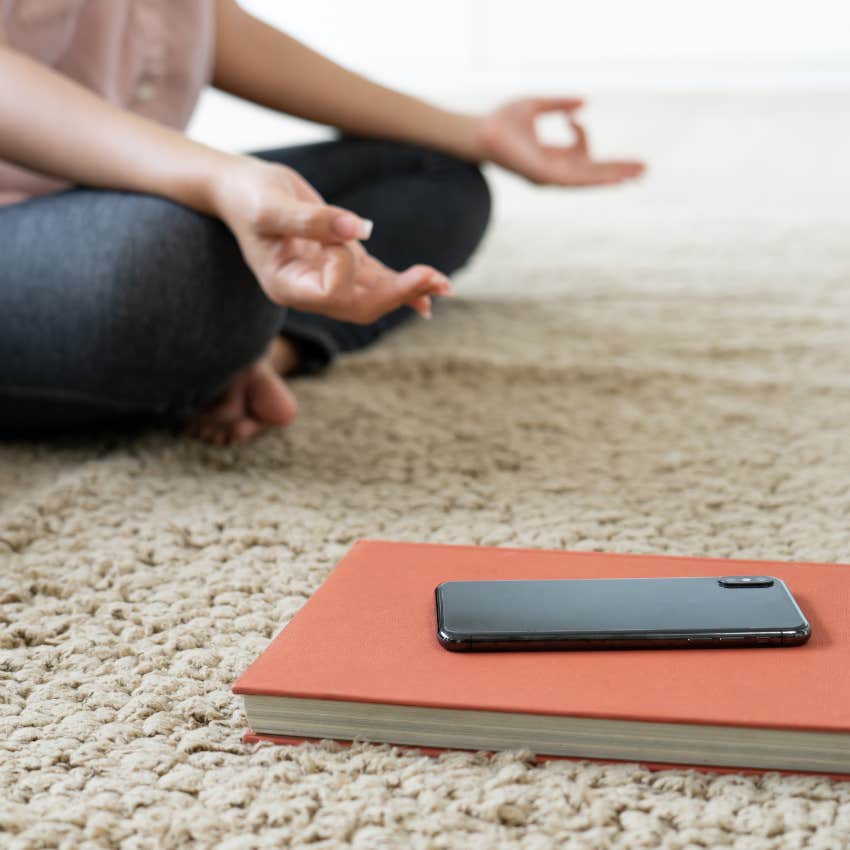
Want to really focus, even for a few minutes? Use your device’s "Do Not Disturb" setting, or just leave it somewhere where you can’t see or hear it. This is especially important while driving. Shut it all off, even for a few minutes, for a deep sense of peace.
You can read more about how your device kills productivity here, but as soon as you adjust to not being constantly distracted by the noises, notifications, and temptations, you'll notice an increase in a lot more than just productivity.
A randomized controlled trial found that participants who reduced their smartphone screen time showed improvement in depressive symptoms, stress, and insomnia symptoms compared to the control group. Even small changes matter.
3. Reboot your brain and mood through music
Long, boring meeting? Up-regulate your physio with hip-hop, Bach, or Mozart (or whatever upbeat playlist gets you going). What about those angsty days where everything hits the fan?
Reverse the brain drain with a down-regulate playlist. Use your faves — they’re the most powerful songs on your device. The idea? Listen to the opposite of what makes you crazy, stressed, or bored.
Research found that music was highly efficient in regulating mood, creating a private space where listeners could focus on their own emotional state without being influenced by their surroundings. The study also found that listeners are generally able to find music that matches how they're currently feeling or how they want to feel, which helps them manage their mood. Your favorite songs work best because they carry personal meaning, making them especially effective at shifting your mental state.
4. Drop into deep focus using binaural beats
 Gorgev / Shutterstock
The science on this is so cool that it almost sounds unbelievable: We can actually change our internal chemistry based on vibration, whether that’s the frequency of light or sound. Listen with headphones to a slightly out-of-phase vibration — a binaural beat — and your brain/body will respond.
Binaural beats can put you to sleep, encourage lucid dreaming, boost your beneficial hormones, strengthen analytical thought, amp up creativity, and can even defeat headaches. Alzheimer’s disease appears to respond to intervention from flickering light, a related phenomenon. I can’t wait to see how this will translate to a device app someday.
Bill Protzmann founded Music Care Inc., a for-profit corporation dedicated to teaching practical ways music can be used for self-care. His latest book, More Than Human, explains how and why re-engaging the human spirit can make a practical and positive difference.
