
Gen Z, Millennials, Gen X & Boomers Have Completely Different Ideas Of What Was Hard About Their Childhood
 Discha-AS | Shutterstock
Childhood stress may have some benefits, like boosting resilience and cognitive flexibility, but take that with a grain of salt. Overall, it's better for kids not to experience chronic stress.
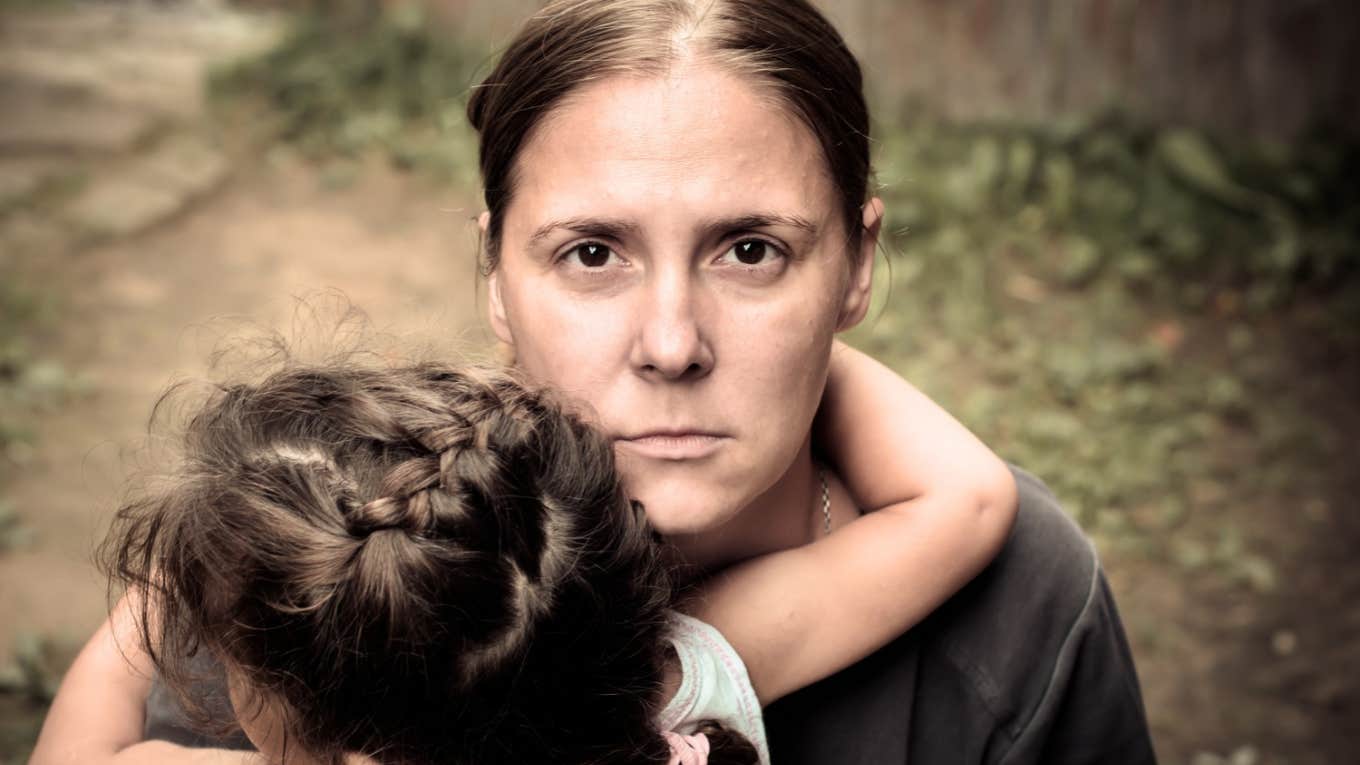
Gen Zers, millennials, Gen Xers, and boomers have different ideas of what made their childhoods hard. But one they have in common is that the reverberations of those challenges still come out in adulthood, alongside those potential upsides.
What was hard about their childhood years, according to different generations
Baby boomers lacked emotional closeness and were forced to keep up appearances
Baby boomers were born into a time of incredible prosperity and hope. World War II had ended, the soldiers came home, and after almost 40 years of war and , Americans and Canadians were more than ready for a time of growth. That's why so many babies were born (hence the name "the baby boom"!).
Young married people were given unique opportunities to buy a starter home and even working class families had opportunities to afford two or three kids, a car and some of the cool new gadgets that arose from the post-war engineering advances around them.
 fotoak | Shutterstock.com
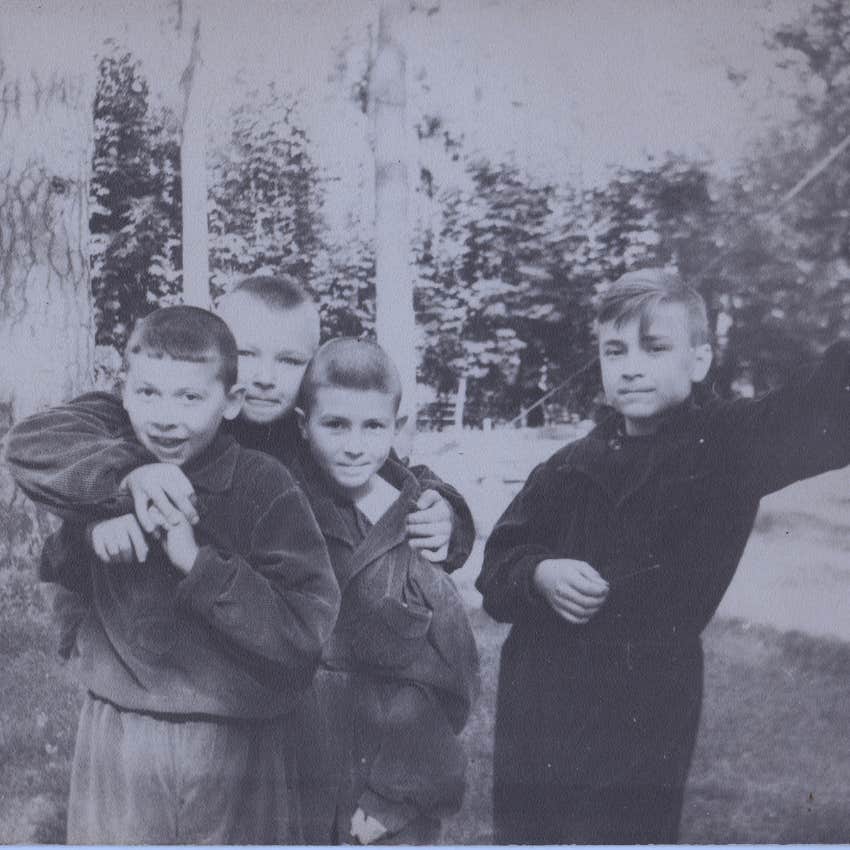
The prosperity of the post-WWII era meant their parents got to own homes and give them three square meals every single day. But it also meant pressure to conform to the image of a perfect Nuclear Family. It was a great time to be mainstream, but a very rough time to be a kid who didn't fit in, like if you had a learning difference, were queer or dealing with depression or another emotional challenge.
Even with the mundane parts of their childhood years, like daily chore lists, there was guilt if it wasn't done perfectly.
A 2023 study shared by The Wall Street Journal found that while 82% of adults grew up doing everyday chores at home, only 28% require their children to do the same now. It’s clear that while some level of responsibility, often through chores and household labor, is great for a child’s development, the strictness and parentification many older generations experienced only sparked guilt and trauma they don’t want to repeat.
Gen Xers resent the loneliness their little selves faced and how unprotected they were in the world
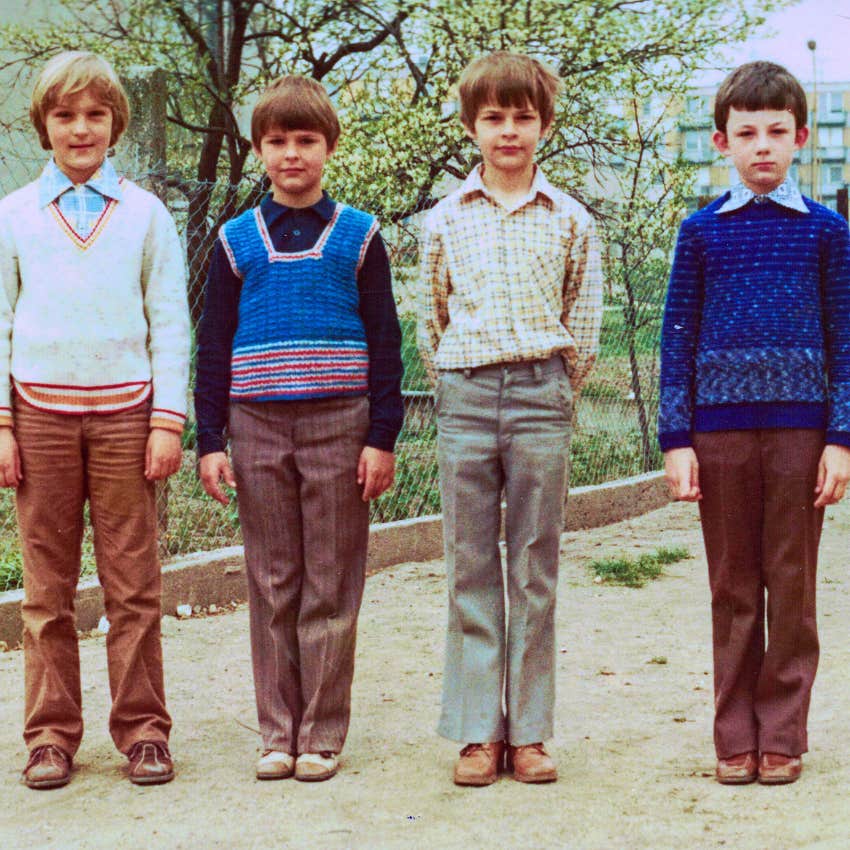
Gen Xers are coined the latchkey generation because they spent a ton of time alone and were often parentified before they even reached adolescence. Their parents were the first generation with a high rate of divorce and women working outside the home.
Because of those factors and the reality that dads were rarely in the picture as full-time parents, an unprecedented number of kids were unlocking their own homes after school and spending hours alone waiting for their mom to get back from work. Hence the name "latchkey kids".
They basically raised their siblings while their parents worked and even cooked meals while still in elementary school and junior high. They spent so much time alone and solved their own problems, often without a safe, supportive place in their parents to resort back to.
 Roman Nerud | Shutterstock.com
While plenty of Gen Xers are swinging to the other end of the spectrum, crafting overbearing parenting styles to compensate for their own neglect growing up, many still do struggle with mental health stigma, according to the Indian Journal of Psychiatry, likely due to the negativity passed down by their parents and their overall lack of emotional support.
In addition, because they were so unsupervised, there were many opportunities to get into trouble or even become victims of predatory crimes. To protect their own kids, they tended toward being over-controlling. They insisted on guiding their own kids, even well into adulthood, which is wonderful. Unfortuantely, this means they struggled to create space to support their own well-being, rest, and mental health.
While some Gen Xers think of their so-called feral childhood fondly, many resent their childhood loneliness and the emotional presence they never experienced from their parents. While it’s given them important traits like resilience and independence, it’s also made them more emotionally disconnected from themselves and overly focused on controlling their children's outcomes.
Millennials struggled with a changing social landscape, especially if they had traditionalist parents
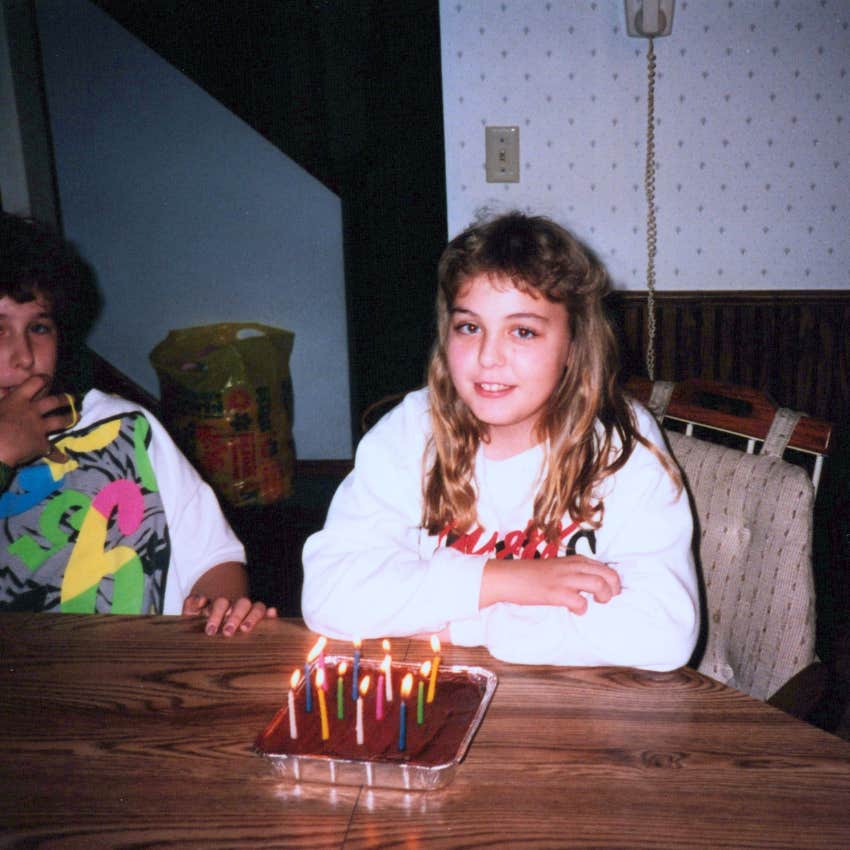
Despite growing into a more progressive perspective of the world, millennials often still had traditional parents with strict parenting styles and rules at home. This could make them feel like they had to be someone else at home or keep secrets from their parents.
These standards were often hold-overs from the nuclear family model, but also commonly came from the purity culture that took hold in the 1990s, introducing an entire generation to repression and shame and coupling it with religious trauma for good measure, too. While younger Gen Xers also had to deal with purity culture, it really had a hold on elder millennials and affected their lives greatly.
John Loeppky, writing for VeryWellMind, explains that there are serious effects on people's emotional well-being as a result. Often, these negative effects take years and even decades for millennials to unwind once they become adults.
 melissamn | Shutterstock.com
“Millennials are just as likely as previous generations, for example, to want to get married and have a family. They’re similar in a lot of their goals and values,” psychology professor Jean Twenge writes. “But, there’s also some fairly distinct differences in the way they see the world… [they’re] more focused on themselves and less focused on things outside themselves compared to the way boomers and Gen Xers were at the same age.”
They were very clearly given the same values around traditional life paths and milestones from their parents, but their slowly shifting attitudes around different societal groups, technology, and sociopolitical issues created tension. Especially without the emotional safety that gentle parents today often offer their kids, millennials had to learn how to manage themselves without guidance from parents with similar views.
Overbearing parents and way too much unrestricted screen time battle for Gen Z’s biggest childhood struggles
Many of the Gen X parents who raised Gen Zers tried to compensate for their own lack of guidance at home by being very present, supportive parents. But many didn’t know how to find the balance between overbearing and completely neglectful, because they didn’t always have models of healthy parenting at home, which Pew Research discovered could create a big values mismatch.
So, what resulted was an overbearing dynamic where Gen Z kids often felt completely supervised at all times by their parents, emotionally, socially, physically, and academically. Sadly, they often weren't supervised well enough online because their Gen X parents were raised without home computers and internet access, let alone mobile devices.
 NDAB Creativity | Shutterstock.com
This over-parenting may be partially to blame for the loneliness, social struggles, and disconnection young people face today. “It is seen as particularly problematic during emerging adulthood when the child is no longer a child but is striving to become an independent individual with a separate identity from their parents,” parenting expert David J. Bredehoft explains.
“Overparenting tends to make the emerging adult overly reliant on a parent to make decisions. It also robs the emerging adult of learning valuable life skills, making adulting very difficult.” On top of their parent relationships, Gen Zers were some of the first young people to grow up almost entirely with screens, cell phones, and social media.
All of these factors, coupled with the mental health risks that come from childhood screen-time, contribute to the ways Gen Zers are still struggling with unwinding the consequences of cell phone use early in their lives. Especially being the first generation with childhood mobile devices, the unrestricted nature of their time on the internet has left some lasting scars.
Zayda Slabbekoorn is a senior editorial strategist with a bachelor’s degree in social relations & policy and gender studies who focuses on psychology, relationships, self-help, and human-interest stories.
