
Kids Raised By Parents With 8 Old-Fashioned Dinner Rules Grow Up To Be Remarkably Stable Adults
 Kampus Production | Pexels
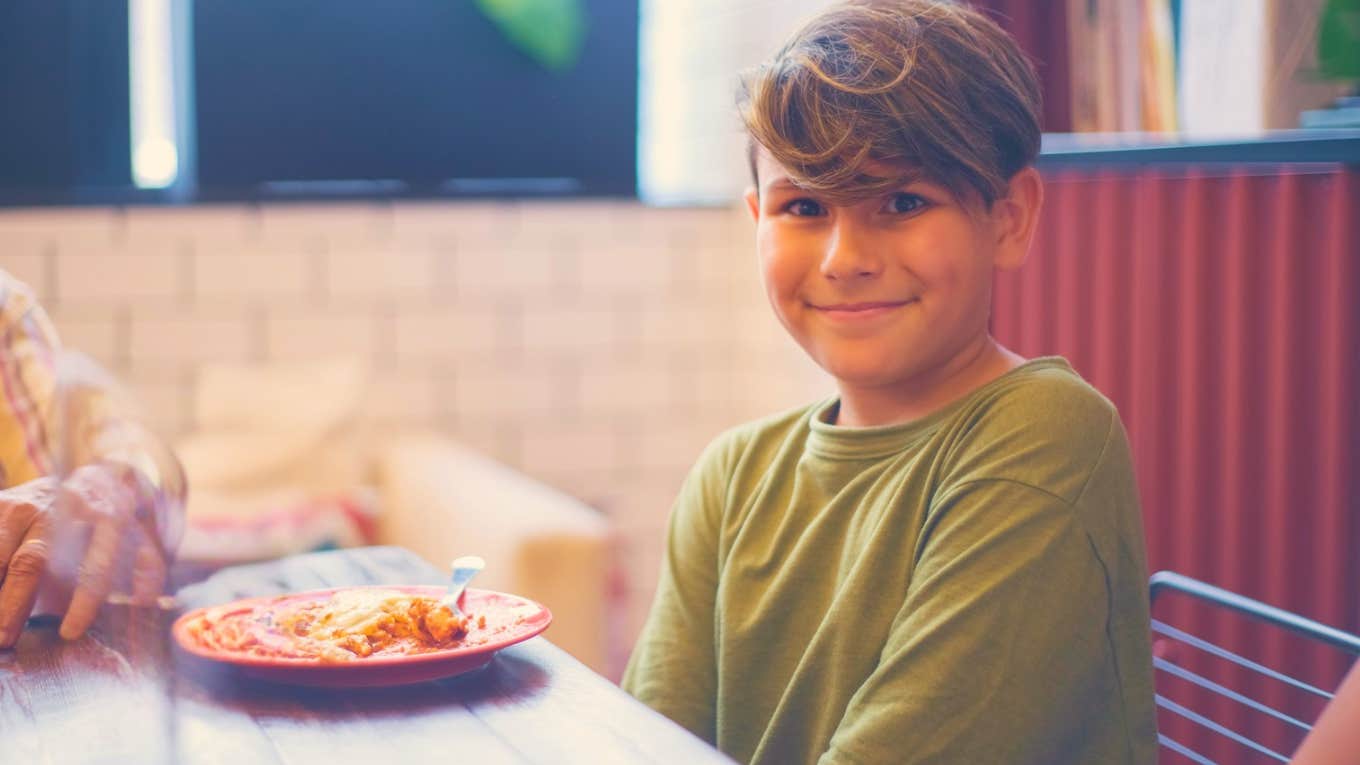
Family dinners have all kinds of benefits, but they're known for creating well-adjusted kids.
Despite family meals slowly going away, great parents still bring old-fashioned dinner rules into their households. These aren't the kinds of rules that encourage poor relationships with food. Instead, they're the ones that raise stable adults.
Old-fashioned dinner rules kids follow to become stable adults
1. Family meals at home are nonnegotiable
 PeopleImages | Shutterstock
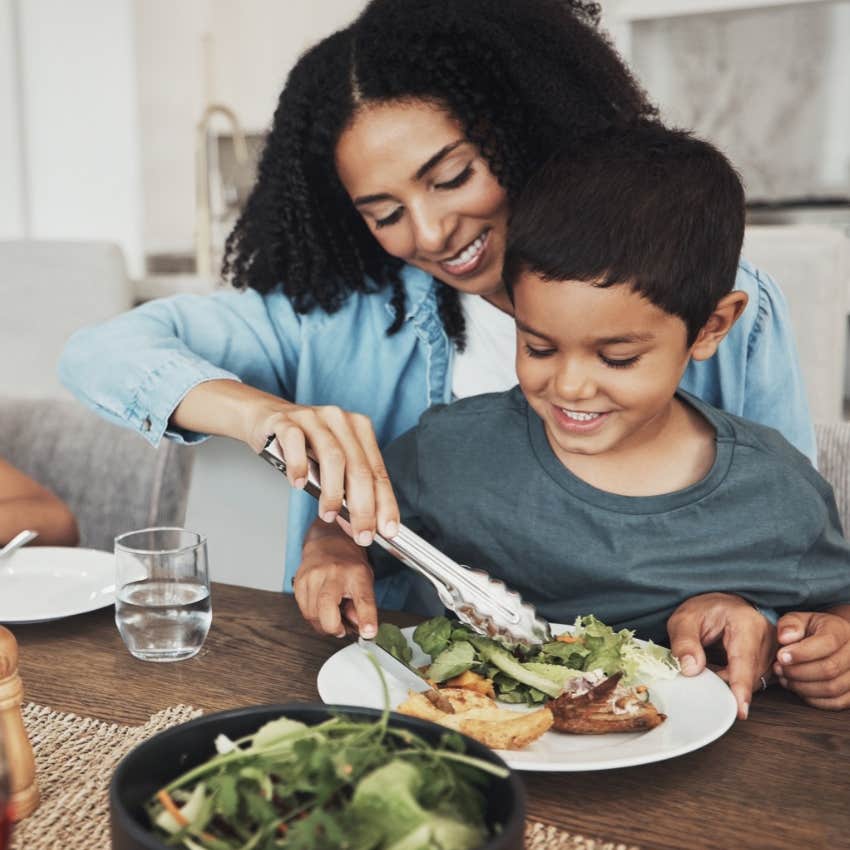
Even when siblings were fighting or the day got busy, parents who raise stable and emotionally regulated children made an effort to bring everyone together for a meal. Instead of forcing dinners that didn't always work out, they focused solely on quality time.
"No one needs more pressure these days, so please don't think you have to start having daily family meals in order for your children to grow up healthy," psychotherapist F. Diane Barth says. "But maybe you can start thinking about ways to incorporate one thing — such as storytelling — into an occasional mealtime, even one with only part of your family present."
On top of the belonging and closeness family dinners give kids, a study from Preventive Medicine found that parental well-being also increases when they become a staple at home. When parents feel secure, their kids do too.
They grow into adults who know how to speak about their day and process what they're feeling, instead of begging for attention or apologizing to appease the room.
2. Everyone has a role in mealtime
Many kids from the 60s, 70s and 80s had a consistent role at home. Some were the babysitters for their older siblings, while others were left with a laundry list of chores. They knew better than to get up from the kitchen table and entertain themselves without first helping to clean up or contribute in some way.
A 2019 study found that kids who regularly did chores and had a household role were more likely to perform better at school, academically and socially. While these kids might have complained about it in the moment, they're resilient, disciplined adults now.
3. TV and phones stay turned off until everyone is done
On top of all the consequences of too much screen time for kids, a study from the Journal of Experimental Social Psychology found that using phones at the dinner table can undermine face-to-face interactions and make the experience less enjoyable.
Instead of practicing social skills and healthy conversations early on, kids learn to lean on their phones as a crutch. Distracted eating, like sitting in front of the TV for dinner or scrolling mindlessly at the table, also increases the risk of overeating.
That's why screen-free, old-fashioned rules are so essential. They're teaching kids to be present with other people and in their own bodies, appreciating and honoring their hunger cues without distractions.
4. You say 'please' and 'thank you' instead of reaching over someone
Kids who were raised with old-fashioned manners are set up for success today. With expressions of politeness, like saying "please" and "thank you," becoming less prevalent, kids who are taught the importance of these words end up as respectful adults.
Every family's ideas of respect and good manners look different. Even so, kids have to learn these manners somewhere, as experts from Michigan State University say.
So, if their parents are using these kinds of rules to teach their kids how to respect someone else's personal space, they're adults who politely interact with and appreciate people's company.
5. Kids should try something new, without a ton of pressure
 Chinnapong | Shutterstock
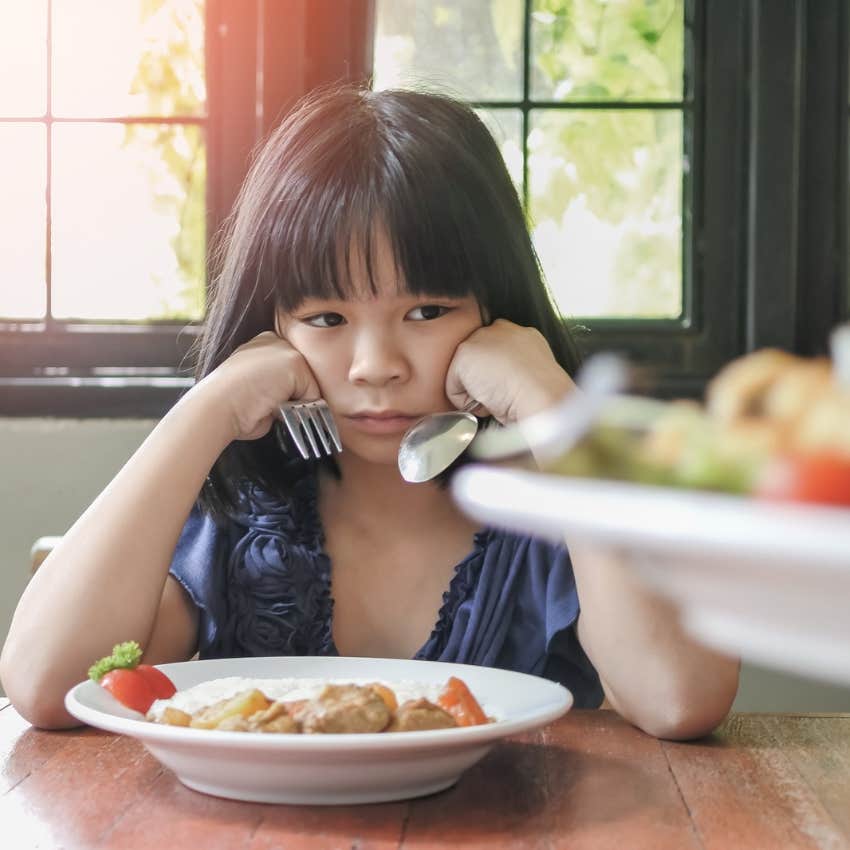
Teaching kids to have a healthy relationship with food starts at home, especially around family dinners and meal times. Instead of creating rules like "you have to clean your entire plate," good parents model healthy behaviors, like trying a new food or listening to their body while serving themselves.
Strict rules create anxiety around food, but these empowering lessons allow kids to be adventurous. They also don't need to like something after trying it, as it still gives them confidence.
6. Gratitude is more important than criticism
If someone is making a meal for you and putting love into something they want to share, being the first to point out something you don't like makes you seem ungrateful. But the best parents teach their kids to find room for gratitude.
When they dislike a meal, they may not be pressured to clean their plate, but they're expected to still say "thank you." It's this kind of taught appreciation that sets kids up for success later in life, as gratitude boosts our health and well-being.
"Being grateful is linked to higher levels of life satisfaction, optimism, vitality, helpfulness, empathy, forgiveness, and positive affect," behavioral researcher Ross E. O'Hara says. "Gratitude also reduces feelings of envy, negativity, depression, and anxiety. Some have argued that gratitude is central to our relationships with other people and to the human experience as a whole."
7. Everyone eats a well-rounded meal
Good parents don't demonize specific food groups. They don't teach their kids to ignore their own hunger cues. And they certainly don't judge them for their food intake. It's about making sure kids get their veggies and nutrients, but it's more nuanced than that.
"Generally, a healthy relationship with food allows us to make choices that honor our body and our hunger without guilt. Balance and flexibility in our eating choices are paramount to that relationship, one we often need to work on and reassess throughout our lives as we grow and change," registered dietician Isabel Reckson says.
"Labeling foods as healthy vs. unhealthy can teach children that they're doing something wrong when they eat the 'bad' ones," she adds. "Best to refrain from talking about your diet or your dissatisfaction with your body or weight in front of your children."
8. Kids learn to cook or help make a meal
 Prostock-studio | Shutterstock
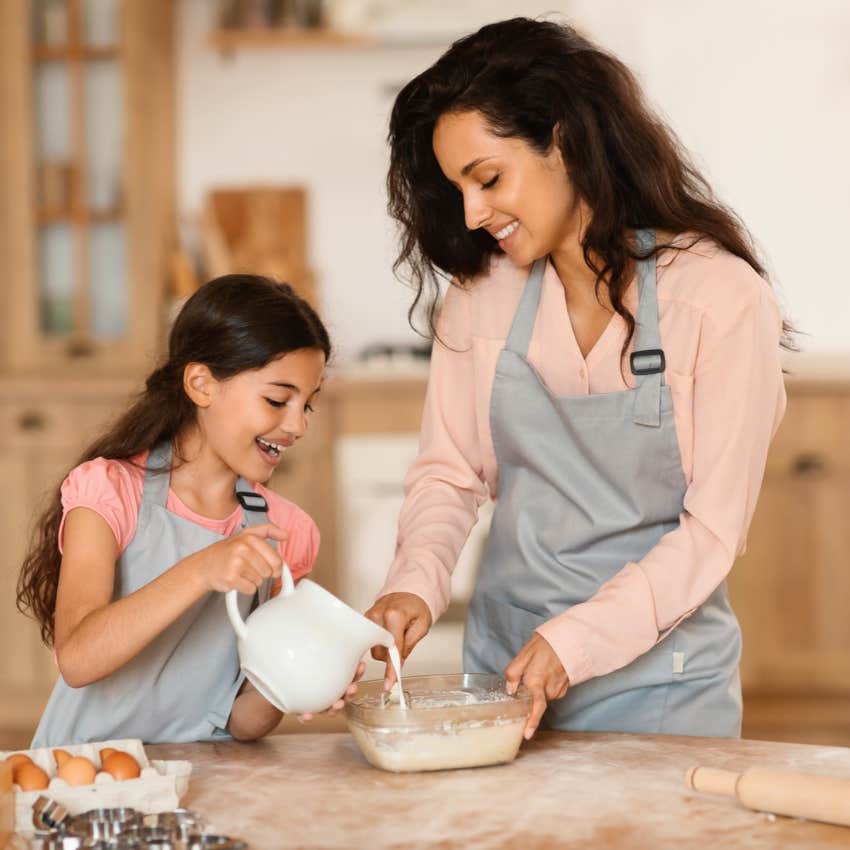
Even if they're not making the meals themselves, teaching kids how to cook and letting them be in the kitchen has all sorts of benefits. Instead of trying to protect their comfort all the time, the best parents give their kids a sense of ownership and responsibility by offering them a role.
As adults, they're comfortable in the kitchen. But they also boast self-reliance that's slowly going away these days.
Zayda Slabbekoorn is a senior editorial strategist with a bachelor's degree in social relations & policy and gender studies who focuses on psychology, relationships, self-help, and human-interest stories.
