
Adult Children Can Spot 6 Signs Their Baby Boomer Parents Aren't Taking Good Care Of Themselves
 sebra | Shutterstock
Caring for parents, especially for people in the sandwich generation, can feel like more than a full-time job.
You're stressed out and overwhelmed, and it's harder to notice little warning signs in a parent. Even if you don't spend a lot of time together, there are signs adult children of boomers notice when their parents aren't looking after themselves.
Adult children notice signs when their boomer parents aren't taking care of themselves
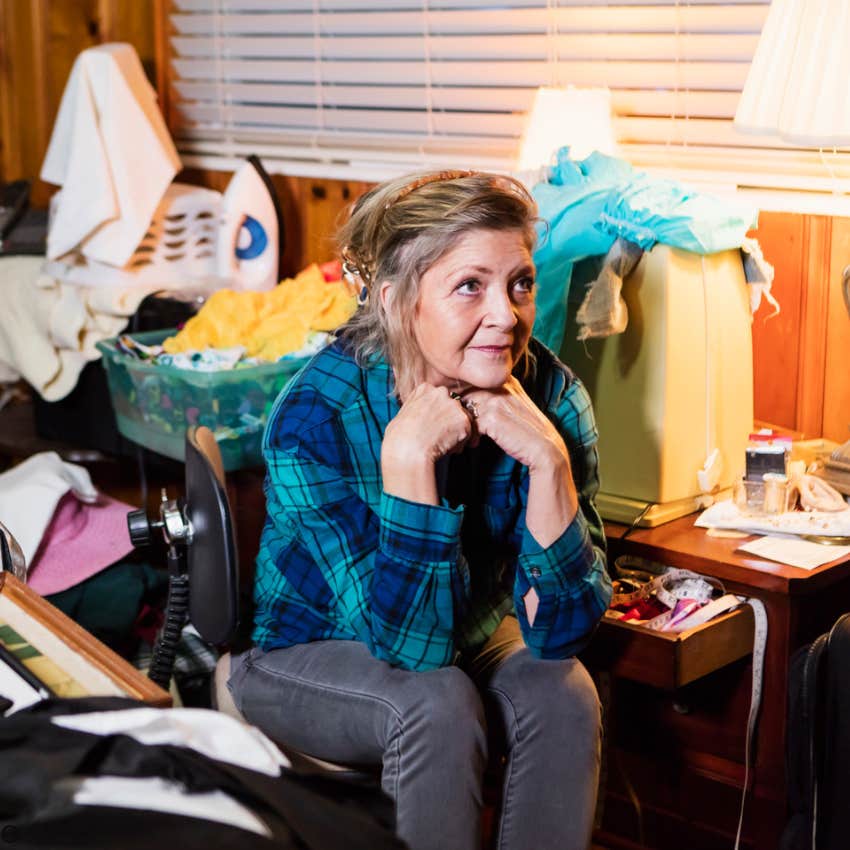
1. Their living spaces are considerably more chaotic and unkempt
 kali9 from Getty Images Signature via Canva Pro
It could be symptoms of mental health concerns or physical limitations that come with aging, but adult children tend to notice a decline in their parents' living spaces when they aren't staying on top of their self-care.
Their living spaces are cluttered and there are messes everywhere. Even basic things like laundry are neglected. All of these little red flags are often a sign of the disarray their parents are coping with.
According to a study from the University of Hertfordshire, it's not uncommon for parents feeling disconnected from their kids or experiencing empty nest syndrome to grieve like it's a true loss. Many of the same red flags that someone's not taking care of themselves may mirror the depression of an aging adult.
2. They seem 'off' and unlike their typical selves
According to a University of California study, personality tends to shift for the better with age. People become more conscientious with the wisdom of life experience. They're more secure in themselves and extroverted with the right people.
But if a boomer parent starts becoming more unhappy or emotionally reactive, it could be a red flag to their kids that they're struggling. Unfortunately, aging parents don't always get the mental health support they need, because the symptoms look different than they might for younger people.
"Seniors don't experience depression in the same ways as children and adults, often reporting more physical (headaches, backaches, fatigue) and cognitive difficulties (forgetfulness, poor reasoning, slowed thinking) than kinds of sadness or despair younger people report," psychologist Deborah Serani explains.
"As a result, older adults think their memories may be failing, or the reason they have aches, pains and irritability is due to 'old age.' The bottom line here is that many seniors don't even know they're struggling with a treatable mental illness."
3. They start forgetting basic things like important appointments or chores
Forgetfulness is a somewhat common part of aging for many people, but there's a line between symptoms of natural aging and a sign of a larger issue. For some, memory problems stem from mental health concerns, but for others, it's tied directly to social isolation and loneliness.
So, if an aging boomer parent is starting to forget the simple things they have to do at home or missing appointments consistently, there's a chance they need support. That looks wildly different for every person and family, so it's important for their adult kids to not immediately chalk it up to getting older.
4. They start lying and shoving issues under the rug
Many older adults, clinging to their independence, dismiss and invalidate their own needs to avoid worrying their families. Even when it's done with good intentions so everyone doesn't worry, older adults set themselves up for huge risks when they ignore their own needs.
According to a Brain and Cognition study, in just about 45 minutes, an older person may start to believe their lie as truth. So, if they say "I can handle this on my own" or "I don't need any help" when they really do, there's a chance this can isolate or harm them further.
If it's always "I'm fine" or "I don't need help" without any complaints, that could ironically be a red flag for adult kids at a certain point.
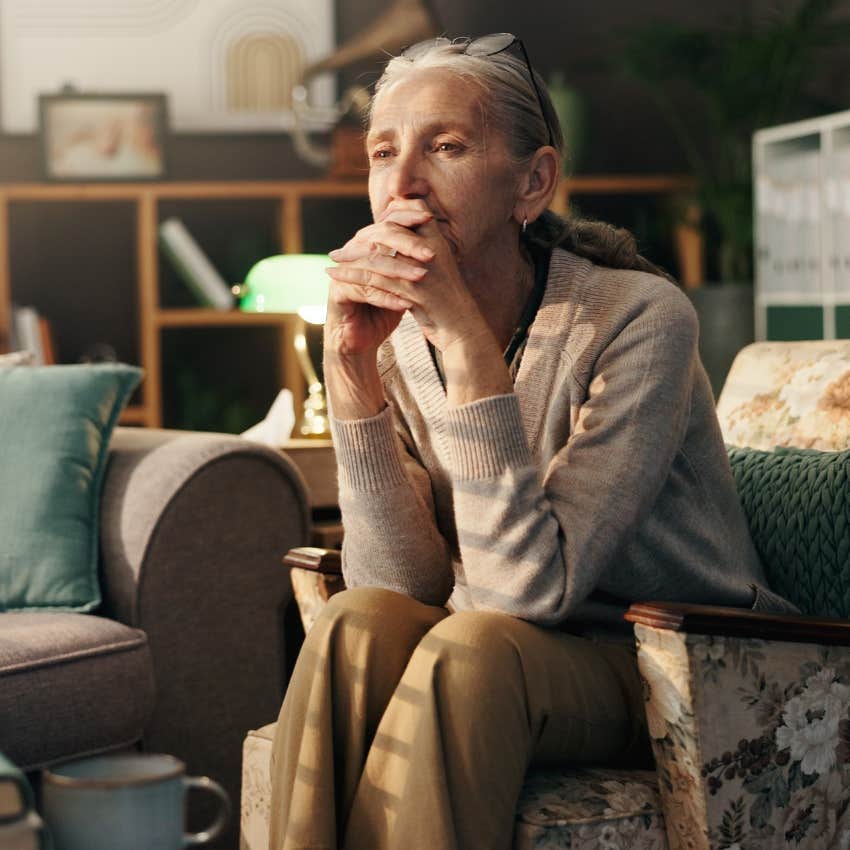
5. They seem generally confused most of the time
 PeopleImages | Shutterstock
There are physical problems and health issues that can cause forgetfulness and confusion. But it's also possible that an aging parent who feels lonely and disconnected starts losing the cognitive ability they once had, even when other people, like their kids, are around.
Aging doesn't always have to mean decline, as a Yale University study suggests. So, it's important not to chalk up red flags and annoyances to aging when that's not always the case.
6. Their hygiene takes a turn for the worse
Just like a very messy home can be a warning sign, personal hygiene in aging parents can be one of the first things an adult child notices. It might be hard to notice if they're not around each other a lot, but when unbrushed hair or a clear lack of bathing practices becomes apparent, it's impossible to ignore.
A study from the Journal of General Internal Medicine found that self-neglect often appears in very unique ways from person to person, and has many different root causes. For some, it's personal hygiene and cleanliness, rooted in mental health struggles. For others, it's unsafe choices and impulsivity caused by social isolation and loneliness.
That's why understanding their parents' lifestyle makes all the difference for catching these warning signs, because they're often subtle at first.
Zayda Slabbekoorn is a senior editorial strategist with a bachelor's degree in social relations & policy and gender studies who focuses on psychology, relationships, self-help, and human interest stories.
