
Even The Biggest Animal Lovers Usually Misunderstand 6 Common Dog Behaviors
Research reveals what pet owners often wrong about some everyday things dogs do.
 Photo Editor: Kayla Cavanaugh | Photo: marinasealovers, Shutterstock
Someone can be an avid dog lover and still misunderstand some of the things their dog does. Even the most experienced dog owners can mistake one behavior for something else.
There are a number of dog behaviors that owners think they've figured out, but that isn't always the case. As the RSPCA's guide to dog body language explains, a dog's posture, ears, eyes, and tail offer clues about how they're feeling. Looking at those signals together can help owners understand what their dog is trying to tell them. So leave it to the dog experts to explain these behaviors that even the biggest animal lovers often misunderstand.
1. They think growling always means a dog is being aggressive
 Julia Zavalishina | Shutterstock
When people yell or raise their voice, bystanders may take it as anger. Well, not exactly. Context clues are important for understanding whether someone is angry. Someone could yell and be happy. Children scream and yell all the time when they're playing. Even sadness can be expressed through yelling. It's the same for dogs.
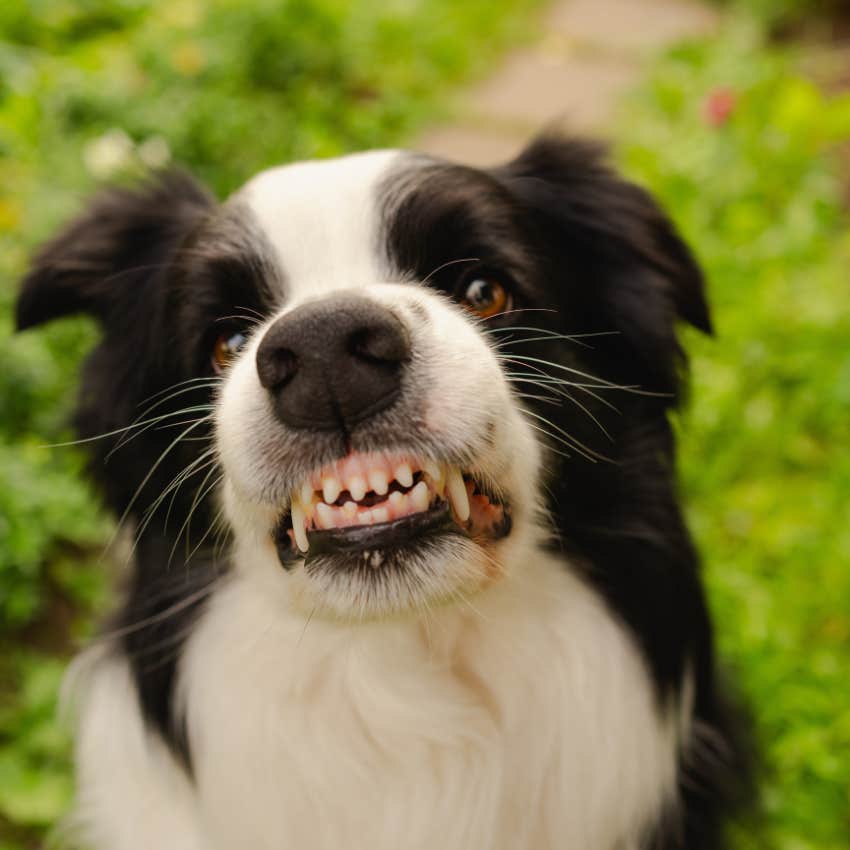
Just because a dog is growling doesn't automatically mean they're being aggressive. If their tail is tucked between their legs, they could be nervous or scared and need some space. A frightened dog can still bite. Dogs might also growl when they're playing, so other body language cues matter.
As animal behavior expert Marc Bekoff explains, growling can be a dog's way of expressing discomfort or asking for space. They might not want someone touching their food or toys, or they might simply want to rest without being disturbed.
2. They assume a barking dog is being territorial
Dogs bark all the time. They bark at other dogs. They bark when someone rings the doorbell. They bark when they see someone through the window. While all this barking might seem like their way of telling others to back off their territory, it's a bit more complex than that.
Dogs bark for different reasons. Most people mistake barking for hostility, but they don't realize dogs bark to alert others, seek attention, and they even bark out of frustration.
3. They think a wagging tail means a dog is friendly
 captainX | Shutterstock
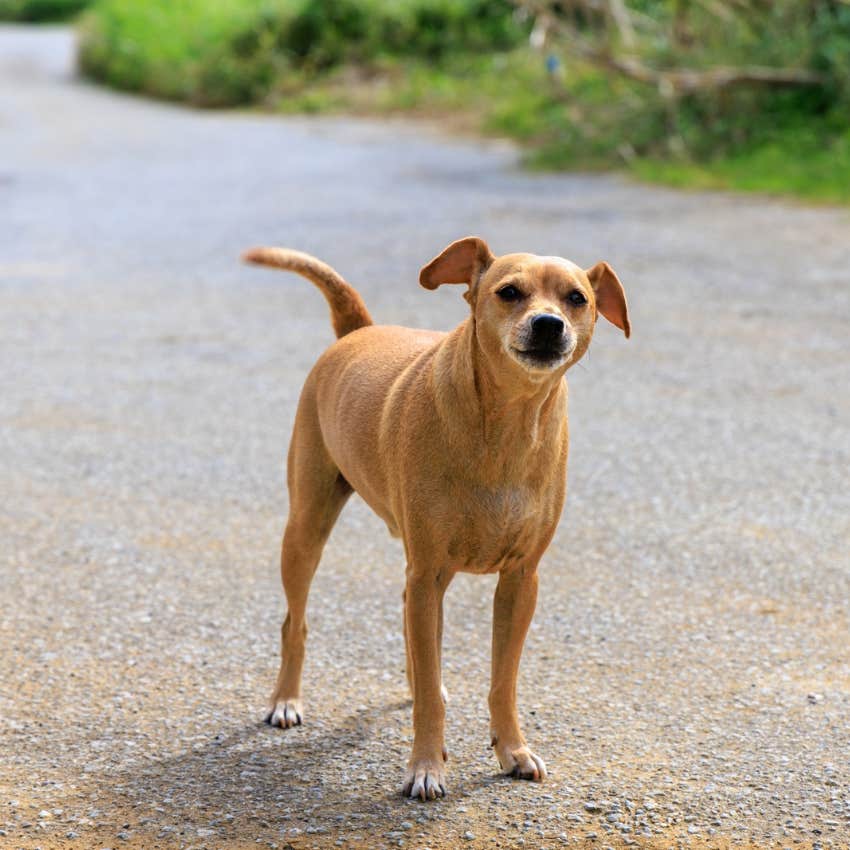
According to Best Friends Animal Society, understanding a dog's body language means looking at their whole body. A wagging tail, for example, can signal happiness or nervousness, depending on their other signals.
This can lead to bad situations unfolding. For example, imagine a stranger decides to grab a dog simply because the dog wagged their tail, only for the dog to snap at them. If their tail is held high and stiff, especially if their body is tense too, the dog may be warning the stranger to keep their distance. Research from Edge Hill University found that people often misunderstand dog body language, which can increase the risk of being bitten.
4. Many pet owners think hiding toys or stealing socks is cute and harmless
Owners might often find their socks missing, only to discover their dog had taken them. The owner might chase the dog down and try to wrestle the sock out of their mouth, but trying to forcibly take an item a dog is guarding can make the situation worse. This behavior is often seen as playful and cute. Most dog owners don't realize the problems that their dogs might be getting into.
Dogs who take things and seem overprotective of them may be engaging in what's called resource guarding. Resource guarding happens when a dog tries to keep people or other animals away from something they value, whether it's a favorite toy or even a chewed-up, drooled-on sock. Simply taking or hiding an item doesn't necessarily mean they're guarding it, but stiffening, growling, or snapping when someone approaches can be warning signs.
5. They believe peeing indoors means a dog is misbehaving
 New Africa | Shutterstock
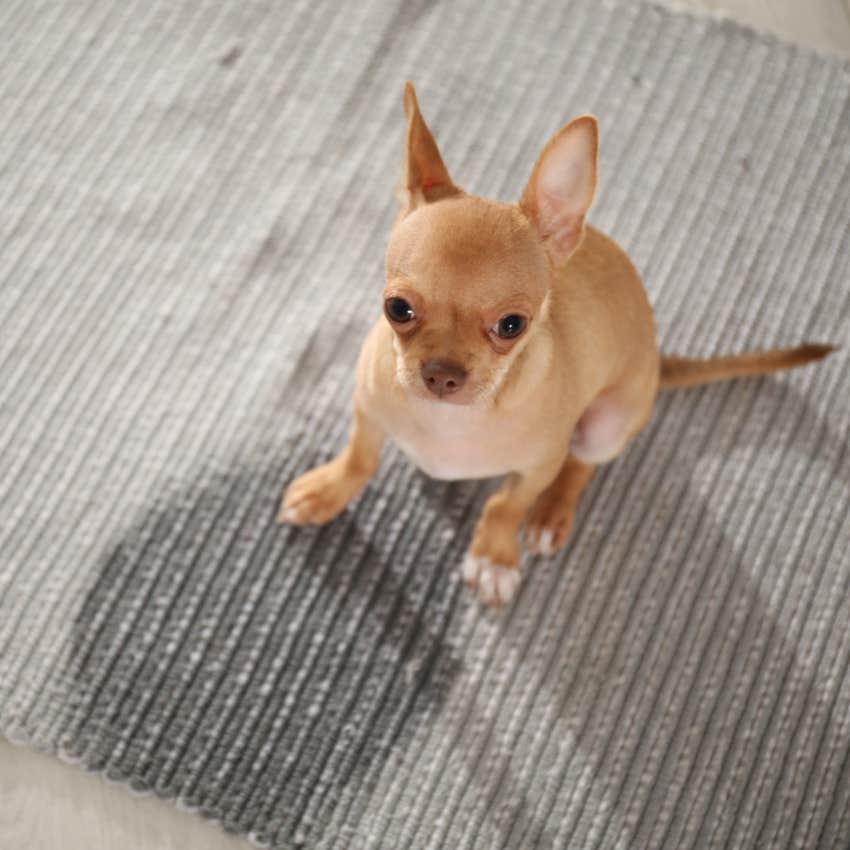
Many owners teach their dogs to go to the bathroom outdoors. There may be mishaps, especially at first if they're a puppy and still learning the ropes, but eventually good training can create a well-behaved dog... or does it? Even the most well-trained dog can end up peeing in the house. But they don't do so because they're trying to be bad or make their owner angry.
Dogs have many reasons for having bathroom accidents in the home, from fear and anxiety to overexcitement. Incomplete house-training, not getting outside often enough, and medical problems can also play a part. If a previously house-trained dog starts having accidents, a vet visit can help rule out a health issue.
6. They assume nipping means a dog is being aggressive
Puppies might often nip. Even full-grown dogs can sometimes do it. As puppies, they'll nip their littermates, and this behavior will often be corrected. If they nip too hard and their littermate yelps, it tells them to be gentler.
This is why socializing with their littermates is crucial. If a puppy is removed from their mother and littermates before eight weeks old, it can miss important lessons about playing gently and controlling how hard it bites. Cornell recommends bringing puppies home between eight and twelve weeks, depending on their needs.
While nipping might be perceived as aggression, it can simply be a dog's way of playing. Still, owners shouldn't assume every nip is playful. A stiff body or tense face can suggest something else is going on.
Allison Peterson is a writer with a degree in English from the University of Nevada, Reno. She writes on relationships, lifestyle, and mental health topics.
