
Gen Z, Millennials, Gen X & Boomers Have Very Different Ideas Of What Counts As Being Independent
 fizkes | Shutterstock
Being independent and able to take care of yourself and make your own decisions is like a rite of passage we all look forward to when we’re young.
Unfortunately, reality isn’t so simple. The type of independence someone is able to gain depends on the generation they grew up in, giving everyone slightly different ideas of what it means.
Each generation has its own idea of what being independent really means based on how they grew up.
Older generations were fortunate enough to live prosperous lives that let them hit traditional milestones of independence that are expected in adulthood. Meanwhile, younger ones are defining independence differently now that the economy has changed so much.
Boomers think people who are responsible for their own lives are truly independent.
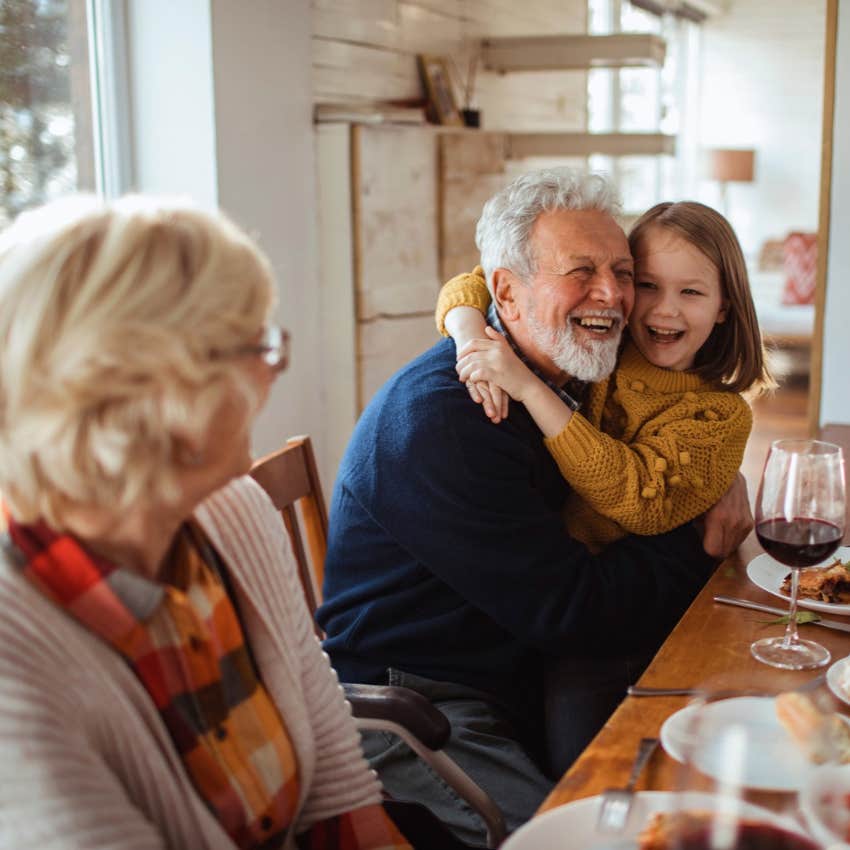
For baby boomers, independence is pretty straightforward. They were expected to jump right into adult responsibilities once they came of age. Needing help from others, especially with money, was a bad thing.
 vorDa from Getty Images Signature via Canva
Boomers hit all of the milestones that younger generations have tried to distance themselves from. Getting married, starting a family, buying a house, and being a provider were the standard for them when they were still pretty young.
This generation has always worked hard so they can give themselves and their families the things they need. Not being able to deal with problems on their own feels like a sign of weakness to them. They think independence means being totally self-sufficient.
Gen X has a very practical opinion of what independence means based on their childhoods.
Gen Xers learned about independence early as latchkey kids who had to fend for themselves while their parents worked. They didn’t always have an adult to turn to when something went wrong, so they quickly figured out how to solve problems on their own.
 Valerii Honcharuk via Canva
That’s a skill that’s stuck with them. They’re used to getting things done with little to no help in their personal and professional lives. Really, they feel more comfortable being in control and not having to answer to someone else.
Gen X’s definition of independence isn’t all that different from boomers’. The biggest distinction is that they are less focused on material milestones. Their main priority is exercising their autonomy through their self-reliance.
Millennials are more interested in emotional independence than financial independence.
Millennials had a rough time transitioning into adulthood because it coincided with the Great Recession. Many of the milestones that boomers used as markers of independence just weren’t attainable for them as early as they would have liked.
 Los Muertos Crew from Pexels via Canva
So, millennials created their own definition of independence. Instead of doing whatever it took to avoid asking their families for help, they connected independence with their adaptable, unique personalities that even the pessimism of the Great Recession couldn’t crush.
Their goal has been to build meaningful lives they genuinely enjoy. From discovering who they truly are to finding careers that feel purposeful, millennials think independence is a mindset they can reach.
Gen Z thinks of independence as freedom.
Older generations are pretty hard on Gen Z for not reaching the level of independence they think they should have. What they’re failing to see is that Gen Z lives in an entirely different world where independence can’t mean the same thing that it used to.
 nortonrsx from Getty Images via Canva
Cost of living is a huge issue for Gen Z. Many of them get regular financial help from their parents, and they’re living at home longer to save money on housing costs. Their inability to meet traditional adult milestones is really stressing them out.
Instead of trying to live up to other people’s expectations, Gen Z is focused on forging its own path. They want to find freedom in work-life balance and living authentically. They also want to be OK with asking for help when they need it. That’s what independence is to them.
Mary-Faith Martinez is a writer with a bachelor’s degree in English and Journalism who covers news, psychology, lifestyle, and human interest topics.
