
Kids Raised By Parents Who Made Them Do Chores Usually Carry 5 Habits Into Adulthood
 BearFotos | Shutterstock
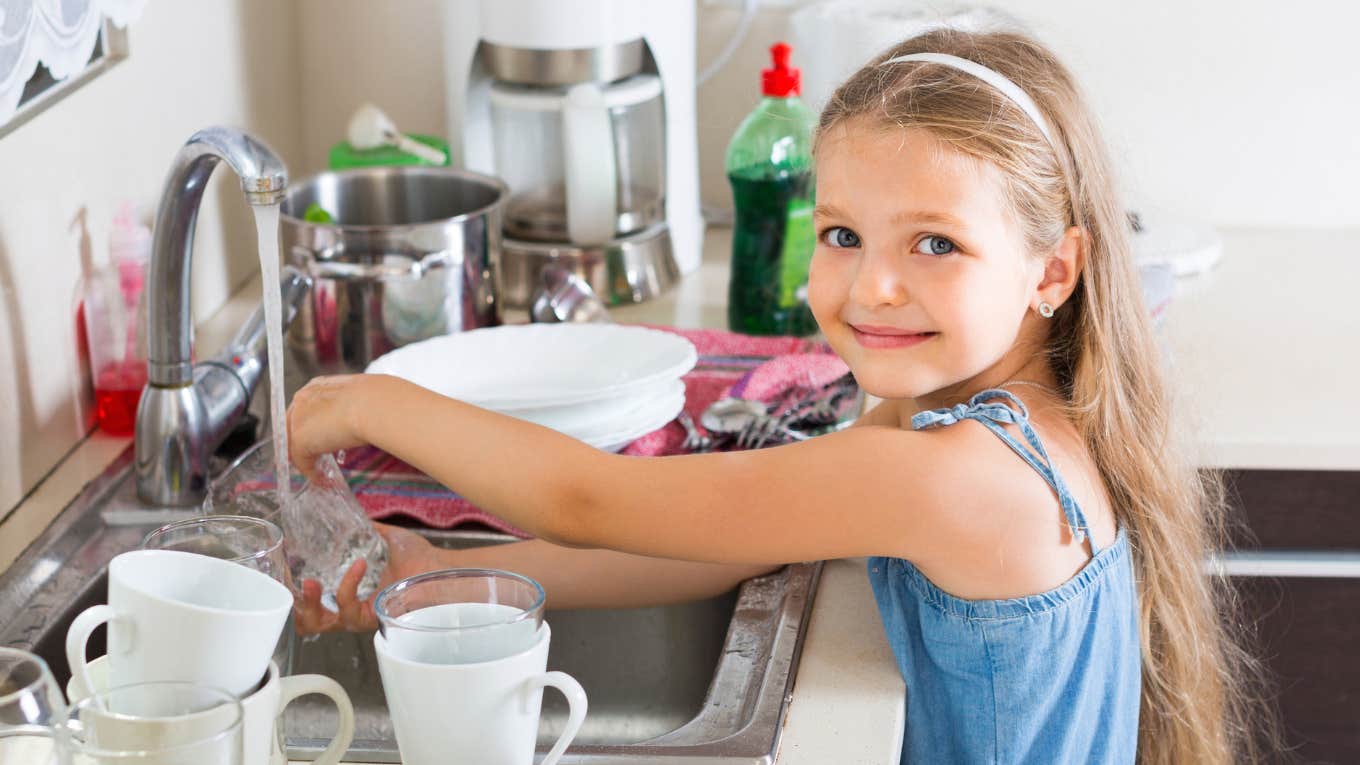
 Parents who make their kids do chores teach them structure and the satisfaction of a job well done.
They even build habits that help them become successful, well-adjusted adults. Kids who are used to keeping their rooms clean and taking out the trash are less likely to procrastinate as adults.
Habits kids who grew up doing chores take with them when they grow up:
1. They have a strong work ethic
 Prostock-studio | Shutterstock
The first time your parent asks you to do something like unload the dishwasher or fill the dog's bowl is a novelty. This feeling that children get is a sense of pride. It's the feeling of being independent and capable.
Completing assigned chores teaches kids the importance of consistency and accountability. These lessons translate into the habits of a person with a successful personal and professional life.
2. They prioritize self-care
Self-care chores help kids develop stronger executive functioning. It's also an important skill to take with you throughout life. Tasks like making your bed, brushing your teeth, preparing a meal for yourself and your family, and even doing your own laundry are essential when it comes to good mental and physical health. When you know how to take care of yourself, you won't let stress and overwhelm become the default.
In a study published in the Australian Occupational Therapy Journal, a key point noted, "Self-care chores and ... family-care ... significantly predicted working memory and inhibition." Developing better memory at a younger age is also paramount to later success, as is developing stronger inhibition.
3. They have good time management skills
 Branislav Nenin | Shutterstock
Chores teach kids skills that they'll need much more later in life. One of those skills is time management.
One Central Health explained, "Introducing these skills early helps children feel more prepared and capable as they grow older, rather than overwhelmed when they eventually need to manage things independently."
For instance, if your child is doing the laundry, they'll need to know that a wash cycle will take about a half an hour before they have to move it to the dryer and hang up whatever can't be dried. With this knowledge, your child can manage their time in between tasks by doing homework or playing video games. They'll also be more likely to treat hobbies and fun activities as a reward for getting things done.
4. They are adept at budgeting and financial planning
Many parents choose to reward their children for doing chores with an allowance. When kids get money for doing tasks around the house, they learn how to save and budget for what they want to buy. That's the first step to learning about financial planning.
Even if they don't learn this skill independently just from receiving an allowance, there's still a lesson in giving your children an allowance and teaching them the value of the work they've done and the value of a dollar.
5. They are self-confident and independent
 Serhii Bobyk | Shutterstock
Ultimately, chores are all about teaching a child to build independence. The National Association of Childhood Development states, "The more children learn how to take care of themselves, their homes, and their families, the more independent they feel and become."
As your child builds a strong work ethic, self-care skills, time management skills, and budgeting skills, they also build independence. With that independence comes self-confidence. These kids will grow into adults who trust their decisions and abilities.
Despite chores feeling like their name, they are essential to children's development into well-rounded, well-adjusted individuals. So the next time your kids complain about doing their chores, remember you're teaching them how to be an awesome adult.
Lyss Micalizzi is a writer with a master’s degree in Literature and Culture, a bachelor’s in English Literary and Textual Studies, and over six years of writing and social media experience.
