
Kids Who Lived In A Dirty House Growing Up Usually Have 7 Hobbies That Bring Them Joy As Adults
 Christian Diokno | Pexels
 A messy home can create stress and chaos for both parents and their kids as they grow up.
A messy home environment can really impact the mentalities that kids bring with them into adulthood. Sometimes, the effects are insidious, but other times, there are hobbies that commonly make these kids a lot happier in adulthood.
Kids raised in dirtier homes often have these joyful hobbies as adults:
1. Organizing their closets
 Anna Stills | Shutterstock
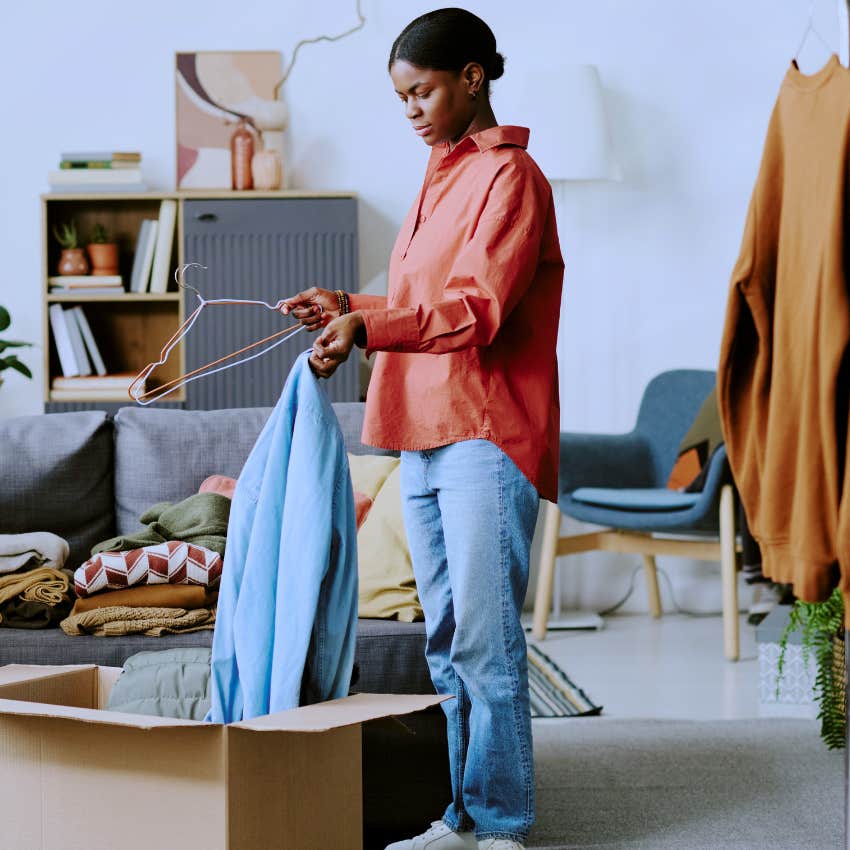
Many kids who grew up in disarray at home end up as overly clean adults. They find joy in taking control of their organizational skills, largely because they felt powerless and helpless at home with parents who never kept up with anything.
Cleaning can be a coping strategy for internal stress and heavy emotions, so it's often healthy later in life for these people to find balance with their cleaning routines. Yes, there's a level of perfectionism that can create stress if they need everything to be 100% clean all the time, but as a hobby they enjoy when they have time, it's great.
2. Baking delicious treats
When you've grown up with disorder and chaos, hobbies with a very clear structure and rules are more comforting than they seem. Following a recipe and working toward an outcome like a baked good give them a sense of ownership and accomplishment they struggled with as kids.
Even if their lives are still somewhat stressful and chaotic, using baking as a stress reliever helps create order again.
3. Becoming engrossed in fiction novels
Reading is an escape, and for many people, it's a healthy one. They have a sense of comfortable unpredictability and structure, unlike the complete lack of control that kids in messy environments growing up dealt with.
A 2024 study even found that just 5 minutes of reading fiction pieces can contribute to lowered stress levels by up to 20%. So, yes, cleaning might offer them joy by creating a living space they feel comfortable and safe in, but it's these healthy escapes into a book that are often more sustainable.
4. Playing music loud while they do their weekly cleaning
When it becomes a fun ritual and something to look forward to, Saturday morning cleans can take on a whole new meaning for someone who grew up in a messy home.
They're obviously getting all the benefits from cleaning, like relieving stress and creating a physical structure, but they're also finding joy in pairing the habit with music. Even just one day of cleaning can feel like self-care, giving them an empowering sense of control.
5. Taking walks outside without any distractions
 ViDI Studio | Shutterstock
Without music playing in their ears or someone talking on a phone call, many kids who grew up with constant overstimulation in a messy house may find joy in stillness as adults. They get the benefits of connecting with nature and getting fresh air, while also regulating their nervous system.
In the early afternoon and evening, when the stress of the day amplifies someone's risk for overstimulation, it's the perfect time for them to step outside and invest in a hobby that can regulate them again.
6. Brain dumping their anxiety and worries into a journal
Sometimes, journaling or "brain dumping" onto a notebook page can create internal order again. When it feels overwhelming and stressful to carry everything in their minds, simply writing it all down gives them the calmness they yearned for as kids.
It might seem overly simplistic, but it's a hobby that so many underutilize when taking care of their mental health.
7. Collecting lil' trinkets and objects with meaning
Collecting things that bring meaning and joy to their homes can be powerful for someone who's used to a dirty environment.
Yes, they have to be careful not to take on the hoarding habits of their parents or to let it spiral out of control. But with intentionality, they can curate decor that feels calming.
In many ways, being surrounded by a careful collection of things that bring them joy always subconsciously helps them feel comfortable in their space.
Zayda Slabbekoorn is a senior editorial strategist with a bachelor's degree in social relations & policy and gender studies who focuses on psychology, relationships, self-help, and human interest stories.
