
If You Can Do 7 Things All On Your Own, Your Parents Likely Did An Outstanding Job Raising You
 JHershPhoto / Shutterstock
 Not everyone in Gen Z relies on their parents as adults. Some of us are mature and some of us struggle with responsibility, just like any other generation.
People who can actually handle certain tasks on our own usually do so because they had fantastic parents who raised them right.
If you're capable of doing these things on your own, your parents probably did a great job raising you:
1. Advocating for yourself
 SeventyFour from Getty Images via Canva
Standing up for yourself can be incredibly scary, but it’s important to do. If you don’t, people can take advantage of you. People who are raised right don’t let that happen because their parents taught them to advocate for themselves.
As kids, it’s usually your parents speaking up for you if someone in a position of authority does something that isn’t right. But as an adult, that’s your responsibility. Some people still turn to their parents, but it doesn’t give them the power they think it does. The person they’re standing up to will probably just think they aren’t strong enough to stand up for themselves.
Parents who raised their children right raise them to be confident in themselves and not accept disrespect. When someone acts unfairly toward them, they’re not afraid to point it out.
2. Figuring out a life plan
Some people seem to have absolutely no direction in their lives. They’ll struggle to motivate themselves because they don’t have goals. They haven’t learned to look internally to see what they truly love. That's an important skill when people are finding a job that motivates them.
Some people also don’t find a life plan that works for them because they end up just following whatever their parents did. That’s not always the case for people who work in the same field as their parents, but for some, it can feel like the safe option.
People whose parents taught them to reflect and figure out what they truly enjoy learning about are more easily able to decide what kind of job they would love. They don’t choose the easy option because they've found a passion that they’re determined to pursue.
3. Managing your money
 Gpoint Studio via Canva
Money is incredibly important to people’s lives. People need it to survive. That’s not to say getting insanely rich is the most important thing in life. People just need to learn to manage their money in the right way. The adults who are particularly good at this skill were raised by parents who taught them the value of a dollar.
They might have made their children get summer jobs or start a savings account. Teaching kids to manage their money has been shown to significantly increase their chances of being financially stable later in life. Truly great parents start their kids’ financial education as soon as they can and set them up for success.
4. Handling apologies
Good parents don’t let their kids get away with doing something wrong. If their child was being mean to someone else, they make them apologize. They teach their kids not to hide behind their mistakes and pretend it didn’t happen. Instead, they make their kids handle problems head-on and take accountability for their actions. These parents don’t just make their kids apologize, though. They also build their child's accountability by keeping the home peaceful throughout childhood.
Conflict in childhood can really harm someone’s ability to handle conflict as an adult. They won’t be able to take accountability, and it’ll stop them from apologizing without their parents telling them they really should.
5. Thinking dialectically
Thinking dialectically isn’t something everyone can do. It’s a special way certain people‘s minds work that helps them think deeper about certain issues. People with this quality can consider multiple things at once. They don’t ignore the other side because they don’t understand it or agree with it. They think every piece of information matters, which helps them see the big picture.
Parents help their children develop this by teaching them to keep open hearts and minds. Their parents raise them to treat everyone with respect, and to do so, they have to be considerate. These kids have to learn how to consider someone else’s perspective and add it to what they already know to make a new conclusion. This can be hard for some kids because they haven’t learned yet that the world doesn’t revolve around them.
But really good parents make their kids consider their classmates or neighbors. It builds their ability to think dialectically about problems without needing someone else to help piece things together.
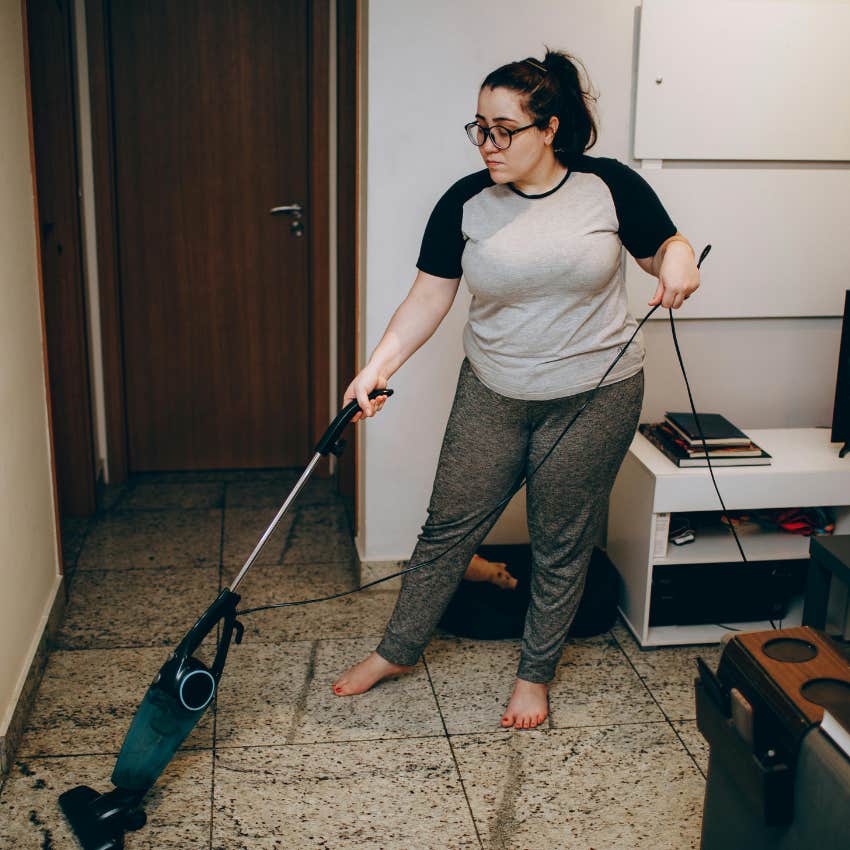
6. Cleaning your house
 Helen Lopes from Pexels via Canva
Cleaning your house might seem like a basic skill, but not everyone does it. There are so many adults who let their houses get messier and messier until they’re surrounded by piles of unwashed clothes and dirty dishes. Some of them don’t really mind, while others just forget.
Some adults still have their parents clean their house. Their parents didn’t teach them how to take care of their space and routinely clean up after themselves. Good parents teach their kids this early by having them do their own chores.
These people grew up in clean environments, and they crave it as adults, but they won’t just wait on someone else to do it for them. They take on the responsibility themselves.
7. Making sure to read books
While it might annoy their kids, parents who forced them to read throughout childhood helped them grow into great people. Most kids will have to read at school, but as adults, they don’t always keep up with the habit.
Parents who made their kids read outside of school taught them to search for novels that they would love. They developed their kids' love of reading and helped develop their positive behavioral habits as well. People who frequently read are more empathetic than those who don’t. It can also make them smarter.
Reading expands someone’s vocabulary and introduces new experiences or perspectives they might not have understood before. Adults who still make time to read well after their adult years were taught about the importance and enjoyment of learning by their parents.
Lily Bell is a college student studying English and Publications who covers relationships, mental health, and personal narratives surrounding the human experience.
