
People With Exceptionally High Self-Esteem Usually Grew Up Hearing 8 Things At Home
 Ground Picture | Shutterstock
 The kind of self-esteem a person carries for life is often established by the time they're just 5 years old.
When kids feel supported and praised in healthy ways, they learn to feel secure in themselves, rather than chasing validation for a sense of worth. People with exceptionally high self-esteem had many of these experiences, but they also heard very specific things at home.
Things people with high self-esteem usually heard at home growing up
1. 'I'm proud of you for trying'
 Keira Burton | Pexels
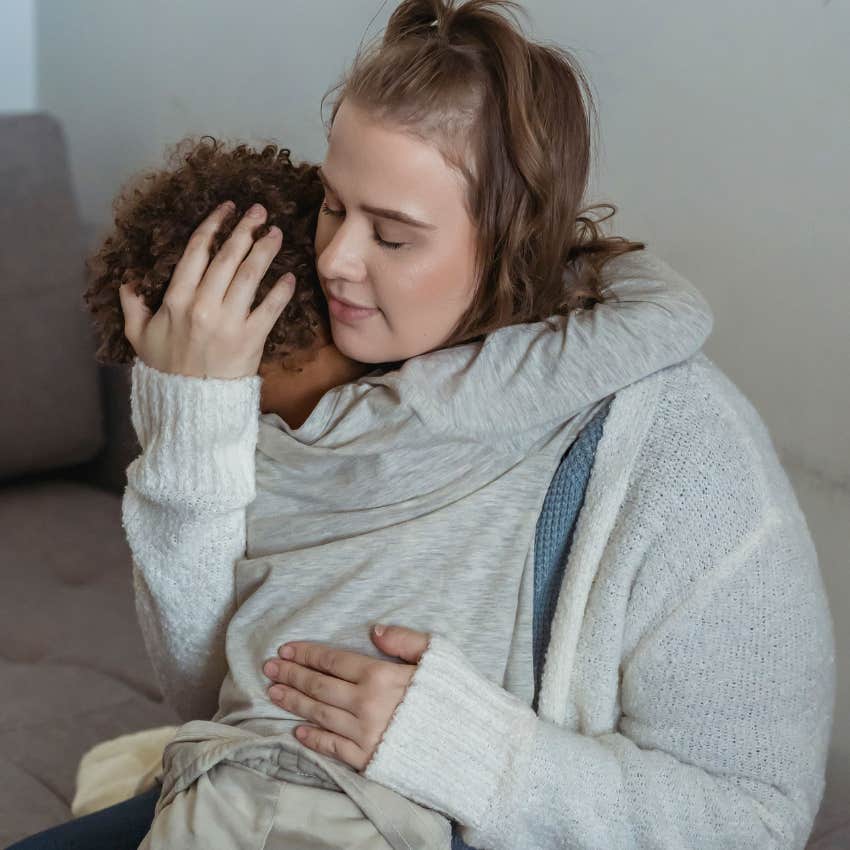
Praising kids and giving them support for trying ensures they appreciate the journey rather than the outcome. It sounds cliché, but this is the kind of experience that creates a strong sense of self-worth and security.
Compared to adults who brag about goals they've never accomplished and try to prove their own success through validation, people with high self-esteem were taught to take pride in putting in effort.
2. 'You can do hard things'
We all need to seek out and appreciate discomfort to grow as people, but some folks are hardwired to avoid it in order to cope with insecurity and a fear of failure. They run from things they don't understand and evade challenges.
But parents who encourage their kids to do hard things and remind them of their worth, whether they do well or not, ensure they grow.
3. 'I love you either way'
Rather than tying love and respect to success, the best parents make sure they're not feeding into a transactional dynamic. They support and encourage their kids with phrases like "I love you either way," reminding their kids that their self-worth isn't dependent on how they perform.
This teaches their kids to be comfortable making mistakes and trying their best, and it gives them space to appreciate learning and growing without worrying about what their parents might think if they fail. They feel secure, without any kind of pressure placed on them.
4. 'Well, what do you think?'
So many parents overlook opportunities to build their kids' self-esteem by trying to control everything. They believe they're inherently better or more worthy of making decisions than their children, reinforcing the misleading idea that their kids should be looking to everyone else for security.
But when parents tell their kids "I trust your choice" or "What do you think?" they're giving them a safe space to practice expressing themselves. They learn that their voices matter and that their opinions are important, even when the people around them aren't always validating them.
5. 'I love how you tried this'
 Raymart Arniño | Pexels
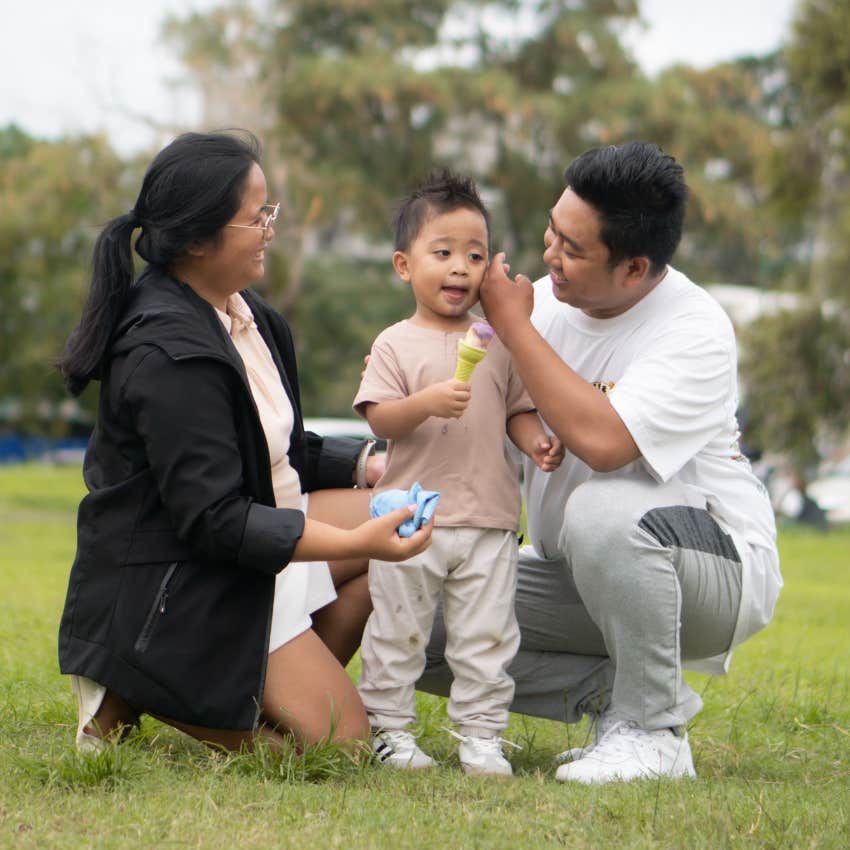
When children are only praised for personal qualities, with phrases like "you're so smart" or "you're so creative," they tend to feel more shame when they fail. They believe their intelligence or creativity is a fundamental part of who they are, so when they make a mistake, it chips away at their self-worth.
So, being specific with praise and compliments is important from parents, especially early in life. Parents who focus on praising effort build resilient kids who take pride in the process of learning and growing. And even when they don't always win or achieve what they expected, they remain confident into adulthood.
6. 'That sounds tough'
Parents who offer unsolicited advice can chip away at trust with their children. But supportive parents boost their children's self-esteem by simply listening and giving support when their kids feel big emotions.
They give them time to sit with their feelings on their own, rather than immediately try to fix it. "That sounds tough" or "Why do you think you're feeling this way?" give kids a chance to develop emotional regulation skills that ultimately improve their well-being.
7. 'I made a mistake'
Kids learn how to deal with discomfort and making mistakes largely from their parents. If they feel pressured to be perfect all the time, they're going to be less open-minded and willing to take healthy risks.
But when parents take accountability at home and teach their kids how to handle mistakes, they feel safer exploring outside of their comfort zones. They learn resilience that most adults lack, even today.
Children who are taught to have a growth mindset, usually from safe spaces at home and by watching their parents, take care with their mistakes. They're not afraid to lean into them and try new things, instead of immediately trying to cover up their errors and run the other way.
8. 'I'll be here if you need it'
 Barbara Olsen | Pexels
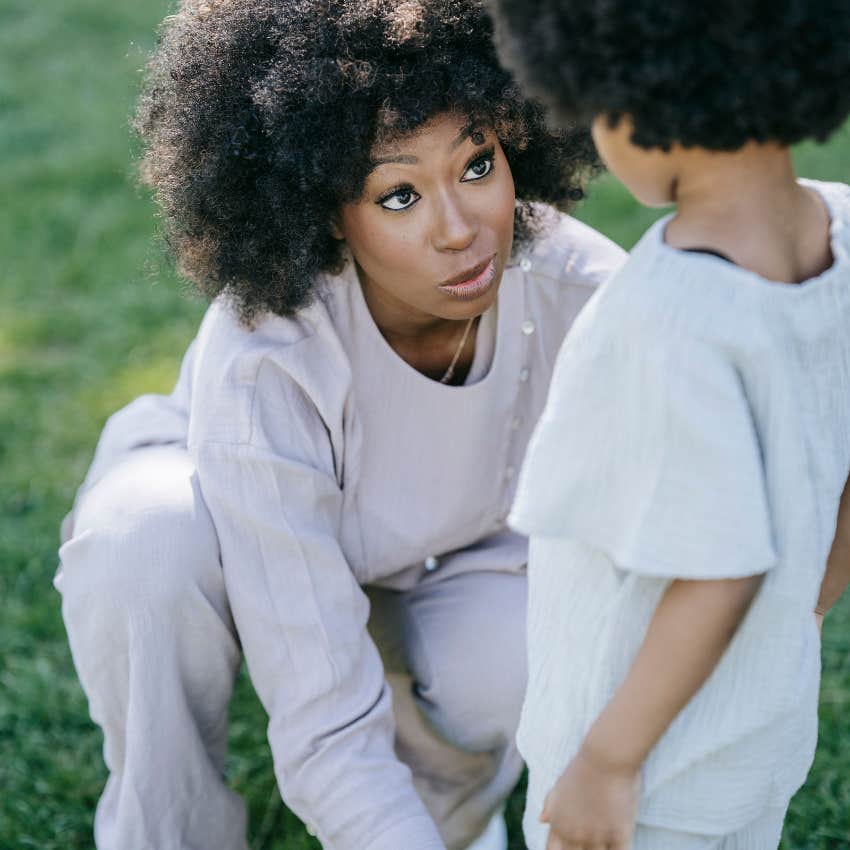
Sometimes, just giving kids the permission to mess up without trying to help builds their self-esteem. That's why we're feeling the lack of unstructured, unsupervised play in our culture today. They fear being on their own and figuring out complicated issues.
"I'll be here if you need it" is a parent's way of giving their kids that freedom, without neglecting their needs or being unsupportive. They help their kids build resilience and self-reliance before they truly need it most as adults.
Zayda Slabbekoorn is a senior editorial strategist with a bachelor's degree in social relations & policy and gender studies who focuses on psychology, relationships, self-help, and human interest stories.
