
Kids Who Don't Listen To Their Parents Usually Learn 8 Lessons At Home
 cottonbro studio | Pexels
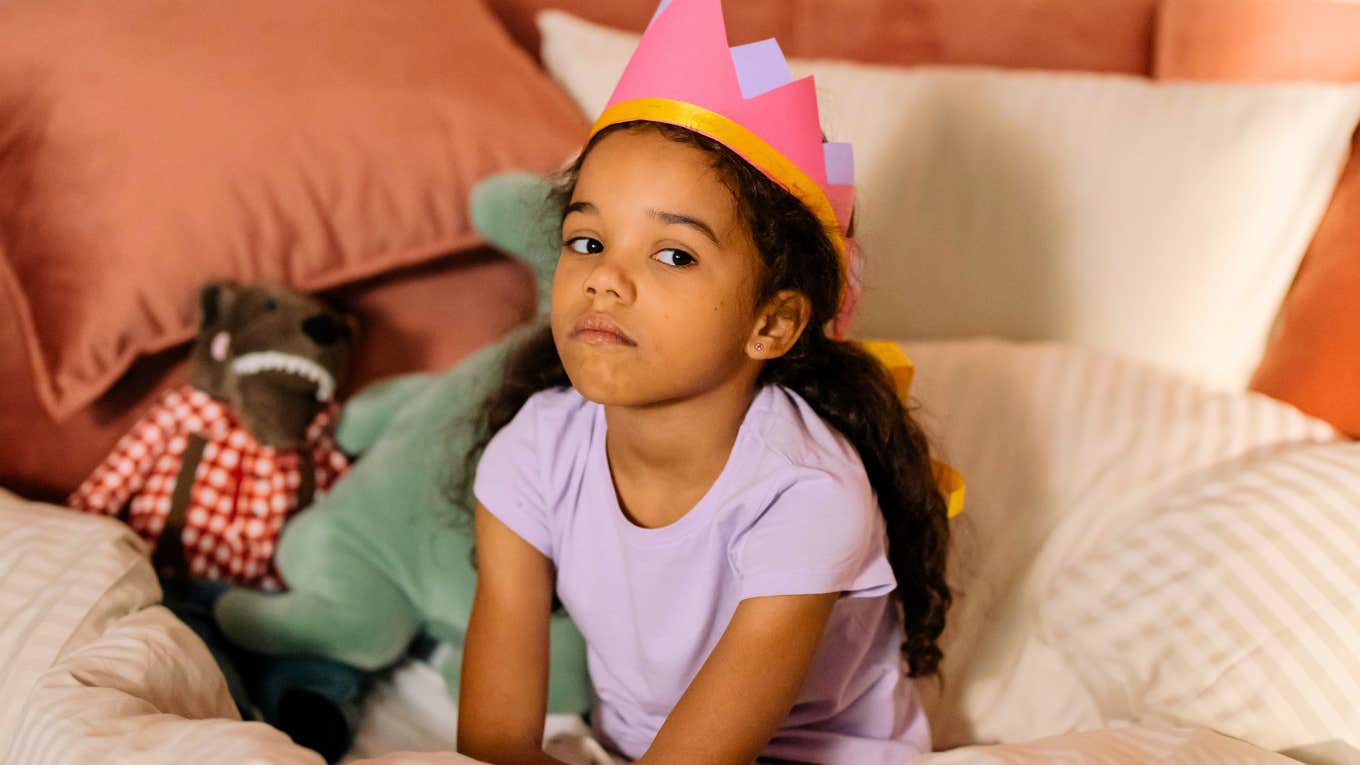
 Some kids are so close to their parents that they'll do everything they say. They trust them implicitly, so they pay attention to their rules and advice.
But not all children are like this. Some can't help but push back against their parents, no matter what they say or do. But even though they aren't listening to their parents, they still learn lessons at home that come from their own experiences rather than following the rules.
Kids learn these lessons when they don't listen to their parents
1. There are consequences to their actions
 PeopleImages | Shutterstock
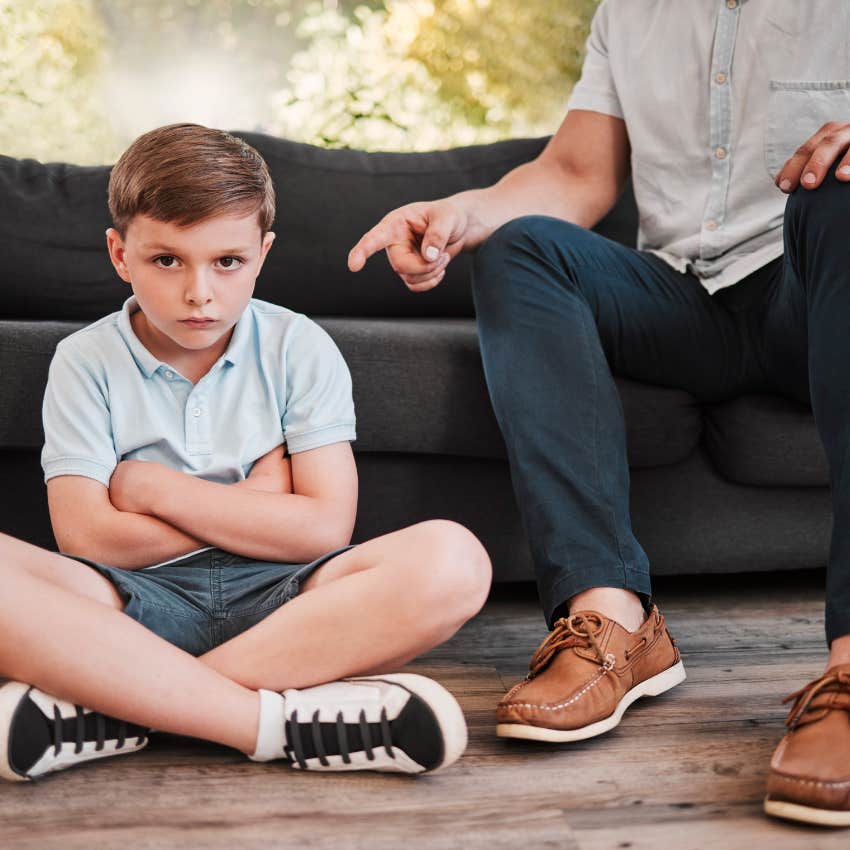
Almost every kid gets in trouble at least once when they're younger. They don't know what to do, so they need their parent's help to learn. But because they don't listen to their parents at home, they end up understanding just how much their actions can cost.
Some kids have good behavior and just make mistakes by accident. Their parents will forgive them because they know they're not trying to do anything bad. Still, those kids won't be fully prepared for when they mess up as adults.
Kids who consistently defy their parents' rules may get in trouble a lot when they're young and also when they become adults. Despite not following the rules their parents set, they learn to weigh their decisions before they do something bad, and decide whether the consequence is worth it.
2. It takes practice to make your own decisions
Making your own decisions is hard, even as adults. Some people get stuck in self-doubt and it scares them into never doing anything.
Kids listen to their parents because they don't yet know how to do everyday things. But the kids who don't listen don't experience the same kind of doubt in themselves.
Through trial and error, they'll find that the more they decide for themselves, the better their leadership skills become. They're setting their own rules and making their own plan. Although they're not leading anyone in childhood, it can help them trust themselves to make choices.
3. Resilience helps you overcome stress
It can be really hard for a kid to get in trouble with their parents because they see them as authority figures. Their parents can take away their kids' freedom based on how they act. Just like adults get stressed if they get in trouble, kids have to manage their own stress when they get in trouble with adults.
They'll learn emotional resilience through their frequent encounters with that stress. When they get grounded, they'll have to learn restraint. Since they're not able to do certain things, they'll have to learn to work through those challenges. They gain the tools to be resilient later in life, even when things aren't going their way.
4. Creativity is key to problem-solving skills
 Nicolesy via Canva
Kids who don't listen to their parents probably figure out ways to get around their punishments. If they get in trouble and their parents send them to bed without dinner, they'll find a way to sneak downstairs for a midnight snack, for example.
If they get caught, it doesn't mean they're going to start listening. Rather, they'll just think of a new solution to get what they want. And though it's frustrating for their parents, it shows that they're developing creativity skills.
Creative kids grow up to have better problem-solving skills. They learn to brainstorm unique ideas that help them become successful in their lives, usually as a result of trying to skirt around discipline or rules their parents tried to set for them.
5. Poor communication skills are necessary to form connections
Most kids break their parents' rules because they don't think they're fair. If they don't agree with their reasoning, they won't find the motivation to hold themselves back from doing it.
Some kids decide to talk to their parents about overly strict rules. They learn to negotiate so they can be as satisfied with the rules as possible. But kids who never listen to their parents don't learn to have those mature conversations.
They don't practice explaining their actions or their reasoning behind them. Without discussing the rules, they won't understand the reasoning behind them either. They won't understand how to logically think through their feelings, which will prevent them from being able to express them too.
It's a hard lesson for them to learn on their own. But eventually, and hopefully, they'll come to realize that when they don't have good communication skills or tend to avoid difficult topics, they won't have lasting relationships with anyone.
6. Face challenges head-on
Anxious kids sometimes hold themselves back from trying new things. But for children who don't listen to their parents, they don't feel that same stress around breaking rules.
They don't feel worried about showing their parents respect because if they did, they'd listen and follow their rules. They don't get stuck in thinking something over, and prefer to act first before asking questions.
They dive into things headfirst because they want to experience it for themselves, not just hear about it. It's what leads them to break the rules their parents set, as they don't want to be restricted. They want to engage in as much of life as they can, and will likely become risk-takers in the future.
7. Toxic relationships aren't good for anyone
Kids who don't listen to their parents may make themselves susceptible to accepting unhealthy dynamics as they grow up. When they don't have a healthy relationship with their parents, it can cause a lot of harm to their relationships in the future.
They'll accept toxic dynamics because it's what they're used to. They'll think it's fine to disrespect their partner or have their partner disrespect them. Though it's a bit disrespectful for kids to ignore what their parents say, eventually, they come to understand why following their rules is important.
Unfortunately, when they don't come to that understanding, they'll believe that toxicity in relationships is normal. They get stuck in a cycle of unhealthy connections, unsure how to form connections that feel safe.
8. Independence is all part of growing up
 Antonius Ferret | Pexels
Kids don't typically go anywhere alone because they need their parents to take them. Back in the day, kids would ride their bikes around and didn't have parental supervision, but today, that doesn't happen.
Parents today have a lot more restrictions to keep their children safe. Unfortunately, it keeps their kids reliant on them. But for children who don't listen to their parents, they learn early on how essential it is to be independent.
They learn to rely on themselves instead of their parents. They pick out their own outfits and develop their unique personalities through experience. They pack themselves lunch and do their homework without being asked.
Even though their parents are there for support, they're learning to navigate the world on their own.
Lily Bell is a college student studying English and Publications who covers relationships, mental health, and personal narratives surrounding the human experience.
