
Kids With Zero Respect For Authority Often Say 9 Phrases In Public
 tomeqs / Shutterstock
 Most kids have a natural tendency to push back and test exactly how much they can get away with, and that's not always a bad thing. However, there's a big difference between having a strong personality and treating adults with blatant disrespect.
When kids don't play nicely with the authority figures in their lives, it's often revealed in the way they talk, especially when they're being corrected in front of others. The comments they make can turn a minor moment of discipline into a full-on power struggle where no one truly comes out on top.
Kids who have zero respect for authority tend to say these specific phrases in public
1. 'I'm not listening'
 PreciousJ | Shutterstock
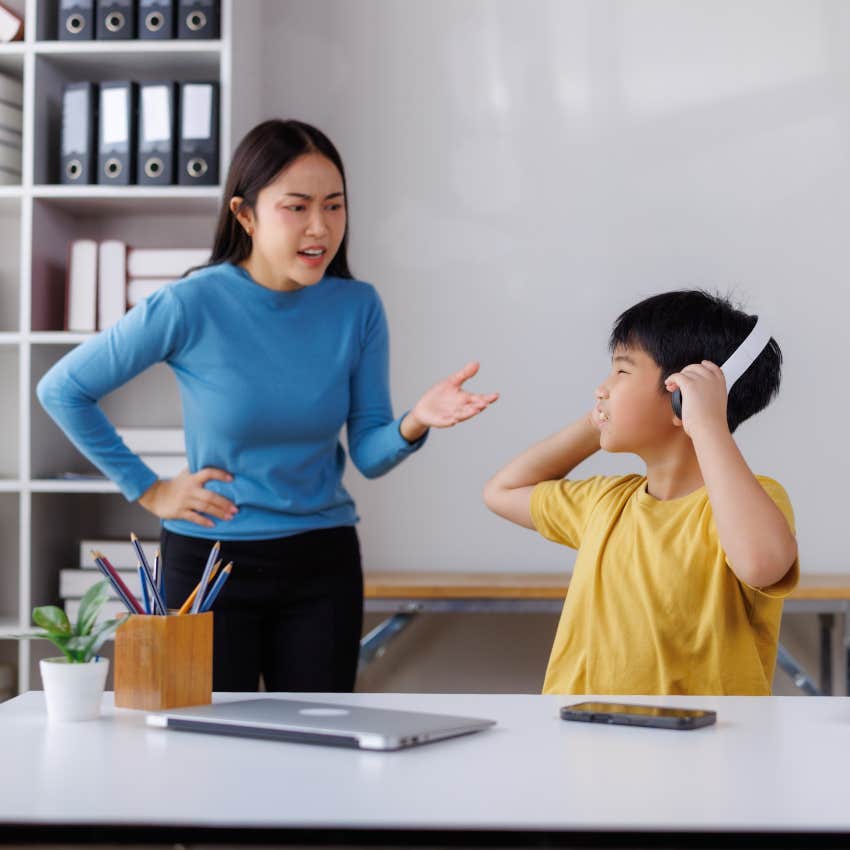
This comment is pretty much the verbal equivalent of a child putting their hands over their ears and walking away. Rather than hearing an adult out, they make it clear they've already decided that the conversation is over.
Openly defiant kids tend to shut down the moment they hear something they don't like by simply refusing to participate. It can turn a simple correction into a frustrating standoff, especially when they expect everyone else to still respect their voice.
2. 'You can't tell me what to do'
There's a difference between a kid having an opinion and a kid treating every instruction like a personal attack. This phrase often comes out during a moment when an adult corrects their behavior or asks them to follow a rule they don't like.
Instead of responding to what they were told, kids who have little respect for rules immediately turn the interaction into a fight. To them, being told what to do feels less like guidance and more like a challenge they're determined to win.
3. 'My mom said I don't have to'
Kids love to pull out a trump card when they don't want to follow someone else's rules. When an authority figure asks them to do something, they repeat something their parent supposedly said as if that's an end-all, be-all response.
Sometimes, of course, there really are different rules that children have at home or elsewhere. But when a kid constantly uses their parents as a shield against reasonable expectations, it comes across as openly dismissive. They're making it clear that they think another adult has no say over them.
4. 'Whatever'
 PattyPhoto | Shutterstock
"Whatever" is a tiny word that can carry a surprisingly big attitude. It's often accompanied by an eye roll and a shrug thrown in for emphasis. It's a low-effort way to divert the conversation when a kid who talks back to adults is being told something they don't agree with.
It's their go-to response so they don't have to engage with the person in front of them. They're sending a message that they don't think the situation is worth taking seriously.
5. 'That's not fair'
Just saying something isn't fair can be acceptable when something genuinely feels unfair to a child. But kids who are constantly testing limits may have a hard time accepting that fairness doesn't always mean getting what they want.
Sometimes, the answer is just no. Other times, another child gets a different consequence, or a rule stands even when they don't like it. They don't care about understanding the decision. They just want to fight it.
6. 'I don't care'
A quick "I don't care" from a kid who is openly defiant towards adults has the power to bring a discussion to a screeching halt. It's not that they truly feel nothing. They may just be used to using indifference to avoid being corrected.
They have a tendency to act like the entire situation isn't worth holding their attention. It creates a frustrating dynamic where every attempt by an authority figure to set a boundary is blown off.
7. 'Mind your own business'
 ArtMari | Shutterstock
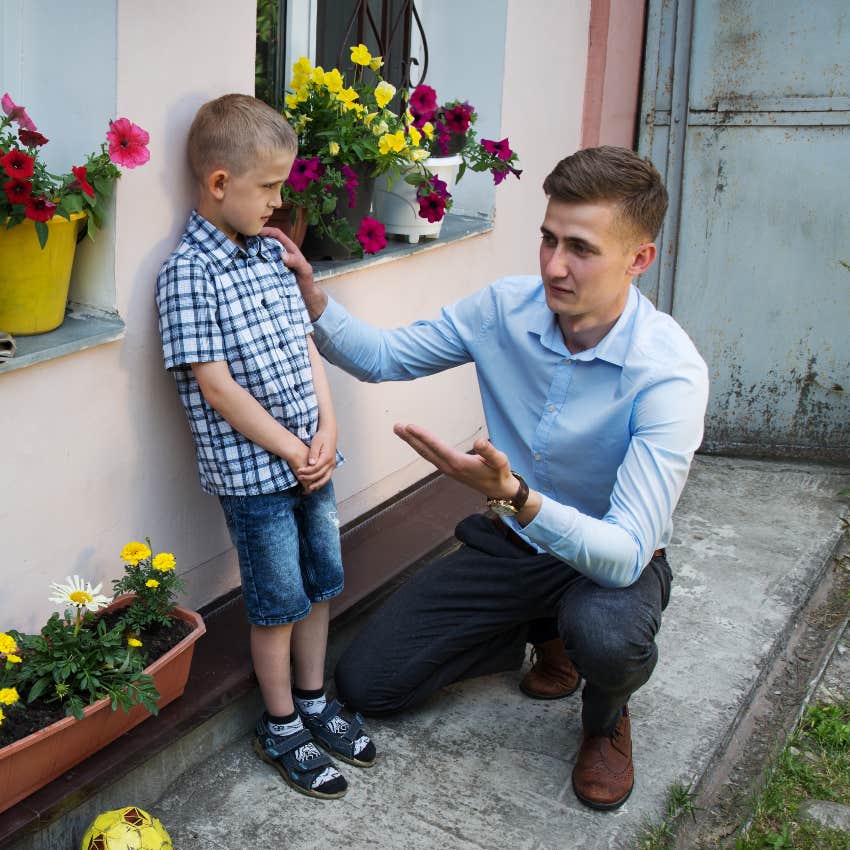
This comment takes a normal bit of pushback to a whole new level. Instead of just saying they disagree, kids who see rules as suggestions make it clear that they don't believe the adult has a right to say anything at all.
They don't necessarily care about keeping things private; they just want to shut down accountability and keep an adult from telling them what to do. They're essentially trying to claim who is "allowed" to correct them, which can turn a minor interaction into a much bigger confrontation.
8. 'Leave me alone'
Even kids need a little space every once in a while. However, when this phrase gets thrown at an adult who is just trying to talk to them, it takes on another meaning. The child isn't asking for a moment to cool down; they're announcing that everyone needs to back off.
The underlying attitude is what makes it stand out so much. Demanding space doesn't necessarily get kids out of following rules or accepting consequences.
9. 'I know'
This might be an innocent enough phrase, but when delivered with a heavy dose of sarcasm, it can come off as incredibly rude. Kids who have a problem with authority throw it out when adults are explaining a rule or offering a reminder, and they've already decided they don't need to hear the rest.
If someone has to tell them multiple times to clean up their mess or stop interrupting, saying "I know" doesn't necessarily prove the point. It comes across as just not wanting to be lectured, which is a very different message.
Kayla Asbach is a writer with a bachelor's degree from the University of Central Florida. She covers relationships, psychology, self-help, pop culture, and human interest topics.
