
Parents Who Unknowingly Hurt Their Kids Mentally & Emotionally Usually Say 6 Phrases
 Ebony Scott | Pexels
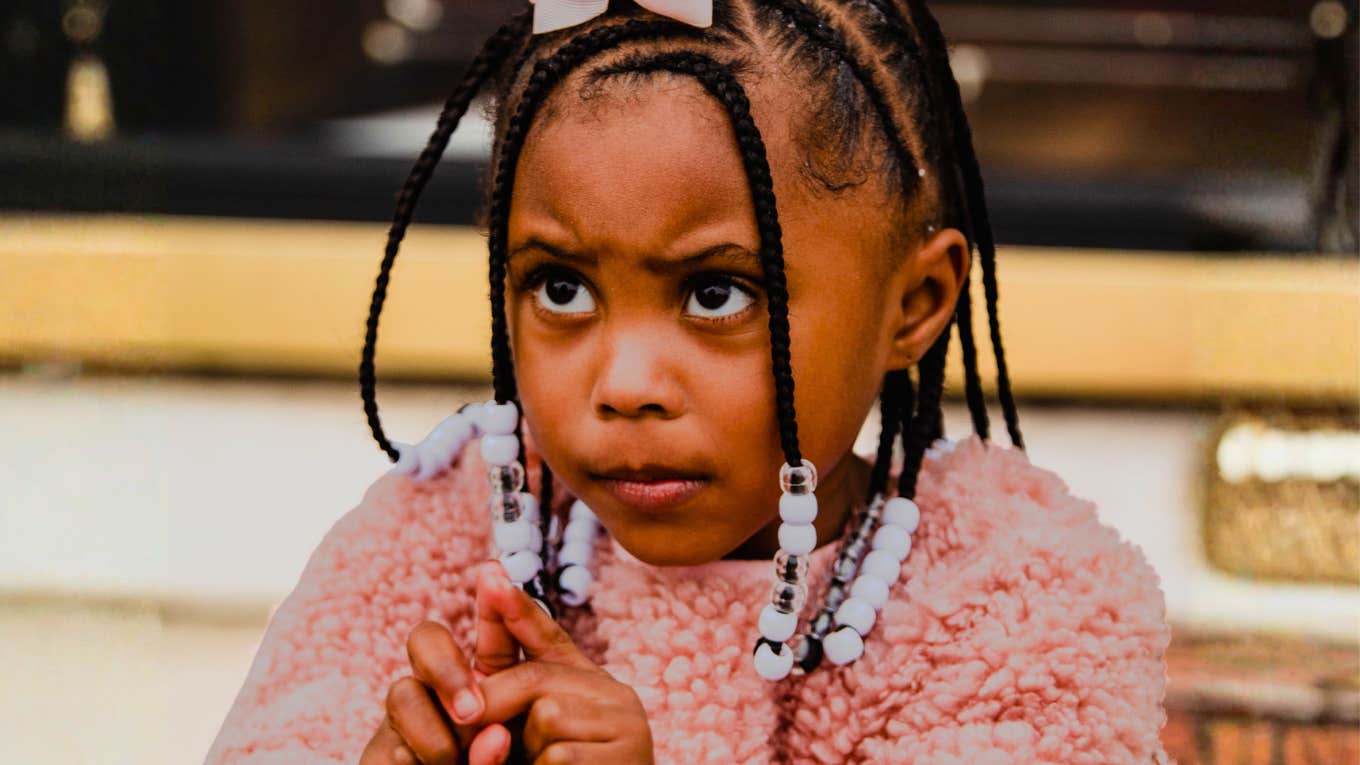
 When your child is upset about something you don't believe is worth their tears, it's easy to throw out seemingly innocuous phrases in the heat of the moment — "Stop crying! You're fine!" However, people-pleasing recovery expert Klara Kernig explained in a recent Instagram post that some of these thoughtless phrases can unintentionally leave lasting mental & emotional scars on children. "These phrases might seem normal," Kernig said, "but they teach kids to silence your feelings, dismiss your needs, and question your worth."
Parents who unknowingly hurt their kids mentally and emotionally often say these things casually:
1. 'You’re too sensitive'
Telling a child, or an adult, for that matter, that they are "too sensitive" dismisses their feelings and encourages them to repress their emotions, something that will only hurt them mentally & emotionally in the long run.
The fact that your child is comfortable expressing their emotions to you is a good thing. It indicates that they trust you enough to be vulnerable and are seeking guidance in learning how to manage their feelings. Don't betray their trust by demeaning their feelings.
2. 'Stop crying, or I’ll give you something to cry about'
Kernig explained that this phrase translates to "Your pain isn't valid." Once again, when parents say this phrase to their kids, they discredit their emotions.
If your child is crying, something is wrong. While that something may not seem worth the tears in your eyes, children experience and express emotions differently. Crying is a healthy way for kids to express discomfort, fear, sadness, and other emotions before they have the words to do so.
3. 'You’re fine. It’s not a big deal'
Yet another dismissive phrase parents use far too often that hurts kids mentally & emotionally. This phrase tells children that their "struggles don't matter." “If I tell my son to stop crying/whining/fussing, I’m saying to him, “Your emotions are not welcome or accepted here,'" parenting experts at ParentCo. explained. “It isn’t my right to police his emotional responses, no matter how young he is."
4. 'Don’t argue back'
 YAKOBCHUK VIACHESLAV / Shutterstock
This phrase, Kernig said, tells kids, "Your voice doesn't matter." Of course, no parent wants to encourage their children to disrespect their authority or constantly argue; however, it's important that kids feel heard while growing up.
“Kids need to feel heard, and their opinions should matter," parenting blogger Monica Swanson stressed. "Give them a chance to think through things, and then when everyone is in a good state of mind, sit down and hear them out."
5. 'You’re lucky you even have a roof over your head'
This phrase is incredibly manipulative and makes kids feel like burdens. When you choose to have and raise a child, you are committing to providing them food and shelter for at least 18 years. Holding that over their head will only damage your relationship mentally & emotionally.
"You don't get a participation trophy for housing your child or keeping your child clean," content creator Lisa Pontius told BuzzFeed. "A kid isn't a freeloading roommate; they're your dependent and your responsibility."
6. 'Why can't you be more like [someone else]?'
As Kernig explained, this phrase tells children, "You are not enough as you are." Comparing your child to their siblings or other children can damage their self-esteem and create a lasting pattern where your child constantly compares themselves to others. You are telling them that they aren't meeting your expectations, but someone else is.
"Comparing children, even if it’s subtle or unintentional, can make them feel inferior," parenting coach and psychologist Jeffrey Bernstein, Ph.D., explained. "Avoid comparisons by acknowledging each child’s strengths, and recognize that every child has different talents and deserves to be appreciated for who they are."
All of these phrases may seem inoffensive, and perhaps they are to the parents who say them. Yet, they can leave enduring emotional scars on children. "These words may seem small," Kernig wrote, "but their impact can last a lifetime."
Mina Rose Morales is a writer and photojournalist with a degree in journalism. She covers a wide range of topics, including psychology, self-help, relationships, and the human experience.
