
School Is Usually A Lot Harder For Kids Whose Parents Don't Do 5 Things, Says Teacher
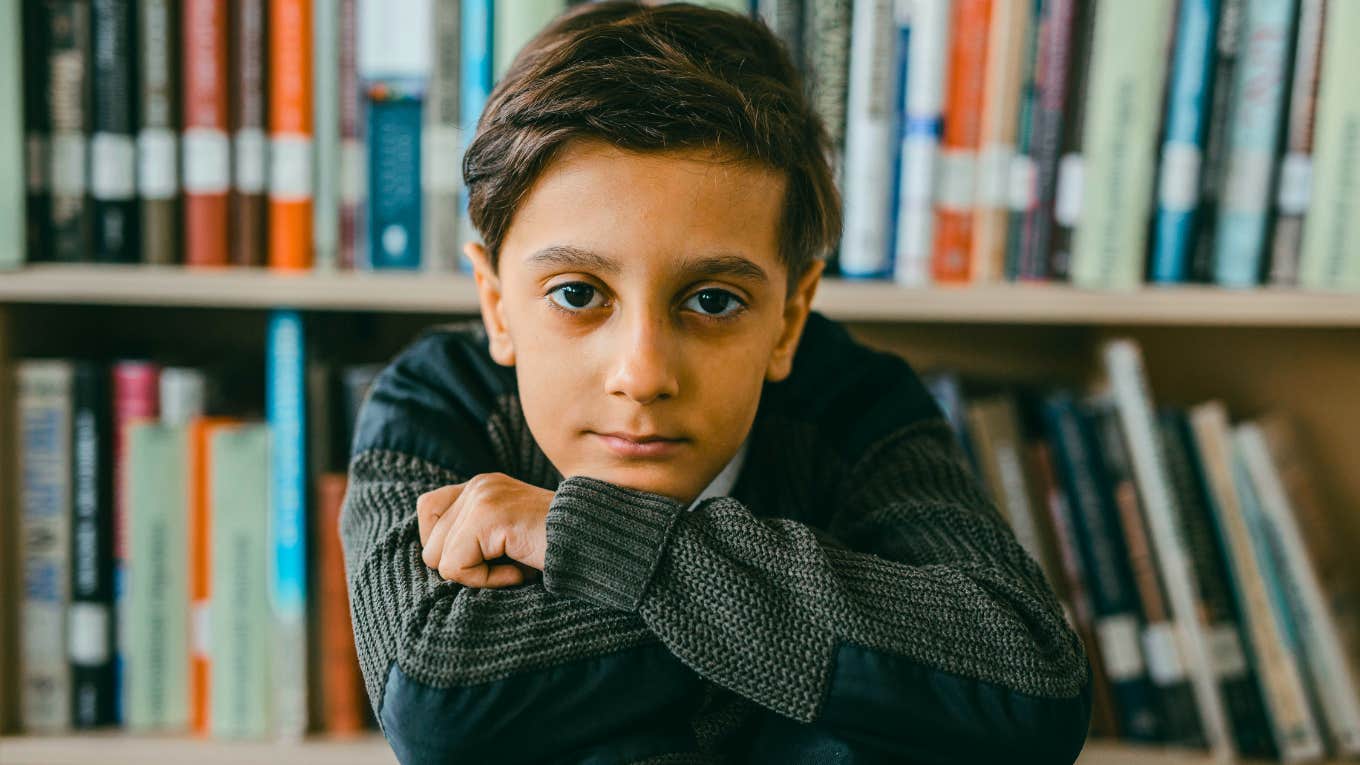 Mikhail Nilov | Pexels
 All parents want the best for their kids, and that includes giving them a good education. But there's only so much parents can do to impact their success, because they can't exactly attend school with their children.
According to a fifth-grade teacher called Mr. Wilson, there are some very simple yet fundamental skills that parents often ignore. Unfortunately, it becomes a trickle-down effect and makes school much more difficult.
Parents who don't do these things make school much harder for their kids
1. Structure their kids' technology use and screen time
 Julia M Cameron | Pexels
Wilson's primary reason is one that's pretty obvious. He explained, "All these games, social media, and TV shows are designed to nurture a short attention span," and that becomes especially critical as kids reach the end of elementary school.
"Fifth grade is kind of a big jump of maturity, especially before middle school," Wilson added, "because, for the first time in their lives, they're asked to be stewards of their own education." And they can't do that effectively if their attention spans are nonexistent.
Wilson cautioned that tech and screens present a safety issue as well, both in terms of physical safety and being exposed to topics and content they're not yet mature enough to handle. Plus, it really makes it difficult for them to get a good night's rest.
"It messes up your children's sleep schedules," Wilson revealed. The blue light that emanates from screens, which is in a similar color spectrum as sunlight, impacts everyone's circadian rhythms and the secretion of hormones like melatonin that manage the sleep-wake cycle.
That's bad enough for adults, but for growing kids' bodies and brains, it's even worse.
2. Give their kids the responsibility of knowing their after-school transportation plan
"Your child absolutely needs to be able to identify your car or the car of whoever is picking them up," Wilson said. "Your child needs to know how they're getting home."
This might sound silly to a lot of us, but Wilson explained that lots of kids in his school have no idea about these details, particularly when their transportation plan varies from day to day. They don't know which day they go home in a car or which day they take the bus.
That's really dangerous, but it's also a vital executive skill. It teaches kids independence and how to care for and manage themselves.
"When you wake them up in the morning, and you're getting them ready, make sure that you all recite what that plan is before they leave your sight," Wilson recommended. That means making sure kids know all the details of the car itself, too, like the make and model and color.
3. Ensure their child knows how to get home
With the way our phones and GPS handle everything, it's not surprising that many children don't know the basic details of where they live and how to get there. It's a safety issue, yes, but it's also a missed opportunity for children to learn how to take ownership of their day-to-day lives.
Wilson encouraged parents to make sure their kids know not just where to take a left or right, but "the exact cross streets where they live." If they can't walk to and from school without GPS on their phone, "they do not need to be walking home," he added.
Wilson also explained that he's seen kids end up in unsafe situations because their phone died and got lost. So, this makes this action even more important to child safety.
4. Teach their children their parents' names and their own name
 Ron Lach | Pexels
While this may not be something parents think about, Wilson advised that it's extremely important. He admitted that he's had "way too many conversations" with kids where he asked them their parents' names so he could reach out, and was met with, "I think it's..."
This obviously presents a safety issue should a child, for example, get separated from the group on a field trip or during a crisis like a fire.
But even more of an issue can arise when kids don't know their own names. There are plenty of kids who have been called a nickname or a term of endearment all their lives.
This only happens to little kids just starting kindergarten, but Wilson said that once a kid is heading to school, they need to know their name isn't "pumpkin" or "baby."
5. Teach basic skills like tying shoes
Hopefully, a kid knows how to tie their shoes by fifth grade, but Wilson revealed that a lot of them don't. And while parents may put it on teachers to help their children learn, teachers just don't have time for it.
Wilson admitted that "it's actually emblematic of a bigger issue" about independence and the development of critical self-management skills.
"If your kid has made it all the way to the fifth grade and they cannot tie their shoes, you may be doing a little bit too much for them," he said. Wilson urged parents to consider that "making things too simple for our children makes it tough for them to improve and grow."
If parents are still tying their kid's shoes for them or buying them Velcro ones to avoid it, they might be harming them more than helping.
John Sundholm is a writer, editor, and video personality with 20 years of experience in media and entertainment. He covers culture, mental health, and human interest topics.
