
Gen Z, Millennials, Gen X & Boomers Have Completely Different Ideas Of What Spirituality Means
 Ilya Andrianov | Pexels
 People want to feel connected to something larger than themselves and find meaning in their lives. But depending on what generation they belong to, that idea of spirituality varies.
Older generations tend to associate spirituality with tradition and independence, while younger people approach it as something that's deeply personal and mindful.
What spirituality means to Gen Z, millennials, Gen X and boomers
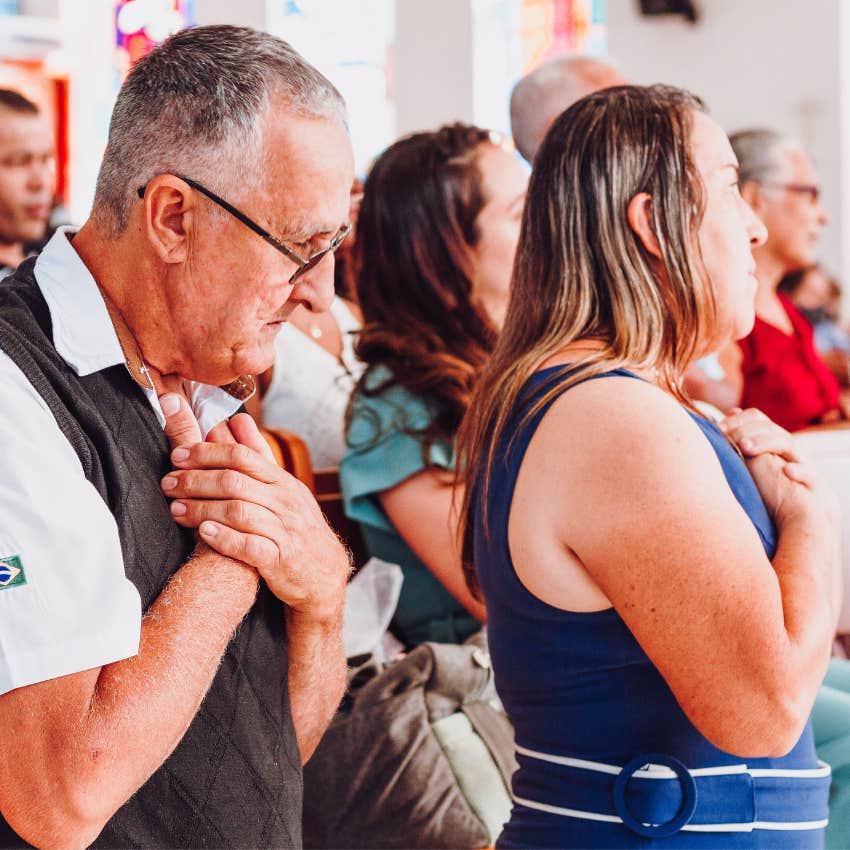
Boomers are more likely to connect spirituality with religion and tradition
For many baby boomers, spirituality was something experienced through going to church and observing religious holidays, or praying before meals and learning prayers as a child. For some, spirituality and religion were never presented as separate concepts, but that doesn't mean every boomer is religious.
Many became less religious over time or developed beliefs that are very different from what they were taught as children.
 SAULO LEITE | Pexels
For those who did grow up in religious households, spirituality was often a communal experience. They didn't necessarily have to invent their own practice because there were plenty of rituals and holidays with people who shared their beliefs.
That sense of community is important. A baby boomer wasn't trying to figure out what life meant by themselves. Instead, they belonged to something.
This could be intertwined with family and tradition, and that can create a very different understanding of what spirituality is. For someone raised that way, spirituality may not be primarily about discovering yourself, but about remembering where you came from.
Gen X sees spirituality as something you discover for yourself
Gen X grew up during a period when traditional institutions were starting to lose some of their authority. They were in a world that still had many traditional expectations, but they also watched those get questioned. That tension influenced how they approached spirituality.
For some Gen Xers, spirituality remained deeply connected to religion, but for others, the idea of blindly accepting these inherited beliefs became less appealing.
 Ron Lach | Pexels
This generation came of age before the internet, so if they wanted to explore an unfamiliar belief system, they had to find a book. They didn't have access to scrolling through videos about mindfulness to replace attending church.
Gen X also had a tendency toward skepticism. They may be willing to explore spirituality while remaining suspicious of anyone who claims to have all the answers. For them, spirituality is less about following a set path and more about developing a personal relationship with themselves or a higher power.
Millennials combine different spiritual practices into something deeply personal
When millennials came of age, it became much easier to encounter beliefs from all over the world. They had the ability to pick and choose, and it has shaped the way they approach spirituality.
They may not want just one institution or religion to define the entirety of their spiritual life. Instead, they might create something personal from multiple influences.
 Thirdman | Pexels
Millennials are more concerned with what practices help them feel grounded. Spirituality can become something they use to understand themselves and navigate life, rather than simply something they inherit.
This may explain why millennials have embraced practices that previous generations considered unusual, such as tarot and astrology, or yoga and meditation. As a result, millennials may sometimes blur the boundary between spirituality and self-care.
Gen Z connects spirituality with mental health and authenticity
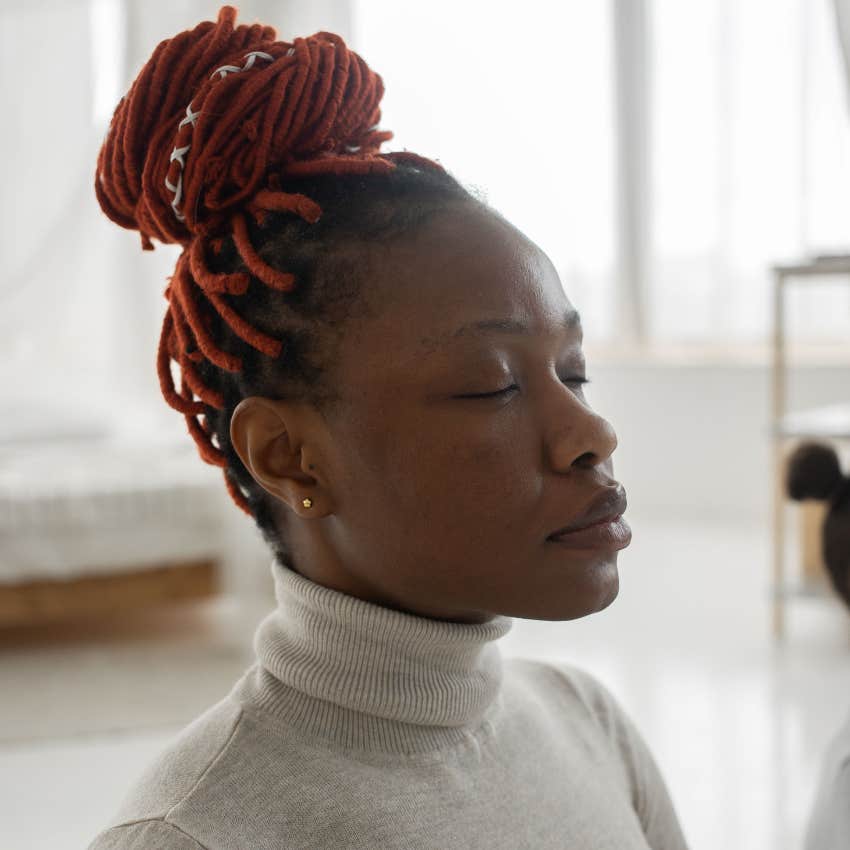
Gen Z has grown up in an environment where conversations about well-being and personal authenticity are much more common, which can affect how they understand spirituality. For some Gen Zers, spirituality has little to nothing to do with organized religion and more to do with meditation or simply feeling connected to themselves and the world around them.
The language can be different, too. A young person might talk about protecting their energy and healing or setting boundaries. Those ideas can sound very different from the religious vocabulary many older adults grew up hearing.
 Monstera Production | Pexels
Gen Z is growing up with an enormous amount of information available instantly. That can make spiritual exploration incredibly accessible. But that accessibility also comes with a downside.
Not everything presented as spiritual wisdom is reliable. People on social media can make a psychological concept or personal opinion sound like an established fact.
So, Gen Z's spiritual environment can be both expansive and confusing. There are more voices claiming to have the answer, so it may be why they've stepped away from organized religion almost entirely.
MeShanda Deason is a writer with a BFA in Creative Writing from Stephen F. Austin State University and minors in Business Communication and Literature who covers storytelling, culture, identity, and human connection across editorial, journalism, and marketing spaces.
