
Gen X & Boomers No Longer Apologize For 10 Things That Make Younger Generations Feel Guilty
 shurkin_son | Shutterstock
 Gen Xers and baby boomers are done with abiding by many societal norms and are no longer apologizing for going against the grain.
Unfortunately, many Gen Zers and millennials often feel guilty for doing these same things. They're set on connection and accountability, while their older counterparts don't care as much.
Younger generations feel guilty about these things that Gen X and boomers don't usually apologize for anymore:
1. Leaving early
 bbernard | Shutterstock
The younger generation is polite. Since childhood, they've been taught to be hyper-aware of the people around them. Considering Gen Z is one of the most educated generations, it's no surprise that they're deathly afraid of coming off as rude.
They're people-pleasers. As a result, you'll never catch them leaving an event or person's home early, especially without saying something to the host. For Gen X and boomers, however, they don't care about pleasing others. So long as they're happy, it doesn't matter how rude they come off.
2. Saying 'no'
 brizmaker | Shutterstock
Finding the confidence to stand your ground is a skill each generation grapples with. In a world that expects so much of us, learning to say no is a necessity. This is why Gen X and boomers are so evolved. They've had time to learn how to stand up for themselves and set boundaries.
Younger generations are still figuring it out, so they have a harder time saying no to things they don't want to do. But they could take a lesson from older people, because it's better to set boundaries now than have regrets later.
3. Going to bed early
 yourphotopie | Shutterstock
Millennials and Gen Zers tend to be incredibly anxious and may find it hard to sleep. They're concerned about financial problems and the world around them, while Gen X and boomers couldn't be more different.
Regardless of what happens, they won't stay up late. They know nothing gets solved by worrying all night, so they're quick to shut people down and tell them to save it for another day. Unlike millennials and Gen Zers, who try to fix things right away, older generations know there's a time and place.
4. Not answering the phone right away
 Julia Zavalishina | Shutterstock
Most people use their phones for hours each day. According to experts from Bradley University, "Millennials and Gen Z spend 6.6 and 6.5 hours on their smartphones, respectively. Gen Xers spend 5 hours on their phone daily, and baby boomers are on their phones for 3.8 hours each day."
While Gen Xers and boomers have healthier boundaries with technology like this, younger generations are heavily reliant on their phones. They also grew up in an age of instant communication, and feel guilty when they can't reply right away.
5. Eating as they please
 Krakenimages.com | Shutterstock
Like the early 2000s, younger generations are finding themselves met with unrealistic beauty standards. Especially with FaceTune and AI being used on every influencer's profile page, they may be more cautious about what they eat.
Unlike baby boomers and Gen Xers, millennials and Gen Zers are chasing approval. Social media has made self-comparison inevitable, and with every scroll, people are met with standards they can't possibly reach. Feeling pressured and defeated, they'd rather skip dessert than deal with the guilt.
6. Changing their minds
 Gyorgy Barna | Shutterstock
When Gen Xers and boomers made mistakes growing up, the entire world wasn't watching them. Younger generations are reliant on validation from social media, whereas older people are comfortable with having their own ideas and changing their minds.
They embraced new ideas and lived life the way they wanted. When presented with new information, they changed how they thought. So, they don't feel guilty for this, whereas younger people don't always think outside the box.
7. Not being liked by everyone
 Andrii lemelianenko | Shutterstock
For those who are younger, they're already dealing with a mountain of insecurity. They haven't had as much time and experiences as older people, so they may not have learned that not every opinion matters. So, they try hard to fit in and be liked.
Yet, baby boomers and Gen Xers no longer apologize for doing things not everybody likes. They know what it feels like to be brushed aside and put down, and rather than dwelling on it, they just shrug their shoulders and move on with their lives.
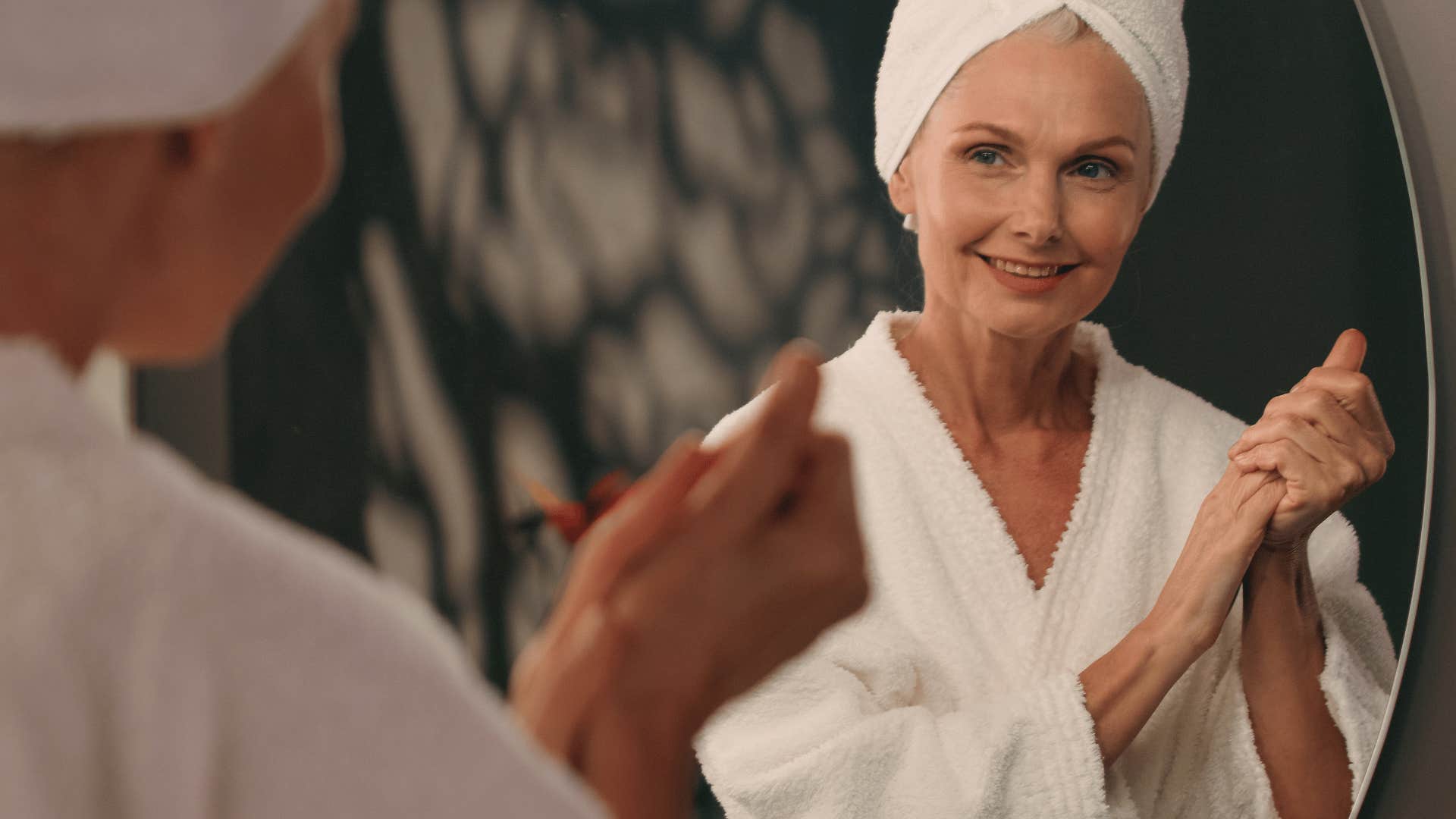
8. Aging naturally
 MAYA LAB | Shutterstock
Boomers and Gen X dealt with their own beauty standards, but it wasn't plastered online or on television for all to see. Nowadays, perfection is promoted everywhere you look. For younger people, they've been made to believe that aging is a bad thing.
But older generations are coming into their own, and living authentically. It means they aren't trying absurd beauty treatments. Rather, they're aging naturally and embracing the beauty that comes with it.
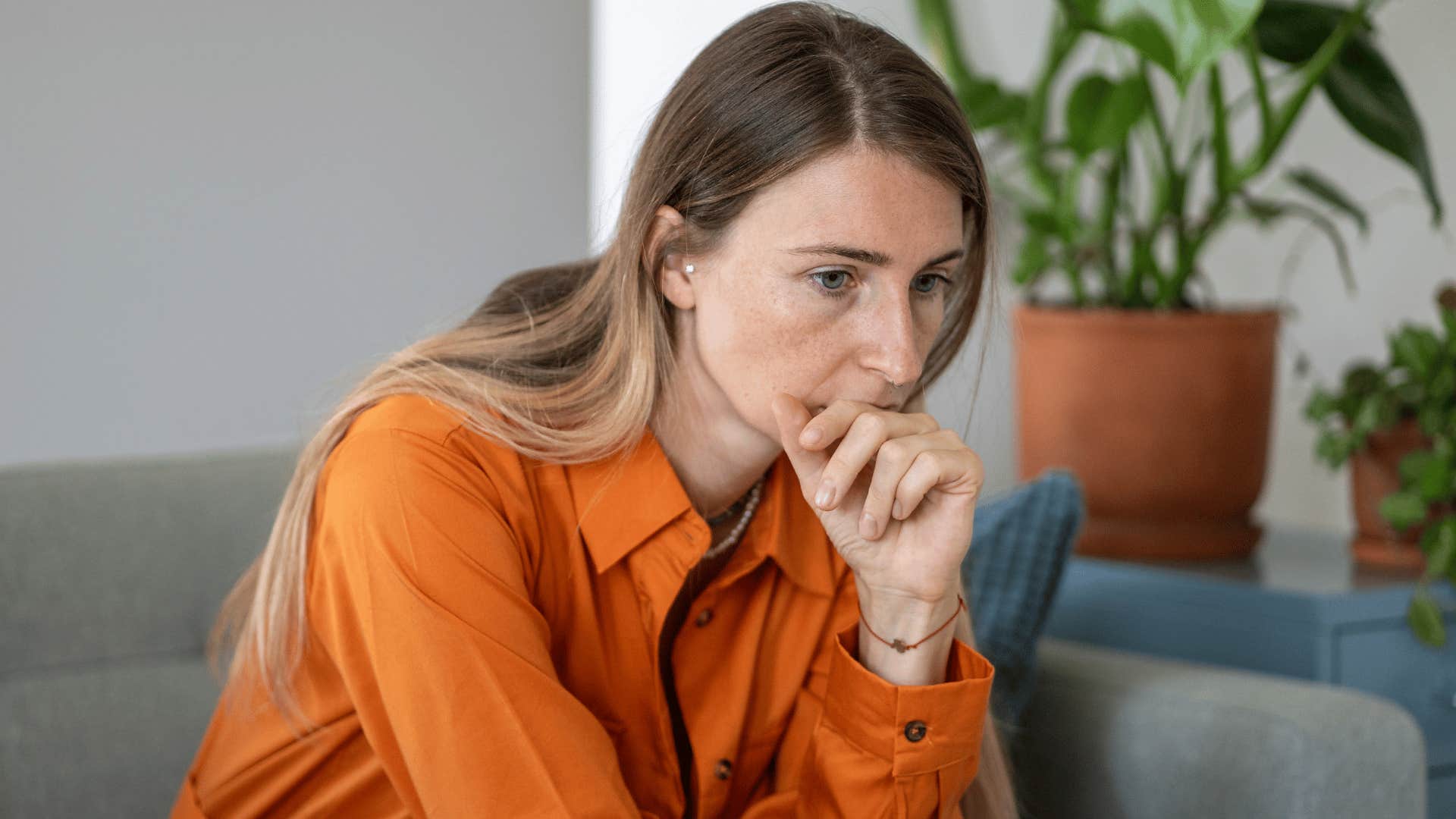
9. Letting someone be disappointed
 DimaBerlin | Shutterstock
Gen Zers and millennials haven't stopped their people-pleasing ways. They're anxious and haven't mastered how not to care. Unlike older generations who grew up rebelling, young people are concerned about what people think of them, so they can't stop themselves from feeling guilty about disappointing others.
Without fail, they tread carefully when it comes to people's emotions. It's frustrating, but for them, it's completely normal. In an age where they're still discovering themselves, learning to let go is a tough pill to swallow.
10. Asking for alone time
 siro46 | Shutterstock
They may love their alone time, but younger generations can't always express it. They grew up being taught to feel guilty for their shyness, especially Gen Zers who were the most shy. Now, feeling guilty for needing a breather and asking for alone time.
Deep down inside, they fear judgment. Unlike Gen Xers and boomers, who don't have this mindset, young people are afraid of admitting they need to take breaks. They want to prove how social they are, and no longer know how to put their needs over others'.
Marielisa Reyes is a writer with a bachelor's in psychology who covers self-help, relationships, career, family, and trending topics.
