
Gen Z Didn’t Learn 7 Old-Fashioned Life Lessons That Made 70s & 80s Kids Way More Street Smart
 Roman Samborskyi / Shutterstock
 Back in the 1970s and 80s, kids learned about the world by interacting with it. They were out and about experiencing all kinds of situations, for better or for worse, that no matter what the outcome, ended up teaching them a whole lot about life.
Because they grew up more protected and isolated, Gen Z kids never learned many of those same life lessons. They may have looked up information on their phones or computers, but reading articles and stories can never have the same impact as experiencing something for yourself.
Gen Z never got to learn these old-fashioned life lessons that made kids raised in the 70s & 80s way more street smart
1. Respect those in authority
Many people raised in the 70s and 80s think kids don’t have the same respect for their elders as they did when they were growing up, and they’re not entirely wrong. Gen Z was raised in a world that conditioned them not to care.
People born in the 70s and 80s were taught to respect their elders and authority. This lesson may seem old-fashioned, but it can help people when they run into new and intimidating experiences at other points in their lives.
Instead of trying to be overly confident, as someone with no respect for authority would, people born in the 70s and 80s would know to respect whoever is in charge. In most cases, deferring to authority can be a safe way to go in stressful and unusual situations.
2. Be independent
 FatCamera from Getty Images Signature via Canva
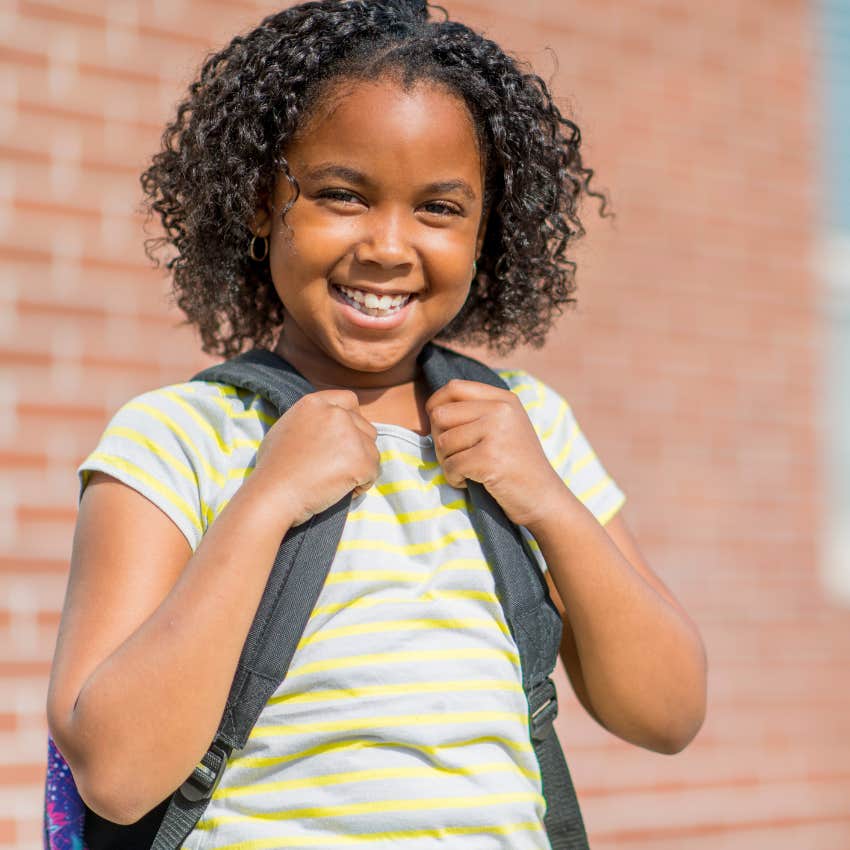
Kids spend much less time outside now that they can happily stay indoors entertained on their personal devices. This can seem strange to parents who spent their childhood in their front yard. The time those older generations spent outside without adult supervision gave them a sense of independence. It also taught them responsibility, as they had to manage their situations and their belongings.
Children raised in the 70s and 80s also rode their bikes more than kids do today, allowing them to explore farther from their parents. Without them around to point them in the right direction, they have to figure out how to get where you're going on your own.
3. Have empathy for others
One of the biggest factors influencing adult relationships is whether children learn to recognize and respond to other people's emotions. Empathy helps people build trust and form lasting friendships by encouraging them to look beyond their own experiences and consider others' perspectives. When that skill isn't nurtured early on, forming deep emotional connections can become much more difficult later in life.
Some researchers have raised concerns that empathy has declined among younger adults over the past few decades. For example, a widely discussed study from the University of Michigan found that college students scored lower on certain measures of empathy than students in previous generations. While the reasons are likely complex and involve everything from technology to changing social habits, the findings highlight the importance of children having regular opportunities to practice perspective-taking, active listening, and compassion. Those experiences help lay the foundation for healthier relationships throughout adulthood.
4. Resolve conflicts collaboratively
 Maria Symchych-Navrotska from Getty Images via Canva
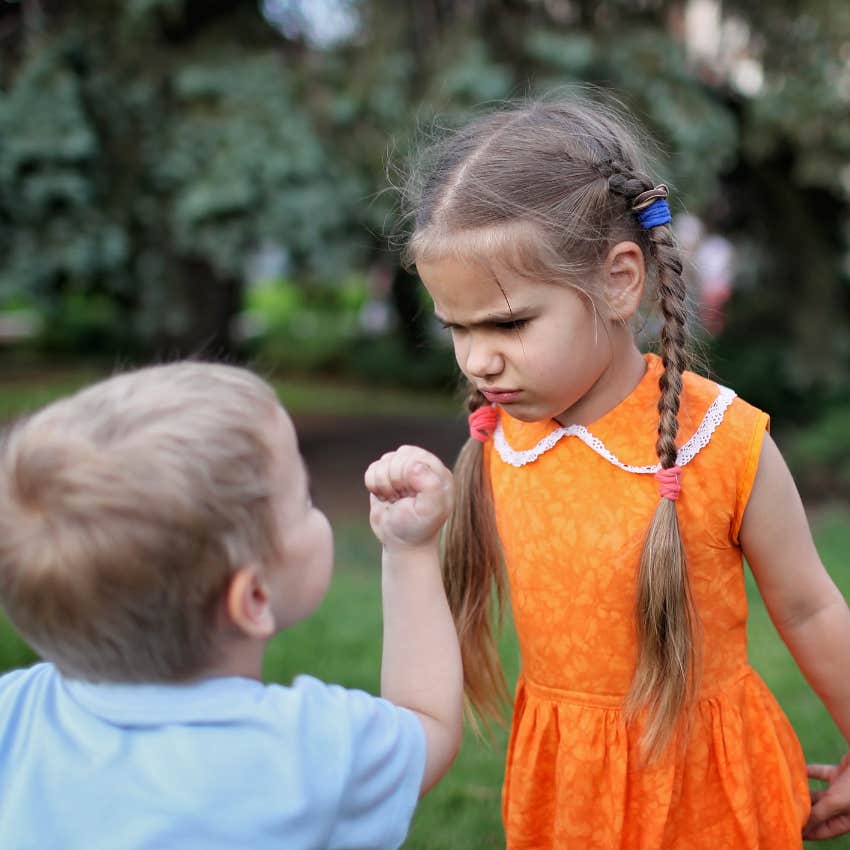
There's been an increase in the reports of cyberbullying among kids growing up today. This is when someone bullies you through their device. Some bullies do this so you won’t know who they are. They might also hide behind a screen because it protects them from you fighting back.
This is just one reason some people in Gen Z struggle when handling conflicts. When arguments are handled over a screen, it's harder to understand the other person's point. You don’t have them in front of you and can’t see how much you’re affecting someone.
Gen Z often avoids resolving conflict because they don't deal with it in person. If they become used to sharing their criticism without any backlash in person, they probably will feel comfortable doing this when they are out in public.
5. The value of loyalty
Over the past several decades, conversations about boundaries and protecting mental health have become much more common. Those changes have helped many young people recognize unhealthy relationships and feel more comfortable stepping away from situations that are genuinely harmful. At the same time, maintaining close friendships also requires patience and a willingness to be there for people even when it's inconvenient.
Strong relationships grow when people consistently show up for one another, whether that means listening after a difficult day or celebrating their successes, or standing by them during challenging seasons. While it's important to recognize when a relationship has become unhealthy, it's equally important to understand that healthy friendships sometimes require compromise and sacrifice. Learning to balance personal boundaries with loyalty is one of the keys to building relationships that last for decades rather than just moments.
6. In-person community matters
 DAPA Images via Canva
How kids find community looks very different today. Most kids raised in the 70s and 80s would say their community was the people they lived near or shared activities with, but Gen Z kids would probably see their community as the people they connect with digitally.
Social media has allowed people from all over the world to connect like never before. People can find their communities among friends who live nowhere near them. It’s allowed people to create unique relationships that wouldn’t have been possible before. They experience lives and cultures that might not have been available to them without technology.
Still, relying on a digital community can take you away from the community in front of you. Older generations who fostered relationships with the surrounding community could ask for help. Online friends can't always be there for us in person. Creating a close relationship with the people close to you can be a key way to make your life easier through their support.
7. Communication skills
Childhood development is strongly linked with personal relationships. Having good friends as a kid can make you feel more secure as an adult. When you fail to connect with friends, it can harm your communication skills, even in your adult life.
Being home so much during lockdowns prevented Gen Z from forming those connections in person. They lost fundamental years of learning how to connect with others. This has made many people in younger generations struggle to communicate as well as their parents did when they were the same age. It can frustrate a lot of parents if they try to push their kids to make more friends, but they should remember that they got the chance to do that and try to help their child learn those basic concepts now that lockdown is over.
Lily Bell is a college student studying English and Publications who covers relationships, mental health, and personal narratives surrounding the human experience.
