
9 Old-Fashioned Rules Gen X Kids Resented That Make So Much Sense To Them Now
 MMCXIII / Shutterstock
 Gen X has long had a reputation for questioning authority and pushing back against rules they don't believe make any sense. When they were growing up, they weren't shy about rolling their eyes at curfews, household chores, strict manners, or the endless list of expectations that seemed to govern everyday life. At the time, those rules often felt arbitrary or simply designed to make life less fun.
As kids do, they grew up determined to do things differently from their parents, but now that they’re parents and even grandparents themselves, many have found themselves looking back on those limits with a surprising amount of appreciation. Experience has a way of revealing the purpose behind boundaries that once felt frustrating, and they can now see that many of the old-fashioned rules they couldn't wait to escape ended up teaching them practical life skills they couldn’t get by without.
While they may not agree with every lesson their parents enforced, there are plenty of childhood rules that make far more sense to them now than they ever did back then.
Gen X kids resented these old-fashioned rules that actually make sense to them now
1. Keep private matters private
 Pressmaster | Shutterstock.com
Gen X didn’t have phones or social media growing up, but they did have parents who appreciated privacy in their own ways. Whether it was keeping family issues at home or not speaking about mental health struggles outside of the house, Gen X was expected to keep private matters private.
While the healthiest people today understand that there is a healthy balance to strike between privacy and vulnerability, there is a good deal of personal empowerment to be gained from keeping some things to themselves. Gen X may have thought that seemed silly when they were kids, but after a life full of experiences with the consequences of oversharing, they’ve learned to appreciate letting more of their lives stay quiet.
2. Life is inherently unfair
When you don’t expect life to cater to your every need and comfort, you become a more resilient person. Entitled, spoiled people grow up believing that everything will be solved for them, usually because their parents did just that, and they weren’t expected to work or struggle because they never had to.
Most Gen Xers, known as the latchkey generation because they came back from school to homes with no adult around to supervise or care for them, had to struggle. They developed a resilient attitude and grounded humility by accepting early on that life is unfair. They worked hard despite that fact and now appreciate how their challenges helped them grow.
3. Manage your own boredom
When kids learn to face and manage their boredom, they grow into more creative, hard-working adults, compared to the kids who have mindless stimulation and parents around to entertain them constantly. Gen X kids had to figure out how to manage their own time and create their own entertainment, which set them up with excellent creative problem-solving skills.
Looking back, many Gen Xers can appreciate the value of that lesson. Periods of boredom give the brain space to think more freely. Learning to entertain themselves also helped many develop initiative and resourcefulness instead of relying on constant stimulation. As adults, those same skills can make it easier to tackle challenges without needing something, or someone else, to fill every quiet moment.
4. Only rely on yourself
Gen Xers have a serious do-it-yourself mentality that began in childhood. Yes, they’re self-reliant, independent adults, but the alone time, challenges, and unsupervised play they had as kids set the stage.
Not only were they taught to figure things out themselves and cope with their own pain, but they were also alone most of the time. They had no choice but to do those things for themselves because asking their parents for help wasn’t always an option. As they deal with adult issues, this sense of agency has in many ways become their superpower.
5. ‘No’ isn’t up for discussion
 Dragon Images | Shutterstock.com
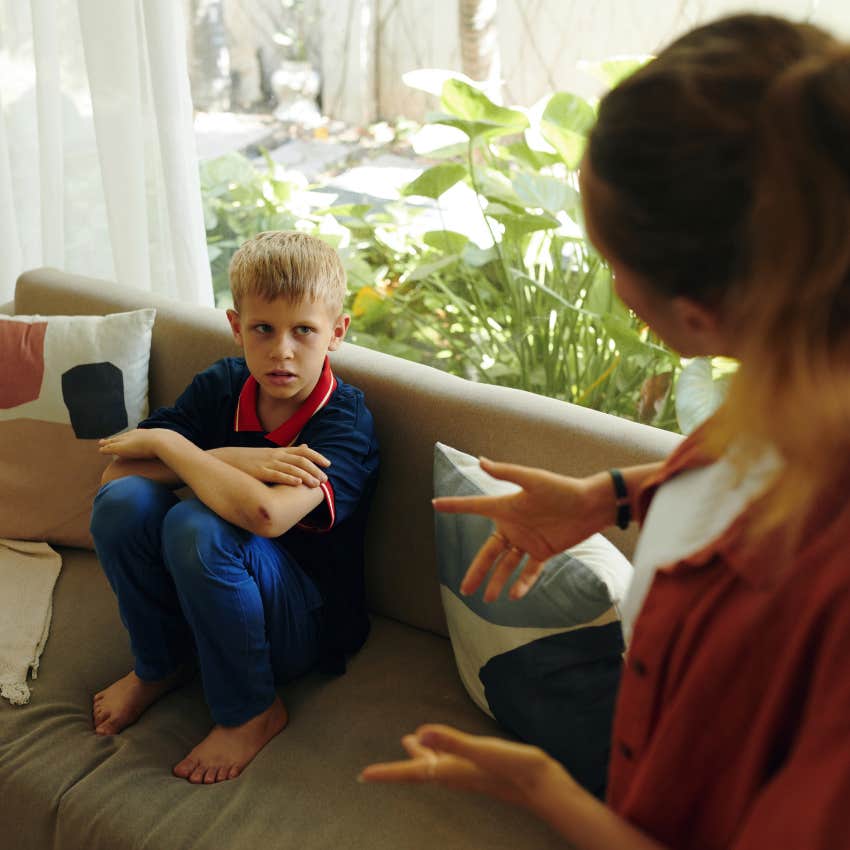
Most Gen X kids grew up knowing that once their parents made a decision, the discussion was usually over. Negotiating or trying to wear them down rarely changed the outcome. While that parenting style wasn't perfect and certainly had drawbacks, it taught many children an important lesson that not every disappointment could be talked away, and sometimes the answer was simply "no."
As adults, many Gen Xers have come to appreciate the value of learning that lesson early. Accepting limits and managing frustration are all important parts of everyday life. While modern parenting often encourages more discussion and collaboration, which has many benefits, many Gen Xers recognize that learning to hear "no" without expecting the world to change for them was a skill that served them well long after childhood ended.
6. Do your chores
While kids today often get allowances for doing their chores or barter with their parents to get out of doing them, for Gen X, doing chores was an expectation. Not only did they not have a choice, but they often had to do them without any kind of compensation or praise.
They might’ve complained about having to step inside or leave a friend’s house to do their chores, but experts agree that in the long run, they’re better off because of it.
7. If you want something, save up to buy it
Yes, special holidays like Christmas or a birthday were an excuse to get something you wanted from parents as a gift, but for most Gen Xers, instant gratification was rare. In fact, they had to work for their wishlist, whether that meant saving up an allowance or taking on a job of their own.
When they wanted something, that didn’t mean begging their parents. It actually meant problem-solving and building all kinds of practical money skills to save the money they needed to buy it.
8. Go outside every day
For many Gen X kids, spending time outside was simply part of everyday life. After school and on weekends, they were expected to head outdoors and find something to do. Without endless forms of digital entertainment competing for their attention, they learned to create their own fun, whether that meant riding bikes, building forts, inventing games, or exploring the neighborhood with friends.
As adults, many Gen Xers can see why that routine mattered. Unstructured time outside encouraged independence, creativity, and confidence in ways that are difficult to replicate indoors. It also gave kids regular opportunities to socialize and make decisions without constant adult involvement. Today, research continues to link time spent in nature with lower stress, improved mood, and better overall well-being, making that old-fashioned rule to go play outside seem much wiser than it did when they were eager to stay in.
9. Do your own homework
 Aleksandr Khmeliov | Shutterstock.com
Overprotective parents today can’t help but meddle in their kids' lives and subconsciously take away their kids' autonomy by stepping into their education. They create schedules for their kids’ homework and hold them accountable, removing any chance they have to actually motivate themselves.
However, Gen X kids did their homework without cues and motivational speeches. If they didn’t do it, their teachers would have consequences they had to deal with without parental intervention. They had to figure out how to be disciplined without the grace of parents who cared more about their comfort.
Zayda Slabbekoorn is a senior editorial strategist with a bachelor’s degree in social relations & policy and gender studies who focuses on psychology, relationships, self-help, and human interest stories.
